






Both charcoal and activated charcoal are carbon-based materials, derived from carbon-rich organic matter through thermal treatment. However, due to differences in their manufacturing processes, they exhibit fundamental distinctions in terms of material structure, physicochemical properties, application fields, and performance efficacy. Charcoal and activated charcoal are two widely utilized categories of carbon-based materials, playing significant roles in both industrial production and daily life. Given their similar nomenclature and shared raw material sources, instances of misuse and confusion frequently arise in practical applications: employing ordinary charcoal for purification purposes renders the treatment completely ineffective, while utilizing activated charcoal as a fuel constitutes a wasteful use of resources; furthermore, certain forms of improper usage may even pose safety hazards. Consequently, clearly delineating the fundamental differences between charcoal and activated charcoal—and mastering their respective preparation principles, core production equipment, characteristic parameters, and scope of application—holds significant practical importance. This paper systematically elucidates the complete preparation processes, core production equipment, classification systems, and key characteristics of both charcoal and activated charcoal. By comprehensively comparing their critical distinctions, and clearly defining their respective boundaries of applicability and usage precautions, this study aims to provide a solid basis for the correct selection and standardized utilization of these materials.
Preparation and Properties of Charcoal
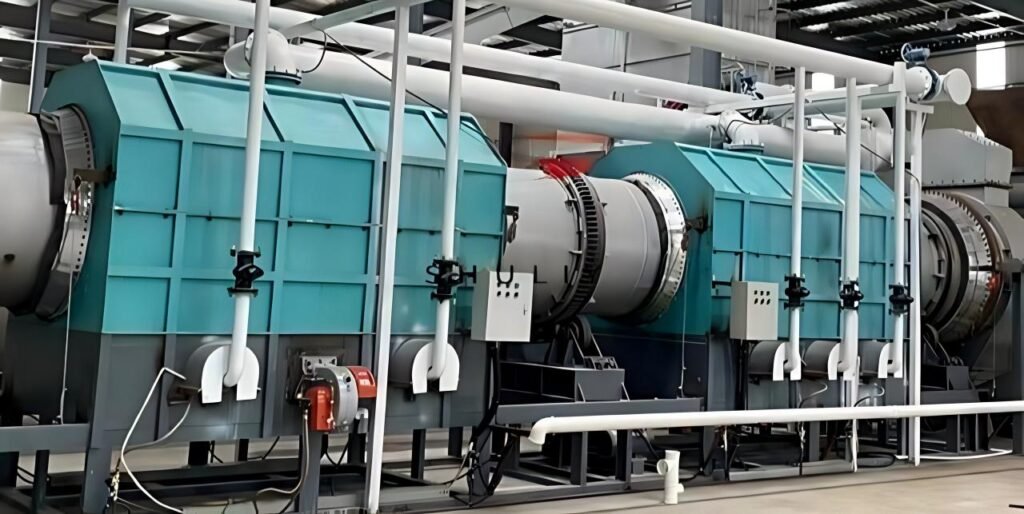
Sources of Raw Materials for Charcoal
The raw materials for charcoal are widely sourced, primarily including:
- Wood-based Raw Materials: Hard hardwoods (oak, maple, oriental oak, beech, etc.), soft hardwoods (poplar, linden, willow, etc.), and softwoods (Masson pine, Korean pine, spruce, etc.)
- Bamboo-based Raw Materials: Various types of bamboo
- Agricultural Waste: Rice husks, peanut shells, cotton hulls, corn cobs, corn stalks, sorghum stalks, bean stalks, coconut shells, coffee hulls, sunflower seed shells, bagasse, etc.
- Other Raw Materials: Spent mushroom substrate, fruit pits (peach pits, walnut shells, etc.)
Charcoal Production Process
Charcoal is produced by heating wood or other organic materials to high temperatures under conditions of complete oxygen exclusion; this process is known as carbonization or pyrolysis. By excluding oxygen, the carbonization process prevents the raw material from undergoing complete combustion, thereby allowing the volatile components within the material to gradually evaporate and decompose, ultimately yielding a solid product composed primarily of pure carbon.
The complete carbonization process consists of three consecutive stages:
- Drying Phase: The raw material is heated to 100–150°C to remove internal free moisture. The duration of this phase is determined by the initial moisture content of the raw material, typically ranging from 6 to 12 hours.
- Pre-carbonization Phase: The temperature rises to 150–280°C, at which point organic components within the raw material—such as cellulose, hemicellulose, and lignin—begin to undergo preliminary decomposition, releasing volatile organic compounds.
- Deep Carbonization Phase: The temperature is further elevated to 450–500°C; the organic components undergo complete decomposition, and volatile substances are expelled in large quantities, resulting in the formation of a charcoal structure composed primarily of carbon.
The yield of charcoal is influenced by factors such as the type of raw material, carbonization temperature, and heating rate; typically, 100 parts by mass of dry wood yields approximately 25 parts by mass of charcoal. The higher the lignin content in the raw material, the higher the charcoal yield.
Core Production Equipment
Based on their processing methods, charcoal production equipment can be broadly categorized into two main types: carbonization equipment and molding equipment. The production efficiency, product quality, and environmental performance of these different types of equipment vary significantly.
Carbonization Equipment
- Traditional Earth Kiln: A traditional carbonization device constructed from clay and masonry, characterized by a simple structure and low investment costs. The capacity of a single kiln typically ranges from 5 to 20 tons of raw material, with a carbonization cycle lasting 7 to 15 days. Its drawbacks include low production efficiency, difficulty in precisely controlling carbonization temperatures, inconsistent product quality, and the unorganized discharge of flue gases, resulting in severe environmental pollution; consequently, this technology is currently being phased out.
- Dry Distillation Kiln: A semi-mechanized carbonization device featuring an enclosed kiln structure capable of recovering wood tar, wood vinegar, and combustible gases generated during the carbonization process. The carbonization cycle is shortened to 3 to 7 days, and product quality is more consistent compared to traditional earth kilns; furthermore, the recovered combustible gases can be utilized to heat the kiln itself, thereby reducing energy consumption.
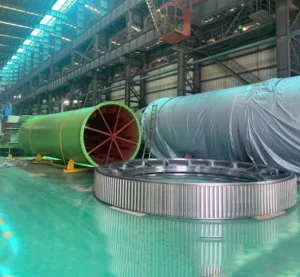
- Continuous Carbonization Furnace: The mainstream equipment for modern industrial-scale production, primarily comprising three types: rotary drum furnaces, screw-type furnaces, and vertical furnaces. Raw materials are continuously fed into one end of the furnace body, while the resulting charcoal is continuously discharged from the other; the entire carbonization process operates in a fully enclosed and automated manner. Carbonization temperatures can be precisely controlled within the range of 400–800°C, and the carbonization cycle requires only 1 to 4 hours, yielding a production efficiency more than ten times that of traditional earth kilns. Flue gases undergo purification treatment to meet emission standards, while by-products such as wood tar and wood vinegar are simultaneously recovered.
Forming Equipment
- Crusher: Used to break down large raw materials into uniform particles ranging from 5 to 50 mm in size; commonly used equipment includes jaw crushers, hammer crushers, and roller crushers.
- Pulverizer: Used to grind raw materials—such as sawdust and wood chips—to a fineness of 80–120 mesh, in preparation for briquetting; commonly used equipment includes hammer mill pulverizers and toothed-disc pulverizers.
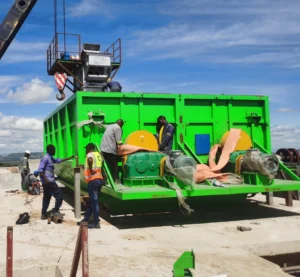
- Briquetting Machine: The core equipment in the production of briquette charcoal; it utilizes screw extrusion to compress the pulverized raw materials into rod-shaped semi-finished products under conditions of high temperature and high pressure. The forming pressure typically ranges from 10 to 20 MPa, with a forming temperature of 180–220°C.
- Carbonization Furnace: Used to subject the formed rod-shaped semi-finished products to a carbonization process, thereby yielding the final briquette charcoal product.
Main Types of Charcoal
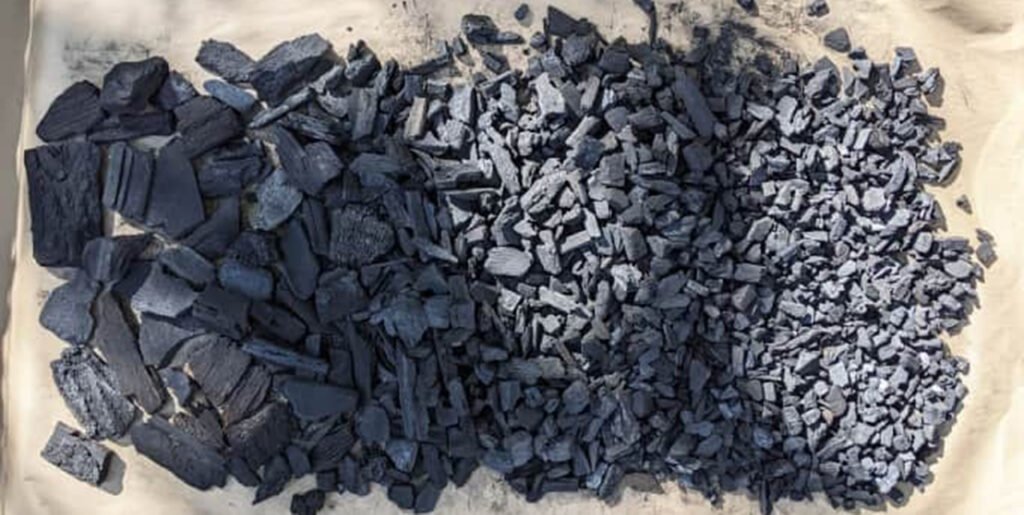
Depending on the type of raw material, carbonization temperature, and molding process, charcoal can be classified into the following main types:
Classified by carbonization temperature:
- Black Charcoal: Produced by firing at relatively low temperatures of 400–600°C. It has a lower carbon content and is easy to ignite, though its burn time is relatively short; it is inexpensive and commonly used in daily life.
- White Charcoal: Produced by firing at high temperatures exceeding 1000°C, followed by a high-temperature refining process. It features a high carbon content, exceptional hardness, and a long burn duration while producing minimal smoke, making it ideal for heating and high-end grilling.
Classified by Raw Materials:
- Hardwood Charcoal: Produced by carbonizing hardwoods such as oak and maple, it burns at high temperatures and offers a long burn duration, making it the most commonly used fuel type for outdoor grilling.
- Bamboo Charcoal: Manufactured from bamboo through high-temperature carbonization, it possesses a hard texture, finer pore structure, and strong adsorption properties; it is frequently used for purification and dehumidification, or as a fuel source.
- Fruitwood Charcoal: Produced by carbonizing fruitwoods—such as apple or pear wood—it releases a subtle fruity aroma while burning, making it ideal for grilling as it imparts a unique flavor to food.
- Straw Charcoal: Produced by carbonizing agricultural crop residues—such as corn stalks and wheat straw—it is primarily utilized as a fuel source or as an agricultural carbon amendment for soil improvement.
Classified by molding process:
- Lump Charcoal: Irregular small pieces formed by directly crushing hardwood that has undergone oxygen-free carbonization. It contains no additives, produces no odors during combustion, and burns faster than briquette charcoal.
- Briquette Charcoal (Machine-made Charcoal): Produced by compressing and molding raw materials—such as sawdust and bamboo shavings—after the addition of a binder. It features a uniform shape, burns evenly and steadily, and provides sustained heat output, making it suitable for prolonged cooking sessions.
Special Types:
- Binchotan (Ugangtan): Possesses extremely high density and produces a crisp, ringing sound when struck; a single piece burns for 5–6 hours, making it the preferred fuel for high-end Japanese cuisine.
- Kikutan (Chrysanthemum Charcoal): Commonly used in Japanese-style grilling, it emits a rich aroma and reaches temperatures of 600–700°C; however, if exposed to moisture, it is prone to sparking. High-quality varieties are required to specify a moisture content of ≤6%.
The Core Characteristics of Charcoal
Charcoal is a black, lightweight, and brittle porous material; its primary constituent is carbon, accounting for 70% to 85% of its mass, while it also contains 5%–15% ash, 3%–8% moisture, and 2%–7% residual volatile gases. Ordinary charcoal possesses a specific surface area of merely 2–5 m²/g; its pore structure is dominated by macropores—with diameters exceeding 50 nm—characterized by an irregular distribution and a low total pore volume.
The core characteristics of charcoal include:
- Fuel Characteristics: It burns at a higher temperature than wood and sustains combustion for a longer duration; furthermore, during combustion, it generates lower levels of smoke and ash compared to wood, making it a relatively clean and efficient solid fuel.
- Reducing Properties: It exhibits certain reducing properties, enabling it to react with metal oxides at high temperatures and serve as a reducing agent in metallurgical processes.
- Basic Porosity: It possesses a rudimentary porous structure; however, the number of pores is limited and their diameters are large, allowing for the adsorption of only small quantities of large-molecule substances. Consequently, its overall adsorption capacity is extremely weak.
Applications of Charcoal
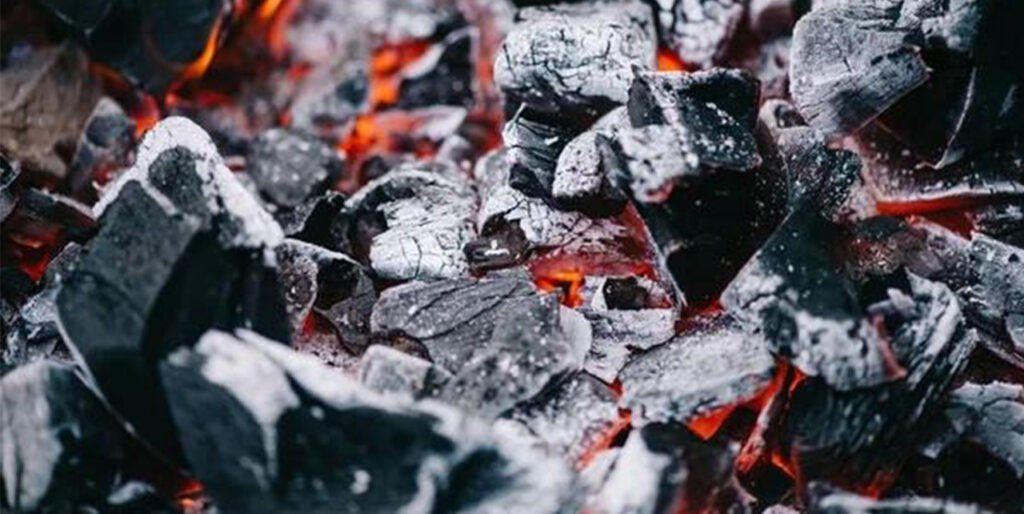
The core value of charcoal lies in its function as a fuel and a reducing agent, primarily applied in the following scenarios:
- Fuel Sector: Widely utilized for outdoor barbecues, heating bonfires, and wood-burning stoves, charcoal currently stands as the primary fuel source for outdoor cooking. Different types of charcoal are suited to specific grilling scenarios: quick-igniting charcoal is ideal for starting fires; bamboo charcoal is the preferred choice for commercial operations prioritizing efficiency; applewood charcoal is recommended for home use where safety is paramount; Binchotan charcoal is the ultimate choice for those seeking perfection; and chrysanthemum charcoal is worth a try for those who value distinct flavors.
- Metallurgical Industry: Employed as a reducing agent in the smelting of iron, steel, and various non-ferrous metals to reduce metal oxides. Pig iron produced using charcoal smelting typically exhibits a fine-grained structure, resulting in dense, crack-free castings with low impurity levels—qualities that make it highly suitable for the production of high-quality steel. In the production of non-ferrous metals, charcoal frequently serves as a surface flux to minimize splash losses of molten metal and reduce gas saturation within the melt. Large quantities of charcoal are also consumed in the production of crystalline silicon.
- Chemical Industry: Used as a raw material in the manufacture of carburizing agents, which are applied to steel products to enhance their surface hardness and wear resistance. Furthermore, it is the optimal raw material for producing carbon disulfide; approximately 0.5 tons of charcoal are required to produce 1 ton of carbon disulfide.
- Raw Material Production: Serves as a primary raw material in the manufacture of activated carbon.
- Artistic Domain: Valued for its ability to produce pure black tones of varying depth and intensity, it is utilized as a drawing medium in artistic creations such as sketches and quick studies.
- Basic Purification: Applied in simple water treatment, liquid decolorization, or the production of black powder and desiccants, leveraging its inherent adsorptive properties to remove moisture and various impurities.
Usage Limitations and Safety Precautions
- Indoor combustion releases toxic gases such as carbon monoxide. Since carbon monoxide is colorless and odorless, it can easily lead to poisoning incidents; therefore, the use of charcoal for heating or cooking in enclosed spaces is strictly prohibited. Even eco-friendly or smokeless charcoal can generate carbon monoxide if combustion is incomplete.
- Non-food-grade charcoal may contain chemical additives—such as combustion aids, binders, and coloring agents—which release harmful substances during combustion. If these substances come into contact with food, they may be ingested by the human body, thereby posing health risks.
- Its adsorption capacity is limited; it cannot effectively remove organic pollutants or residual chlorine from water, nor can it eliminate toxic gases or odors from the air. Consequently, it is entirely unsuitable for any purification applications.
- When igniting charcoal, use specialized charcoal starters; strictly avoid using flammable liquids—such as gasoline or alcohol—to prevent sudden flare-ups and accidents.
- Wait until the charcoal has fully ignited (indicated by the appearance of a layer of gray-white ash on the surface) before use; at this stage, combustion is stable, and carbon monoxide generation is minimized.
- Ensure the fire is completely extinguished before leaving the area. Under no circumstances should you leave the fire unattended overnight, and you must ensure the charcoal embers are thoroughly put out before going to sleep.
Preparation and Properties of Activated Charcoal
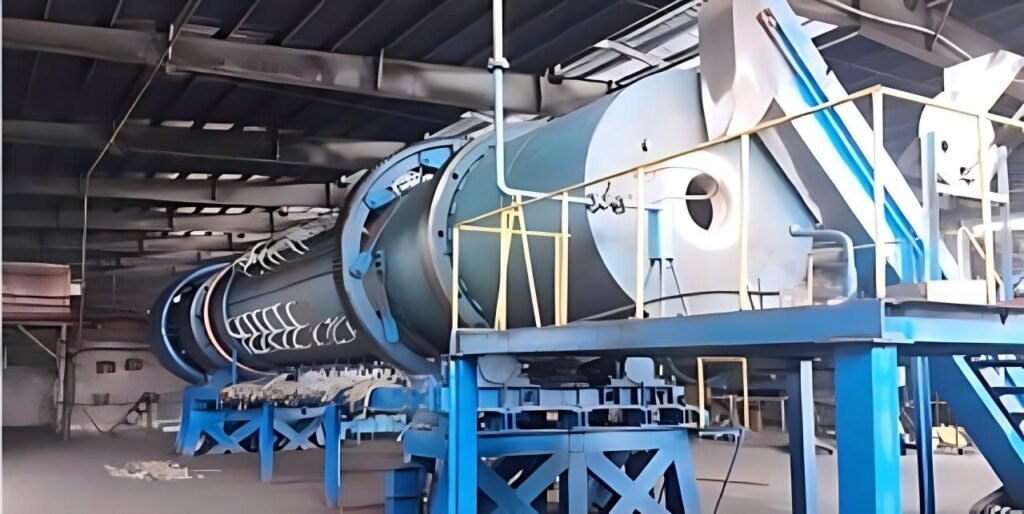
Sources of Raw Materials for Activated charcoal
The raw material sources for activated charcoal are similar to those for charcoal, including wood, bamboo, fruit shells, and agricultural waste. Among these, fruit shell materials—such as coconut shells, walnut shells, and pine nut shells—are most effective for preparing activated charcoal with a high specific surface area. Additionally, mineral-based raw materials, such as coal and petroleum coke, can also be utilized to produce activated carbon.
Preparation Process of Activated Charcoal
Activated charcoal is produced from ordinary charcoal through an additional activation process; this constitutes the fundamental difference between the two. The activation process involves reacting the charcoal with gases or chemical reagents at high temperatures, thereby etching out a vast number of new micropores and channels—building upon the charcoal's existing porosity—which substantially expands the material's specific surface area and, consequently, significantly enhances its adsorption capabilities.
Mainstream activation methods fall into two categories:
- Physical Activation (also known as Gas Activation): Pre-prepared charcoal is heated to a temperature of 800–1100°C, while steam, carbon dioxide, or a mixture of both gases is introduced. These gases undergo redox reactions with the carbon, resulting in the formation of a highly developed porous structure. Among these methods, steam activation is currently the most widely utilized technique in the industry, employed by over 70% of active carbon manufacturers worldwide.
- Chemical Activation: Carbon-rich raw materials are first mixed and impregnated—in specific proportions—with chemical reagents such as phosphoric acid, zinc chloride, or potassium hydroxide. Subsequently, simultaneous carbonization and activation are carried out at temperatures ranging from 400°C to 700°C. During this process, the chemical reagents function as both dehydrating agents and templating agents, thereby facilitating the formation of the porous structure.
| Comparison Dimension | Physical Activation Method | Chemical Activation Method |
| Activation Temperature | 800-1100℃ | 400-700℃ |
| Process Flow | Carbonization first, then activation (two-step process) | Carbonization and activation completed in one step |
| Yield | Lower (approx. 10%-20%) | Higher (approx. 30%-50%) |
| Pore Size Distribution | Mainly macropores and mesopores | Mainly micropores |
| Specific Surface Area | 500-1200 m²/g | 1000-3000 m²/g |
| Surface Functional Groups | Fewer | Rich in polar functional groups such as carboxyl and hydroxyl |
| Environmental Friendliness | No chemical reagent residues, low environmental pollution | Produces wastewater and waste gas containing chemical reagents, highly corrosive to equipment |
| Subsequent Treatment | Simple | Requires extensive water washing to remove residual chemical reagents |
Upon completion of the activation process, the activated charcoal must be washed with deionized water until neutral to remove residual chemical reagents and ash; it then undergoes subsequent steps—such as drying and sieving—to yield finished activated carbon products of various particle sizes and morphologies.
Core Production Equipment for Activated Carbon
Based on the manufacturing process, activated carbon production equipment can be broadly categorized into three types: pretreatment equipment, activation equipment, and post-treatment equipment; among these, the activation equipment serves as the core component that determines the quality of the activated carbon product.
Pre-treatment Equipment
- Raw Material Crusher: Crushes large raw material lumps into uniform particles ranging from 10 to 20 mm; jaw crushers and hammer crushers are commonly used.
- Raw Material Dryer: Reduces the moisture content of the raw materials to below 10%; rotary dryers and airflow dryers are commonly used.
- Impregnation Tank: Specialized equipment for chemical activation processes, used to mix and impregnate raw materials with chemical reagents in precise proportions; typically constructed from stainless steel and equipped with a stirring mechanism and a heating system.
Activation Equipment
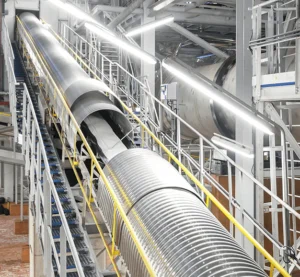
- Rotary Kiln Activator: The most commonly used equipment for physical activation methods, consisting of an inclined steel cylinder. The inner wall of the rotary kiln cylinder is fitted with lifting flights (lifters). Raw materials enter from the upper end of the kiln body and, driven by the kiln's rotation, move toward the lower end while simultaneously making full contact with high-temperature activation gases flowing in the opposite direction. The kiln's rotational speed typically ranges from 0.5 to 2 revolutions per minute (r/min), and the activation temperature is maintained between 800°C and 1000°C. A single unit can achieve a daily processing capacity of 50 to 200 tons. Its advantages include high processing capacity, stable operation, and suitability for large-scale continuous production; its disadvantages include a relatively long activation time and poorer product uniformity.
- Vertical Activator: Also known as a "Slep" furnace, this is currently one of the most widely utilized types of equipment for activating activated carbon. The furnace features a vertical structure divided into a preheating section, an activation section, and a cooling section. It employs a multi-stage heating system, allowing the activation temperature to be precisely controlled within the range of 900°C to 1100°C. Raw materials are fed from the top of the furnace and move downward via gravity, making counter-current contact with the activation gases. Its advantages include excellent activation results, stable product quality, high specific surface area, and relatively low energy consumption; its disadvantages include structural complexity and high initial investment costs.
- Fluidized Bed Activator: This system utilizes fluidization technology to suspend raw material particles within the activation gas stream, thereby maximizing the gas-solid contact area and ensuring high efficiency in heat and mass transfer. The activation time required is merely 10 to 30 minutes—significantly shorter than that of rotary kilns or vertical furnaces. Its advantages include high production efficiency and excellent product uniformity; its disadvantages include higher energy consumption and strict requirements regarding the particle size of the raw materials, making it particularly suitable for the production of powdered activated carbon.
- Rake-type Activator: Commonly used in chemical activation methods, this furnace consists of a horizontal cylindrical body fitted internally with rotating rake teeth designed to agitate and mix the materials. The activation temperature typically ranges from 400°C to 700°C, with a material residence time within the furnace of 2 to 4 hours. Its advantages include uniform material mixing and effective activation results; its disadvantages include a relatively low processing capacity and significant wear and tear on the equipment components.
Post-processing Equipment
- Washing Equipment: Used to remove residual chemical reagents and ash from activated carbon; commonly used devices include rotary drum washers, belt washers, and counter-current washing towers.
- Drying Equipment: Reduces the moisture content of washed activated carbon to below 10%; commonly used devices include rotary kiln dryers and fluidized bed dryers.
- Screening Equipment: Classifies activated carbon according to particle size; commonly used devices include vibrating screens and rotary trommel screens.
- Grinding Equipment: Pulverizes granular activated carbon into powdered activated carbon; commonly used devices include Raymond mills and ball mills.
- Forming Equipment: Mixes powdered activated carbon with binders and extrudes it into cylindrical or spherical shapes; commonly used devices include extrusion molding machines and ball-forming machines.
Main Types of Activated Charcoal
Based on the form of the finished product, activated charcoal can be classified into three categories:
- Powdered Activated Charcoal (PAC): With a particle size of less than 0.18 mm, this represents the purest form of activated charcoal, boasting the largest specific surface area and the fastest adsorption rate. It is primarily utilized in batch-mode treatment processes, such as medical emergency interventions, liquid decolorization, and impurity removal.
- Granular Activated Charcoal (GAC): Characterized by a particle size ranging from 0.18 to 3 mm, this type features larger, coarser granules. It exhibits minimal pressure drop as fluids pass through and can be regenerated via high-temperature treatment for repeated use; consequently, it is widely employed in continuous water treatment systems and air purification equipment.
- Extruded Activated Charcoal (EAC): Produced by mixing powdered activated carbon with a binder and extruding the mixture into cylindrical or spherical shapes, this variety possesses high mechanical strength and is resistant to pulverization. It is well-suited for industrial gas treatment applications involving high flow rates, as well as for large-scale water treatment systems.
The Core Characteristics of Activated Charcoal
The primary constituent of activated charcoal is carbon, accounting for 85% to 95% of its mass, with an ash content of less than 5% and a moisture content of less than 10%. Following activation, activated charcoal develops a three-dimensional porous network structure composed of micropores, mesopores, and macropores.
- Micropores: With pore diameters of less than 2 nm, they account for over 70% of the total pore volume and more than 95% of the total specific surface area, serving as the primary sites for the adsorption of small molecules.
- Mesopores: With pore diameters ranging from 2 to 50 nm, they are responsible for adsorbing medium-sized molecules and act as channels for molecular diffusion into the micropores.
- Macropores: With pore diameters exceeding 50 nm, they primarily serve as transport channels for fluids entering the interior of the activated charcoal.
High-quality activated charcoal can possess a specific surface area ranging from 1,000 to 2,000 m²/g, while certain types of activated charcoal with ultra-high specific surface areas may exceed 3,000 m²/g.
The core characteristic of activated carbon is its adsorption capacity; it is essential to clearly distinguish the fundamental differences between adsorption and absorption. Adsorption refers to the physical or chemical process in which molecules of a substance adhere to the surface of a solid material, occurring exclusively at the material's surface. Absorption, conversely, refers to the process in which molecules of a substance permeate into the interior of a material, becoming incorporated throughout its entire volume. The mechanism of action for activated carbon is adsorption, not absorption.
The adsorption mechanisms of activated charcoal primarily comprise three types:
- Physical Adsorption: The primary adsorption mechanism, based on intermolecular van der Waals forces (including dispersion forces, induction forces, and orientation forces). Physical adsorption is a reversible process capable of forming either monolayer or multilayer adsorption films; it exhibits low selectivity and is applicable to most organic pollutants, odor-causing molecules, and certain inorganic substances.
- Chemical Adsorption: Adsorption driven by chemical bonding forces, involving the sharing of electron pairs or electron transfer. Chemical adsorption is typically an irreversible process that forms only a monolayer adsorption film; it demonstrates high selectivity and is applicable to heavy metal ions and specific chemical substances.
- Ion-Exchange Adsorption: Adsorption driven by electrostatic attraction, wherein ions from the adsorbate accumulate at charged sites on the adsorbent's surface, while the adsorbent simultaneously releases an equivalent amount of its own ions. This type of adsorption is classified within the broader category of chemical adsorption.
Furthermore, the activation process introduces oxygen-containing functional groups—such as hydroxyl, carboxyl, and carbonyl groups—onto the surface of the activated charcoal. This enhances its chemical reactivity, enabling it to undergo chemical reactions with certain polar molecules, thereby further improving both the selectivity and efficiency of adsorption—a characteristic not possessed by ordinary charcoal.
Activated Carbon Regeneration Methods
Once activated charcoal reaches adsorption saturation, its adsorption capacity can be restored through regeneration methods, allowing it to be reused multiple times. The mainstream regeneration methods include:
- Thermal Regeneration: The most widely utilized and industrially mature regeneration method. It restores the adsorption capacity of activated carbon through three stages: drying (removing moisture at 105°C), high-temperature carbonization (decomposing organic matter at 500–800°C), and activation (clearing micropores by introducing steam or carbon dioxide at temperatures above 800°C). The regeneration efficiency can reach 81–92%.
- Steam Regeneration: Involves passing superheated steam through the carbon bed at temperatures between 200°C and 400°C. This method is suitable for activated carbon used in gas-phase adsorption applications, as well as for carbon that has adsorbed low-boiling-point solvents.
- Chemical Regeneration: Employs acid, alkali, or organic solvents to wash the activated carbon, thereby removing heavy metals or specific contaminants. This method is particularly suitable for treating activated carbon that has adsorbed heavy metals.
- Biological Regeneration: Utilizes acclimated bacteria to desorb organic matter adsorbed onto the activated carbon, subsequently digesting and decomposing it into water and carbon dioxide. While this method entails lower capital investment and operating costs, it requires a longer processing time and is highly susceptible to variations in water quality and temperature.
Application Fields of Activated Carbon
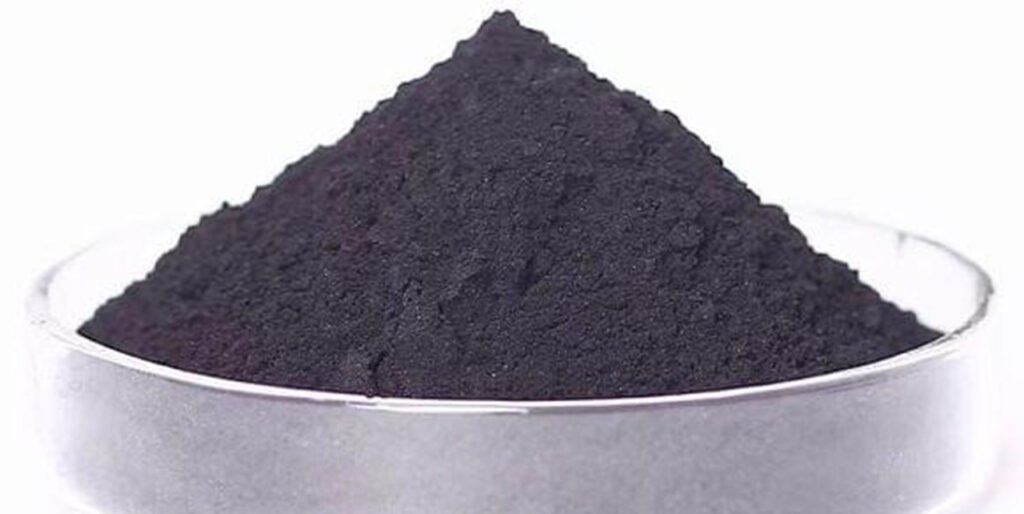
Due to its excellent adsorption properties, activated carbon is applied in numerous specialized fields:
- Environmental Purification Sector:
- Water Treatment: Used in drinking water treatment to remove organic pollutants, residual chlorine, pesticide residues, and odors; used in industrial wastewater treatment to remove heavy metal ions and organic pollutants; and used for the pretreatment of seawater desalination.
- Air Purification: Used in air purifiers to adsorb volatile organic compounds (such as formaldehyde, benzene, and toluene) and odors from the air; used in industrial waste gas treatment to remove toxic and harmful gases; and used in soil remediation and chemical spill cleanup to adsorb harmful chemicals from the environment and prevent their diffusion.
- Food Industry Sector:
- Sugar Industry: Used for the decolorization and purification of sugar solutions, removing coloring substances—such as melanoidins and caramel pigments—to ensure white sugar meets high-purity standards.
- Oils and Fats Industry: Used in conjunction with activated bleaching earth to remove pigments, peroxides, and undesirable odors from oils and fats, thereby enhancing the quality and shelf life of edible oils.
- Beverage and Alcohol Industry: Used for the purification of beverages such as fruit juices, beer, and wine to remove impurities, adjust color, and adsorb organic compounds that may cause off-flavors; also used for the decolorization of spirits (e.g., Baijiu) to prevent turbidity during the aging process.
- Other Applications: Used for the purification of food additives—specifically, purifying solutions of organic acids (such as citric acid and lactic acid) and flavor enhancers (such as MSG); also used for carbon dioxide purification to remove odor-causing substances from the CO2 utilized in the beverage industry.
- Pharmaceutical Industry Sector:
- Exhibits decolorizing, deodorizing, and purifying properties for a wide range of biochemical pharmaceuticals; widely utilized in the production processes of antibiotics, vitamins, antipyretics, sulfonamides, anti-tuberculosis drugs, alkaloids, hormones, injectable solutions, and other medications.
- Capable of eliminating heavy metals and harmful substances from pharmaceutical products, removing pyrogens, and thereby enhancing the purity and overall quality of the medications.
- Medical Sector:
- Used in emergency medical treatment for oral drug overdoses and acute poisoning by organic toxins; when administered orally, it adsorbs toxins and drugs within the digestive tract, preventing their absorption into the bloodstream via the gastrointestinal tract, and ultimately facilitates their elimination from the body through feces.
- Can be utilized as a topical dressing; dry activated carbon powder is placed within a bandage and applied to the affected area to treat conditions such as ulcers, suppurating wounds, and burns. Used in artificial liver and kidney systems to adsorb harmful substances from the blood, such as uric acid, urea, and creatinine.
- Industrial Protection Sector:
- Used to manufacture filtration layers for gas masks, adsorbing toxic gases and vapors—such as chlorine and hydrogen sulfide—present in industrial environments, thereby protecting the respiratory systems of workers.
- Used in solvent recovery systems to capture organic solvents that volatilize during industrial production processes, thereby reducing production costs and minimizing environmental pollution.
- Chemical Industry:
- Serves as a catalyst support; its high specific surface area and rich porous structure provide an abundance of active sites capable of supporting various catalysts, thereby enhancing both catalytic activity and selectivity.
- Used in cigarette filters to adsorb toxic substances found in cigarette smoke, such as nicotine and tar.
Usage Limitations and Safety Precautions
- Activated charcoal cannot adsorb all substances; it cannot filter out bacteria or viruses, nor can it remove dissolved inorganic salts. Therefore, the appropriate type must be selected based on specific requirements, and the material must be replaced in a timely manner.
- Powdered activated charcoal constitutes a combustible dust; when mixed with air, it can form an explosive mixture. Exposure to open flames or high heat sources may easily trigger combustion or explosions. Combustion may generate hazardous gases, such as carbon monoxide and carbon dioxide.
- When handling powdered activated charcoal—or when pouring or stirring granular activated charcoal—significant amounts of dust may be generated. Personnel must wear dust masks rated KN95 or higher, safety goggles, and chemical-resistant gloves to prevent dust inhalation or eye exposure.
- Activated charcoal should be stored in a cool, dry place. Care must be taken to prevent damage to the inner and outer packaging bags, as well as to guard against moisture absorption and the adsorption of other airborne substances, which would compromise its performance. It is strictly prohibited to store activated carbon alongside toxic or hazardous gases, or volatile substances; storage areas must be kept away from potential sources of contamination.
- Strictly avoid water immersion: Activated charcoal is a porous adsorbent material. If immersed in water, the water will fill the active pores, thereby reducing the direct contact between the activated charcoal's specific surface area and the target gases, which severely impairs its adsorption efficiency.
- During use, the introduction of viscous, tar-like substances into the activated charcoal bed must be strictly avoided. Such substances can clog the pores of the activated charcoal or coat its active surface area, rendering the material ineffective.
A Comparison of the Core Differences Between Charcoal and Activated Charcoal
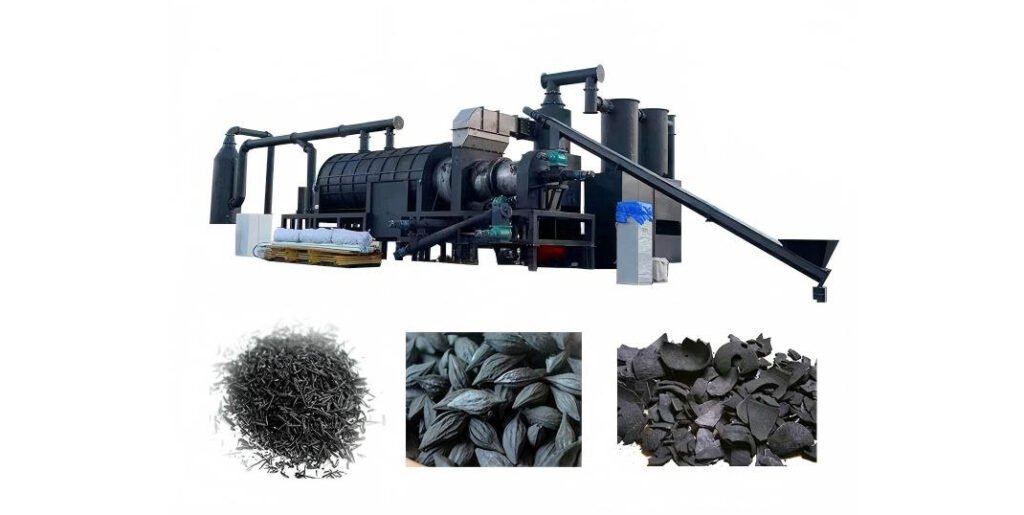
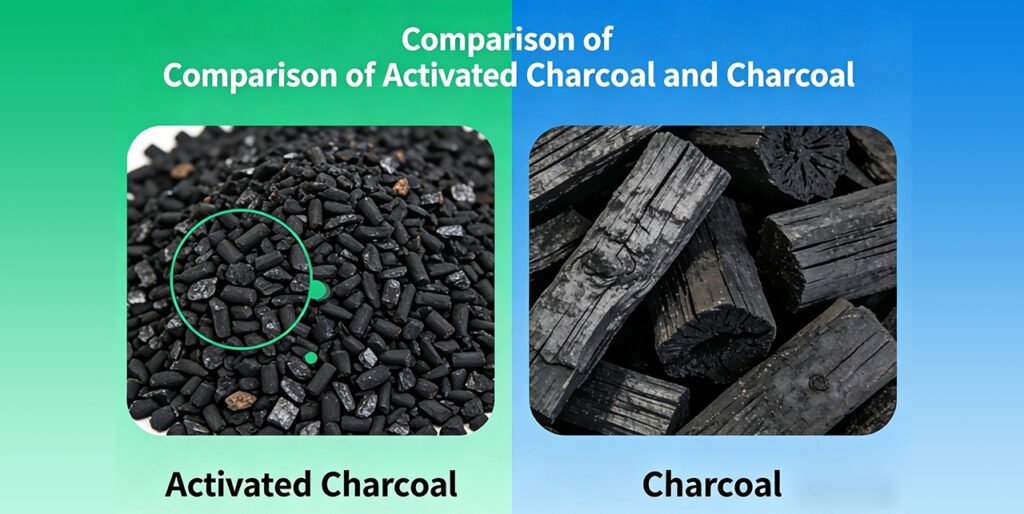
All differences between charcoal and activated charcoal stem from variations in their production processes; a comparison of their core characteristics is presented in the table below.
| Comparison Dimension | Charcoal | Activated Charcoal |
| Main Components | Carbon (70%-85%), containing 5%-15% ash, 3%-8% moisture, 2%-7% volatile gases | Carbon (85%-95%), containing less than 5% ash, less than 10% moisture, with a three-dimensional porous network structure |
| Raw Material Sources | Wood, bamboo, agricultural waste, etc. | Wood, bamboo, nutshells, agricultural waste, coal, petroleum coke, etc. |
| Production Process | Organic materials undergo single-step carbonization at 450-500℃ under oxygen-free conditions | First carbonized to produce charcoal, then two-step activation at 400-1100℃ using gas or chemical reagents |
| Core Production Equipment | Earthen kilns, dry distillation kilns, continuous carbonization furnaces, rod-making machines | Rotary kiln activation furnaces, vertical activation furnaces, fluidized bed activation furnaces, rake-type activation furnaces |
| Activation Method | None | Physical activation, chemical activation |
| Specific Surface Area | 2-5 m²/g | 1000-3000 m²/g |
| Pore Structure | Only a small number of macropores exist; pore diameter >50 nm, irregular distribution, small pore volume | Micropores, mesopores, and macropores are well developed; micropores account for over 70%, uniform distribution, large pore volume |
| Surface Functional Groups | Extremely few | Rich in oxygen-containing functional groups such as hydroxyl, carboxyl, and carbonyl |
| Adsorption Capacity | Extremely weak; can only adsorb a small amount of large-molecule substances | Extremely strong; can adsorb various organic molecules, gases, and toxins |
| Adsorption Mechanism | Only weak physical adsorption | Physical adsorption, chemical adsorption, ion-exchange adsorption |
| Chemical Activity | Low | High |
| Regenerability | Completely consumed after combustion; non-regenerable | Can be regenerated by various methods and reused multiple times |
| Core Function | Fuel, reducing agent | Adsorbent, purifying agent |
| Main Applications | Cooking, heating, steel production, artistic creation, chemical raw materials | Water purification, air filtration, food industry, pharmaceutical industry, medical emergency, industrial protection |
| Unit Cost | Low | High |
Activated carbon and activated charcoal refer to the same substance, but the two names exist mainly because of historical usage and industry preference: “charcoal” was the original, traditional term used when the material was produced from wood for early medicinal and household uses, while “carbon” emerged later as a more scientific and precise term adopted by engineers and industrial sectors to reflect the material’s chemical nature and broader raw material sources (such as coal, coconut shells, or peat); as a result, technical fields favor “activated carbon” for accuracy and professionalism, whereas everyday and commercial contexts still use “activated charcoal” because it is more familiar to the general public.
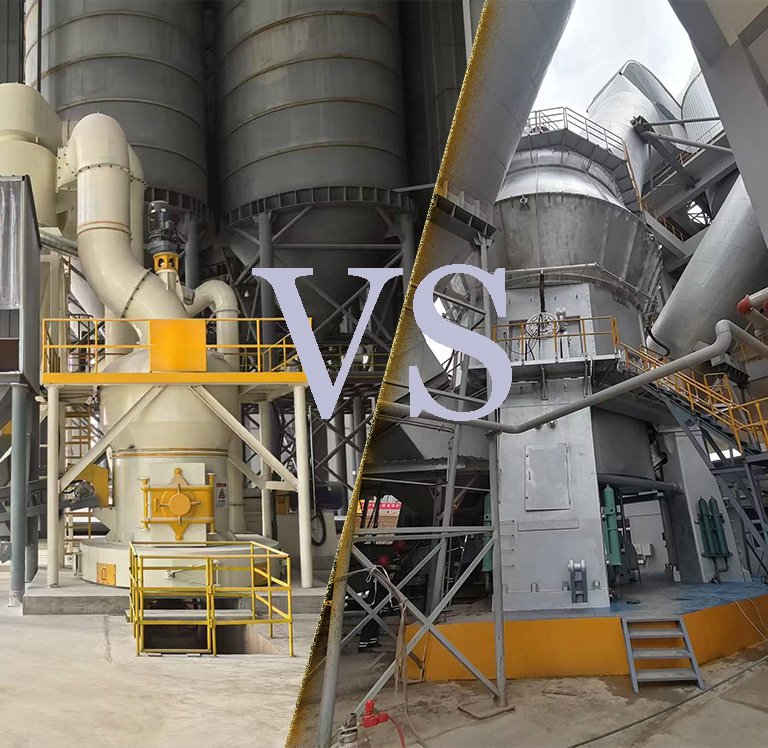
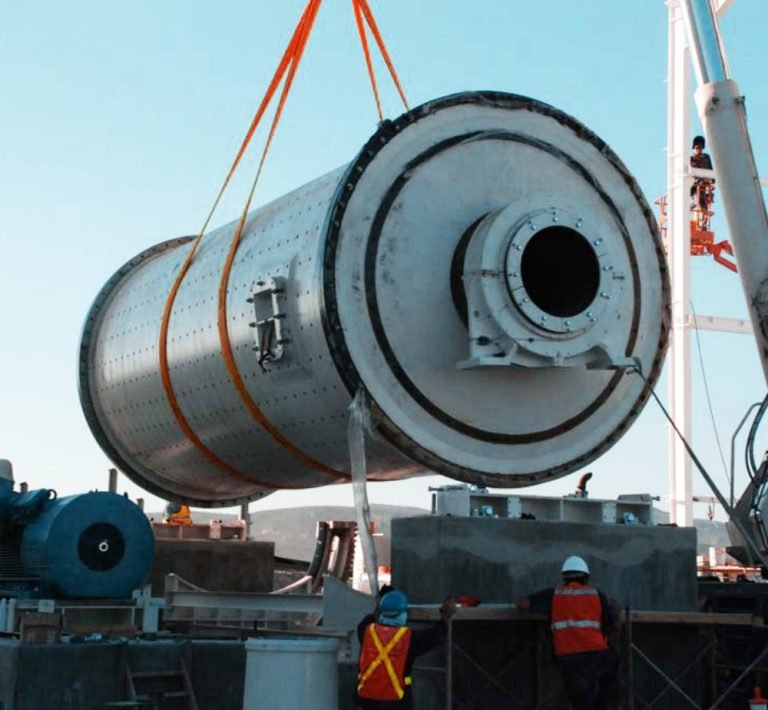
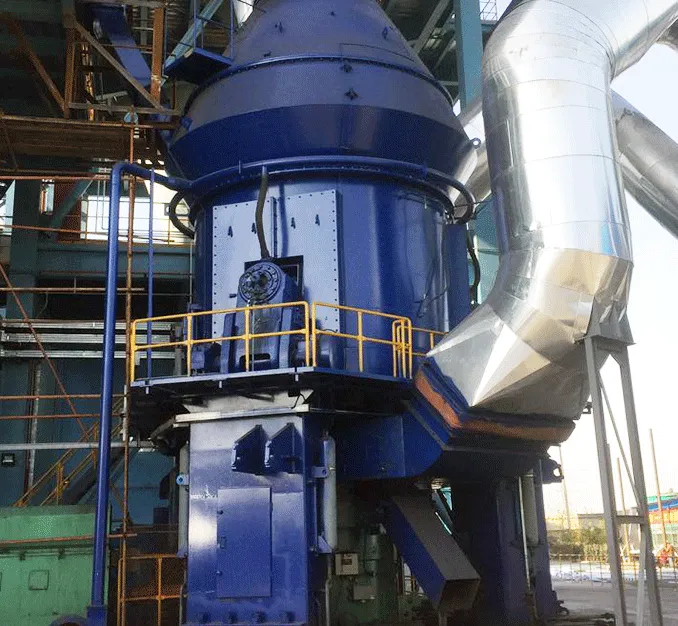
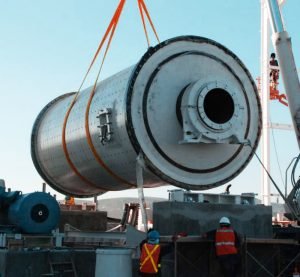
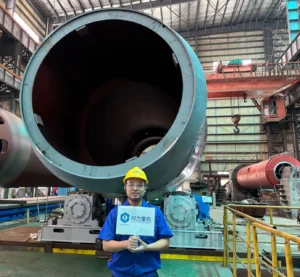
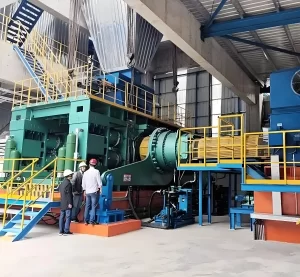
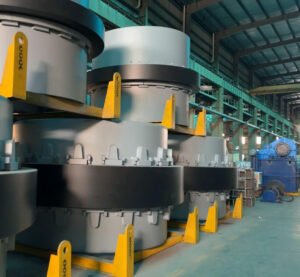
To grind charcoal and activated charcoal, several types of milling equipment are commonly used depending on the required fineness and capacity, including vertical roller mills (VRM) for energy-efficient large-scale production with integrated drying, ball mills for robust and flexible grinding with good control over particle size, and Raymond mills (pendulum mills) for fine powder processing with relatively low energy consumption; the choice typically depends on factors such as moisture content, desired fineness (e.g., for adsorption performance), and system integration with drying and classification units.
Ground charcoal powder and ground activated charcoal powder have distinct applications based on their properties: ground charcoal powder is mainly used as a fuel source in briquettes, a reducing agent in metallurgical processes, a filler in rubber and plastics, and as a soil amendment (biochar) to improve soil structure and nutrient retention, while ground activated charcoal powder, due to its highly porous structure and strong adsorption capacity, is widely applied in water and wastewater treatment, air and gas purification, food and pharmaceutical decolorization and purification, gold recovery, and in medical uses such as toxin adsorption.
Conclusion
Both charcoal and activated charcoal are carbon-based materials; the fundamental distinction between them lies in the fact that activated carbon undergoes an additional activation process. This process creates an exceptionally large specific surface area and a complex, three-dimensional porous structure, thereby endowing it with adsorption capabilities and chemical reactivity that are unparalleled by ordinary charcoal. Differences in production equipment serve as a direct reflection of the divergent processes and performance characteristics of the two materials: charcoal production relies primarily on carbonization equipment and involves a relatively simple process, whereas activated charcoal production centers on activation equipment, entailing a more complex process as well as higher capital investment and operational costs. Material selection must strictly adhere to the principle of situational appropriateness: charcoal is suitable only for applications such as fuel, metallurgy, and artistic creation—specifically, for cooking and heating purposes, one must utilize charcoal explicitly designated as "food-grade." Activated charcoal, conversely, is intended for specialized applications—including purification, medical use, and industrial protection—and requires the selection of a specific form, pore size distribution, and activation method tailored to the precise requirements of the intended application. The erroneous selection of materials not only results in inefficient performance but may also give rise to potential health and safety hazards.