





What quantity of blends will be produced per annum?
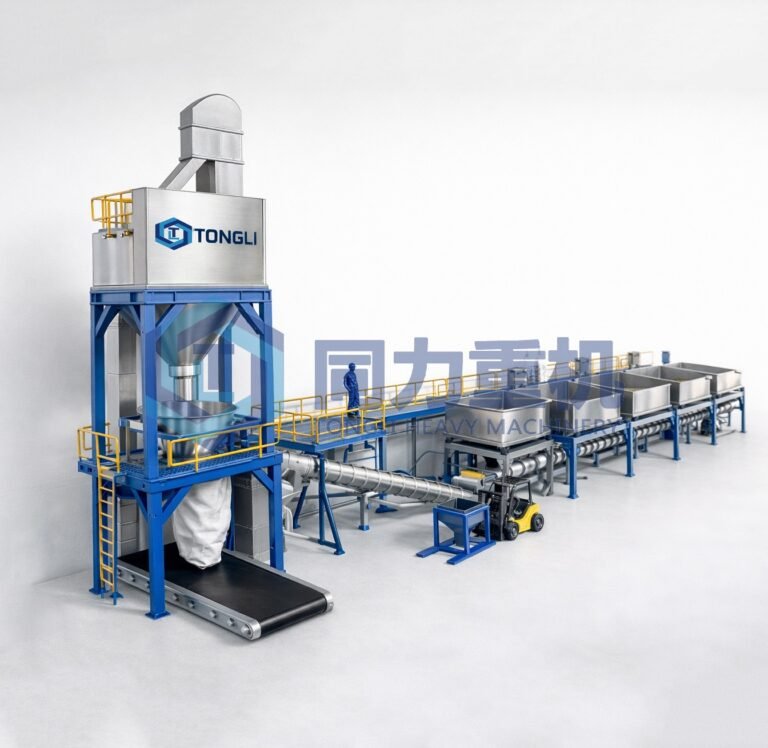
When planning a BB (Bulk Blending) fertilizer production line, the first and most critical step is to define the target annual capacity, because this directly determines the line configuration, equipment sizing, and investment level. Annual operating hours are typically calculated as either 4,800 hours or 7,200 hours, depending on the plant’s operating strategy: 4,800 h/year usually corresponds to a single-shift or 2-shift operation (e.g., 8–10 h/day with seasonal downtime, common for regional or start-up blenders), while 7,200 h/year reflects a near-continuous industrial operation (e.g., 20–22 h/day with limited maintenance shutdowns, typical for large commercial or export-oriented plants). For the same annual output, lower operating hours require higher hourly throughput, which means larger blenders, bigger storage bins, higher-capacity conveyors, faster loadout systems, and generally higher CAPEX; conversely, higher operating hours allow smaller equipment and lower instantaneous capacity, reducing equipment size and cost but increasing demands on automation, reliability, and maintenance planning. Therefore, confirming whether the design basis is 4,800 h or 7,200 h per year is essential
What types of blends will be produced per annum?
because the formulations directly determine the technical feasibility, process design, and equipment configuration of the plant. This confirmation should be evaluated from the following technical aspects:
- Formulation suitability – whether the selected raw materials are compatible in terms of particle size distribution, bulk density, hygroscopicity, segregation tendency, and chemical stability, ensuring the blend can be produced and stored without caking or separation;
- Number and allocation of bins/hoppers – each formulation dictates how many individual nutrients (N, P, K, secondary and micronutrients) must be stored and metered, which directly impacts the number, size, and layout of storage bins and dosing hoppers;
- Process flow selection – different formulations may require batch blending or continuous blending, pre-screening, coating, or dust control steps, influencing overall process logic and throughput;
- Equipment configuration – confirmed formulas define the required blender type, weighing accuracy (typically ±0.1–0.3%), feeder type, automation level, and expansion flexibility.
What blending and bagging capacity should the plant have?

In practice, our declining weight blending line capacity is typically 15–30% higher than the nominal capacity, because in reality there are seasonal peaks, formulation changeovers, maintenance downtime, and logistics, therefore by designing a bigger capacity than nominal capacity allows the plant to handle sudden order surges during peak application seasons without extending shifts or compromising blend accuracy; maintain stable mass-flow control and weighing precision by avoiding operation at 95–100% load continuously; compensate for unavoidable non-productive time such as raw material switching, bin cleaning, and bag size changes; and future-proof the investment by accommodating moderate market growth or new formulations without major equipment upgrades. From an engineering standpoint, oversizing critical units—such as declining-weight feeders, blender throughput, and bagging machines—improves operational flexibility, reduces mechanical stress, and lowers the unit production cost (USD/ton) over the plant’s lifecycle, making the overall BB fertilizer operation more reliable and commercially resilient. This is what we do different than other suppliers other supplier fail to reach their nonimal capacity while we alwasy surpass the nominal capacity.
At what rate per hour should it blend (the efficiency)?
Confirming the target blending speed at the feasibility stage ensures that the BB fertilizer line is technically matched, economically optimized, and capable of meeting both peak demand. . Blending speed (t/h or batches/h) determines the required hopper discharge rates, feeder accuracy class (typically ±0.3–0.5% for DW systems), mixer volume, and downstream load-out capacity; if underestimated, it creates bottlenecks and reduces annual throughput, while overestimation leads to oversized bins, higher capital cost, and poor blending homogeneity at partial loads. From a process standpoint, blending speed must match fertilizer bulk density (0.9–1.2 t/m³ typical), particle size distribution, and segregation sensitivity—high speeds with insufficient residence time increase segregation, especially in NPK blends with density differences >15%. Mechanically, it affects gate opening time, feeder response speed, load cell sampling frequency, and PLC recipe execution logic; exceeding the design blending speed degrades weighing accuracy and increases rework. Commercially, blending speed defines achievable annual output (t/year), peak season truck turnaround time, and labor efficiency, which directly impact ROI.
Does Your Country Have Regulations on BB Fertilizer Uniformity?
If an investor plans to build a fertilizer bulk blending plant, understanding the local regulations on blend uniformity is essential at the feasibility stage, because these requirements directly determine the type of blending line and level of technology that must be selected. In most markets, regulatory compliance is verified by random sampling and nutrient analysis, with typical allowable nutrient deviations in the range of ±0.3–0.5% per major component or within legally defined tolerance bands on the label declaration. To consistently meet these limits, the plant must be equipped with accurate weighing and controlled blending systems, such as declining-weight or loss-in-weight feeders combined with properly sized mixers. If uniformity regulations are strict, low-precision volumetric or manual systems will not be sufficient and may lead to non-compliant products, rejected shipments, or fines. Therefore, confirming uniformity regulations in advance is a data-driven decision that directly impacts equipment selection, capital investment, operating cost, and long-term market access. For more details about fertilizer unifromity please check out this article: "What affects the fertilizer blending plant product uniformity?" and then in order to kept the uniformity we need to ensure the precision of blending please see below.
How precise should the blends and bag weights be (the accuracy)?
Blend Ratio Accuracy
For a professional BB fertilizer plant, individual nutrient component accuracy should typically be within ±0.3–0.5% per ingredient by weight, measured at the feeder or declining-weight hopper level. High-end declining weight (DW) or continuous loss-in-weight systems can achieve ±0.25%, while well-designed volumetric systems generally fall in the ±1.0% range. This level of precision is required because nutrient misproportioning compounds across multiple ingredients—an error of ±1% per component in a 4-bin blend can result in a final N-P-K deviation exceeding regulatory tolerance and customer contract specifications. Achieving this accuracy depends on stable mass flow, correct feeder response time, load-cell resolution, and real-time PLC correction, not just the mixer itself.
Batch Weight Accuracy
The total batch weight accuracy for bulk blends should be ±0.25–0.5% of target batch weight, especially for plants loading directly into trucks or big bags. For example, on a 5-ton batch, this translates to a permissible deviation of ±12.5–25 kg. This accuracy ensures consistent nutrient delivery per tonne and prevents cumulative over- or under-delivery across multiple loads. Declining-weight batch systems typically outperform volumetric systems here because each ingredient is weighed independently and the final batch is mass-verified before discharge. There are two types of weighing, one is static and one is dynamic for detail please check out our previous article: "Batch Static weighing blending vs continuous dynamic weighing blending system"
Bag Weight Accuracy
For bagging operations, accuracy expectations are more stringent due to legal metrology requirements. 25–50 kg small bags: typically ±0.2–0.3% (±50–150 g). 500–1,000 kg big bags: typically ±0.25% (±1.25–2.5 kg). These tolerances align with common OIML and national weights-and-measures standards. Achieving this requires fast-response weigh hoppers, two-stage filling (coarse + dribble), and vibration isolation to prevent dynamic load errors during filling.
How flexible should the plant be to multiple kinds of blend specification and quantity requests?
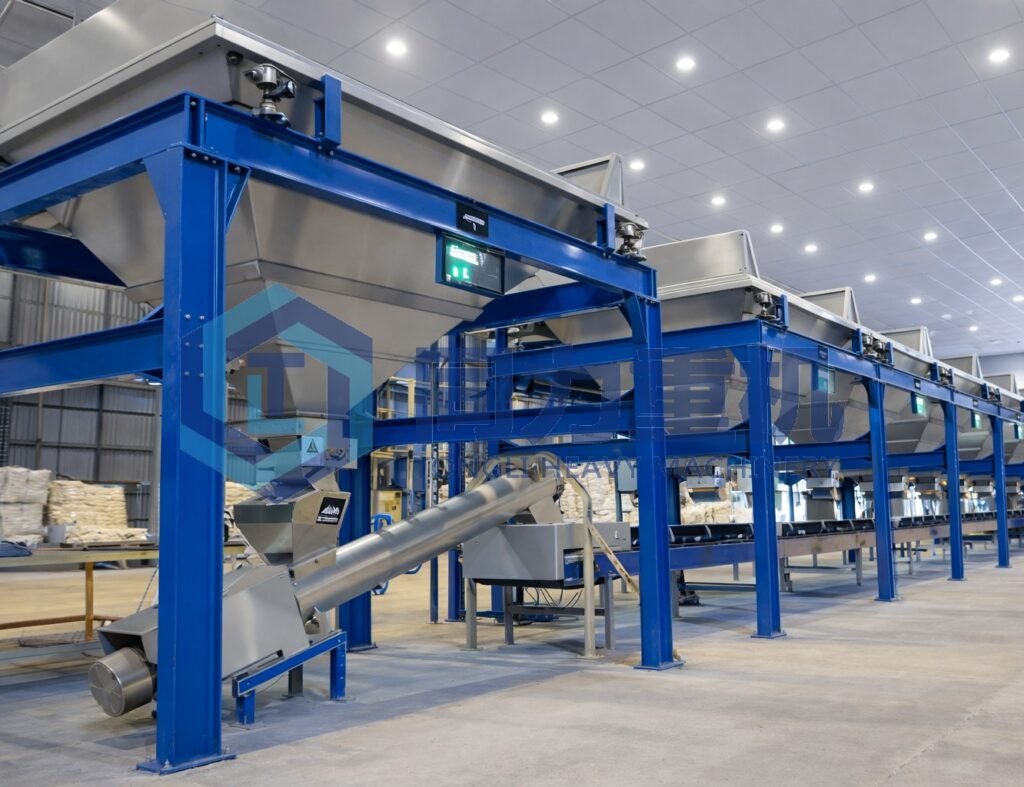
Our blending system is engineered to be highly flexible in both formulation and order size, allowing it to handle dozens of blend specifications and widely varying quantity requests without mechanical changes. Our system can store and execute 20-50+ PLC-managed recipes, accurately scaling ingredient ratios from small custom batches (2-5 t) to full-capacity runs (up to 25 t per batch) while maintaining ±0.3–0.5% component accuracy. Each raw material bin is independently metered, enabling rapid recipe changeover, partial bin draws, and variable discharge rates to support mixed production schedules—such as multiple custom blends in one shift followed by high-volume standard grades. This flexibility is built into the mechanical design (fast-response gates, stable mass flow, and proper residence time) and control logic, ensuring consistent blend quality.
Which operating system should the plant have: manual or automated?
In practical terms, manual BB blending lines may still be acceptable in rural or remote areas of Africa where production volumes are small, labor costs are low, power supply is limited, and customers have minimal requirements for nutrient accuracy or batch consistency. However, once production is scaled up or the market places clear requirements on finished product quality, nutrient tolerance, packaging uniformity, or traceability, an automated system becomes the only rational choice.
automated BB blending plant
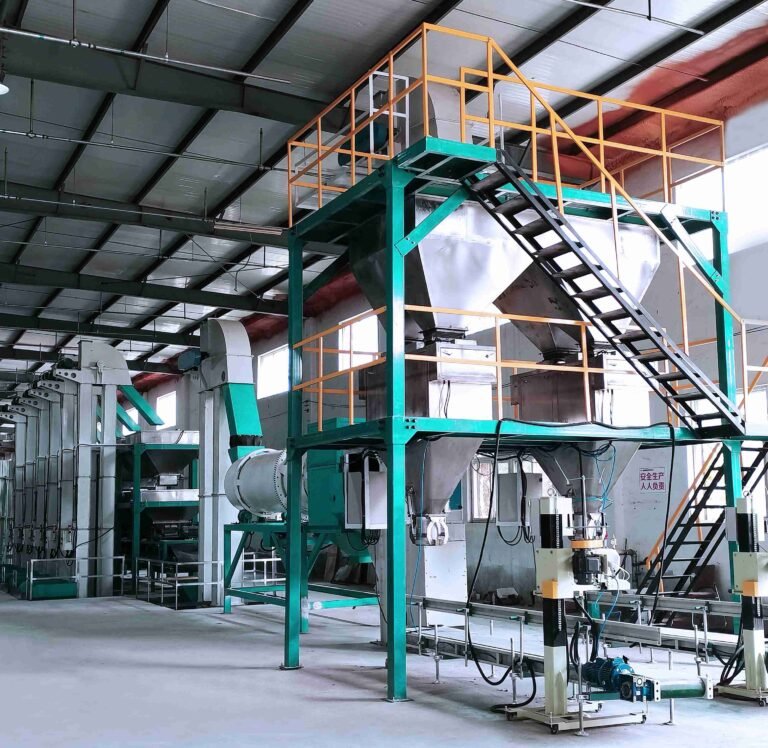
An automated BB blending plant equipped with a PLC-controlled declining-weight or batch weighing system has become a minimum requirement for commercially competitive operations. Such systems routinely achieve ±0.2–0.5% dosing accuracy, ensure repeatable batch-to-batch consistency, and support significantly higher production capacities—typically 20 to 60+ t/h depending on system layout and number of bins. Automation enables rapid formula switching, centralized recipe management, real-time production monitoring, and seamless integration with automatic bagging lines or bulk truck/rail loadout. For plant owners operating in markets with rising labor costs, stringent quality standards, diversified product SKUs, or distributor accountability requirements, automation is no longer an upgrade option but a strategic necessity to secure competitiveness, product traceability, regulatory compliance, and sustainable long-term ROI.
Manual-controlled BB fertilizer blending line
A manual-controlled BB fertilizer blending line is a simplified production system in which blending operations are predominantly performed by operators, assisted by basic conveying, mixing, and weighing equipment to proportion and blend different straight fertilizers before final packaging. The core process typically includes manual material feeding, manual adjustment of blend ratios, visual or experience-based monitoring of mixing uniformity, and manual start–stop control of equipment, without reliance on complex automation systems or sensors. Due to its simple structure, low capital investment, and low technical entry threshold, this type of blending line is well suited for small to medium fertilizer distributors, rural agro-dealers, and small-batch customized production scenarios—such as site-specific BB fertilizer formulation for particular soil nutrient requirements—especially in regions with fragmented demand, limited batch sizes, and budget-constrained start-up operations where flexibility and ease of maintenance are prioritized over high throughput and precision automation.
What pack sizes will be used for the finished product
If you’re a future BB fertilizer blending plant owner, think about pack size from a market-first, profit-first angle. If you’re selling through agro-dealers and rural retail channels, 25 kg and 50 kg bags are the bread-and-butter—but they only make sense if your weighing and bagging are accurate, otherwise shortages and customer complaints will eat your margins. If your customers are commercial farms or cooperatives, 500 kg or 1,000 kg big bags are far more efficient, with lower packaging and handling costs per ton. And if you’re supplying large distributors or doing high-volume contracts, bulk loading is the cheapest and fastest option by far. The smart move is to set up your BB blending plant so it can handle multiple pack sizes on one system, giving you the flexibility to chase different markets without rebuilding your line every time demand shifts. Whether you want small retail packs like 5 kg, 25 kg, or 50 kg, large ton bags (500–1,000 kg), or direct bulk loading straight into trucks, we’ve got you covered. Our BB fertilizer blending systems are designed to handle all packing sizes on one flexible line, so you can switch between retail bags, big bags, or bulk loadout without changing your core equipment. No matter how your market sells fertilizer today or tomorrow we make sure your plant is ready to deliver.
What are the dimensions of the fertilizer blending plant?
Small manual blending lines typically operate at 0.5–2 t/h and require 30–80 m² for the production area or 100–200 m² including simple raw-material and finished-product storage, suitable for small dealers and township-level operations. Medium automated blending lines run at 3–10 t/h, with multi-bin dosing and conveying systems, and require approximately 150–400 m², making them appropriate for regional fertilizer producers. Large-scale automated plants are designed for 80-100 t/h, integrate automated batching, intelligent packaging, and full logistics areas, and typically occupy 500-800 m² or more, serving large manufacturers with high-volume, standardized production requirements.
Small-scale manual blending line
The typical production capacity ranges from 0.5 to 2 t/h. Core equipment is limited to a manual raw-material feeding station, a small blender (drum or paddle type), and a weighing and bagging scale. If no dedicated raw-material storage bins or finished-product warehouse are included, the pure production area requires only 30–80 m² (approximately 8–15 m in length and 3–6 m in width). When a simple raw-material stacking area and a temporary finished-product storage area are added, the total space requirement increases to about 100–200 m², making this configuration suitable for township agro-dealers and small fertilizer processing workshops.
Medium-scale automated blending line
This configuration typically operates at 3–10 t/h and is equipped with a multi-bin dosing system, continuous or batch blending equipment, belt conveyors, and a finished-product stacking or palletizing area. The equipment is usually arranged in a step-type or semi-vertical layout, with sufficient space reserved for maintenance access and raw-material buffer bins. The overall space requirement is generally 300–800 m², which is well suited for regional fertilizer producers supplying multiple local markets.
Large-scale industrial 100 tph fertilizer blending line
Large systems are designed for 100-120 t/h and incorporate fully automated batching, online monitoring or quality control, intelligent bagging and palletizing systems, as well as standardized raw-material warehouses, finished-product storage, and truck loading/unloading zones. Due to the integration of logistics and storage functions, the total land requirement can reach 1,000–3,000 m² or more, meeting the demands of large fertilizer manufacturers engaged in high-volume, standardized production.
How will raw materials that are brought be stored in the warehouse?
In BB fertilizer blending plants, raw-material feeding methods are mainly determined by packaging form, plant scale, and automation level. The common feeding options include the following:
Small bag feeding (25–50 kg bags)
Materials are manually opened and fed into a receiving hopper or feeding platform. This method is simple and low-cost but highly labor-intensive, with limited feeding efficiency. It is mainly used in manual or small-scale BB blending lines and in markets where fertilizers are supplied primarily in small bags.
Big bag (ton bag / FIBC) feeding (500–1,000 kg)
Ton bags are lifted by a crane or forklift and discharged through a big-bag unloading station equipped with dust collection and flow-aiding devices. This method greatly reduces labor, improves cleanliness, and provides more stable material flow, making it common in medium to large automated BB blending plants.
Bulk material feeding (silos or bulk trucks)
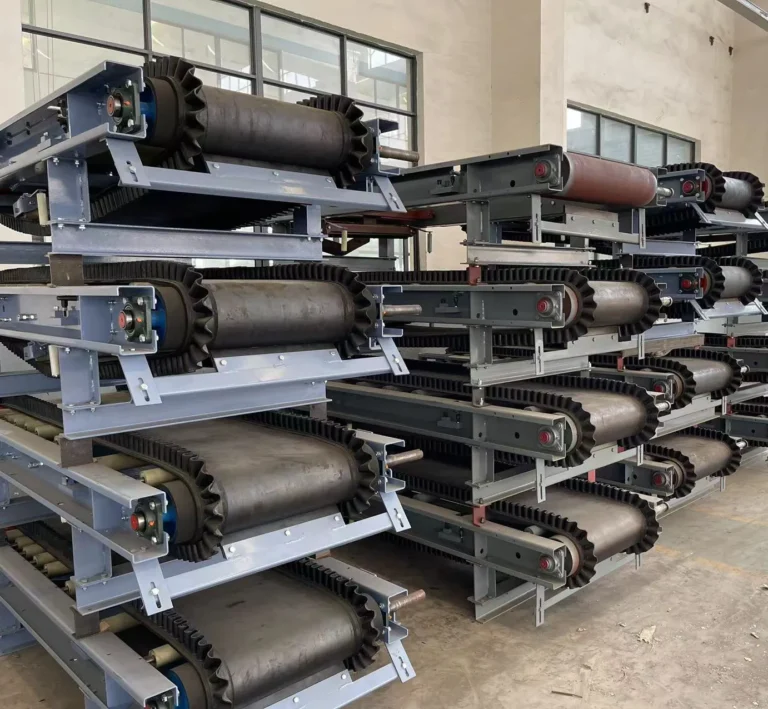
Fertilizers are delivered in bulk and transferred via belt conveyors, bucket elevators, or pneumatic systems into storage bins or day bins. This is the most efficient feeding method, suitable for high-capacity, fully automated plants, and offers the lowest operating cost per ton.
Will the raw materials be conditioned i.e., lump breaking, screening etc.?
BB fertilizer raw materials may require conditioning, but the extent of conditioning depends on raw-material quality, storage conditions, and the accuracy and flowability requirements of the blending system. In professional BB blending plants, raw materials are normally pre-treated only when necessary, since BB fertilizers are intended to remain as physical blends rather than chemically processed products. Lump breaking (crushing) is applied when materials have caked during storage or transport, to restore free-flowing particle size and ensure stable feeding into weighing hoppers. Screening may be used to remove oversize lumps, fines, or foreign materials that could cause segregation, weighing errors, or conveyor blockages. In higher-capacity or automated declining-weight systems, proper conditioning is especially important because inconsistent particle size or poor flowability directly affects weighing accuracy and blend uniformity. Therefore, while not all BB plants require full conditioning lines, lump breakers, screens, and flow-aid devices are considered best practice when raw material quality is variable or when strict finished-product consistency is required.
Will a loading equipment be provided for the blending and bagging operations?
Before designing or building a bulk blending fertilizer plant, it is essential to clearly define the raw material loading and feeding methods to be adopted. The selected loading type directly impacts plant layout, equipment configuration, automation level, labor requirements, and overall operating cost. By confirming whether materials will be handled by wheel loaders, manual bag feeding, big bag systems, or automated bins and silos at the early stage, the blending and bagging equipment can be properly engineered and adjusted to ensure stable throughput, accurate dosing, and long-term operational efficiency.
Wheel Loader Feeding System
For bulk blending fertilizer plants handling loose bulk raw materials such as urea, DAP, MAP, potash, and limestone, a wheel loader is the most commonly adopted loading solution. The loader feeds material from ground stockpiles or storage bays into receiving hoppers, intake pits, or belt conveyors. Typical bucket capacities range from 2.5 to 5.0 m³, allowing short-cycle loading capacities of approximately 150–300 t/h depending on material bulk density. This method offers maximum operational flexibility and is well suited for medium to large-capacity BB fertilizer plants, especially where multiple raw materials and frequent formulation changes are required.
Big Bag Feeding with Electric Hoist
For plants using FIBC big bags (500–1,000 kg), an electric hoist-based feeding system provides a practical semi-mechanized solution. The big bag is lifted by an electric hoist or monorail crane and positioned over a dedicated big bag unloading station equipped with dust collection and flow-assisting devices such as vibrators or lump breakers. Material is discharged by gravity into downstream screw or belt feeders. This method reduces manual handling, improves cleanliness, and is commonly applied in small to medium BB fertilizer plants with capacities of 10–40 t/h.
Forklift-Assisted Big Bag Unloading
In facilities where forklifts are already available, big bag unloading frames combined with forklift handling offer a flexible and cost-effective loading option. The forklift lifts and positions the big bag onto the unloading frame, allowing controlled discharge into the process line. This approach supports moderate production capacities, typically ranging from 10 to 40 t/h, and is particularly suitable for plants with frequent product changes or limited building height. Proper operator training and safety procedures are essential to ensure stable and accurate feeding.
Storage Bin or Silo Feeding System
For high-capacity and highly automated bulk blending fertilizer plants, raw materials are stored in dedicated bins or silos and discharged through controlled feeding devices such as belt feeders, screw feeders, or weigh belts. This configuration enables stable, repeatable feeding and is fully compatible with declining weight or batch blending systems. While the initial filling of silos typically still relies on wheel loaders or truck unloading systems, this approach significantly reduces labor during production and supports continuous operation at capacities exceeding 50 t/h. It is the preferred solution for large commercial blending facilities with stringent accuracy and efficiency requirements.
Manual Bag Feeding
Manual feeding is generally applied in small-capacity bulk blending or bagging operations, particularly for micro-nutrients, additives, or low-ratio components. In this configuration, operators manually open 25–50 kg bags and feed the material directly into small hoppers or weighing bins. This method requires minimal capital investment and is suitable for production rates typically below 10–15 t/h. However, manual feeding is labor-intensive and not recommended for continuous or high-throughput operations due to limitations in consistency, productivity, and workplace ergonomics.
What are the types of primary, secondary and micronutrients needed?
Primary nutrients consist of nitrogen (N), phosphorus (P), and potassium (K), commonly sourced from urea, ammonium sulfate, ammonium nitrate, DAP, MAP, TSP, and muriate or sulfate of potash (MOP/SOP). Secondary nutrients include calcium (Ca), magnesium (Mg), and sulfur (S), usually introduced through materials such as gypsum, dolomite, limestone, magnesium sulfate, or sulfur-bearing fertilizers like ammonium sulfate and SOP. Micronutrients, required in smaller but precise quantities, typically include zinc (Zn), boron (B), iron (Fe), manganese (Mn), copper (Cu), and molybdenum (Mo), supplied as granular, prilled, or coated carriers to ensure blend uniformity and compatibility.
Primary Micronutrients used:
- Zinc (Zn): Zinc is a key component of many plant enzymes and plays a critical role in photosynthesis, auxin synthesis, and carbohydrate metabolism. It is essential for crops such as maize, rice, cotton, and fruit trees, particularly in high-pH or calcareous soils where zinc availability is limited. In bulk blending fertilizers, zinc is commonly added in the form of zinc sulfate or zinc oxide. The typical inclusion rate ranges from 0.2% to 0.5% Zn by weight, providing effective correction of zinc deficiency while maintaining blend uniformity.
- Boron (B): Boron is primarily involved in reproductive development, including pollen germination, flowering, and fruit set, and also influences cell wall formation and carbohydrate transport. It is especially important for crops such as oilseed rape, cotton, tomatoes, and citrus. Due to its narrow margin between deficiency and toxicity, boron must be precisely dosed in BB fertilizers. Common sources include boric acid and borax, with typical addition rates of 0.1% to 0.3% B by weight, depending on crop sensitivity and soil conditions.
- Iron (Fe): Iron is essential for chlorophyll formation and functions as a key element in photosynthetic and respiratory electron transfer systems. Iron deficiency commonly occurs in alkaline or saline soils, resulting in interveinal chlorosis, particularly in vegetables, fruit trees, and cereals. In bulk blending fertilizers, iron is supplied either as ferrous sulfate or as chelated forms such as EDTA-Fe, which offer significantly higher plant availability. Typical iron addition levels range from 0.3% to 0.8% Fe by weight, with chelated iron preferred for high-pH soils.
- Manganese (Mn): Manganese plays an important role in the light reactions of photosynthesis, enzyme activation, and nitrogen metabolism. It is beneficial for crops such as wheat, maize, potatoes, and legumes. Manganese deficiency is most common in sandy or alkaline soils. In BB fertilizer formulations, manganese is typically added as manganese sulfate, with recommended inclusion rates of 0.2% to 0.6% Mn by weight. Balanced application is important to avoid antagonistic interactions with iron and zinc.
Secondary Micronutrients used:
- Copper (Cu): Copper is a structural component of several oxidative enzymes and is involved in respiration, lignin synthesis, and protein metabolism. It contributes to improved crop stress tolerance and disease resistance, particularly in cereals and perennial crops. Copper deficiency is relatively uncommon and usually limited to highly sandy or organic-matter-deficient soils. In bulk blending fertilizers, copper is added in the form of copper sulfate or copper oxide, generally at low rates not exceeding 0.2% Cu by weight, as excessive copper can be phytotoxic.
- Molybdenum (Mo): Molybdenum is essential for nitrogen metabolism, serving as a key component of nitrate reductase and nitrogenase enzymes. It is particularly critical for legumes, where it supports biological nitrogen fixation, and also enhances nitrogen use efficiency in cereals. Molybdenum is applied in BB fertilizers at extremely low levels, typically as ammonium molybdate or sodium molybdate, with inclusion rates ranging from 0.005% to 0.02% Mo by weight, depending on crop demand and soil pH.
- Chlorine (Cl): Chlorine participates in the water-splitting reaction of photosynthesis and contributes to osmotic regulation and disease resistance in certain crops. Chlorine-responsive crops include sugar beet, barley, and spinach, while others such as tobacco, potatoes, and citrus are chloride-sensitive. Since potassium chloride (MOP) is a common potassium source in BB fertilizers, chlorine is usually supplied incidentally rather than intentionally. Targeted chlorine supplementation is only applied in specific crop formulations and must be carefully controlled to avoid yield or quality losses.
Which type of micronutrient will be used?
Clarifying in advance which micronutrient form will be used (liquid, powder, or granules) is important because each form requires different feeding, dosing, and blending equipment. Granular micronutrients can be handled by standard hoppers and weigh feeders, while powders require sealed micro-dosing systems with agitation and dust control, and liquids require storage tanks, metering pumps, and spray systems integrated with the blender. Since micronutrients are added at very low rates, using the wrong system will lead to poor accuracy, uneven distribution, and operational problems. Defining the micronutrient type early ensures the blending plant is correctly designed, avoids costly modifications later, and guarantees stable product quality and reliable operation.
Do you anticipate the utilization of liquid micronutrients?
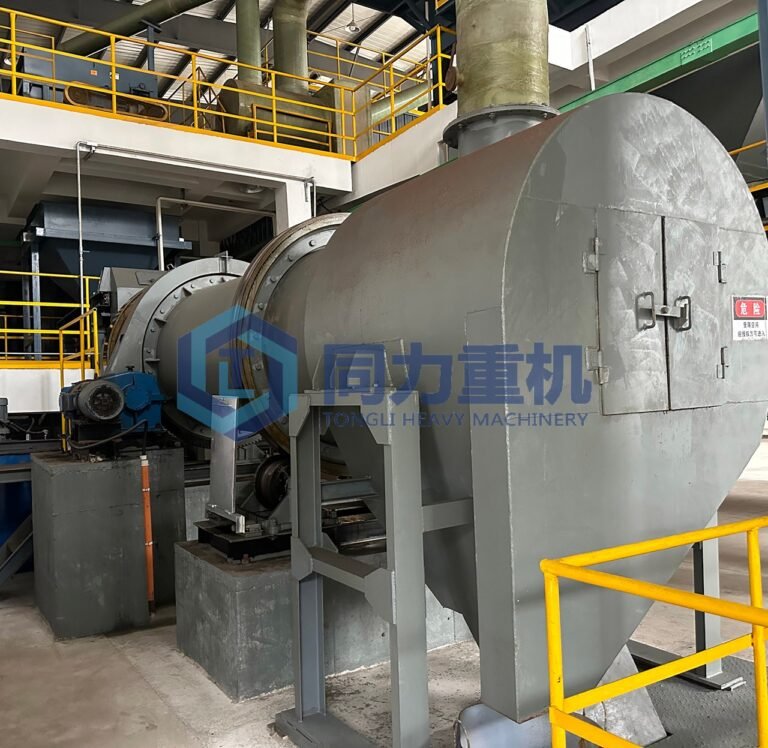
When liquid micronutrients are used, the system must include a dedicated impregnation device designed to accurately apply and evenly distribute liquids onto dry granular fertilizers without causing caking or segregation. The impregnation device has many kind, a rotary drum, paddle mixer, or conditioning blender equipped with precision metering pumps, flow meters, and atomizing spray nozzles. Liquid micronutrients are sprayed as a fine mist onto the moving fertilizer bed to ensure uniform coating and rapid absorption. The drum or mixer must provide sufficient retention time and gentle agitation so that the liquid is fully absorbed by the carrier granules rather than remaining on the surface. From an equipment standpoint, the system should include corrosion-resistant liquid storage tanks, positive-displacement dosing pumps with adjustable flow rates, and PLC-based control synchronized with the blender throughput. Anti-drip nozzles, easy-clean spray headers, and optional drying or conditioning sections are recommended to prevent build-up and moisture-related issues.
Which other materials may be added to the blends?
functional additives may be incorporated into bulk fertilizer blends to improve handling, storage stability, nutrient efficiency, and crop response. These materials are typically added at low inclusion rates and must be compatible with the blending system.
- Anti-dust agents are commonly applied as light oils or polymer-based liquids to reduce fines and dust generation during blending, conveying, and loadout. They improve workplace safety and reduce material loss, and are usually applied through spray systems at rates of 0.1–0.3% by weight.
- Anti-caking agents are used to prevent agglomeration during storage and transportation, especially in humid climates or when using hygroscopic materials such as urea or ammonium nitrate. These additives may be mineral powders or liquid coatings and are typically applied at 0.2–0.5%, depending on formulation and storage duration.
- Nutrient efficiency enhancers, such as urease inhibitors and nitrification inhibitors, are added to reduce nitrogen losses from volatilization and leaching. These are normally liquid or fine powder additives applied through impregnation or micro-dosing systems at very low rates, often below 0.1%, but with significant agronomic impact.
- Biostimulants, including humic and fulvic acids, seaweed extracts, amino acids, and beneficial microbial products, may also be blended or impregnated depending on their physical form. These additives are used to enhance root development, nutrient uptake, and stress tolerance, and require careful dosing and uniform distribution to maintain product consistency and effectiveness.
What season(s) should the products be provided?
BB Bulk blending fertilizers are not restricted to a specific season. Their application timing depends primarily on crop type, growth stage, nutrient formulation, and water availability, rather than on the fact that the fertilizer is bulk blended. Therefore, different BB fertilizer formulations are not necessarily applied at the same time, even if they are produced in the same blending plant.
Application in Rainy Season Farming
In rainy or monsoon-based farming systems, BB fertilizers are most commonly applied before planting or at early crop establishment, when rainfall helps dissolve nutrients and move them into the root zone. Typical rainy-season BB formulations emphasize readily available nitrogen (N) for early vegetative growth, phosphorus (P) to support root development, and potassium (K) to enhance stress tolerance and disease resistance. However, high rainfall increases the risk of nitrogen leaching and volatilization, especially on light or sandy soils. For this reason, rainy-season BB fertilizers often include ammonium-based nitrogen sources, sulfur-containing fertilizers, or nitrogen stabilizers (urease or nitrification inhibitors) to improve nutrient use efficiency and reduce losses.
Application in Dry Season or Irrigated Farming
BB fertilizers are equally applicable in dry season agriculture, provided irrigation is available. In these systems, nutrient and water supply are more controlled, allowing for more precise fertilizer timing and placement. BB formulations used in dry seasons often place greater emphasis on potassium, sulfur, magnesium, and micronutrients, which improve water use efficiency, photosynthesis, and crop quality. Because nutrient mobility is lower under limited soil moisture, BB fertilizers in dry-season farming are often applied in split doses or banded closer to the root zone, rather than broadcast in a single application. This approach maximizes nutrient uptake while minimizing waste.
Base Fertilizer vs. Topdressing Formulations
Not all BB fertilizers are intended for the same growth stage. As a result, different BB fertilizer formulas are applied at different times, even within the same cropping cycle.
- Base (basal) BB fertilizers are applied before planting or at sowing and usually contain higher phosphorus levels and moderate nitrogen.
- Topdressing BB fertilizers are applied during rapid vegetative growth and are richer in nitrogen and potassium.
- Specialty BB formulations may target flowering, fruit setting, or grain filling stages and are applied later in the season.
Seasonal Flexibility of BB Fertilizers
One of the key advantages of BB fertilizers is their high formulation flexibility. They can be designed for:
- Rainfed cropping systems
- Irrigated dry-season production
- Single-season or multiple-season cropping
- Specific soil and climate conditions
This means BB fertilizers can be used in the rainy season, dry season, or both, as long as the formulation and application timing are aligned with crop demand and moisture availability.
Available services of plant suppliers
Do they provide after sales services?
Yes. Tongli Heavy Machinery provides comprehensive after-sales support covering the full lifecycle of the equipment. Our services include installation supervision, commissioning, fertilizer blending plant operator training, and maintenance guidance. During installation, our engineers ensure all mechanical, electrical, and control systems are correctly assembled and aligned with the design parameters. Commissioning includes test runs, calibration of weighing and dosing systems, and verification of plant performance. Operator and maintenance training is provided on-site to ensure safe operation, accurate blending, and long-term equipment reliability.
In case there are after sales services: are they available in your country or is all service remotely?
Our after-sales services are provided through a combination of on-site and remote support. When required, Tongli engineers can arrive at the project site within 72 hours to handle installation, commissioning, or critical troubleshooting. In addition, our technical team remains online at all times for remote support, including video calls, live troubleshooting, PLC diagnostics, and operational guidance. This hybrid service model ensures rapid response while minimizing downtime and operating risk for the customer.
Are spare parts available in stock or through quick shipments?
Yes. Spare parts availability is a key part of our service strategy. Core electrical and control components used in our systems are internationally recognized brands such as Omron, HBM, Siemens, Toledo, and other globally available suppliers. These parts are either kept in stock or can be sourced quickly from local or regional markets. Furthermore, Tongli supplies a recommended spare parts and consumables package together with the equipment, ensuring that common wear parts and critical items are immediately available on-site. This approach allows customers to resolve most issues locally without waiting for overseas shipments, significantly reducing downtime.
What is the available budget to purchase a plant?
Before setting up a fertilizer blending line, you need to consider the equipment material specifications like in carbon steel or in stainless steel, production capacity, and brand selection, these factors will affect the price of the prodction line directly.
The budget range for a cost-effective and scalable BB fertilizer production line typically falls between USD 40,000 and USD 400,000, with material selection being the primary cost driver and plant capacity matched to actual market demand. Carbon steel Q235 is the most economical option and generally represents about sixty percent of the cost of stainless steel, while stainless steel is required in applications involving corrosive raw materials such as chloride-rich fertilizers or chelated micronutrient blends.
For a standard production capacity of 10 tons per hour, corresponding to an annual output of approximately 50,000 to 60,000 tons and suitable for most medium-sized fertilizer producers, the typical investment level ranges from USD 85,000 to USD 120,000. In this configuration, a hybrid material approach is commonly adopted. Carbon steel is used for structural components including frames, silo outer shells, and conveying equipment, while stainless steel is applied to key material-contact components such as batching hoppers, weighing units, and internal liners of the mixing drum.
This optimized material configuration achieves a balance between cost control and long-term durability. Stainless steel components generally account for 35 to 40 percent of the total equipment value, equivalent to approximately USD 30,000 to USD 48,000, with the remaining portion attributed to carbon steel structures and auxiliary equipment.
Conclusion:
Building and investing in a fertilizer bulk blending plant is not only an equipment purchase, but a long-term operational and commercial decision. Key factors such as target production capacity, fertilizer formulations, raw material characteristics, material of construction, automation level, and component quality must be clearly defined before project execution. Each decision directly affects blending accuracy, plant reliability, operating cost, and future scalability. By clarifying these technical and investment considerations in advance, investors can avoid over- or under-sizing, reduce hidden costs, and achieve a balance between upfront capital expenditure and long-term return on investment. For more detials about what to check if it is suitable to invest in a fertilizer blending line please check out our next article: "How to set up a fertilizer blending plant"