


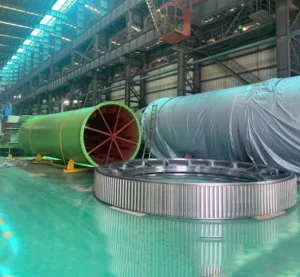

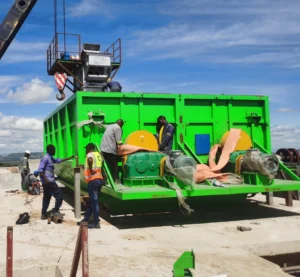


What is Screw Mixer Fertilizer Declining Weight Blending System?
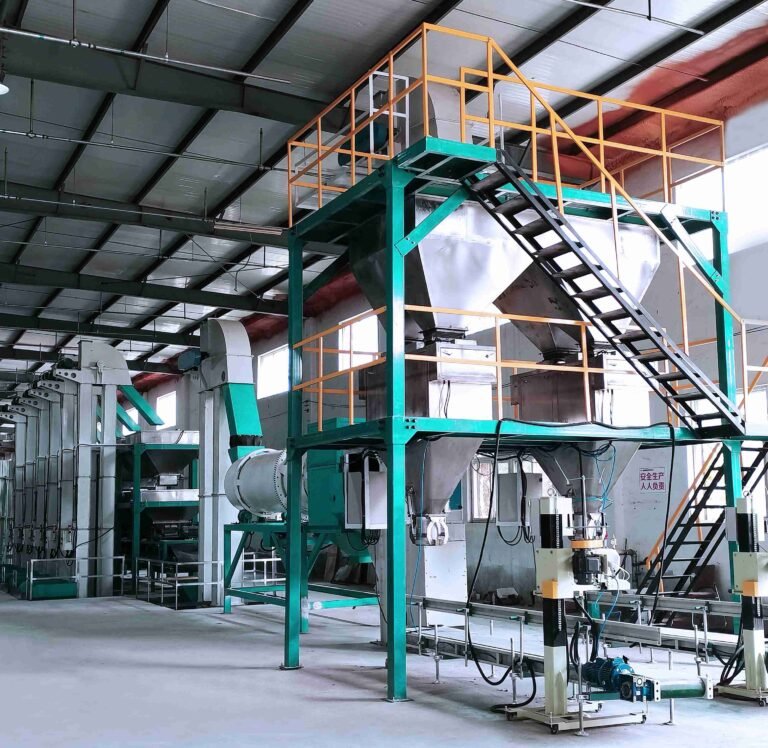
The TONGLI "Accu-BB-Blend" Srew Mixer Declining Weight Blender consists of 4~5 ss304 stainless steel weigh hoppers(5~12 MTON capacity each) that continuously and accurately discharge material into a drag chain scraper conveyor installed underneath. As materials are conveyed forward, a screw conveyor mixing machien ensures thorough mixing, producing a homogeneous blend before discharge to the ton bag packaging machine or 25kg/50kg bag packing machine. The entire system is controlled by a Siemens PLC-based intelligent control panel with a user-friendly touchscreen interface, making operation simple and intuitive, even for grandma grandpa with minimal technical experience. In addition to high accuracy and ease of operation, the TONGLI Declining Weight Blending System maintains excellent production efficiency. Depending on the formulation, a 20,000-pound (≈10-ton) batch can typically be completed within 5 minutes, without compromising blend uniformity. Field data from our customer shows that total blending deviation is often kept within ±0.2% (2‰) of the target weight, providing consistent and reliable results for demanding applications. The control system is built using standard, off-the-shelf famous brand components like Omron, HBM, Toledo, Suncells, ensuring easy replacement from Amazone and long-term availability of spare parts. It is also fully scalable, allowing additional major or micro ingredient bins to be integrated in the future without replacing the main PLC hardware. This flexible design minimizes future upgrade costs while protecting the customer’s initial investment.
What are the features of "Accu-BB-Blend" DW Declining Weight Blend System?
99.5% accuracy
The TONGLI Declining Weight (DW) Blending System achieves high and stable weighing accuracy of typically ±0.3% to ±0.5%, comparable to international brands such as AGI, Sackett-Waconia, and BagTech, by using original HBM or METTLER TOLEDO load cells that are NTEP-certified for trade-approved weighing applications. Combined with high-speed PLC signal processing and real-time weight-loss algorithms, the system continuously monitors material discharge and automatically compensates for flow variation, vibration, and hopper refill influence. This results in precise nutrient ratios, excellent batch-to-batch consistency, reduced giveaway, and reliable long-term performance, making the TONGLI DW system a proven solution for high-capacity fertilizer blending lines requiring both accuracy and durability.
True continuous blending

The TONGLI “Accu-BB-Blend” Declining Weight (DW) System is a true continuous blending solution, eliminating traditional batching and conventional mixer limitations by feeding, weighing, and blending all components simultaneously in real time. Using precision rotary valves, flat wire chain feeders, and metering augers, the system accurately meters materials from ounces-per-minute up to tons-per-hour, automatically adjusting feed rates based on real-time weight-loss signals to maintain a consistent formulation throughout production. Variable speed control allows precise flow modulation for both micro and macro ingredients, while stainless steel construction ensures corrosion resistance, long service life, and easy cleaning between product changes. With uninterrupted operation, fast response control, and simplified maintenance, the Accu-BB-Blend system delivers uniform product quality, higher throughput, and superior efficiency for modern high-capacity fertilizer blending plants.
Declining Weigh technology
The TONGLI Declining Weight (DW) Blending System automatically adjusts for material density changes by measuring actual weight loss in real time instead of relying on fixed volume or flow assumptions. When bulk density, particle size, or material flow characteristics change, the system instantly corrects the feed rate to keep the blend ratio accurate without operator intervention. This eliminates common errors caused by density variation, reduces off-spec product, and ensures consistent fertilizer quality from start to finish, even when raw material conditions are not uniform.
Multi-feed blend system
The Declining Weight (DW) Multi-Feed Blend System allows multiple raw materials up to 10 to be fed, weighed, and blended at the same time through independent declining weight feeders. Each ingredient is controlled separately based on real-time weight loss, ensuring accurate proportions for both macro and micro components in a single continuous process. This multi-feed design increases formulation flexibility, supports complex fertilizer recipes, and maintains consistent blend quality without stopping production or switching batches.
Ranging hopper sizes
The TONGLI Declining Weight (DW) Blending System offers a full range of hopper sizes, including 6, 8, 10, 12, 15, up to 30 ton hoppers, allowing customers to configure the system precisely to their plant capacity, layout, and formulation requirements. Each hopper is engineered for stable material flow and accurate weight measurement, ensuring consistent performance across both low- and high-throughput applications. Hopper size can be selected to match wheel loader bucket capacity and dumping height, reducing spillage during loading, improving safety, and ensuring smooth, efficient refilling. Larger hoppers increase refill intervals and reduce loader operating frequency, minimizing production interruptions, while smaller hoppers support faster refill cycles where space or headroom is limited. This flexible hopper configuration helps optimize material handling efficiency, plant uptime, and continuous blending performance.
Modular hopper design/add-on hopper capability
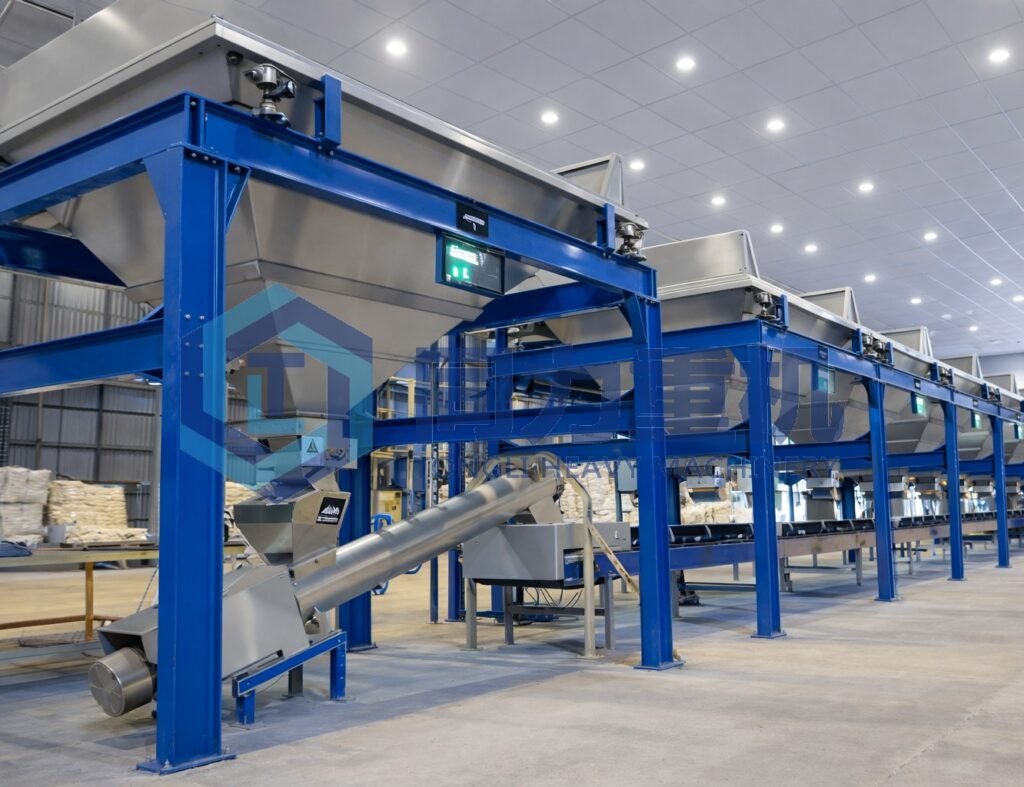
Our Fertilizer blender with continuous weighing adopts a modular hopper design with true add-on expansion capability, allowing customers to start with a smaller configuration and expand capacity later as production demand grows. For example, a 3-hopper system typically provides a total live capacity of about 40–50 tons; by adding one additional hopper, total system capacity can be expanded to approximately 60–80 tons. A 5-hopper configuration can reach 100–120 tons of total hopper capacity, supporting higher throughput and longer continuous run time between refills. Each hopper is designed as an independent module, making on-site expansion simple without major structural changes or replacement of the original system. This modular approach gives customers maximum flexibility to invest step-by-step, adapt to new products or formulas, and scale production efficiently over time.
Double-welded 304 stainless-steel hoppers
The TONGLI Declining Weight (DW) Blending System features double-welded 304 stainless-steel hoppers, where all critical seams are welded on both the inside and outside to ensure maximum structural strength, leak prevention, and long-term stability under continuous loading conditions. All welding is performed by ASME-certified welders following qualified welding procedures to guarantee consistent weld penetration and mechanical integrity. After fabrication, each hopper undergoes inspection by ASNT(American Society of Non-destructive Testing)-certified quality inspectors using approved non-destructive testing methods like ultrasonic testing to verify weld quality and eliminate hidden defects. Final surface treatment includes stainless-steel pickling and controlled sand blasting to remove heat-affected discoloration, improve corrosion resistance, and ensure a smooth internal surface that promotes clean material flow and easy cleaning. This manufacturing process ensures durable construction, stable weighing performance, and long service life in demanding fertilizer blending environments.
304 stainless-steel heavy-duty tubular base frame
Multi-Blender Declining Weigh blend system uses a 304 stainless-steel heavy-duty tubular base frame that can be supplied as either a one-piece welded structure or a bolt-together modular frame to reduce shipping cost. The bolted frame design makes transportation easier and also allows future expansion, such as adding new hoppers or upgrading to larger hopper sizes without replacing the entire base. All base frames are stress-relieved in an annealing furnace to fully release internal welding stress, ensuring long-term structural stability and weighing accuracy. After annealing, the frame undergoes sand blasting and pickling to improve surface quality and corrosion resistance. The base frame requires no concrete foundation and can be directly anchored to the floor using expansion bolts drilled with an impact drill, enabling fast installation and easy relocation if needed.
2 Material options: carbon steel/stainless steel

Our Declining Weight (DW) Blending System is engineered for flexible, precise, and reliable blending of fertilizers or granular materials, ensuring consistent accuracy and efficiency in every batch. To meet the owner’s specific requirements and application environment, key components can be customized in either carbon steel or stainless steel, including the hoppers and hopper supports, conveying equipment such as elevators and belt conveyors, mixing equipment like screw or drum mixers, as well as the bagging scale, scale supports, and platform. This flexibility allows for the right balance of cost, durability, and corrosion resistance while maintaining robust construction.
| Component | Selectable Material Options |
| Hoppers / Material Bins | Carbon Steel / SS304 Stainless Steel |
| Hopper Supports / Frames | Carbon Steel / SS304 Stainless Steel |
| Conveying Equipment (Elevators, Belt Conveyors) | Carbon Steel / SS304 Stainless Steel |
| Mixing Equipment (Screw Mixer, Drum Mixer) | Carbon Steel / SS304 Stainless Steel |
| Packaging machine(ton bag/50kg/25kg) | Carbon Steel / SS304 Stainless Steel |
| Packing machine Supports / Platform | Carbon Steel / SS304 Stainless Steel |
Stable feeding
The TONGLI Declining Weight (DW) Blending System ensures stable feeding through a combination of proven mechanical design and globally available, off-the-shelf drive components. Dosing of each material is performed by a stainless steel mesh chain feeder, providing accurate and even discharge across a wide capacity range. Adjustable flow gates and a large feed opening minimize flow problems such as bridging or surging, even with difficult materials. The mesh chain feeders use direct-coupled drives to reduce mechanical complexity and keep maintenance to a minimum. Feeding units are powered by SCHENCK gear reducers and Siemens or ABB motors, delivering stable torque and smooth speed control. Unlike proprietary systems that require supplier-only components, TONGLI’s open-component design allows easy local sourcing of spare parts, reduces downtime risk, and lowers long-term operating costs.
Fully automated
A Fully automated Declining Weight System with all weighing, feeding, and ratio control are managed by a central PLC and HMI. Once the blend formulation is entered through the electronic keypad, the PLC automatically sends the target feed-rate signals to the appropriate rotors and continuously monitors feeder RPMs to maintain accurate blend ratios. Each hopper is equipped with stainless steel HBM/Toledo load cells that continuously measure real-time weight loss, while the load cell feedback directly supervises the output of each rotary valve. Based on this feedback, the PLC automatically adjusts feeder speed to compensate for material flow variation, refill disturbance, or density change. Recipe management, automatic start/stop sequencing, alarm handling, and production data logging are all handled automatically, allowing the system to run continuously with minimal operator intervention and consistent blending accuracy.
Various metering range
Multi-feed blend system provides a wide and practical metering range by combining stainless steel mesh chain feeders, rotary valves, and metering augers, all controlled by variable-speed drives. Mesh chain feeders typically cover medium to high flow rates in the range of approximately 1–25 t/h per hopper, making them suitable for most granular fertilizer materials. Rotary valves are used for controlled low-to-medium flow applications, typically from several hundred kg/h up to 5–8 t/h, while metering augers are applied for micro and additive materials, operating accurately from tens of kg/h up to 1–2 t/h. Real-time load cell feedback continuously monitors actual discharge rate, allowing the PLC to automatically adjust feeder speed and maintain accuracy across the full operating range. This wide turndown capability enables a single DW system to handle both micro and macro ingredients without separate dosing equipment.
Multiple mixing methods available
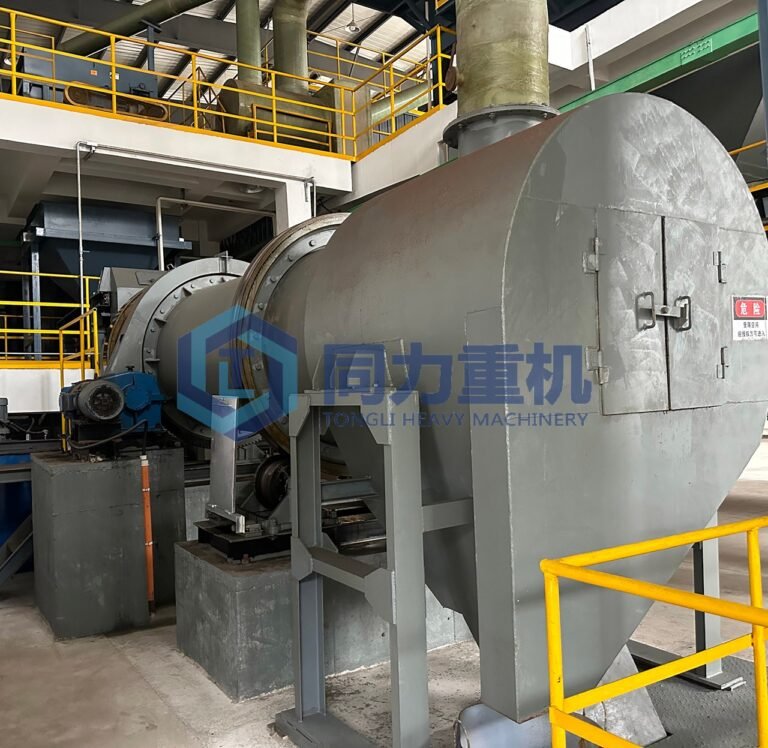
The TONGLI Declining Weight (DW) Blending System supports multiple mixing methods to suit different long-term operating goals, budgets, and site conditions. For long-term, high-duty operation, the rotary drum mixer is the most robust and reliable option, providing stable continuous mixing and allowing future additions such as biological agents, coating systems, or trace additives. Screw mixers are commonly selected by customers with limited budgets or restricted layouts, offering acceptable mixing performance in a compact footprint at moderate capacities. Vertical (tower-type) mixers are mainly used where floor space is extremely limited, utilizing height instead of footprint to achieve effective mixing. For customers with very tight budgets, a simplified process configuration can also be adopted without a dedicated mixer, where materials are combined in an integrated “mixing zone” of the hooper or conveyor. These mixing zones also provide a practical location for coating, impregnation, or incorporation of powdered additives before load-out, offering basic blending functionality with minimum equipment investment while keeping the option for future upgrades.
Variable Frequency Drive
The TONGLI Declining Weight (DW) Blending System is equipped with ABB ACS550 series variable frequency drives on all feeders and critical drive components to provide precise and reliable speed control. The ACS550 VFDs allow smooth start-up and shutdown of rotary valves, mesh chain feeders, and metering augers, reducing mechanical shock and extending service life. During operation, the PLC continuously adjusts motor speed through the ABB drives based on real-time load cell feedback, enabling stable feed rates and accurate metering across both low and high capacity ranges. The use of standard ABB ACS550 drives ensures long-term reliability, easy parameter setup, and local availability of service and spare parts worldwide.
NTEP Certified Load cells
The TONGLI Declining Weight (DW) Blending System is equipped with NTEP-certified load cells from internationally recognized brands including HBM, METTLER TOLEDO, and SunCells. These stainless steel load cells are approved for trade and industrial weighing applications and provide high accuracy, long-term stability, and reliable performance under continuous load conditions. By continuously measuring real-time weight loss in each hopper, the load cells directly supervise feeder output and provide closed-loop feedback to the PLC for precise feed-rate control. The use of standard, NTEP-certified load cells ensures measurement credibility, repeatable blending accuracy, and easy replacement or calibration using locally available components, without reliance on proprietary weighing hardware.
Note: (“NTEP certified” refers to approval under the U.S. National Type Evaluation Program (NTEP), meaning the load cells meet stringent legal-for-trade accuracy and performance requirements for commercial weighing applications such as material batching and blending.)
Individual hopper low-weight alert lights
The TONGLI Declining Weight (DW) Blending System is equipped with individual low-weight alert lights on each hopper to provide clear, real-time visual indication of material status. When a hopper reaches a preset low-weight threshold, the corresponding alert light is automatically activated, notifying operators or wheel-loader drivers that refilling is required and preventing feed interruption during continuous operation. As an optional upgrade, each hopper can also be fitted with an LED/LCD display that shows the real-time material level as a percentage of hopper capacity. This allows operators to quickly assess remaining material at a glance, better plan refill timing, and further reduce the risk of unexpected run-out or process disturbance.
LEC PLC Control System with touch-screen interface
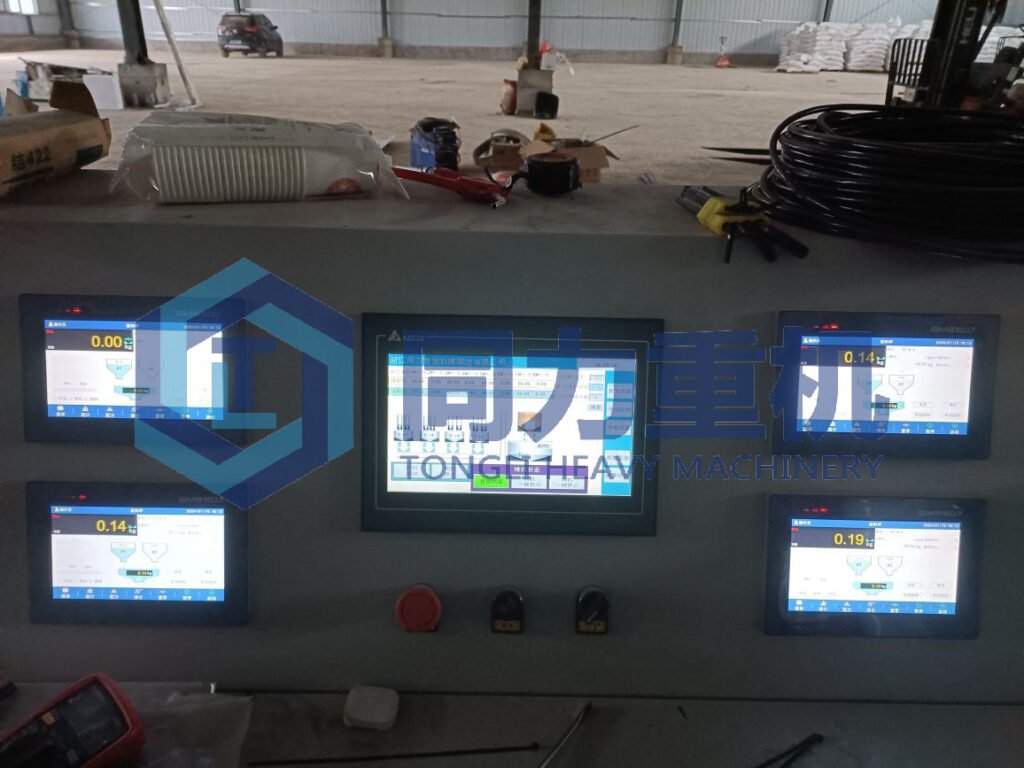
The TONGLI Declining Weight (DW) NPK Fertilizer Blending System is controlled by an LEC PLC control system with a touch-screen HMI, providing centralized and reliable control of all weighing, feeding, and blending functions. The touch-screen interface allows operators to select recipes, set target feed rates, and monitor hopper weights, feeder speeds, and system status in real time. All core control logic, including weight-loss calculation, feeder speed adjustment, alarm handling, and interlocking, is executed automatically by the PLC to ensure stable continuous operation. As optional configurations, the system can be supplied with dual-station control or a console-type (piano-style) operator desk. Dual-station control allows operators to continue dosing and production directly from instruments inside the control cabinet in the event of HMI or computer failure, ensuring uninterrupted operation. The console-type operator desk provides direct and intuitive start/stop control of individual equipment, improving operational efficiency and on-site control flexibility.
Liquid impregnation available
The TONGLI Declining Weight (DW) Blending System offers flexible liquid impregnation solutions with positive displacement pumps depending on the selected mixing configuration. When a rotary drum mixer is used, coating pumps and liquid dosing systems can be directly integrated into the drum, allowing liquids such as coating agents, binders, or biological additives to be evenly applied during the continuous mixing process. For systems using screw mixers or other mixing equipment, liquid impregnation can alternatively be carried out by adding a dedicated mixing bin or conditioning hopper upstream of the bagging scale or bulk bagging machine. In this configuration, liquids or powdered additives are introduced and mixed just before load-out, ensuring effective treatment without modifying the main DW feeding system. This flexible design allows customers to select the most practical liquid addition method based on equipment type, budget, and future upgrade plans.
Micro hoppers and powder feeders/micronutrient bins
TONGLI DW Blending Systems can be equipped with dedicated micro hoppers and powder screw feeders for accurate dosing of micronutrients and low-inclusion materials. These bins are typically used for trace elements, premixes, pigments, enzymes, or powdered additives that are added at very small ratios. Micro hoppers are fitted with precision metering devices such as small screw feeders or mini rotary valves, driven by variable-speed motors and controlled directly by the PLC. Dosing is synchronized with the main declining weight system to ensure that micro ingredients are introduced proportionally and consistently. Depending on the formulation, micronutrient bins can discharge directly into the main mixing zone, rotary drum, or a downstream conditioning hopper, allowing precise inclusion without affecting the stability of the primary material flow. This design enables high-accuracy micro dosing while keeping the main blending system simple and reliable, more importantly this can make your product more unique and you can sell your product at a better price! Combining pesticide functions with the nutrient supply function of BB fertilizers (bulk blended fertilizers) to create pesticide-fertilizer blends has become an important innovative direction in the agricultural input field. These products, through precise addition of pesticide components such as insecticides, fungicides, or herbicides according to crop needs and pest control objectives during BB fertilizer production or field blending, achieve integrated "fertilization + pesticide application." This reduces the number of field operations and labor costs, while also improving pesticide utilization through the nutrient-directing properties of the fertilizer carrier, reducing pesticide runoff and environmental pollution.
Ton bag packaging and 50/25kg bag packaging available

TONGLI declining weight blending systems support both bulk and bagged packaging, including one-ton (FIBC) big bag packaging as well as 50 kg and 25 kg bagging. After blending, material can be discharged directly into an integrated packaging line or routed to a surge hopper ahead of the scale to ensure stable and continuous feeding. For ton bag packing, the system uses a heavy-duty net-weigh or gross-weigh scale with automatic filling, vibration or jogging for settling, and high-accuracy final trimming. For 50 kg and 25 kg bags, electronic bagging scales with fast and slow feed control are applied to maintain both speed and accuracy. The packaging section is fully synchronized with the declining weight system, allowing continuous blending without interruption while switching between bulk and bagged output. This flexibility allows the same Accu-BB-Blend system to serve bulk dispatch, warehouse bagging, and retail packaging requirements without changing the core blending equipment.
Ease of maintenance and cleaning (removable assemblies)
The TONGLI Accu-BB-Blend declining weight system is designed for ease of maintenance and fast cleaning through the use of removable and service-friendly assemblies. Key components such as mesh chain feeders, rotary valves, metering augers, and inspection covers are mounted in modular sections and can be removed individually without dismantling the entire system. Quick-access panels and bolted connections allow operators to clean material contact surfaces, inspect wear parts, or change formulations with minimal downtime. Direct-coupled drives reduce alignment work and eliminate complex transmission components, while stainless-steel construction enables easy wash-down or dry cleaning depending on the application. This design significantly shortens maintenance time, simplifies routine servicing, and allows the system to return to production quickly after cleaning or product changeover.
Above Ground Feeding and Underground Feeding Configurations Are Available
The TONGLI Accu-BB-Blend declining weight system is available in both above-ground and underground feeding configurations to suit different site conditions and material handling requirements.
Aboveground batching declining weight blending system

Above-ground layouts allow direct wheel-loader or conveyor feeding into the hoppers, offering simple civil work and easy visual inspection.
underground batching declining weight blending system
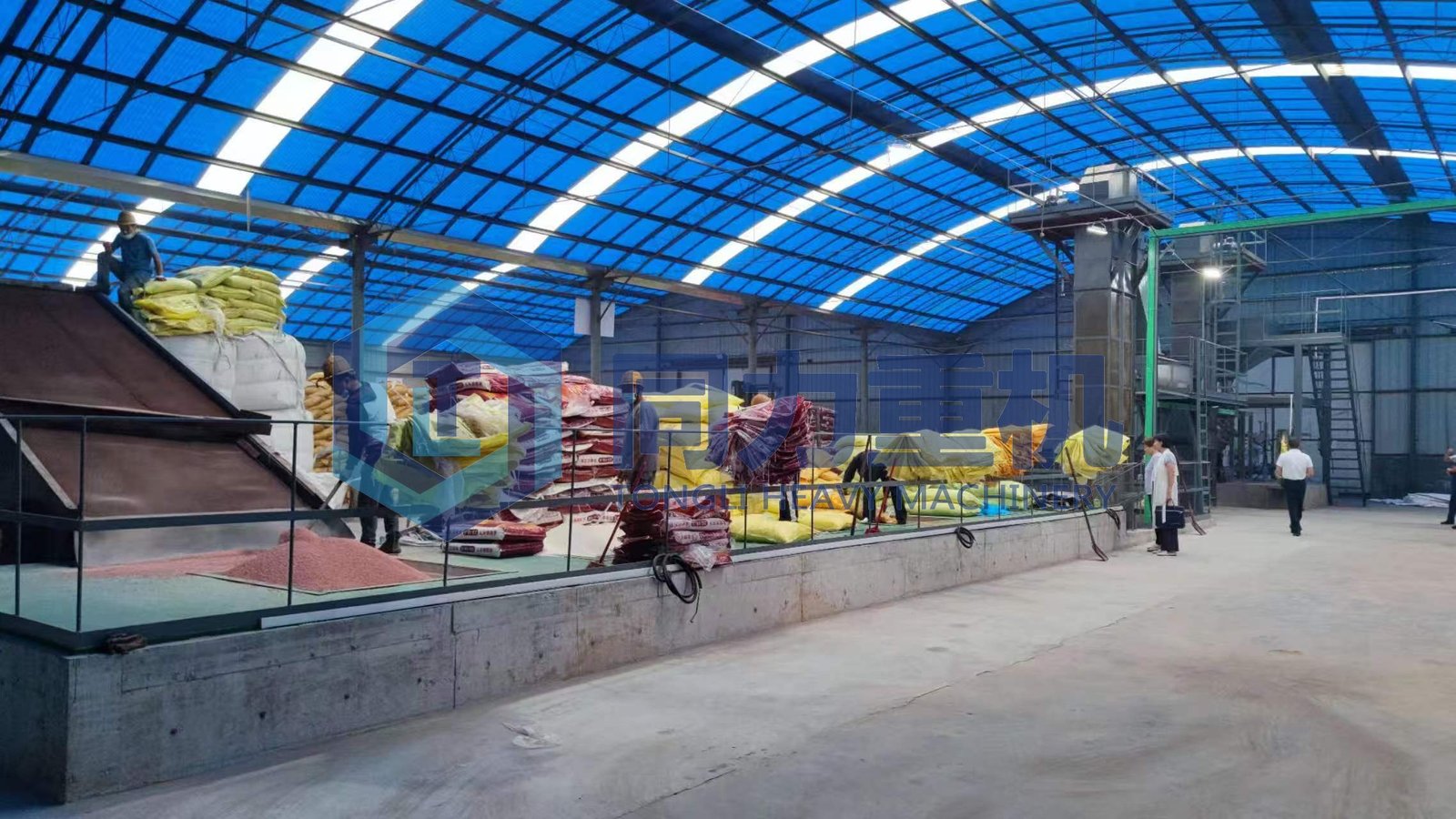
Underground configurations place the hopper in a pit or recessed structure, enabling ground-level feeding for loaders while keeping the blending and packaging equipment elevated for smooth discharge. Both configurations are engineered with the same declining weight accuracy, structural strength, and maintenance accessibility. This flexibility allows the system to be integrated into new plants or retrofitted into existing facilities without forcing changes to site layout or material flow.
What are the equipment used in a Declining Weight (DW) Fertilizer Blending line?
1. Material Storage Hoppers
The material storage hoppers are the starting point of the DW blending line, designed to store the primary raw ingredients for BB fertilizer, such as large-grain urea, MAP, potassium chloride, and trace elements. Some lines even include dedicated hoppers for pesticide or micronutrient components. Hopper design, conical or rectangular, depends on material characteristics and our design, and internal flow aids or anti-bridging devices are often installed to prevent clogging or arching, ensuring continuous and stable feed to the weighing system. Depending on requirements, hoppers can be constructed from carbon steel or stainless steel for optimal durability and corrosion resistance.
2. Declining Weight Feeders
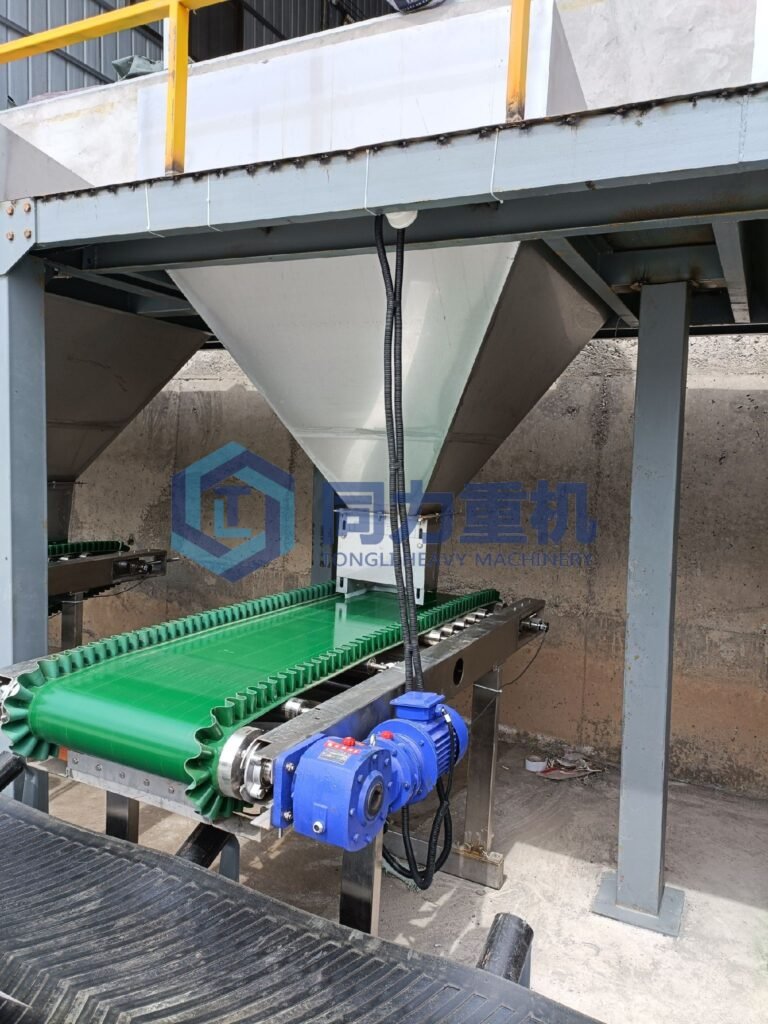
The declining weight feeders are the core metering devices of the line, dynamically controlling the flow of each ingredient based on real-time monitoring of the hopper weight. By adjusting belt speeds or mesh chain speed according to weight loss rate, these feeders achieve highly accurate dosing. Compared to traditional volumetric feeders, precision can reach ±0.2%–±0.5%, making them ideal for multi-component BB fertilizers and formulations containing small amounts of pesticides or other micronutrients.
3. Conveying Equipment (Elevators, Belt Conveyors, Screw Conveyors)
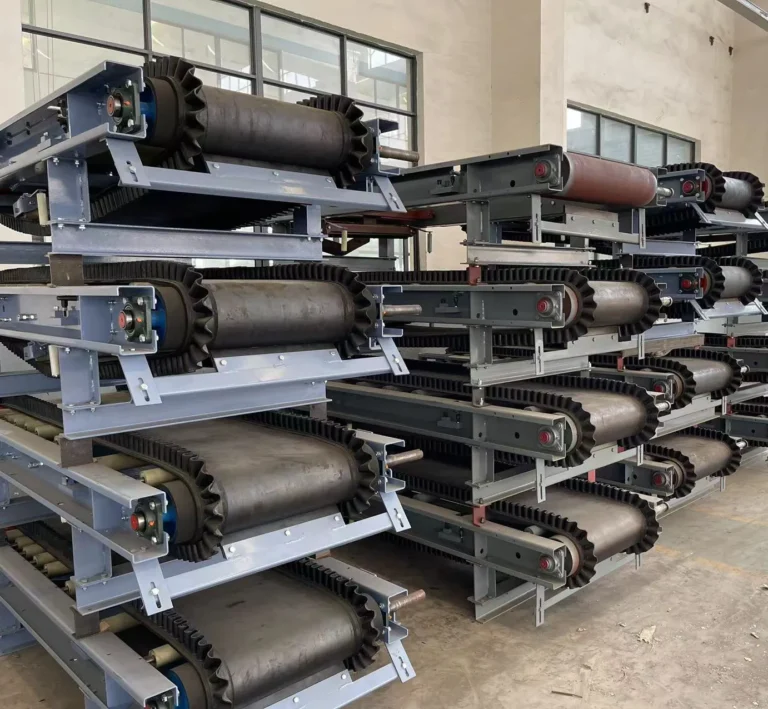
Conveying equipment moves materials between hoppers, feeders, mixers, and bagging machine. Belt conveyors are used for short, horizontal, or slightly inclined distances, offering high throughput and low energy consumption. Bucket elevators provide vertical lift to feed materials into the DW feeders or mixers. Screw conveyors are often used in enclosed systems to prevent dust emission, particularly when handling pesticide-containing formulations. Conveying speed and design are calibrated to maintain consistent material feed and batching accuracy. Other conveyoring method include screw conveyor, drag chain conveyor...etc.
4. Mixing Equipment (Screw Mixer, Rotary Drum Mixer)
Mixers are essential for achieving uniform blends of multiple fertilizer components. Screw mixers use parallel rotating screws to move and shear material for thorough mixing in 3–5 minutes, while drum mixers employ a tumbling action that produces higher uniformity using the lifting flight inside, especially suitable for BB fertilizer combined with pesticides. Mixers often include online sampling ports for real-time quality checks, ensuring that the final blend meets the required homogeneity standards.
5. Finished Product Screening Machines(Optional)
Vibrate screener or rotary screener or trommel classify blended BB fertilizer particles, removing oversized lumps, fines, or foreign matter to ensure consistent granule size. Vibrating screens with different mesh sizes separate products into qualified granules, oversized material for crushing, and fines that can be recycled into the mixer, maximizing material utilization. This step is critical for maintaining product quality and uniformity before packaging.
6. Finished Product Bagging Machines
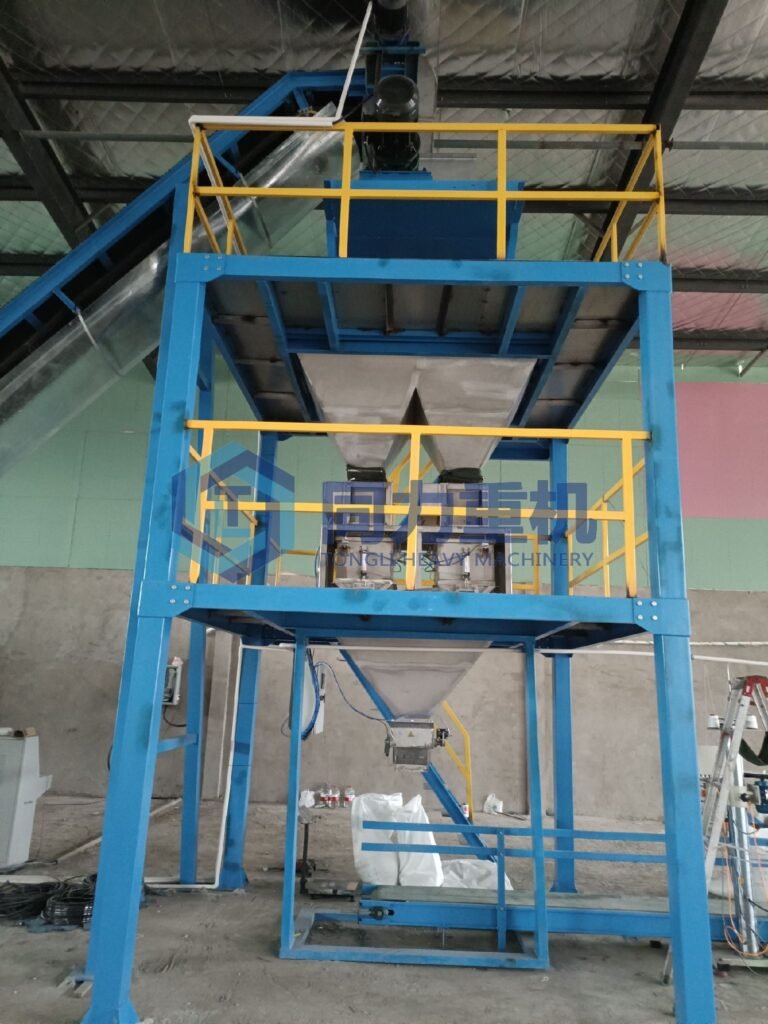
Bagging machines handle accurate weighing, bag filling, and sealing of final BB fertilizer products. Integrated load cells and automated controls enable precise batch filling according to preset bag sizes (e.g., 25kg or 50kg or FIBC ton bag ). High-end baggers often incorporate automatic folding and stitching (sewing) machines or heat-sealing devices to ensure consistent, secure closure of each bag. Some systems also include metal detection and weight verification to guarantee product safety and quality. Bagging machine supports and platforms can be constructed from carbon steel or stainless steel depending on operational requirements and environmental conditions.
7. Control System
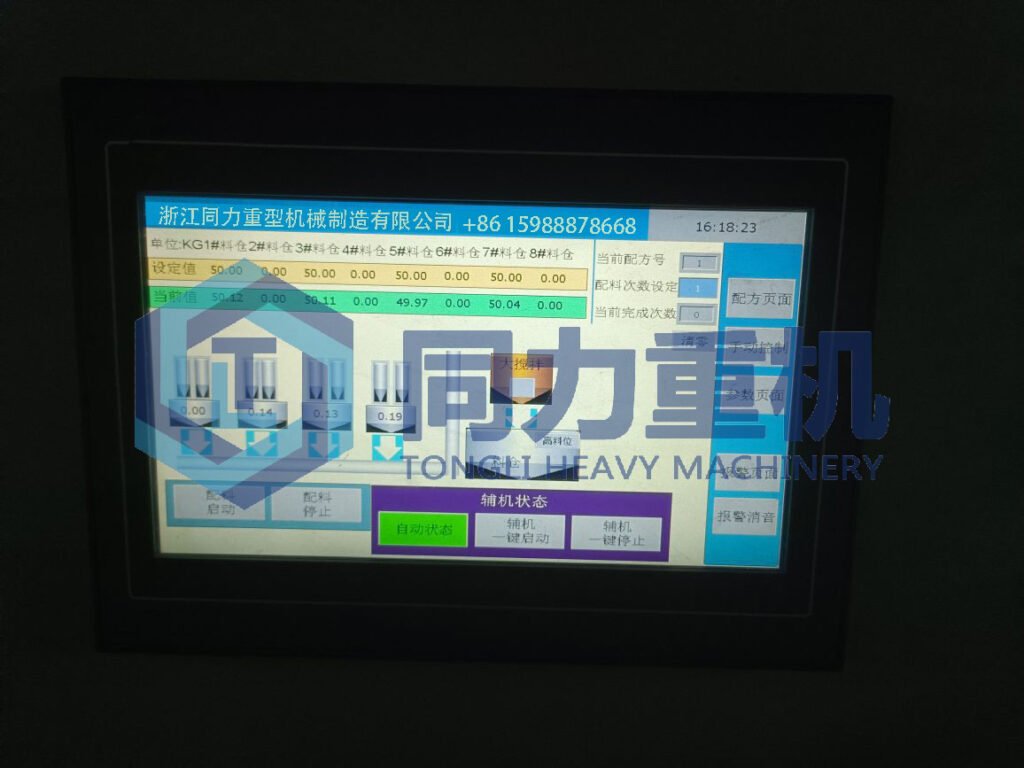
The control system acts as the central “brain” of the DW blending line. It integrates PLC controllers, touch screens, sensors, and actuators to coordinate feeders, conveyors, mixers, and bagging units. Operators can set feed ratios, flow rates, mixing times, and other process parameters, while the system automatically records operational and weighing data. This enables full automation, traceable batch control, and consistent formula execution, significantly improving line efficiency and reliability.
What is the working principle of a Declining Weight (DW) System?
A Declining Weight (DW) Blending System is engineered to accurately blend multiple formulas of NPK fertilizer or granular raw materials in precise proportions. Its core principle is the “declining weight” method, where each ingredient is measured as it flows from the hopper.
- Batch Feeding by Hoppers: Each material is stored in its own hopper above the weighing system. Controlled gates or feeders regulate the flow, ensuring a consistent and measured release of material.
- Weighing by Declining Weight: As the material is discharged, high-precision load cells monitor the decreasing weight of the hopper in real time. This allows the system to deliver the exact target weight for each ingredient.
- Automatic Cut-Off: Once the preset weight is reached, the feeder stops automatically. This process repeats for all ingredients until the blend is complete, maintaining high accuracy throughout.
- Mixing: The collected materials are then discharged into a mixer or directly into the bagging system, resulting in a uniform, consistent blend ready for production.
What quality standards does our Accu Blend Declining Weight System comply with?
Premium Standard – US & International Comparable Quality
Our premium Declining Weight Blending System is engineered to meet the highest international quality standards, on par with leading brands such as AGI, Waconia Sackett, and Bagtech. We ensure superior reliability and precision through rigorous manufacturing and inspection processes: all welds are performed by ASME-certified welders, and every critical component is strictly inspected by ANSI-certified inspectors. The structural frames undergo heat treatment to relieve internal stress, followed by sandblasting and pickling to ensure surface quality, durability, and corrosion resistance. These measures guarantee that the system can withstand heavy-duty, continuous operation while maintaining accurate blending and stable performance, providing peace of mind for large-scale fertilizer production.
Cost-Effective Standard – Chinese Quality with Reliable Performance
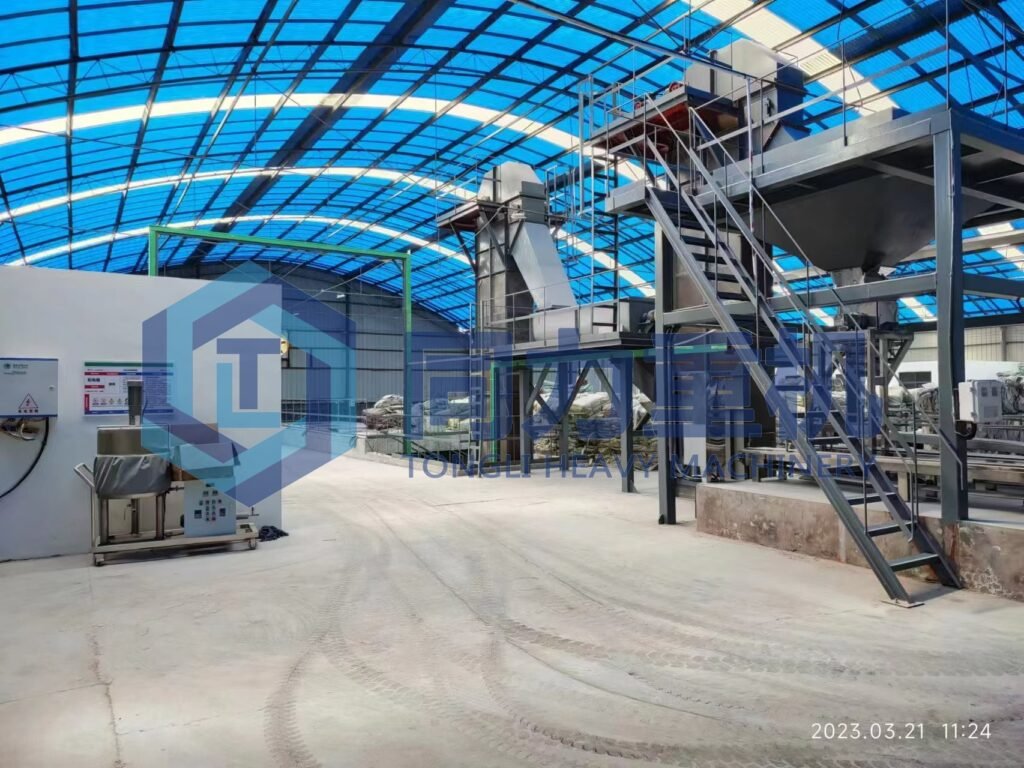
For customers with tighter budgets, we offer a cost-effective Chinese standard version of the Declining Weight Blending System. While this version is more economical, it still ensures reliable performance, stable operation, and reasonable blend accuracy. It uses quality materials and tested designs suitable for small to medium-scale operations. The difference lies mainly in the level of finishing, component sophistication, and optional features, but the core reliability and functionality remain intact, giving customers a dependable system without the premium price.
3 types of declining weight blending systems mixing mechanism:
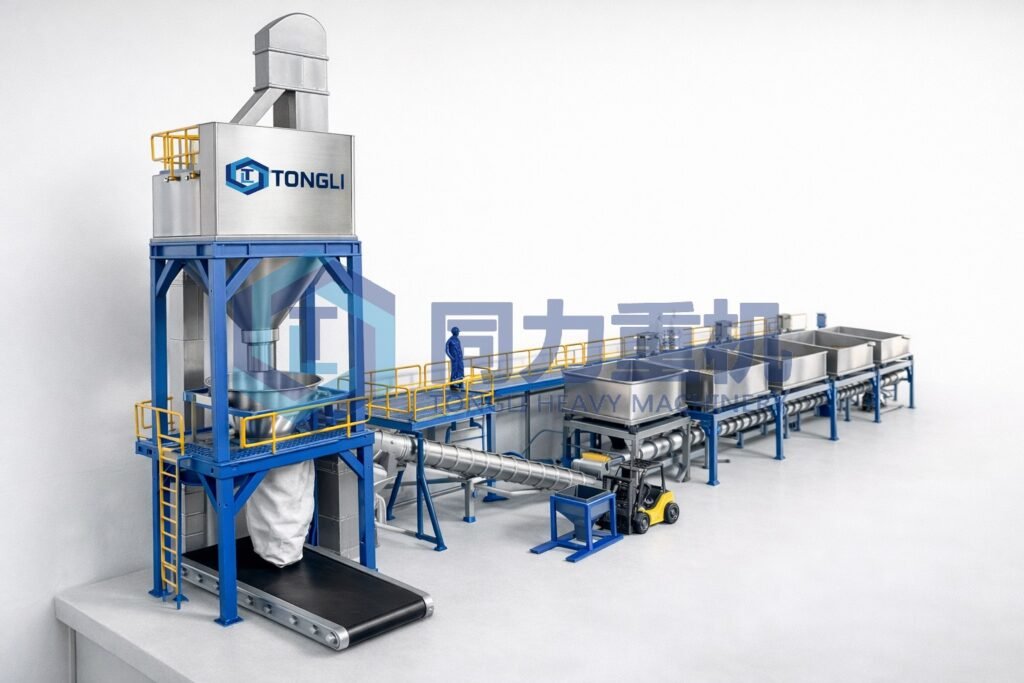
The three main types of dry fertilizer declining weight blending systems are rotary drum mixing, screw mixer mixing, and tower mixing: rotary drum mixing uses a rotating drum with flights(lifting plate)to gently tumble materials for uniform blending and is suitable for granular fertilizers; screw mixer mixing relies on twin or single screw shafts to convey and mix materials efficiently with good accuracy and a compact layout; tower mixing adopts a gravity-fed process where raw materials are weighed at the top and mixed during downward discharge, offering high efficiency, minimal segregation, and stable blending quality for large-scale fertilizer plants. The above are three types of declining BB fertilizer production lines, classified according to different mixing principles. Based on different operating modes, they can further be divided into continuous blending systems and batch mixing systems. For more details, please refer to the article “Continuous Blending vs. Batch Blending.”
2 different material dosing solutions for fertilizer and bulk blending
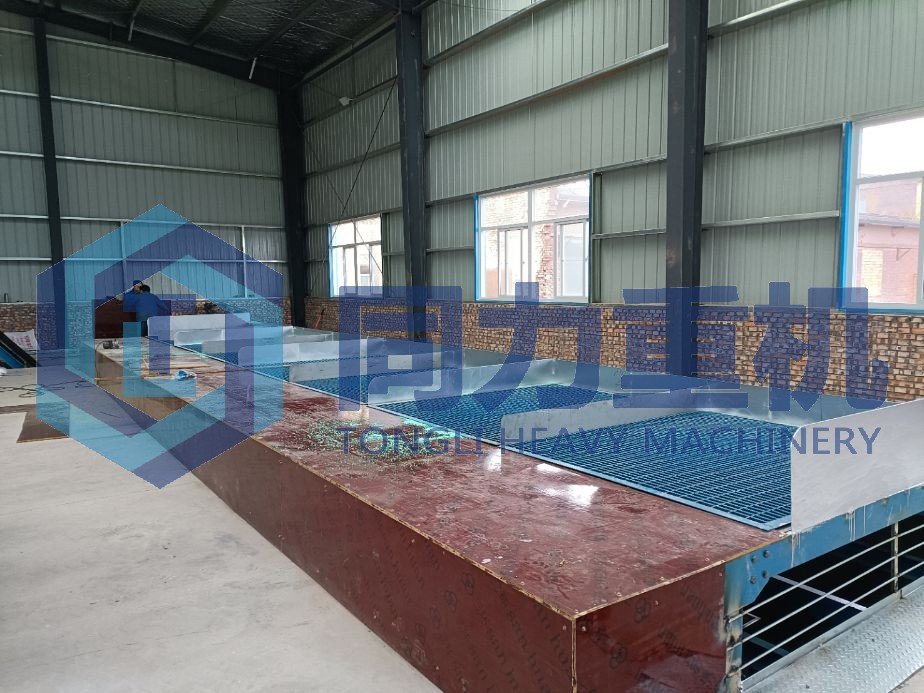
TONGLI offers two different material dosing solutions for fertilizer and bulk blending applications, allowing customers to choose the most suitable configuration based on accuracy requirements and budget. The first option is the Declining Weight (Loss-in-Weight) Weighing System, which delivers high-precision dosing with an accuracy of within ±0.2% (2‰). This system continuously measures material weight in real time, ensuring extremely accurate proportioning throughout the blending process. The second option is a belt-type continuous feeding system, which is a more conventional solution with a typical accuracy of around ±0.5% (5‰), suitable for standard blending requirements. Now let go back to the main topic which is what are the 3 types of declining weight fertilizer blending method?
Underground Feeding vs Above Ground Feeding: Which Method is Better for Declining Weight Blending System?
Choose underground feeding if you want dust control, space efficiency, and a clean, gravity-assisted flow, and you’re ready for higher installation costs. Choose above-ground feeding if you prioritize easy installation, low upfront cost, and future flexibility in modifying or expanding your DWBS. For more detiail please check our our article: "Underground feeding vs abovegroud feeding"
1. Underground Feeding
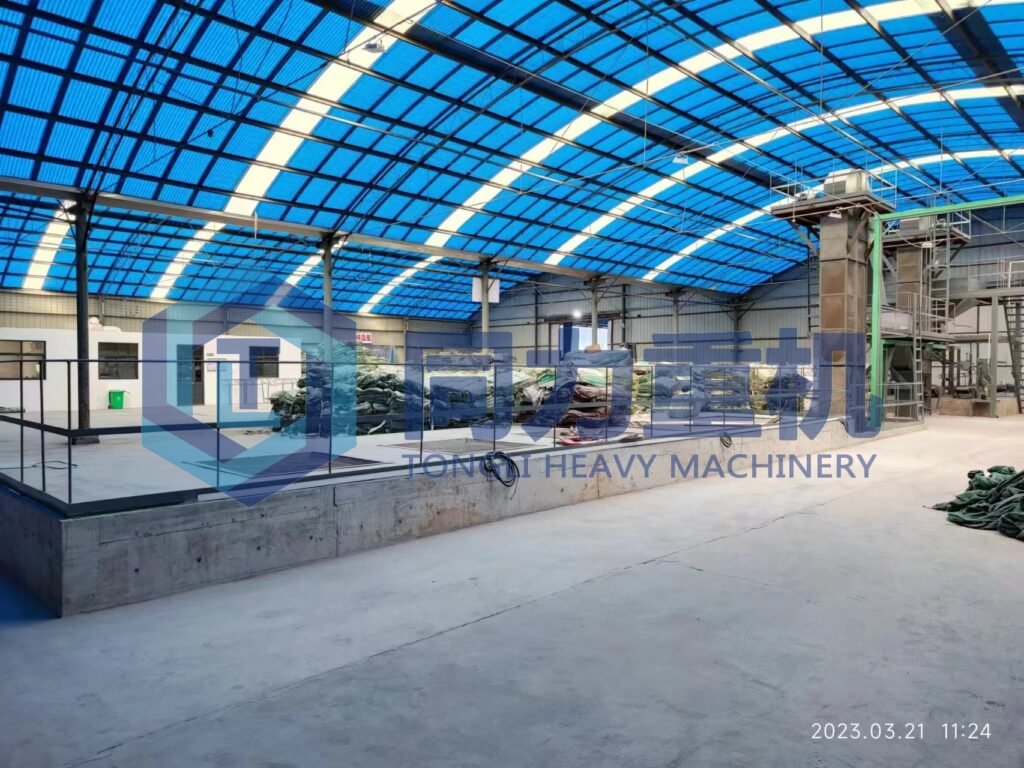
The material is fed from hoppers located below the blending system, often via conveyors or screw feeders that are integrated into the floor or pit.
Advantages:
- Space-saving: Ideal for facilities with limited floor space because the feeders are below grade.
- Dust control: Less airborne dust since material drops directly into the system.
- Gravity-assisted flow: Helps maintain consistent feed rate and reduces mechanical wear.
- Cleaner operation: Easier to enclose and contain, reducing spillage.
Disadvantages:
- Installation cost: Requires pit construction or structural modifications.
- Maintenance access: Can be harder to service conveyors or feeders located underground.
- Flexibility: Adding additional hoppers or changing layout can be more complicated.
2. Above-Ground Feeding
Hoppers or silos are positioned above the blending system, with material fed by gravity or belt/screw conveyors.
Advantages:
- Easier installation: No need for pits; simple to retrofit in existing facilities.
- Accessibility: Feeders are easy to maintain, inspect, and modify.
- Flexible layout: Adding new hoppers or upgrading system is simpler.
- Lower upfront cost: Less civil engineering work required.
Disadvantages:
- Footprint: Requires more vertical space and structural support.
- Dust and spillage: Higher potential for dust generation if not properly enclosed.
- Feed consistency: If the height or angle isn’t optimized, flow rate can vary slightly.
What is Screw Mixer Continuous Blending System?
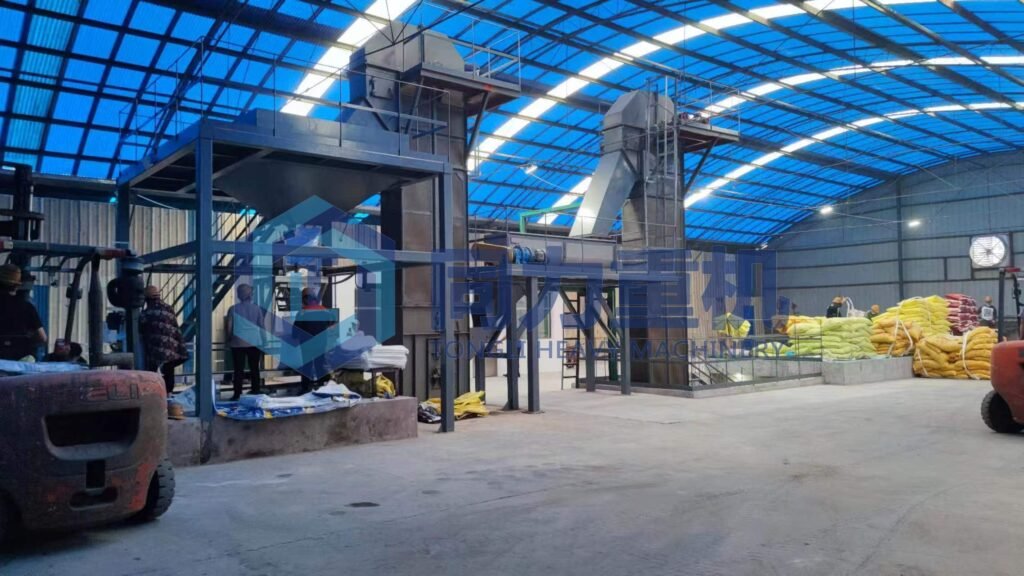
A Screw Mixer Continuous Blending System is a type of blender used in fertilizer production where multiple raw materials are continuously fed into a horizontal or slightly inclined screw mixer. The screw rotates continuously, moving the materials forward while mixing them evenly. This system is typically integrated into a Declining Weight Blending System, where precise, continuous weight measurement ensures accurate proportioning of each ingredient.
Key Features of a Screw Mixer in DWBS:
- Continuous operation: Material flows in and is mixed in real-time, unlike batch systems.
- Screw conveyor mechanism: Moves and mixes materials simultaneously.
- High accuracy: Works well with precise feed from multiple hoppers.
- Compact design: Usually requires less floor space than rotary drum mixers.
Advantages of Screw Mixer vs Rotary Drum Mixer
| Feature | Screw Mixer | Rotary Drum Mixer | Advantage |
| Mixing Efficiency | Uniform mixing in shorter time due to continuous shear and flow | May require longer mixing time; material can segregate at ends | Screw mixer faster and more uniform |
| Space Requirement | Compact, can fit in low-ceiling areas | Large diameter drum needed; occupies more space | Screw mixer saves floor space |
| Continuous Operation | True continuous blending with declining weight system | Usually semi-continuous; batch mode common | Screw mixer ideal for continuous DWBS |
| Material Handling | Handles powders, granules, and light-weight materials well | Can handle bulk, but heavy materials may stick or segregate | Screw mixer better for precision blends |
| Maintenance | Fewer moving parts, easy to maintain | Larger drum bearings and rollers need more maintenance | Screw mixer lower maintenance cost |
| Scalability | Easy to add additional feeders or modify feed rate | Harder to modify once drum is built | Screw mixer more flexible |
| Energy Consumption | Usually lower power consumption | Larger drum requires more energy | Screw mixer more energy-efficient |
When to prefer screw mixers:
- Plant has limited floor space
- High need for continuous blending
- Materials are lightweight powders or granules
- Precise formulation is critical
When rotary drum mixers might still be used:
- Large volume, bulk blending where sheer capacity is more important than speed
- Lower accuracy requirement
What is Rotary Drum Continuous Fertilizer Declining Weight Bulk Blending System?
A Rotary Drum Continuous Blending System is a type of blender used in fertilizer or granular material production. In this system, raw materials from multiple hoppers are fed continuously into a rotating drum, where they are mixed by tumbling action as the drum slowly rotates. The system is often integrated with a Declining Weight Blending System (DWBS) for precise feeding and formulation. A Rotary Drum Continuous Blending System is best for high-volume blending of granular fertilizers where gentle tumbling is needed to avoid granule breakage. It works well in DWBS lines but is generally for Blending coarse or heavy granules/Plants with high throughput needs.
- Rotating drum: The drum rotates on rollers or a support frame, mixing material as it moves forward.
- Continuous feeding: Raw materials are continuously fed into the drum, while finished blended material is discharged at the other end.
- Gentle mixing: The tumbling action avoids excessive breakage of granules.
- Variable drum sizes: Can be customized to match production capacity.
- Integration with DWBS: Declining weight feeders ensure accurate proportioning of multiple components.
Advantages of Rotary Drum Continuous Blending System
| Feature | Rotary Drum | Advantage |
| Mixing Method | Tumbling action in drum | Gentle on granules; reduces dust |
| Material Type | Ideal for larger granules and mixed sizes | Handles heavier or coarse fertilizers better than screw mixers |
| Continuous Operation | Can be fully continuous when integrated with feeders | Suitable for high-capacity production |
| Scalability | Large drum can handle tons of material per hour | Good for very high-volume plants |
| Maintenance | Drum rotation requires bearings and motor maintenance | Requires more energy and periodic drum inspection |
| Space Requirement | Larger footprint due to drum diameter | Needs more floor space than screw mixers |
| Energy Efficiency | Uses more power for drum rotation | Less efficient than screw mixer for small/medium volumes |
| Mixing Accuracy | Slightly lower than screw mixer for very precise formulations | Drum mixing is less precise for light powders |
What is a Tower Declining weight Blender System?
A Tower Blend System (TBS) is a vertical blending system used in fertilizer production to mix multiple granular or powdered components. Unlike horizontal screw or rotary drum blenders, the Tower Blend System uses gravity and vertical flow to move materials from top to bottom while mixing them.
- Vertical structure: Materials are fed at the top of the tower and move downward through chutes, spouts, or vertical augers.
- Continuous blending: Can operate continuously, integrating with declining weight feeders for accurate formulation.
- Gravity-assisted mixing: The vertical drop helps combine materials as they move through multiple mixing zones.
- Modular design: Towers can have multiple inlets for different raw materials and can be customized for production capacity.
- Dust control: Enclosed vertical flow reduces dust emissions.
What raw materials are suitable for a Declining Weight Blending System?
Commonly, it can handle granular fertilizers such as urea, ammonium nitrate, DAP, MAP, and potassium chloride, which flow easily and allow precise proportioning. Powdered materials like ammonium sulfate, triple superphosphate, and various micronutrients can also be blended accurately in a DWBS, thanks to its precise declining weight feeders. The system is capable of incorporating coarse amendments such as gypsum, lime, or rock phosphate, as well as dried organic materials like compost or manure pellets, provided they are properly dried and screened to prevent clogging. Key factors for suitability include consistent particle size, low moisture content to avoid sticking, and good flowability to ensure continuous feeding.
- Urea (46-0-0) – Granules – Max particle size: 5–10 mm
- Ammonium Nitrate (34-0-0) – Granules – Max particle size: 5–10 mm
- Diammonium Phosphate (DAP, 18-46-0) – Granules – Max particle size: 5–10 mm
- Monoammonium Phosphate (MAP, 11-52-0) – Granules – Max particle size: 5–10 mm
- Potassium Chloride (KCl) – Granules – Max particle size: 5–10 mm
- Ammonium Sulfate (21-0-0-24S) – Powder – Max particle size: 1–3 mm
- Triple Superphosphate (TSP, 0-46-0) – Powder – Max particle size: 1–3 mm
- Gypsum – Granules or powder – Max particle size: 10 mm
- Lime / Dolomite – Powder or fine granules – Max particle size: 5–10 mm
- Rock Phosphate – Granules – Max particle size: 10 mm
- Micronutrients (Boron, Zinc, Copper compounds) – Powder – Max particle size: 1–2 mm
- Dried Organic Pellets / Compost – Pellets – Max particle size: 10 mm
Maximum Moisture Declining Weight Blending Systems (DWBS) Can Handle
To ensure smooth operation of a Declining Weight Blending System (DWBS) and prevent clogging, all raw materials must be dry, free-flowing, and within recommended particle size limits. Powdered fertilizers like TSP, ammonium sulfate, and micronutrients should generally have a moisture content below 2%. Granular fertilizers such as urea, DAP, MAP, KCl, and ammonium nitrate can tolerate slightly higher moisture, up to 3%, while coarse or organic materials like gypsum, lime, rock phosphate, or dried compost pellets should stay below 5% moisture. Particle size should generally not exceed 10–15 mm, depending on material type. Maintaining these limits ensures accurate feeding, uniform blending, and minimal downtime due to clogging.
Recommended Raw Material Specifications for DWBS
| Material Type / Example | Form | Maximum Particle Size | Maximum Moisture |
| Urea (46-0-0) | Granule | 5–10 mm | 2–3% |
| Ammonium Nitrate (34-0-0) | Granule | 5–10 mm | 2–3% |
| Diammonium Phosphate (DAP, 18-46-0) | Granule | 5–10 mm | 2–3% |
| Monoammonium Phosphate (MAP, 11-52-0) | Granule | 5–10 mm | 2–3% |
| Potassium Chloride (KCl) | Granule | 5–10 mm | 2–3% |
| Ammonium Sulfate (21-0-0-24S) | Powder | 1–3 mm | 1–2% |
| Triple Superphosphate (TSP, 0-46-0) | Powder | 1–3 mm | 1–2% |
| Gypsum | Granule / Powder | 10 mm | 3–5% |
| Lime / Dolomite | Powder / Granule | 5–10 mm | 3–5% |
| Rock Phosphate | Granule | 10 mm | 3–5% |
| Micronutrients (B, Zn, Cu) | Powder | 1–2 mm | 1–2% |
| Dried Organic Pellets / Compost | Pellet | 10 mm | 3–5% |
What are pesticide–fertilizer blends made by a Declining Weight Blending System?
As more fertilizer blending plants are established, market competition is becoming increasingly intense. To make products stand out, adding pesticides to fertilizers has emerged as a new trend in China. By incorporating pesticides into already-produced fertilizers using a Declining Weight Blending System (DWBS), manufacturers can create value-added products that offer both nutrient supply and pest protection in a single application. The DWBS is particularly well-suited for this process because it allows precise, continuous, and uniform blending of multiple components, including fertilizers and powdered or granular pesticides. This ensures that the pesticide is evenly distributed throughout the fertilizer, preventing “hot spots” and maintaining product quality. In addition, using a DWBS minimizes dust and material loss, making the process safer for operators and more environmentally friendly. By adopting this approach, fertilizer producers can differentiate their products in a crowded market, offering convenience, efficiency, and enhanced crop protection to farmers—all while leveraging the accuracy and reliability of the declining weight blending technology.
Where the Pesticide is Added?
In a Declining Weight Blending System, pesticides are typically added at the mixing stage, after the main fertilizer components (such as urea, DAP, MAP, KCl, ammonium sulfate) are being fed. This can be done in two ways:
Direct Addition into the Main Blender:
- The pesticide is fed into the same blending chamber as the fertilizers, usually via a small feeder or screw feeder integrated into the DWBS.
- This allows for simultaneous mixing with all fertilizer components, ensuring uniform distribution.
Post-Blending Addition (Optional):
- In some plants, fertilizers are pre-blended first, and then the pesticide is added on top or through a secondary feeder just before discharge.
- This is used when very small quantities of pesticide need precise dosing without affecting the bulk fertilizer mix.
How the Pesticide is Added?
The DWBS uses declining weight feeders to measure exact amounts of each ingredient continuously. The DWBS prevents segregation and ensures a homogeneous mix, which is critical for both fertilizer effectiveness and pesticide performance. The pesticide is typically:
- Powdered pesticides: Fed via a small vibratory or screw feeder. The continuous weighing ensures the pesticide is added in precise proportion to the fertilizer blend.
- Granular pesticides: Fed using a standard feeder, similar to other granular fertilizers. The tumbling or screw mechanism of the DWBS mixes the pesticide thoroughly with the base fertilizer.
- Coated or pelletized pesticides: These can be gently mixed into granular fertilizers without breaking the coating, ensuring the pesticide remains effective.
Kinds of Pesticides Added?
Depending on the crop and pest control requirements, the following types of pesticides can be blended:
- Insecticides: For controlling insects; e.g., powdered or granular formulations of imidacloprid, carbofuran, or chlorpyrifos.
- Fungicides: For controlling fungal diseases; e.g., captan, mancozeb, or thiram in dry powder or granule form.
- Herbicides: Pre-emergence or post-emergence weed control; e.g., glyphosate granules or pre-coated pesticide pellets.
- Microbial or Biopesticides: Such as Bacillus thuringiensis (Bt) powder or other bioagents.
Caution: Please note
- Pesticides must be dry, free-flowing, and stable to avoid clogging the feeder.
- Moisture content should generally be ≤2% for powders and ≤3% for granules.
- Particle size should be compatible with the DWBS (usually ≤1–3 mm for powders, ≤10 mm for granules).
Declining Weight Blending System Image: 50kg/25kg Fertilizer Packing Machine
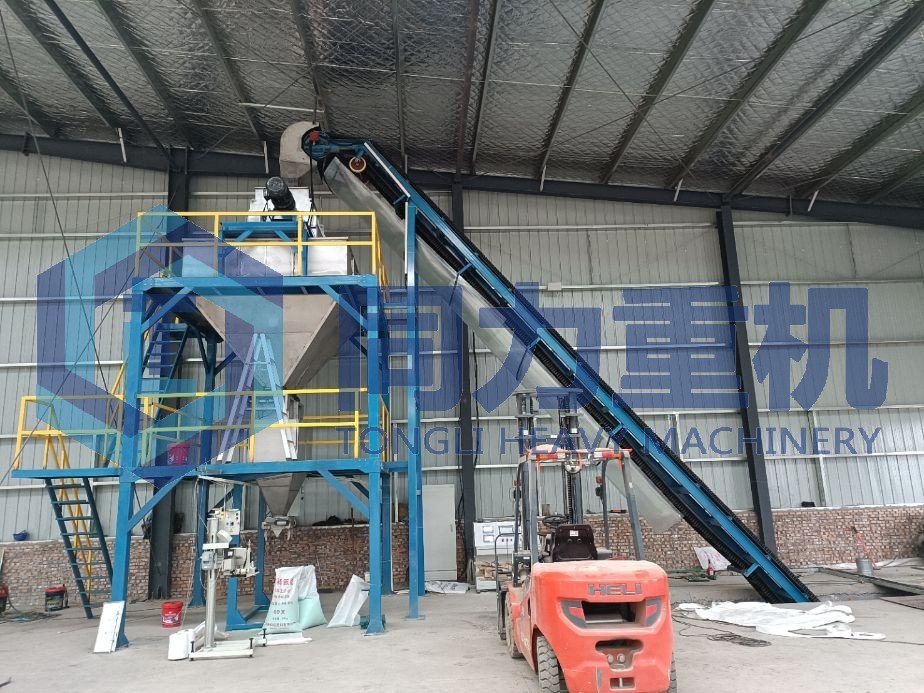
When integrated with a 50kg/25kg Fertilizer Packing Machine, the system can seamlessly blend, weigh, and pack fertilizers in standardized bag sizes, improving production efficiency and reducing labor requirements. This combination allows fertilizer manufacturers to produce high-quality, ready-to-sell fertilizer bags with precise nutrient composition, while also accommodating value-added products such as pesticide–fertilizer blends. In terms of the parts of the packaging system please check the following:
Packing Scale
The packing scale is the heart of the fertilizer packing line. It accurately measures the pre-defined weight of fertilizer for each bag, ensuring consistent product quality and minimizing material waste. The scale works seamlessly with the Declining Weight Blending System, receiving the blended fertilizer and delivering precise portions directly to the bagging station. High-accuracy load cells and automatic weighing controls allow the system to handle different bag sizes, such as 25kg or 50kg, while maintaining speed and efficiency in continuous production.
Sewing Machine
Once the fertilizer is filled into the bag, the sewing machine secures the bag by stitching the top tightly. This step is essential for preventing spillage during handling and transportation. Modern sewing machines in fertilizer packing lines are designed to work at high speeds, accommodating various bag materials such as woven polypropylene, while providing strong and durable seams that can withstand heavy loads.
Folding Machine
The folding machine prepares the bag for a neat finish before sealing. It folds the open bag edges uniformly, ensuring proper alignment and presentation. This not only improves the appearance of the packaged fertilizer but also ensures that the subsequent sealing process is effective and consistent. Proper folding prevents gaps or uneven edges that could compromise the seal.
Heat Sealing Machine
The heat sealing machine closes and seals the folded bag edges by applying high temperature to melt and fuse the bag material. This creates a secure and airtight closure, preventing leakage of the fertilizer, dust release, or moisture absorption. The machine is adjustable to accommodate different bag thicknesses and materials, providing a reliable seal for both 25kg and 50kg bags.
Conveyor Belt
The conveyor belt moves filled and sealed bags from one station to the next, streamlining the production flow. It ensures smooth, continuous transport without manual handling, reducing labor requirements and minimizing the risk of bag damage. The belt is typically adjustable in speed and length to match the production capacity and layout of the packing line, enabling efficient integration with the BB fertilizer bulk blending system and packing equipment.
What are the famous Declining Weight Blending System manufacturers and suppliers?
Some of the most recognized manufacturers and suppliers of Declining Weight Blending Systems include major U.S. companies such as AGI Fertilizer Systems (formerly Yargus, founded 1968), Sackett‑Waconia (dating back to 1897/1959), Doyle Equipment Manufacturing (1951), and Adams Fertilizer Equipment (1966). These companies are known for their precise, continuous, and high‑capacity blending systems, widely used in commercial fertilizer plants across the United States. Additionally, Tongli Heavy Machinery, established in 1958 and a member of the Chinese Ministry of Industry, specializes in fertilizer machinery manufacturing with decades of experience producing robust DWBS lines and related equipment.
AGI Fertilizer Systems (Yargus / Ag Growth International)
- Founded: 1968 (Yargus), part of AGI since 2016 — United States
AGI Fertilizer Systems, formerly known as Yargus Manufacturing and established around 1968, is one of the most recognized names in fertilizer blending equipment, including Declining Weight Blending Systems. The company’s DWBS lines are renowned for precision, durability, and automation, delivering accurate continuous blending of multiple raw materials with PLC control and advanced metering systems. AGI’s blending systems are widely used in commercial fertilizer plants across the U.S. and internationally, and the brand continues to evolve with sophisticated controls and software integration for modern agricultural operations.
Sackett‑Waconia (Precision Fertilizer Blending & Blending Equipment)
- Founded: 1897 (original A.J. Sackett & Sons) / 1959 (Waconia Manufacturing), consolidated as Sackett‑Waconia — United States
Sackett‑Waconia has a long history dating back to 1897 with A.J. Sackett & Sons and expansion through Waconia Manufacturing (1959), later unified as Sackett‑Waconia. While the company is especially known for fertilizer blending towers and Precision Fertilizer Blending® systems, it also provides declining weight and precision dosing components within its broader blending platforms. With over a century of experience in fertilizer equipment, the company emphasizes reliability, customization, and meeting evolving agronomic requirements.
Doyle Equipment Manufacturing
- Founded: 1951 — United States
Doyle Equipment Manufacturing is a family‑owned company founded in 1951 with deep roots in agricultural fertilizer equipment. It produces a range of dry fertilizer handling solutions, including declining weight blenders tailored for high accuracy and heavy‑duty industrial use. Doyle’s systems are engineered for long‑term reliability and are widely trusted in plants that require robust, continuous operation with minimal maintenance.
Adams Fertilizer Equipment (Decline‑N‑Weight Systems)
- Founded: 1966 — United States
Adams Fertilizer Equipment, established in 1966, offers its Decline‑N‑Weight blending systems as part of its product line. These declining weight blenders are designed with modular hoppers, PLC controls, and mixing conveyors to provide accurate continuous blending for high‑volume fertilizer operations. Over decades in the industry, Adams has built a reputation for practical, operator‑friendly systems suitable for both standard and specialty blend applications.
Bagtech (Fertilizer Packaging & Systems)
- Founded: South Africa;
While Bagtech is more widely known for fertilizer packaging systems (such as bagging, sewing, and palletizing), many fertilizer plants that use declining weight blending systems integrate Bagtech equipment into their packaging lines. While Bagtech itself isn’t primarily a blending system manufacturer, it is a key supplier in the larger DWBS production and packaging workflow—especially for plants in North America and worldwide seeking complete bagging solutions.
Tongli Heavy Machinery(Accu-BB-Blend Declining Weight System)
- Founded: China, 1958
Tongli Heavy Machinery, established in 1958 and a member of the Chinese Ministry of Fertilizer Industry, is a leading manufacturer specializing in fertilizer machinery, including Declining Weight Blending Systems, NPK compound fertilizer steam drum granulation line. With decades of experience, Tongli’s DWBS lines are recognized for their robust construction, high accuracy, and reliable continuous blending of multiple fertilizer raw materials. The company’s equipment is designed for heavy-duty, large-scale production and can integrate seamlessly with value-added processes such as pesticide-fertilizer blending and automated packaging systems. Tongli has supplied equipment to major international fertilizer companies including Yara and BASF, demonstrating its credibility and global reach. The company continues to innovate with modern automation and control technologies, serving fertilizer plants across China and international markets.
Conclusion: How much does a declining weight fertilizer blending line cost?
The cost of a Declining Weight Fertilizer Blending Line largely depends on the type of materials being handled, system specifications, and production requirements. Factors such as the number of hoppers, feeder types, blending accuracy, automation level, and integration with packing and conveying systems all influence the final investment.
For a high-specification line featuring stainless steel hoppers, stainless conveyors, and stainless steel packing machines, with a production capacity of 100–120 tons per hour, the investment typically ranges from $500,000 to $750,000 USD. This reflects the durability, corrosion resistance, and precise integration of declining weight feeders with automated packaging, ensuring reliable, long-term operation and the ability to produce value-added products like pesticide-fertilizer blends.
If a lower-specification line is acceptable, using carbon steel components instead of stainless steel, the cost can be reduced to around $350,000–$500,000 USD. While still functional for high-capacity blending, this option has lower corrosion resistance and may require more maintenance over time, making it suitable for less corrosive materials or budget-conscious operations.
Important warning: Some very small suppliers in Henan or Hebei, China, advertise similar declining weight systems at extremely low prices, sometimes as low as $150,000 USD. These systems are not trustworthy for U.S.-quality operations—they often use inferior materials, lack precise weighing systems, and may cause costly downtime or maintenance issues. When investing in a DWBS, it is crucial to prioritize proven quality, accuracy, and long-term reliability over the cheapest option.