






Molybdenum (atomic number 42, element symbol Mo) is a d-block transition metal with both core industrial value and biological necessity. Its name originates from the Greek word "molybdos" (meaning "lead"). In 1778, Scheele confirmed the presence of a new element in molybdenite, and in 1781, Yerme successfully isolated metallic molybdenum. The core ore of molybdenum is molybdenite, which often occurs alone or in association with copper. Global reserves are approximately 12 million tons, with China, the United States, and Chile being the main producing countries, and an annual production of 90,000 to 200,000 tons. Mining methods vary depending on the depth of the ore body, employing either open-pit mining or underground block caving. Extraction involves a four-stage process: crushing and screening, grinding, flotation, and roasting, ultimately yielding industrial molybdenum oxide with a molybdenum content ≥57%, while also recovering the byproduct rhenium. Molybdenum is widely used in alloys (improving steel performance; ultra-high strength steel contains 0.25%-8% molybdenum), industrial electronics (catalysts, electrodes, high-temperature lubricants, etc.), and agriculture (an essential trace element for plants). As an essential trace element for life, its bioactive form is molybdenum cofactor, which participates in the core metabolic processes of four human enzymes. The recommended daily intake for adults is 45 μg. Excessive intake or long-term exposure poses a toxic risk. Tetrathiomolybdate can be used to treat Wilson's disease and some tumors. The solubility of molybdenum in soil is affected by pH, and excessive amounts can cause environmental toxicity. The global recycling rate is 10%-30%, with a relative supply risk of 8.6. In summary, the molybdenum industry chain spans multiple stages, including mining, processing, and application. Balancing its resource utilization, environmental impact, and biomedical value is key to its future development.
What is molybdenum? Basic properties of molybdenum
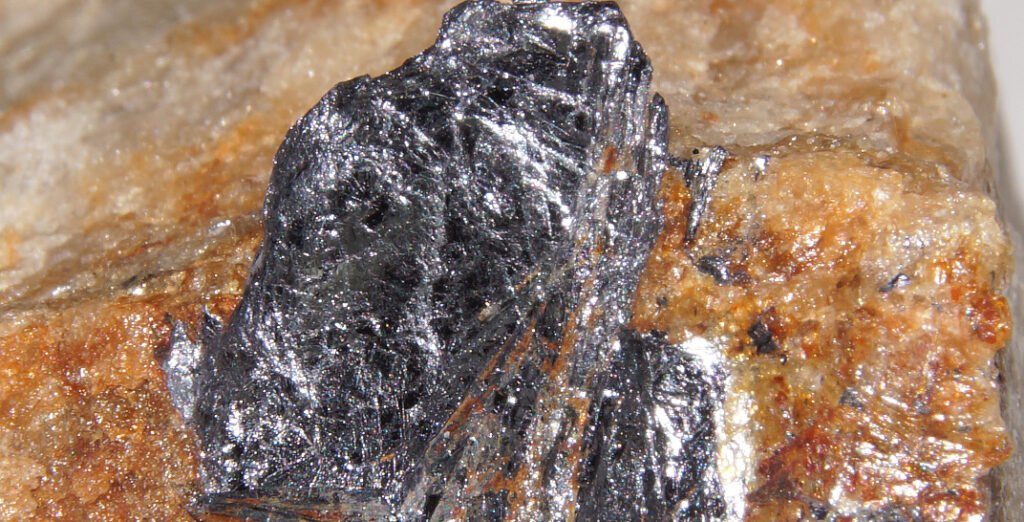
Molybdenum (Mo) is a d-block transition metal with atomic number 42. It exists in various mineral forms in nature, but only molybdenite meets the requirements for industrial production. Its core atomic characteristics are as follows: relative atomic mass between 95.94 and 95.95 g/mol; electronic configuration [Kr]4d⁵5s¹; electronegativity (Pauling scale) range of 1.8–2.16; first ionization energy of 651–684.316 kJ/mol; electron affinity of 72.171 kJ/mol; common oxidation states include 0, 2, 3, 4, 5, and 6; and its standard potential is -0.2 V.
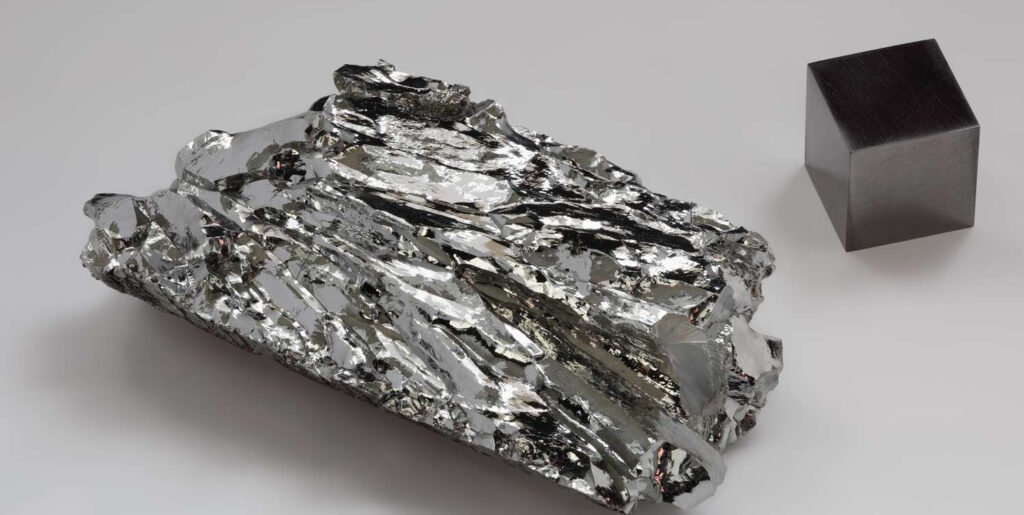
- In terms of physical properties, molybdenum is a solid, bright silver-colored metal at 20℃, with a density of 10.2 g/cm³, a melting point between 2610-2623℃, and a boiling point range of 4639-4825℃. Its van der Waals radius is 0.139 nm, covalent radius is 1.46 nm, and non-bonded atomic radius is 2.17 Å. The radius of its +4 valent ion is 0.068 nm, and the radius of its +6 valent ion is 0.06 nm. It has a bulk modulus of 231 GPa and a specific heat capacity of 251 J/(kg·K). It possesses a high elastic modulus, can be slowly corroded by acids, and undergoes oxidation at high temperatures.
- In terms of isotopic properties, molybdenum has 11 naturally occurring isotopes, among which the main isotopes and key parameters are as follows: ⁹²Mo abundance 14.53%, half-life exceeding 3×10¹⁷ years, decay mode β⁺-EC; ⁹⁴Mo abundance 9.15%, no clear decay data available; ⁹⁵Mo abundance 15.8%, no decay-related records; ⁹⁶Mo abundance 16.67%, no decay data available; ⁹⁷Mo abundance 9.60%, no decay records available; ⁹⁸Mo abundance 24.39%, no decay data available; ¹⁰⁰Mo abundance 9.82%, half-life up to 6×10²⁰ years, decay mode β-β⁻.
Discovering History
In 1778, Swedish chemist Carl Wilhelm Scheele analyzed molybdenite, which closely resembled lead and graphite, confirming that it was neither lead nor graphite and clearly identifying it as a mineral containing a new element. However, he was unsuccessful in isolating the metallic element. In 1781, Peter Jacob Hjelm mixed molybdic acid with carbon and added linseed oil to create a paste. After heating at high temperatures, he successfully isolated the metallic molybdenum, officially discovering the element. Its name comes from the Greek word "molybdos," meaning "lead," because early mineralogists often confused molybdenite with lead.
Molybdenum mineral resources and mining technology
Mineral Resources Overview
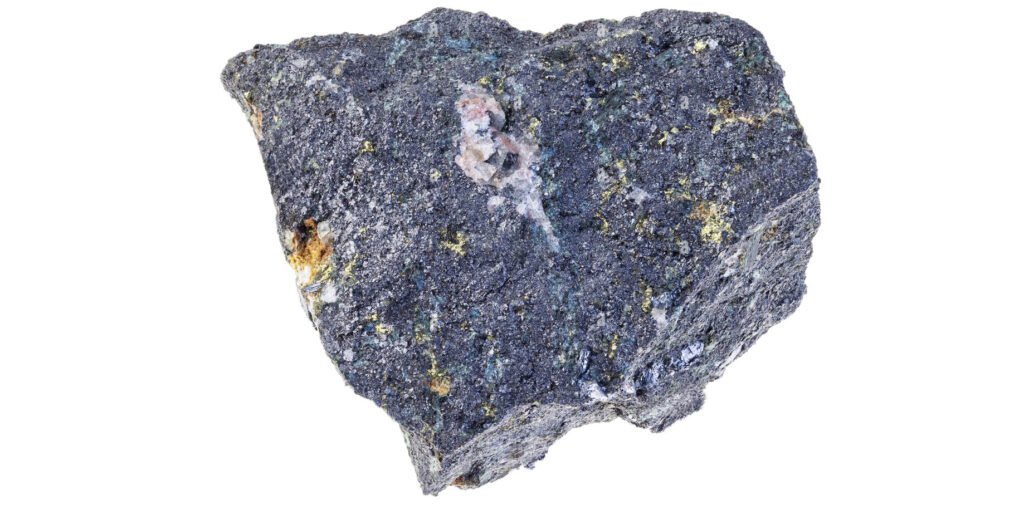
The primary ore for molybdenum is molybdenite (molybdenum disulfide), with scheelite being a secondary ore. Molybdenite can occur alone or in association with metals such as copper, with molybdenum content ranging from 0.01% to 0.25% in various ore bodies. Some molybdenum is recovered as a byproduct of tungsten and copper production. Global molybdenum reserves are approximately 12 million tons, with the United States holding 5 million tons. Major reserves are located in the United States, China, Chile, Peru, Canada, and Russia. Global annual production is approximately 90,000 to 200,000 tons, with China, the United States, and Chile being the core producing countries. China accounts for 40% of global production.
Mining technology classification
The molybdenum mining technology is selected based on the ore body's burial depth. Specific operational procedures and application scenarios are shown in the table below.
| Mining Method | Applicable Conditions | Core Operational Steps | Technical Characteristics |
| Open-pit mining | Ore body close to the surface | Excavate/remove the overburden, fully expose the ore body, then conduct large-scale mining | Simple process, high mining efficiency, facilitates mechanization and large-scale equipment use |
| Block caving | Ore body deeply buried underground | 1. Undercut and create large ore blocks from the bottom of the ore body 2. Induce natural collapse/caving by utilizing the ore block's own weight and gravity 3. Transport the caved/broken ore to the surface via underground haulage system | No need for extensive underground development workings, relies primarily on gravity and the ore's self-weight for extraction, significantly reduces underground operational complexity and support requirements |
Molybdenum extraction and processing technology
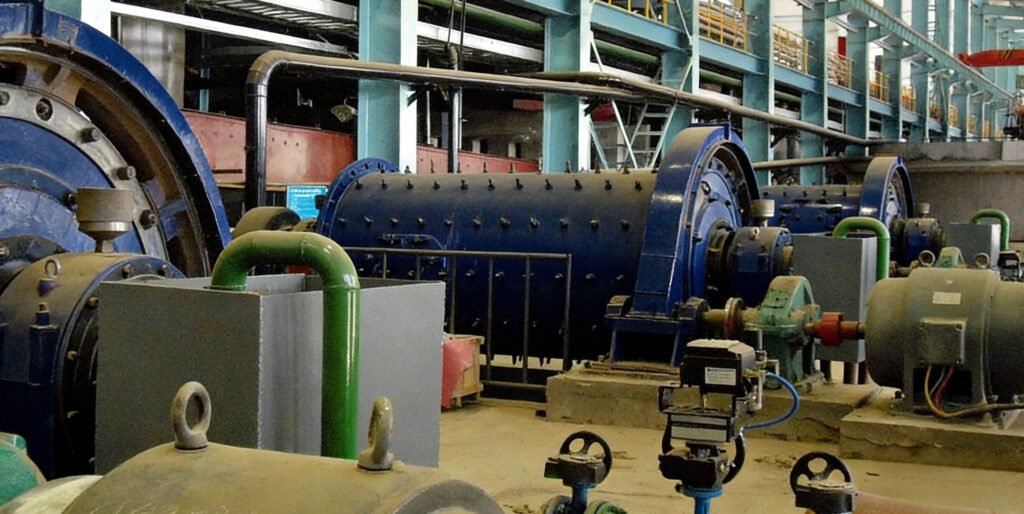
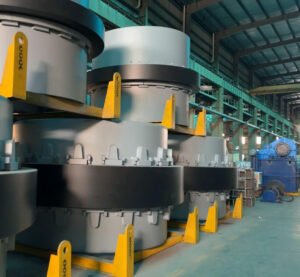
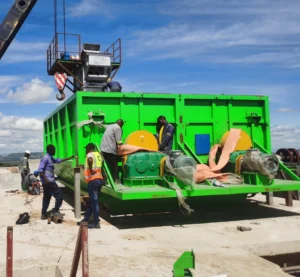
The extraction and processing of molybdenum adopts a segmented grinding and multi-stage separation process to avoid over-grinding and ensure a high recovery rate of molybdenum concentrate. The core process includes four stages: crushing and screening, grinding, flotation, and roasting.
Phase 1: Fragmentation and Selection
A three-stage closed-circuit crushing process is adopted to complete ore crushing and partial liberation, improving the efficiency of subsequent grinding processes. Specific process:
- A vibrating feeder evenly conveys large molybdenum ore to a jaw crusher for primary crushing;
- the primary crushing product is screened by a vibrating screen, and the qualified ore is sent to a cone crusher for secondary crushing;
- the secondary crushed ore is further sent to a sand making machine for fine crushing, and the final crushed product particle size is controlled at 12-15mm.
Second stage: Grinding
A two-stage, closed-circuit grinding process is employed to ensure thorough grinding of the ore. The process is as follows:
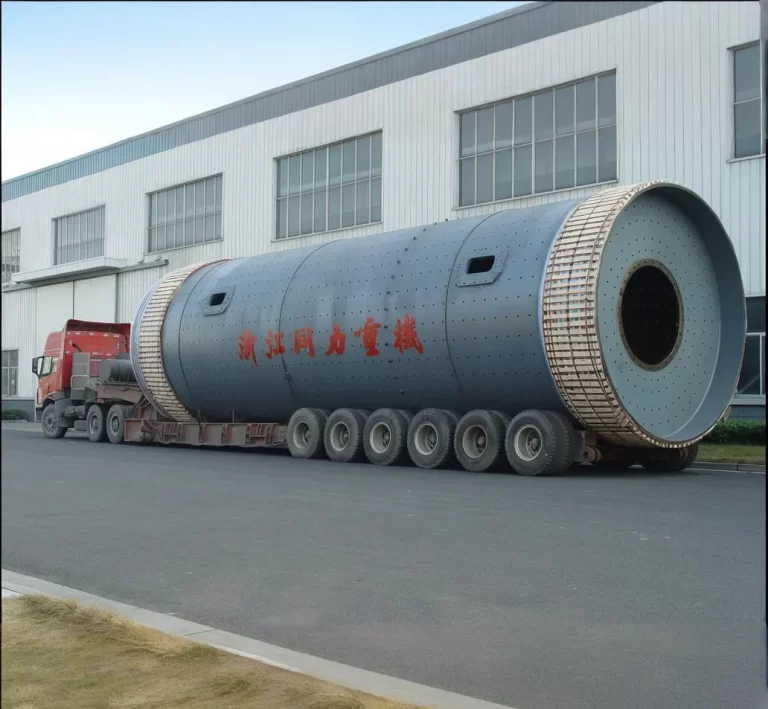
- The crushed molybdenum ore is fed into a ball mill for grinding, reducing the molybdenum disulfide powder to a particle size of several micrometers.
- The ground product is then screened by a spiral classifier. Qualified molybdenum powder is sent to a flotation machine, while unqualified powder is returned to the ball mill for further grinding.
Third stage: Molybdenum flotation
Molybdenum and gangue are separated using preferential flotation, and molybdenum concentrate is purified through reagent action. Specific operation: Molybdenum powder and gangue powder are mixed with flotation reagents and aerated. The mixture is then separated in a flotation machine to obtain a molybdenum concentrate with a molybdenum disulfide content of 85%-92%. The classification of flotation reagents and the selection of depressants are shown in the table below:
| Reagent Type | Specific Types | Applicable Scope / Target Minerals | Operation Instructions / Usage Notes |
| Collector | Non-polar oils (e.g., Syntex, xanthate esters, kerosene, fuel oil, etc.) | Adsorbs on molybdenite (MoS₂) surface to enhance hydrophobicity | Directly mixed with ore pulp or mineral powder; commonly used as auxiliary collector for molybdenite |
| Regulator / Modifier | Lime (CaO or Ca(OH)₂) | Adjusts pH of the flotation system (typically to alkaline conditions) | Added quantitatively according to the required pulp pH; usually maintains high pH (>10–11) for selective flotation |
| Depressant | Sodium silicate (water glass), cyanides, sulfides, dichromates, Nokes reagent, sodium hexametaphosphate, carboxymethyl cellulose (CMC), ferric chloride, organic gums, etc. | Suppresses floating of gangue and impurity minerals | Select targeted depressants based on impurity types; specific applications as follows: 1. Copper and iron impurities: Sodium sulfide (Na₂S), sodium hydrosulfide (NaHS), cyanide (NaCN), ferrocyanide 2. Lead impurities: Dichromates, Nokes reagent 3. Calcium oxide (prone to slimes/mud): Sodium silicate, sodium hexametaphosphate, organic gums; followed by hydrochloric acid leaching if needed 4. Carbonaceous minerals: Sodium hexametaphosphate + CMC; or ferric chloride + sodium silicate + sodium hexametaphosphate 5. Silica (SiO₂): CMC; control content below specification limits |
If the inhibitor cannot bring the impurity content to the standard, chemical beneficiation (acid leaching) is used as an auxiliary method: secondary copper sulfide is leached with cyanide; chalcopyrite is leached with ferric chloride solution; and galena is leached with hydrochloric acid and ferric chloride solution.
Fourth stage: roasting
Molybdenum concentrate is roasted to convert it into industrial molybdenum oxide, while simultaneously recovering the byproduct rhenium. Specific process:
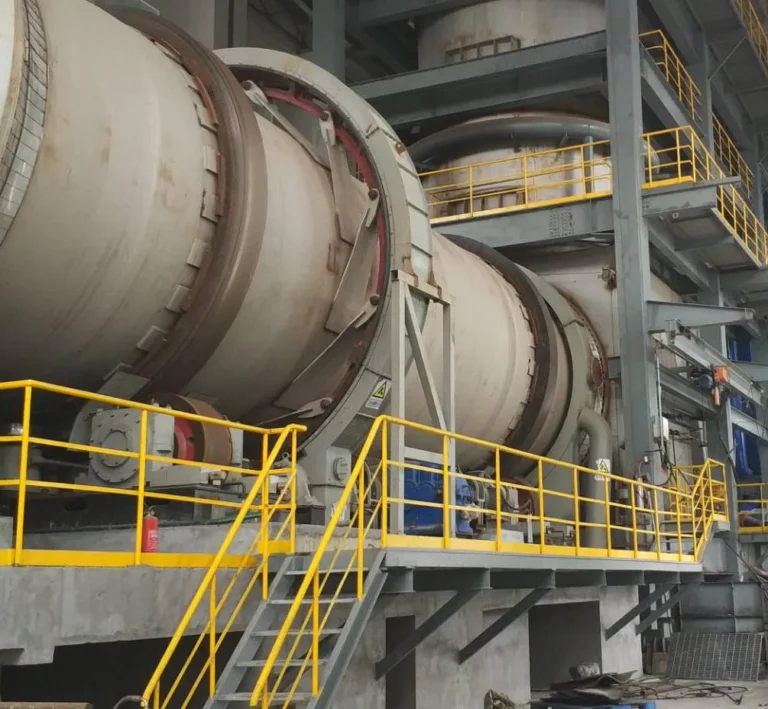
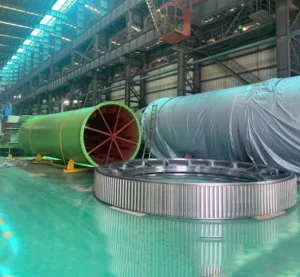
- Roasting conditions: A rotary kiln or multi-hearth furnace is used, with the temperature controlled between 500-650℃;
- Product conversion: Molybdenum concentrate is converted into molybdenum roasted ore (MoO₃), i.e., industrial molybdenum oxide (MoOx), with a minimum molybdenum content of 57% and a sulfur content of less than 0.1%;
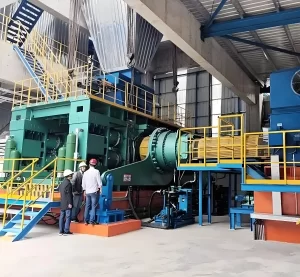
- Multi-hearth furnace operation details: Gas and hot air are introduced from the bottom, and the molybdenum concentrate is continuously agitated by a large rotating rake arm to promote chemical reactions; the furnace gas generated during roasting is treated with a desulfurization system or a lime washing device to remove sulfur dioxide;
- By-product recovery: The molybdenum concentrate contains 0.10% rhenium, which is recovered through the roasting process and is one of the main industrial sources of rhenium.
Application areas of molybdenum
Alloy Field
Molybdenum is a core alloying additive that enhances the strength, hardness, electrical conductivity, corrosion resistance, and high-temperature stability of steel. All ultra-high-strength steels with a yield strength of 300,000 psi contain 0.25%-8% molybdenum. 30%-40% molybdenum oxide is processed into ferromolybdenum (FeMo), used in the production of various molybdenum alloy steels, typically added with scrap steel to precisely control the molybdenum content. Molybdenum is also used in nickel-based alloys (such as Hastelloy), which are heat-resistant and chemically resistant, and applied in specialized industrial applications. During World War II, the steel used in the German "Big Bertha" artillery piece had molybdenum as a core component.
Industrial and electronic fields
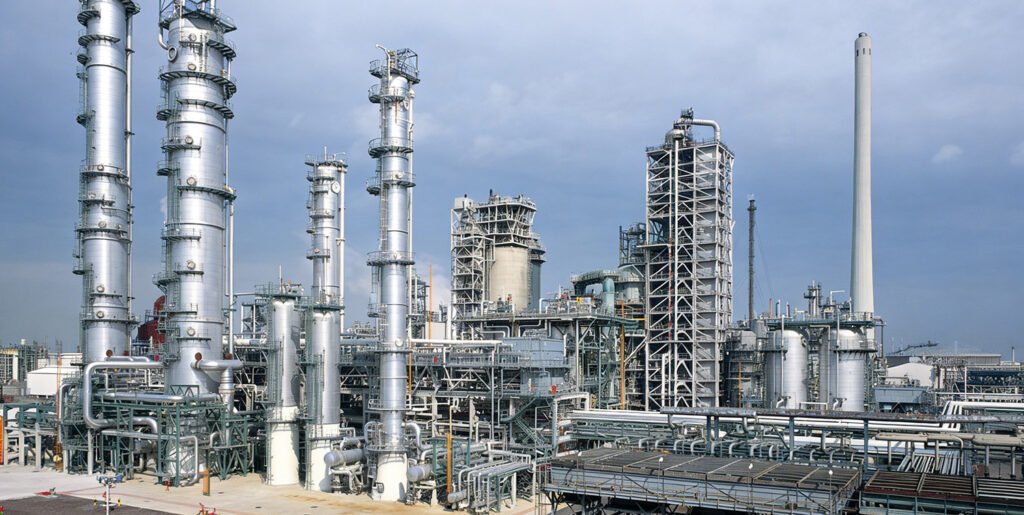
Molybdenum oxide can be directly used in the production of molybdenum alloy steel; 25% of molybdenum oxide is processed into molybdenum trioxide, molybdates, and other molybdenum chemicals through sublimation or chemical wet processing; molybdenum metal is prepared by reducing pure molybdenum trioxide or ammonium molybdate with hydrogen. In addition, molybdenum is used as a catalyst in petroleum refining processes; as electrodes in electrically heated glass melting furnaces and forehearths; as filament materials in electronic and electrical equipment; as circuit board ink, microwave devices, and heat sinks for solid-state devices; as missile and aircraft components; in nuclear energy applications; and as a high-temperature lubricant (suitable for high-temperature environments where oils are easily decomposed).
Agricultural sector
Molybdenum is an essential micronutrient for plants, and a deficiency of molybdenum in the soil can lead to soil infertility. The absorption of molybdenum by plants is affected by soil pH and drainage conditions. Molybdenum has low solubility in acidic soils and high solubility in alkaline soils. The molybdenum content in plants in alkaline soils can reach up to 500 ppm.
Biological functions and health effects of molybdenum
Biological necessity
Molybdenum is an essential trace element for almost all life forms, and its biologically active form is molybdenum cofactor (Moco), which serves as the active center for four human enzymes.
- Sulfite oxidase: Participates in the metabolism of sulfur amino acids (methionine, cysteine), catalyzing the conversion of sulfite to sulfate, and can also reduce nitrite to nitric oxide;
- Xanthine oxidase: Decomposes nucleotides (DNA and RNA precursors) to produce uric acid, enhances blood antioxidant capacity, and participates in drug and toxin metabolism;
- Aldehyde oxidase: Co-catalyzes hydroxylation reactions with xanthine oxidase, participating in drug and toxin metabolism;
- Mitochondrial aminooxime reductase (mARC): Forms a three-component enzyme system with cytochrome b5 and NADH/cytochrome b5 reductase, participating in the detoxification of mutagenic N-hydroxylated bases, prodrug metabolism, and can also reduce nitrite to nitric oxide. Two subtypes, mARC1 and mARC2, exist in the human body.
In plants, molybdenum is involved in the formation of nitrogenase, an enzyme that converts atmospheric nitrogen into bioavailable nitrogen compounds that support protein synthesis in bacteria, plants, and humans.
Intake sources and recommended intake

Intake sources
- Food sources: Legumes (beans, lentils, peas) are the richest source, while grain products and nuts are good sources; animal products, fruits, and most vegetables are low in molybdenum; the molybdenum content in food is significantly affected by soil molybdenum content and environmental conditions;
- Supplements: These include sodium molybdate, ammonium molybdate, molybdenum citrate, molybdenum chloride, molybdenum glycinate, etc.;
- Parenteral nutrition: May be added as a trace element, or may exist in small amounts due to contamination.
Recommended Daily Intake (RDA/AI) and Upper Limit of Tolerance (UL)
| Population / Age Group | Recommended Intake (μg/day) | Tolerable Upper Intake Level (μg/day) | Notes |
| 0–6 months infants | 2 (AI) | Not determinable (food and formula only) | - |
| 7–12 months infants | 3 (AI) | Not determinable (food and formula only) | - |
| 1–3 years children | 17 | 300 | - |
| 4–8 years children | 22 | 600 | - |
| 9–13 years children | 34 | 1,100 (1.1 mg/day) | - |
| 14–18 years adolescents | 43 | 1,700 (1.7 mg/day) | - |
| Adults 19 years and older | 45 | 2,000 (2.0 mg/day) | Daily Value (DV) is 45 μg/day (for ages 4 years and older) |
| Pregnant / Lactating women | 50 | 2,000 (2.0 mg/day) | - |
Types and treatments of deficiency syndromes
Acquired lack
Only one confirmed case: A Crohn's disease patient who had been receiving molybdenum-free parenteral nutrition (TPN) for a long time developed tachycardia, shortness of breath, headache, night blindness, and eventually coma; diagnosed with uric acid production deficiency and abnormal sulfur amino acid metabolism, after discontinuing the original TPN solution and supplementing with ammonium molybdate (300μg/day), the clinical symptoms improved and the amino acid intolerance disappeared.
Hereditary deficiency
- Molybdenum cofactor deficiency (MocoD): Caused by mutations in the MOCS1, MOCS2, MOCS3, and GPHN genes, it is classified into three types: A, B, and C. It causes abnormalities in all molybdenum-dependent enzymes, manifesting as severe neurological dysfunction (brain atrophy, intellectual disability, refractory epilepsy, and lens dislocation). Treatment: Type A can be treated with intravenous cyclopyridoxine monophosphate (cPMP, drug name Nulibry), requiring early diagnosis and treatment initiation; Type B can be managed with pyridoxine (vitamin B6) supplementation to alleviate epilepsy; Type C currently has no effective treatment.
- Isolated sulfite oxidase deficiency (ISOD): Caused by mutations in the SUOX gene, its symptoms are similar to MocoD. Metabolic characteristics include the accumulation of sulfite, taurine, S-sulfocysteine, and thiosulfate. There is currently no specific treatment; some patients may experience symptom improvement through pyridoxine and folic acid supplementation.
Toxicity and Clinical Application
Toxicity manifestations
- Humans: Excessive molybdenum intake can lead to elevated blood uric acid and ceruloplasmin levels, resulting in gout-like symptoms. In extreme cases, adults who ingest a cumulative 13.5 mg of molybdenum over 18 days may experience acute psychosis, hallucinations, epilepsy, and other neurological symptoms. Workers with long-term exposure to molybdenum dust may develop abnormal liver function and hyperbilirubinemia. In a certain region of Armenia, a daily intake of 10-15 mg of molybdenum resulted in joint pain, deformities, erythema, and edema.
- Animals: Molybdenum and its compounds are highly toxic. Excessive molybdenum can cause fetal malformations. When the molybdenum content in feed exceeds 10 ppm, most livestock face health risks. In ruminants, excessive molybdenum intake can lead to the formation of thiomolybdate in the intestines, hindering copper absorption and causing fatal copper deficiency.
Clinical application
Tetrathiomolybdate (TM) can form a high-affinity complex with copper, reducing free copper levels and is used to treat Wilson's disease (a genetic disorder in which copper accumulates in tissues, leading to liver and brain damage). Pilot studies have shown that TM can be used to treat advanced malignancies (metastatic renal cell carcinoma, colorectal cancer, and breast cancer with a high risk of recurrence) by stabilizing the condition and preventing recurrence through copper depletion. TM has also shown potential efficacy in animal models of inflammation and immune-related diseases, but further clinical studies are needed to validate these findings.
Nutritional interactions and drug interactions
- Nutritional interactions: Molybdenum and copper have an antagonistic relationship; high doses of molybdenum can affect copper absorption and metabolism. However, healthy adults with a daily intake of 1500 μg of molybdenum did not show any abnormalities in copper nutritional status.
- Drug interactions: High doses of molybdenum can inhibit the metabolism of acetaminophen in rats; the effects of relevant clinical doses in humans are unclear.
Disease prevention related research
- Esophageal Cancer: In Linxian County, China, where soil molybdenum content is low, the incidence of esophageal cancer is 10 times the Chinese average and 100 times that of the United States. Molybdenum levels in hair and nails of people in high-incidence areas are significantly lower than in low-incidence areas. A 5.25-year intervention trial of molybdenum supplementation (30 μg/day) + vitamin C (120 mg/day) did not reduce esophageal cancer incidence or mortality. A 25-year follow-up showed that this combination may slightly increase the risk of gastric cardia cancer and overall cancer death, with a slightly increased risk of esophageal cancer death in people over 55 years of age (HR=1.16, 95% CI: 1.04-1.30).
- Longevity: In longevity regions such as Rugao, Jiangsu Province, and Zhongxiang, Hubei Province, molybdenum content in soil, drinking water, and rice is positively correlated with the proportion of long-lived individuals, suggesting that multiple trace elements work synergistically to improve human health, rather than molybdenum acting alone.
Environmental characteristics and supply risks of molybdenum
Environmental characteristics
- Molybdenum in soil: Solubility is related to soil pH, with low solubility in acidic soils and high solubility in alkaline soils; plant absorption of molybdenum is significantly affected by soil pH and drainage conditions;
- Environmental toxicity: Molybdenum is an essential trace element for all species, but excessive amounts are toxic. Animal experiments have confirmed that excessive molybdenum can lead to fetal malformations. When the molybdenum content in feed exceeds 10 ppm, most livestock face health risks.
Supply risk
The relevant parameters for molybdenum supply risk are as follows: relative supply risk 8.6; crustal abundance 0.8 ppm; recycling rate 10%-30%; high substitutability; production concentration 40% (top 1 producing country's share); reserve distribution 43% (top 1 reserving country's share); the top producing country and the top reserving country are both China, and the political stability score is 24.1.
Conclusion
Molybdenum, a transition metal with both industrial value and bioactivity, has an industrial chain encompassing multiple stages, including mineral development, extraction and processing, and end-use applications. Mining technologies are precisely selected based on the ore body's depth, and extraction and processing achieve efficient purification through a four-stage process of crushing, grinding, flotation, and roasting, while simultaneously recovering the rare metal rhenium. In alloys, industry, electronics, and agriculture, molybdenum's applications support technological upgrades and development across various sectors. In biological metabolism, molybdenum acts as a cofactor for key enzymes, participating in core physiological processes, and its related compounds demonstrate unique value in disease treatment. Future research should further optimize mining and processing technologies, improve resource recovery rates, balance resource development with environmental impact, and deepen research into molybdenum's applications in the biomedical field to fully explore its diverse values.