






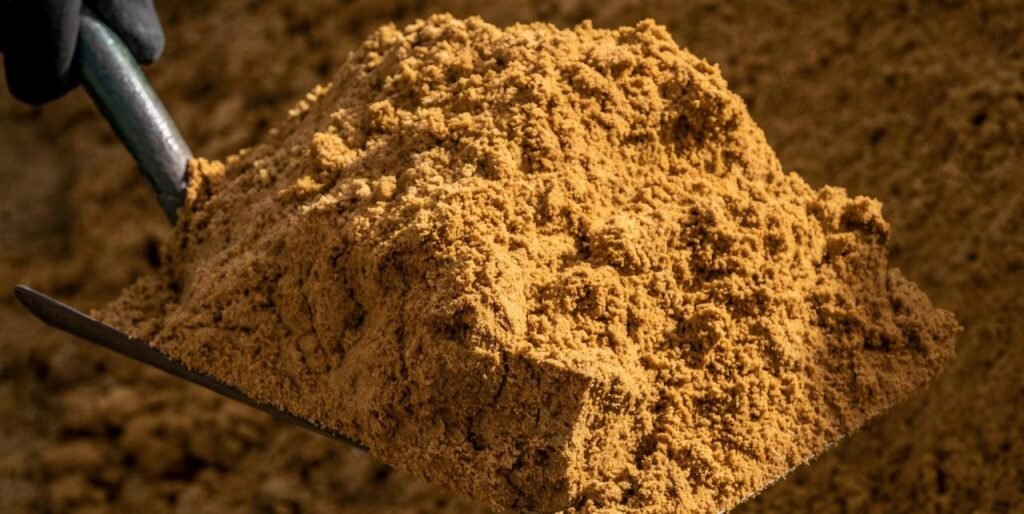
Construction Sand is one of the most widely used basic materials in construction, essential for applications such as concrete, mortar, plastering, backfilling, and road base construction. Sand from different sources and with varying particle sizes differs in terms of particle shape, gradation, and impurity content; these factors directly influence the strength, durability, and workability of the resulting mixtures. In engineering practice, the selection of sand must be determined based on a comprehensive assessment of the structural component, required strength grade, and construction method, as there is no single "optimal" type of sand for all applications. Sand used in construction is primarily classified according to source, particle size, and processing method. Based on source, it is categorized into natural sand and manufactured sand; based on particle size, into coarse, medium, fine, and extra-fine sand; and based on processing, into raw sand, washed sand, and graded sand. These classification systems overlap, and in actual engineering projects, sand properties are typically described using a combination of these criteria.
Classification system for construction sand
Classified by source
Natural sand is formed through natural weathering, fluvial transport, and deposition; it requires a long formation period, and its particle morphology is significantly influenced by geological processes. Major types include river sand, pit sand (mountain sand), sea sand, and lake sand. Manufactured sand is produced by mechanically crushing rock or industrial waste; it has a short production cycle, and its particle gradation and shape can be controlled through processing techniques. Major types include machine-made sand and crushed stone sand.
- River sand is sourced from riverbeds and banks; prolonged erosion and abrasion by water currents result in rounded, smooth-surfaced particles. It typically has low clay and impurity content, contributing to good workability in concrete and mortar. However, supplies are restricted in many regions due to environmental regulations and over-extraction.
- Pit sand—also known as mountain sand or coarse sand—is extracted from underground deposits or inland pits, typically at depths exceeding 1 to 2 meters. Due to iron oxide content, the particles often appear reddish-orange. They are sharp and angular with relatively large grain sizes, providing strong mechanical interlocking with cement paste.
- Sea sand is sourced from coastal areas; its particles are fine, rounded, and brown. Because it contains salt, it is hygroscopic; the presence of chloride ions can cause rebar corrosion, so it must undergo desalination before use in reinforced concrete structures. It is primarily used for non-structural applications such as landscaping and beach areas.
- Manufactured sand (or "M-sand") is produced by crushing, screening, and shaping hard rocks such as granite, basalt, limestone, or quartz. The particles are angular or cubic, with controllable gradation and stable quality; particle shape and fineness modulus can be customized to meet engineering specifications. Production lines can incorporate ball mills for fine grinding and rotary dryers to control the moisture content of the finished product.
- Crushed stone sand is a fine-particle byproduct of the aggregate crushing process and was historically treated as waste. After shaping and washing, it can be used for road base layers and low-strength structural components; its economic value is steadily increasing alongside advancements in processing technology.
Classification based on mineral composition
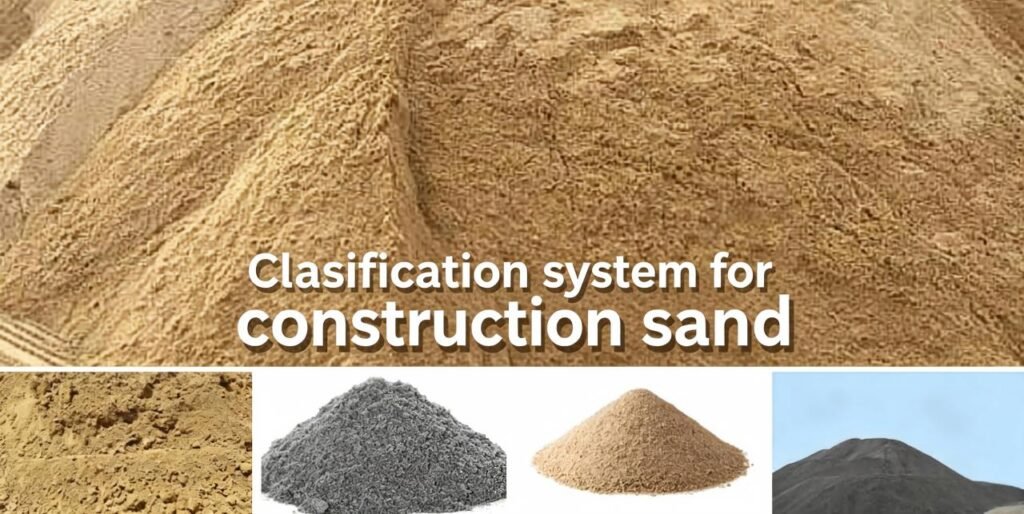
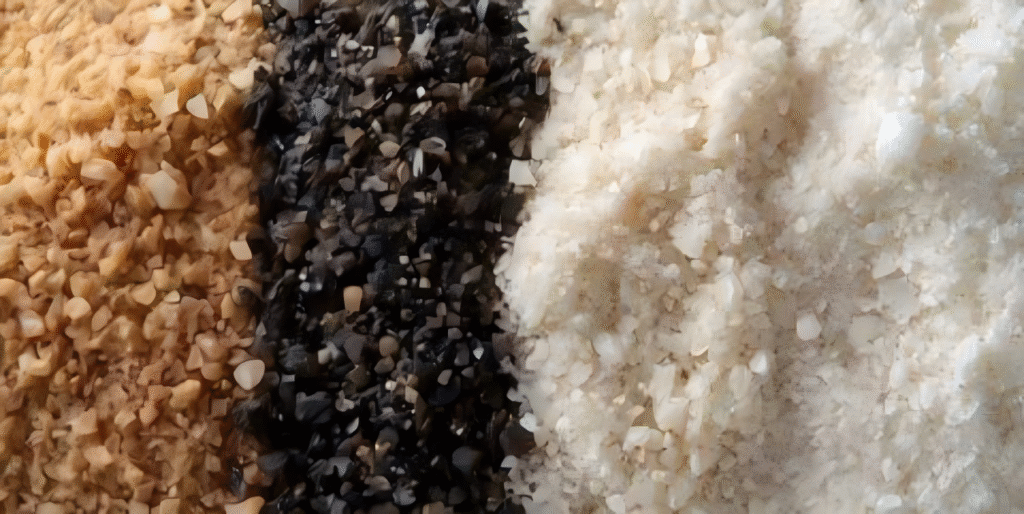
The mineral composition of sand is determined by the parent rock and directly influences the sand's hardness, chemical stability, and engineering properties. The most common mineral types found in construction sand include quartz sand, feldspar sand, and carbonate sand.
- Quartz sand is composed primarily of quartz minerals and is the most widely distributed type of construction sand. Characterized by high hardness, chemical stability, and strong resistance to weathering and corrosion, it is suitable for various concrete and mortar applications and represents the highest quality of construction sand. Quartz is the primary mineral constituent of river sand and most manufactured sands.
- Carbonate sand is composed mainly of calcium carbonate minerals and is typically formed from the weathering of shells, coral, or limestone. It has relatively low particle hardness, decomposes easily upon contact with acid, and may react with alkalis in cement; consequently, the risk of alkali-aggregate reaction must be assessed when using it. Certain coastal sea sands and manufactured limestone sands fall into this category.
- Feldspar sand contains significant amounts of feldspar minerals and is commonly found in sand derived from weathered granite. Feldspar is less chemically stable than quartz; prolonged weathering can cause it to break down into clay, thereby increasing the sand's clay content and potentially affecting the durability of the concrete.
Classification by particle size
The coarseness of sand is expressed by its fineness modulus; a higher value indicates coarser particles. Based on the fineness modulus, sand is classified into coarse sand (3.1–3.7), medium sand (2.3–3.0), fine sand (1.6–2.2), and extra-fine sand (0.7–1.5). Sands of different particle sizes are suited to different applications: coarse sand is primarily used for concrete and foundation work, medium sand for masonry, and fine sand for plastering and finishing.
Particle gradation reflects the distribution proportions of particles of various sizes. Well-graded sand contains a variety of particle sizes, resulting in low porosity when packed; this allows for reduced cement consumption and increased density. Poorly graded sand consists of particles of a uniform size and has high porosity, requiring a greater amount of cementing material to achieve the same strength.
Characteristics and Engineering Applications of Major Sand Molds
Different types of construction sand vary in terms of particle morphology, cleanliness, contribution to strength, and cost-effectiveness, making them suitable for different engineering applications. The table below summarizes the key characteristics and scopes of application for commonly used construction sands.
| Sand Type | Particle Shape | Cleanliness | Main Engineering Applications | Source Type |
| River Sand | Rounded and smooth | High | High-quality concrete, plastering, masonry mortar | Natural |
| Manufactured Sand | Angular cubic | Controllable | Structural concrete, high-rise buildings, bridges and dams | Artificial |
| Concrete Sand | Rough with sharp edges | Washed to remove impurities | Concrete foundations, floor slabs, columns, hard landscape base | Natural or Artificial |
| Coarse Sand (Pit Sand) | Sharp angular | Medium | Foundation works, load-bearing concrete | Natural |
| Masonry Sand | Fine and uniform | High | Bricklaying, block laying, plastering and finishing | Processed |
| Backfill Sand | Mixed particle sizes | Low | Site leveling, trench backfilling, roadbed subbase | Natural |
| Crushed Stone Sand | Fine angular particles | Meets standard after processing | Road base, low-strength filling | Artificial |
| Utility Sand (Pipe Sand) | Coarse, easily compactable | Medium | Pipe bedding, large-area excavation backfill | Natural or Artificial |
- Concrete sand falls into the category of coarse sand; it is washed and screened to remove clay, silt, and organic matter, making it specifically suitable for concrete mixing. Its coarse, rough-textured particles enhance internal bonding strength within the concrete while offering good drainage properties, making it ideal for structural components such as foundations, floor slabs, and columns.
- Masonry sand consists of clean, finely screened sand with uniform particle size and good gradation. It improves mortar workability, facilitating smooth spreading in brick joints and leveling during plastering. It is used for applications requiring high surface smoothness, such as bricklaying, block masonry, and decorative plastering.
- Backfill sand is a low-cost material that typically undergoes little to no processing (such as washing); it features uneven particle size distribution and may contain small amounts of crushed stone or soil particles. Once compacted, it offers adequate load-bearing capacity and drainage, making it suitable for non-structural applications like site leveling, trench backfilling, and roadbed sub-bases; it must not be used for structural concrete.
- Utility sand—also known as pipe bedding sand—features coarse particles and excellent compaction characteristics. It is primarily used for pipe trench bedding, landscaping backfill, and large-scale excavation backfilling, providing uniform support for pipelines and facilitating drainage.
Quality evaluation indicators for construction sand
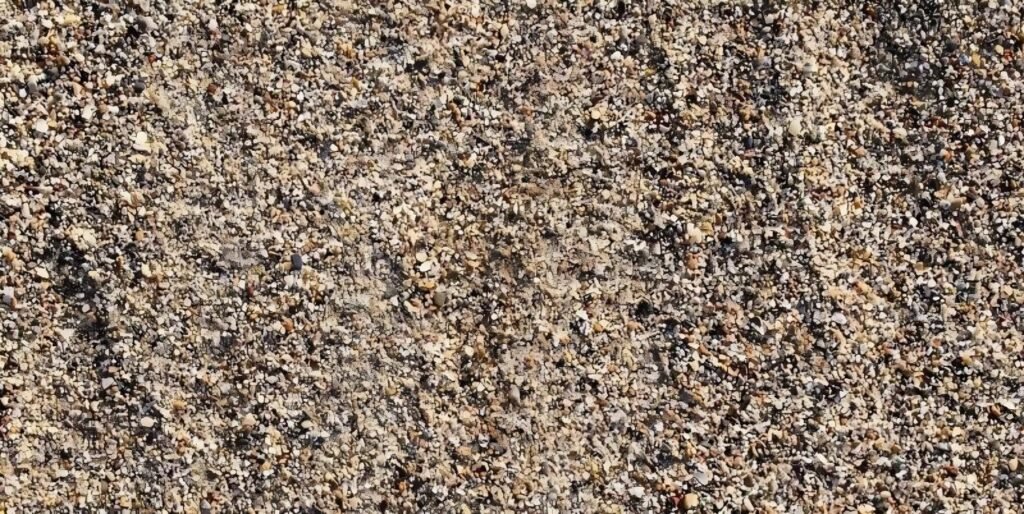
The quality of construction sand directly affects the performance of concrete and mortar. Key evaluation indicators include particle gradation, silt content, content of harmful substances, soundness, and the crushing value. Based on quality grades, it is typically classified into three categories, corresponding respectively to high-strength concrete, ordinary concrete, and masonry mortar.
| DetectionItem | ClassⅠ(HighStrength) | ClassⅡ(OrdinaryConcrete) | ClassⅢ(MasonryMortar) |
| Mud Content (%) | <1.0 | <3.0 | <5.0 |
| Clay Lump Content (%) | 0 | <1.0 | <2.0 |
| Chloride Ion Content (%) | <0.01 | <0.02 | <0.06 |
| Mica Content (%) | <1.0 | <2.0 | <2.0 |
| Lightweight Material Content (%) | <0.5 | <1.0 | <1.0 |
| Sulfide and Sulfate Content (%) | <0.5 | <0.5 | <0.5 |
| Crushing Index (%) | <20 | <25 | <30 |
| Soundness Mass Loss (%) | <8 | <8 | <10 |
Particle size distribution and fineness modulus
Particle size gradation is determined through a sieve analysis using standard sieves with apertures of 4.75 mm, 2.36 mm, 1.18 mm, 0.6 mm, 0.3 mm, and 0.15 mm to calculate the percentage of material retained on each sieve. The gradation is categorized into three zones, corresponding to coarse, medium, and fine gradation types. Medium sand is the material most commonly used in engineering projects; it features a continuous distribution of coarse and fine particles and moderate void content, allowing for economical cement usage when mixing concrete.
The fineness modulus is a composite indicator representing the coarseness or fineness of sand, calculated based on sieve analysis results. For high-strength concrete, medium sand with a fineness modulus of 2.6 to 3.0 and a gradation falling within the middle zone is preferred. Ordinary concrete can utilize sand with a fineness modulus of 2.3 to 3.0 and a broader gradation range, while sand with a lower fineness modulus is suitable for masonry work and low-strength mortar.
Clay content and stone powder content
Silt content refers to the proportion of particles smaller than 0.075 mm in sand. In natural sand, silt particles weaken the interfacial bond between the cement paste and the sand grains, thereby reducing the strength and durability of the concrete. The fine particles in manufactured sand are known as "stone powder"; since their composition is identical to that of the parent rock, an appropriate amount can improve the workability and compactness of the concrete, whereas an excessive amount increases water demand and affects shrinkage characteristics. Limits for stone powder content in manufactured sand are generally higher than those for silt content in natural sand, and assessments must also take the Methylene Blue Value into account. During production, the stone powder content in manufactured sand can be flexibly controlled by adjusting the grinding time in the ball mill and utilizing classification equipment.
Hazardous substances
Chloride ion content is a critical control parameter for sand used in reinforced concrete. Chloride ions can destroy the passive film on the surface of reinforcing steel, triggering corrosion and volumetric expansion, which leads to concrete cracking and spalling. Limits on chloride ion content are strictest for prestressed concrete, followed by reinforced concrete, while requirements for plain concrete are more lenient. Due to their high salt content, sea sands must undergo a desalination process to meet standards before use.
Harmful impurities include organic matter, mica, lightweight particles, and sulfides. Organic matter retards cement hydration, mica reduces interfacial bond strength, and sulfides corrode the cement matrix. High-quality sand should be chemically stable and free from harmful reactive components.
Physical and mechanical properties
The crushing value measures the resistance of sand particles to fragmentation under external force; a lower value indicates harder particles. Soundness is determined through a cyclic immersion test using a saturated sodium sulfate solution, reflecting the particles' resistance to disintegration under conditions of wetting-drying or freeze-thaw cycles. Class I sand is subject to the strictest requirements regarding crushing value and soundness, making it suitable for projects requiring long spans and high durability.
Comparison of Properties Between Natural Sand and Manufactured Sand
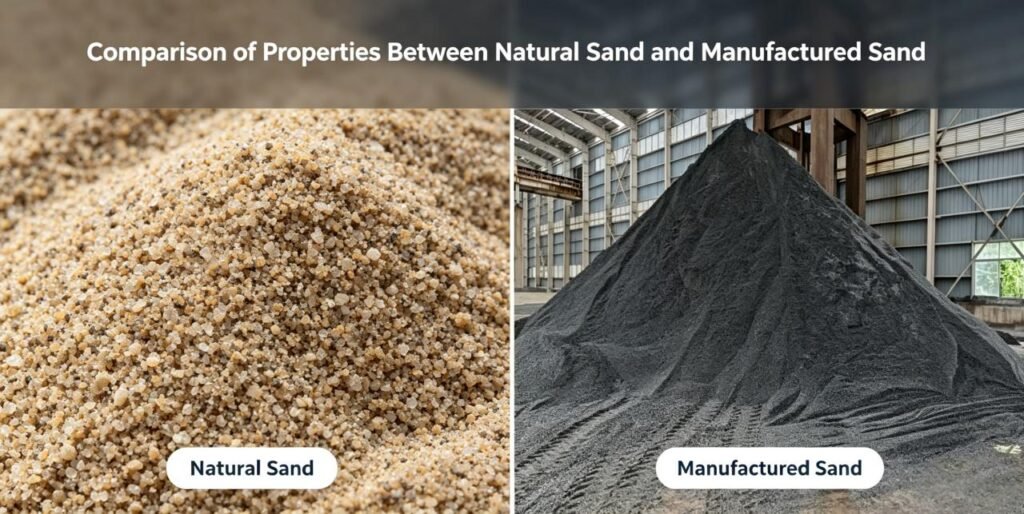
Due to differences in their formation processes, natural sand and manufactured sand exhibit significant disparities in particle shape, gradation stability, and engineering performance. As natural sand resources dwindle, the proportion of manufactured sand used continues to rise.
| Comparison Dimension | Natural Sand (River Sand) | Manufactured Sand (Machine-made Sand) |
| Particle Shape | Rounded and smooth, formed by long-term water erosion | Angular or sub-angular, with mechanical fracture surfaces |
| Gradation Controllability | Limited by natural conditions, large batch fluctuations | Screening process is controllable, stable and adjustable gradation |
| Fine Particle Composition | Mud content affected by origin, mostly clay | Contains stone powder, composition consistent with parent rock |
| Concrete Water Demand | Lower, better workability | Higher, due to rough particles and large specific surface area |
| Interfacial Bond Strength | Lower, smooth particles have weak interlocking with cement paste | Higher, angular particles provide strong mechanical interlocking |
| Resource Supply | Restricted by environmental protection, supply tight in many areas | Wide range of raw materials, capacity can be configured as needed |
| Applicable Scenarios | Plastering, finishing, ordinary concrete | High-strength concrete, large structural projects |
- The fundamental difference between the two types of sand lies in particle morphology. Natural sand particles are rounded with a low specific surface area, requiring less water during mixing and offering good mortar workability; however, their smooth surfaces result in weaker mechanical interlocking with the cement paste, often creating a weak interfacial zone in high-strength concrete. In contrast, manufactured sand particles are rough and angular, bonding tightly with the paste to yield high interfacial strength; however, they require more mixing water, and their compatibility with admixtures must be optimized through testing.
- Manufactured sand holds a distinct advantage regarding gradation stability. Natural sand gradation is influenced by river deposition conditions, leading to significant batch-to-batch variation that complicates concrete mix proportioning. Manufactured sand allows for precise control over the content of various particle size fractions through crushing and screening processes, ensuring batch consistency and helping to stabilize concrete quality.
- The nature of fine particle components also differs. The silt particles in natural sand typically consist of clay minerals that absorb water and swell, which is detrimental to concrete durability. Conversely, the stone dust in manufactured sand shares the same mineral composition as the parent rock; an appropriate amount of stone dust acts as a filler, improving the concrete's gradation and workability. The optimal range for stone dust content should be determined based on the methylene blue value and the concrete strength grade.
Manufacturing Process and Core Equipment for Manufactured Sand
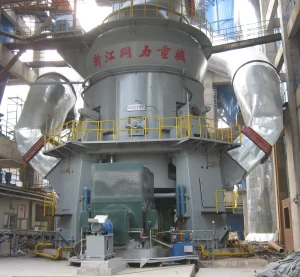
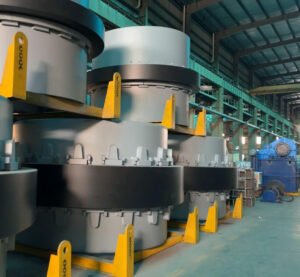
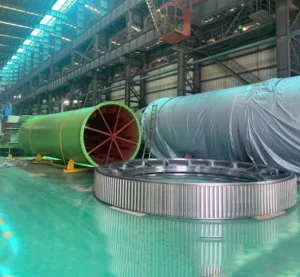
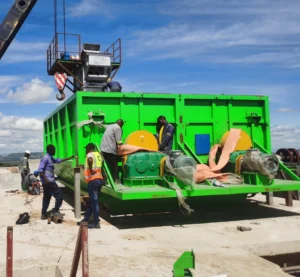
The production of manufactured sand involves controlling the particle shape, gradation, and cleanliness of the finished product through multiple processing stages; key steps include crushing, screening, grinding, and drying. The quality grade and production capacity of the finished sand are determined by the specific combination of equipment used, with ball mills and rotary dryers serving as critical components of the production line.
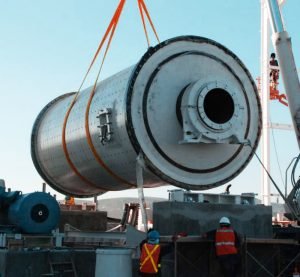
Ball mill
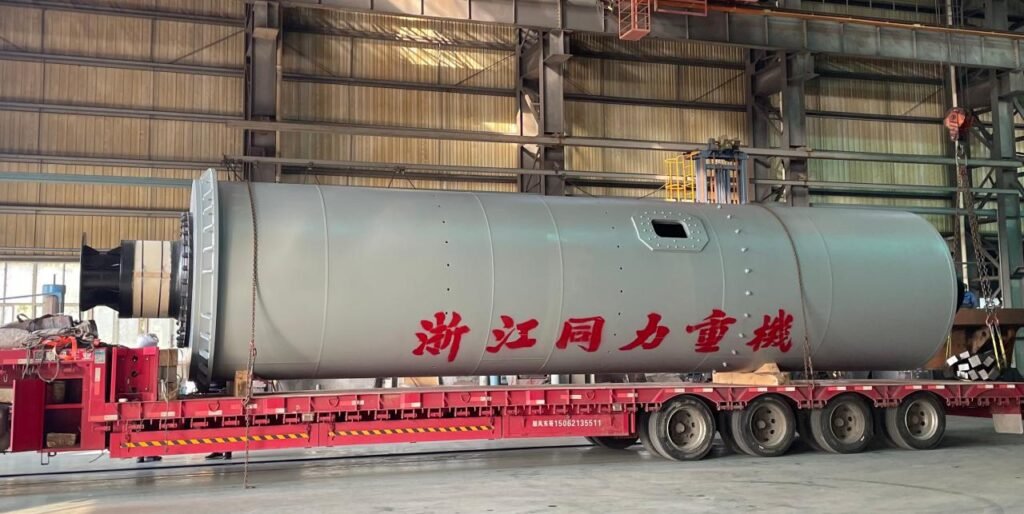
The ball mill serves as the fine-grinding equipment in a manufactured sand production line. Stone aggregates resulting from primary crushing often exhibit uneven particle size distribution with a high proportion of coarse particles; failing to meet the specific fineness modulus and gradation requirements for concrete sand, they necessitate further grinding and refinement. The ball mill's drum is charged with grinding media—such as steel balls or rods—which, as the drum rotates, lift and drop the material and media together; the stone is then reduced to the target fineness through the combined effects of impact and attrition.
The necessity of incorporating a ball mill is evident in three key aspects.
- First, it allows for the adjustment of the finished product's fineness modulus; sand from the initial crushing stage is typically too coarse, but fine grinding in a ball mill enables stable control within the medium or fine sand range, meeting the gradation requirements for various concrete strength grades.
- Second, it generates an appropriate amount of stone powder; this powder fills the voids between particles, thereby enhancing the concrete's density and workability, with the content flexibly regulated by adjusting grinding duration and classification equipment.
- Third, it expands the range of usable raw materials; industrial solid wastes—such as slag and steel slag—can be ground in a ball mill for use as mineral admixtures, thereby facilitating the comprehensive utilization of resources.
Rotary dryer
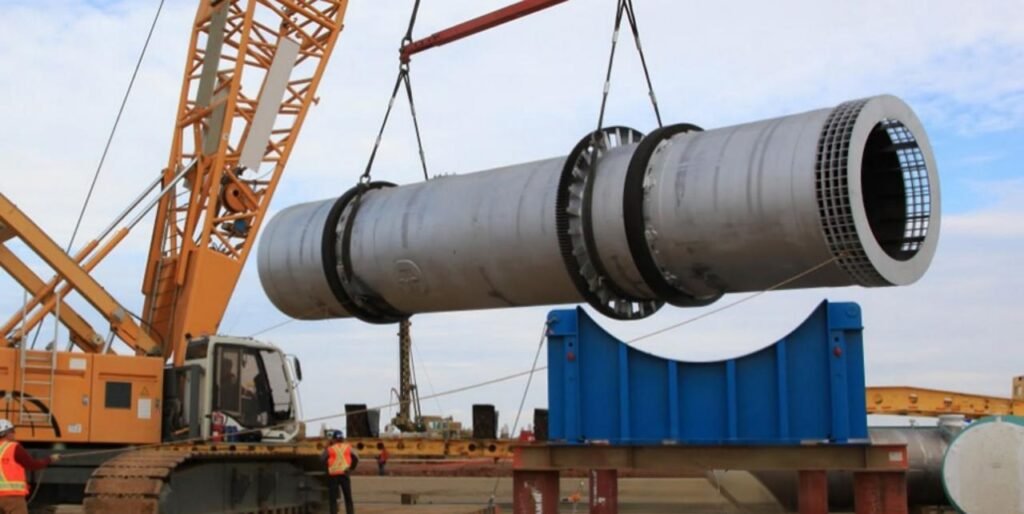
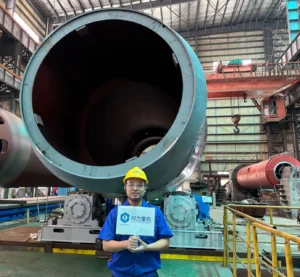
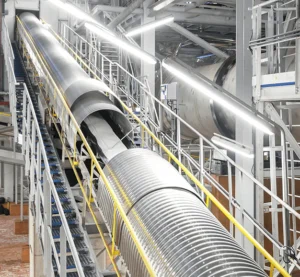
The rotary dryer is a piece of equipment used to control the moisture content of aggregates in sand and gravel processing lines. Washed sand and manufactured sand produced via wet processing typically have high moisture levels after the desliming stage; using such material directly can disrupt the water-cement ratio during concrete mixing and compromise strength stability. Furthermore, high-moisture aggregates are prone to clumping and poor flow during storage and transport. The rotary dryer features an inclined, slowly rotating drum; material enters at the high end and discharges at the low end, undergoing continuous heat exchange through counter-current contact with a hot airflow, thereby reliably maintaining the finished sand's moisture content within specified limits.
The Role of Rotary Dryers in Construction Sand Processing
- Ensures precision in concrete mix proportions: Dried sand has a stable and measurable moisture content, eliminating the need for frequent water adjustments during batching at mixing plants and promoting batch-to-batch consistency in concrete quality.
- Meets storage and transport requirements: Sand with low moisture content is less prone to clumping or mold growth, allowing for long-term storage and ensuring smooth discharge during bulk transport.
- Expands operational seasons and geographic reach: Washed sand produced during rainy seasons or in humid regions requires drying to meet commercial standards for dispatch. Furthermore, it meets the requirements for dry-mix mortar production: Products such as masonry and plastering mortars have strict moisture content limits for sand—typically requiring levels below 0.5%—meaning only sand that has undergone thorough drying in a rotary dryer is suitable for use in dry-mix mortar production lines.
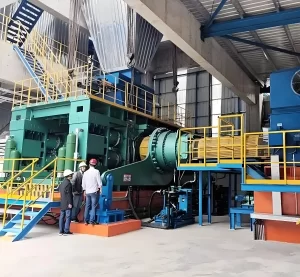
Ball mills and rotary dryers can be integrated with crushing, screening, and dust removal equipment to form a complete manufactured sand production line. Depending on raw material characteristics, product specifications, and production capacity requirements, the line is typically configured with a sequential process flow—crushing, screening, ball milling, and drying—enabling stable control over the gradation and moisture content of the finished sand.
Principles of Sand Selection and Scenario Suitability in Engineering
There is no single optimal solution for the selection of construction sand; the choice requires a comprehensive assessment based on the specific part of the structure, strength requirements, construction methods, and cost-effectiveness.
Structural concrete
Concrete used in load-bearing structures—such as beams, slabs, and columns—requires high strength and durability; therefore, manufactured sand or concrete sand with good gradation and low clay content is preferred. For high-strength concrete, Class I manufactured sand is the priority choice, as its angular particles provide superior interfacial bond strength. For concrete of standard strength grades, river sand or Class II natural sand may be used, offering good workability at a moderate cost.
Masonry and Plastering

Masonry mortar and plastering layers require high standards for workability and surface smoothness; therefore, fine or medium sand is recommended. For masonry work, using masonry sand—characterized by uniform particle size and high cleanliness—ensures smooth mortar spreading. For plastering, river sand or fine manufactured sand is preferred to achieve a smooth finish free of protruding particles. Sand used for plastering consists primarily of medium and fine grades with a smooth gradation curve, preventing surface unevenness caused by the clustering of coarse particles.
Backfill and Foundation Cushioning Layer
For site backfilling, trench backfilling, and roadbed sub-base layers, sand strength requirements are low; the focus is instead on compaction performance and drainage, so backfill sand or general-purpose sand may be used to control costs. Pipe bedding requires uniform particle size and stable support, making well-graded coarse sand or specialized pipe-bedding sand the preferred choice.
Road Engineering
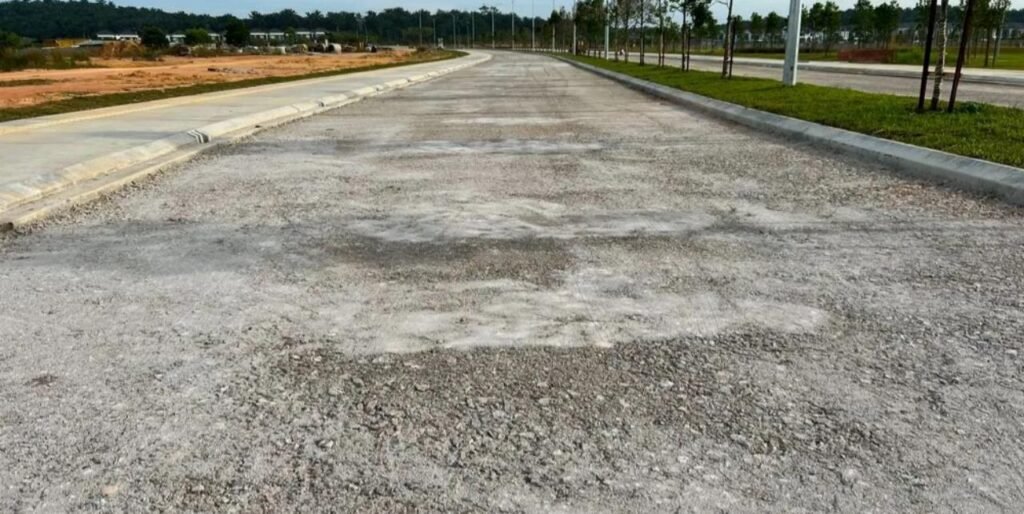
Road base and sub-base layers have specific requirements regarding the compaction and load-bearing capacity of the sand used; crushed-stone sand or well-graded coarse sand is suitable for these applications. For the concrete road surface layer, high-quality sand must be selected in accordance with structural concrete standards to ensure adequate wear resistance and frost resistance.
Effect of moisture content
The moisture content of sand directly affects construction performance. When the moisture content is optimal, the sand remains loose, making it easy to spread and ensuring effective compaction. Excessive moisture causes the sand to clump, leading to uneven spreading and a tendency for differential settlement after compaction. Conversely, insufficient moisture results in excessive dust generation and poor bonding with cementing materials. During on-site construction, the amount of water added must be adjusted based on weather and storage conditions to maintain the sand's moisture content within an appropriate range. Large-scale sand and gravel production lines are typically equipped with rotary dryers to consistently control the finished sand's moisture content within the target range.
Industry Development Trends
Shrinking Natural Sand Resources and Environmental Restrictions on Extraction
After years of continuous extraction, reserves of natural river sand have declined significantly in many areas, with excessive dredging causing issues regarding levee safety and ecological damage in some river channels. Local authorities have successively implemented policies banning or restricting sand extraction; consequently, the supply gap for natural sand continues to widen, and prices are trending upward. Sea sand is unsuitable as a primary source due to the risk of chloride ion corrosion and the high cost of desalination, which limits its scope of application.
Acceleration of manufactured sand substitution
As a substitute for natural sand, manufactured sand is seeing a steady increase in its application. It is derived from a wide range of raw materials—including quarried rock, mine tailings, and construction waste—and the quality of the finished product can be consistently controlled through process adjustments. Manufactured sand is now widely used in concrete for large-scale infrastructure and high-rise buildings, and the associated production technologies and quality standard systems are becoming increasingly mature.
Resource utilization of solid waste
Industrial solid wastes—such as tailings, slag, and steel slag—can be used as mineral admixtures or manufactured sand after undergoing grinding; this practice not only reduces the land area required for waste stockpiling but also lowers the production costs of sand and aggregates. Grinding equipment, such as ball mills, is widely used in solid waste resource utilization lines to transform industrial waste into construction materials that meet relevant standards, aligning with the principles of the circular economy and the development of green building materials.
Rising demand for high-quality sand and gravel
The production of high-performance concrete, precast components, and ready-mixed concrete demands increasingly strict control over aggregate gradation stability, silt content, and moisture levels, driving the industry to upgrade from extensive to precision-oriented production. Processes such as washing, drying, and classification/shaping have become standard features of high-quality manufactured sand production lines, while the adoption of moisture control equipment—such as rotary dryers—continues to rise.
Conclusion
Construction sand is a core component of concrete and mortar; its quality directly determines the strength, durability, and cost-effectiveness of structural engineering projects. Sand classification systems encompass various dimensions, such as origin, particle size, and processing method; common types include river sand, manufactured sand, concrete sand, coarse sand, masonry sand, backfill sand, and crushed stone sand, each suited to specific engineering applications. Quality assessment requires evaluating multiple indicators—including particle gradation, silt content, harmful substance content, and soundness—to ensure the appropriate type is selected based on the project's grade. Natural sand and manufactured sand each have distinct advantages and disadvantages: natural sand offers good workability but is a limited resource, whereas manufactured sand allows for controllable gradation and high interfacial strength but requires more water. As a substitute for natural sand, manufactured sand is increasingly used in large-scale infrastructure and high-rise building projects. The selection of sand for a project should be based on the structural component, strength grade, and construction method, as there is no single "best" type of sand for all situations. Proper selection optimizes material costs while ensuring project quality and reducing resource consumption.