






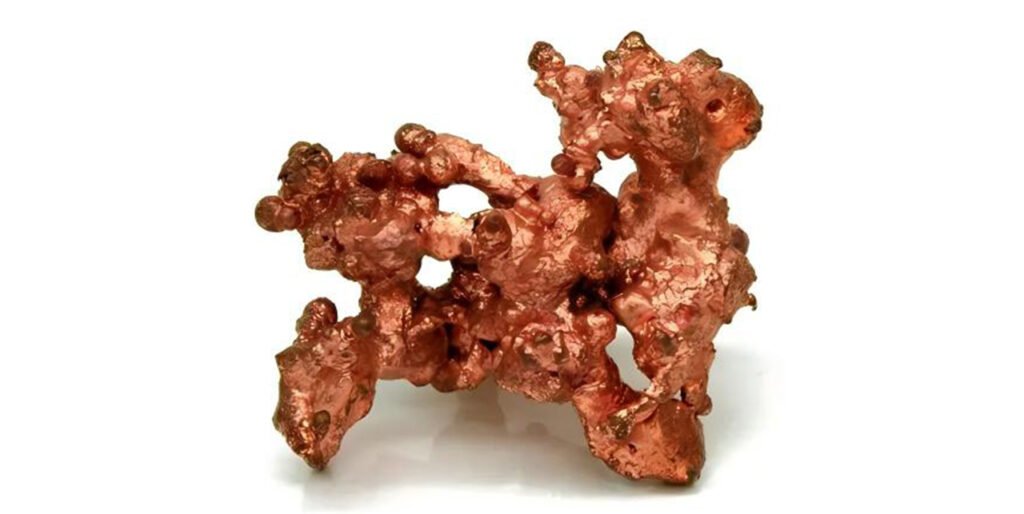
Copper (chemical symbol: Cu) is one of the earliest metal elements harnessed by humanity. It boasts excellent electrical and thermal conductivity, corrosion resistance, workability, and antimicrobial properties. While widely utilized across traditional sectors—such as power, electronics, energy, transportation, machinery, light industry, and construction—it also holds significant value in cutting-edge technology and the health sciences. With a history of human use spanning over ten millennia, copper was the core material of the prehistoric Copper Age and a hallmark of humanity's transition from the Stone Age to the Metal Age. Archaeological finds include copper pendants dating back to 8700 BCE, unearthed in what is now northern Iraq. Copper saw large-scale application in ancient Egyptian civilization; beyond its use in tools, ornaments, and plumbing systems, it held cultural significance, with the Ankh hieroglyph—symbolizing eternal life—also representing copper. Archaeological surveys have revealed that copper plumbing pipes in the Great Pyramid of Giza, installed over 5,000 years ago, remain functional to this day.
During the Age of Discovery, copper’s application expanded to the shipbuilding industry; the hulls of Columbus’s fleet were sheathed in copper sheets to resist marine borers and biofouling, thereby significantly extending the vessels' service life. This practice gave rise to the English idiom "copper-bottomed," used to describe something reliable and secure. With the advent of industrial society, copper became a fundamental raw material for power systems and the electronics industry due to its unparalleled electrical conductivity. In the context of the global energy transition, it has further emerged as a critical strategic material for renewable energy, electric vehicles, and other burgeoning sectors. This article provides a comprehensive overview of copper, examining it through multiple dimensions—including its elemental characteristics, physicochemical properties, resource supply, industrial applications, sustainability, health effects, and cutting-edge developments.
Basic characteristics of the element copper
Element Symbols and Etymology
Copper has the chemical symbol Cu and the atomic number 29, classifying it as a transition metal in Period 4 of the periodic table. Its symbol is derived from the Latin word cuprum, which evolved from the Roman-era term cyprium—a reference to the Mediterranean island of Cyprus, the most important center for copper mining and trade in the ancient world. This naming convention reflects the historical connection between the nomenclature of chemical elements and ancient commerce and regional civilizations.
Atomic Structure and Basic Parameters
Copper has an atomic mass of 63.546 atomic mass units; its nucleus contains 29 protons, and a neutral atom possesses 29 extranuclear electrons. The ground-state electron configuration of copper is [Ar] 3d¹⁰ 4s¹, representing an exception to Hund's rule: the configuration is more stable when the 3d subshell is completely filled, resulting in only a single electron occupying the 4s subshell. This electronic structure underpins copper's high electrical conductivity and chemical stability. In chemical reactions, copper primarily exhibits +1 and +2 oxidation states, enabling the formation of a wide variety of compounds and alloy systems.
Naturally occurring copper consists of two stable isotopes, ⁶³Cu and ⁶⁵Cu, with abundances of approximately 69.17% and 30.83%, respectively. In addition to deposits of combined forms such as sulfide and oxide ores, copper also exists in nature as native copper (elemental copper); this form requires no smelting and can be processed and utilized directly, serving as the primary source of copper for early human societies.
The fundamental characteristics and physical property parameters of copper are summarized below:
| Parameter Category | Indicator Item | Specific Value / Description |
| Element Identification | Element Symbol | Cu |
| Atomic Number | 29 | |
| Atomic Weight | 63.546 amu | |
| Element Category | Transition metal | |
| Thermal Properties | Melting Point | 1085°C |
| Boiling Point | 2562°C | |
| Thermal Conductivity (20°C) | 401 W·m⁻¹·K⁻¹ | |
| Specific Heat Capacity (20°C) | 385 J·kg⁻¹·K⁻¹ | |
| Linear Expansion Coefficient (25°C) | 16.5 μm·m⁻¹·K⁻¹ | |
| Electrical Properties | Resistivity (20°C, IACS Standard) | 1.7241×10⁻⁸ Ω·m |
| Conductivity Benchmark | In 1913, it was designated as the International Annealed Copper Standard (IACS) 100% benchmark | |
| Mechanical Properties | Density (20°C) | 8920 kg·m⁻³ |
| Young's Modulus | 110–130 GPa | |
| Tensile Strength (Annealed) | 200–400 MPa | |
| Elongation After Fracture | 30–60% | |
| Mohs Hardness | 3.0 | |
| Structural Features | Crystal Structure | Face-centered cubic |
| Electron Configuration | [Ar] 3d¹⁰ 4s¹ | |
| Common Oxidation States | +1, +2 | |
| Alloy System | More than 400 copper alloys have been put into application |
Global Distribution of Copper Resources and Extraction Processes
Resource Reserves and Distribution
Global copper resources are highly concentrated, with countries such as Chile, Australia, Peru, the Democratic Republic of the Congo (DRC), and Russia holding the majority of reserves; Chile ranks first globally. Copper resources are categorized into sulfide ores and oxide ores, with sulfide ores accounting for the vast majority of proven global reserves. The average grade of global copper deposits is trending downward; currently, the average grade of major operating deposits is approximately 1%. The proportion of high-grade deposits continues to decline, while the share of low-grade and associated ores being developed is gradually increasing.
Extraction and smelting processes
Copper extraction relies on two primary processes: pyrometallurgy and hydrometallurgy, with pyrometallurgy accounting for over 80% of global refined copper production.
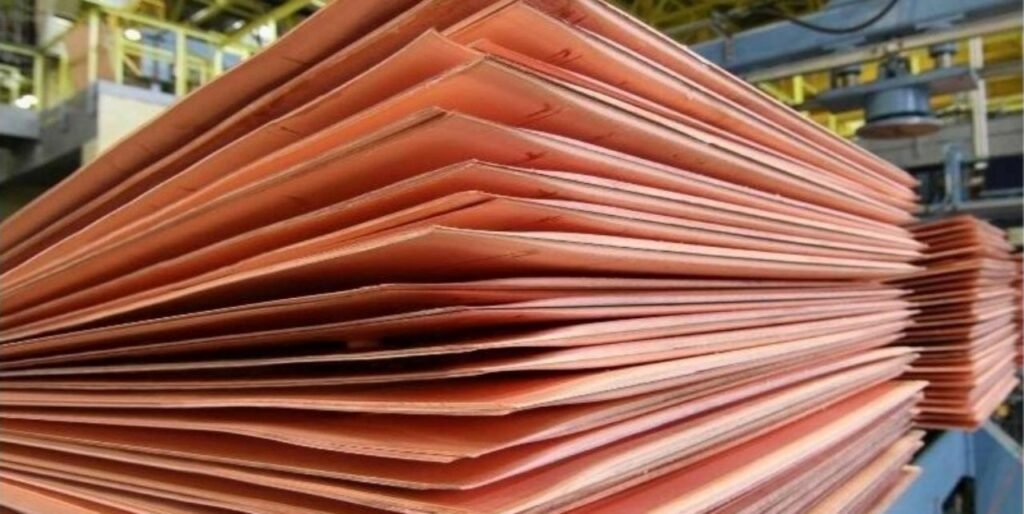
The core pyrometallurgical process involves the following steps: raw ore undergoes crushing, grinding, and flotation to produce copper concentrate (with a copper grade of 20%–30%); the concentrate is fed into a smelting furnace to yield blister copper (approximately 98.5% copper); blister copper undergoes fire refining to produce copper anodes (approximately 99.5% copper); and finally, electrolytic refining yields copper cathodes (over 99.95% copper), which are ready for downstream processing.
Hydrometallurgy is primarily used for low-grade copper oxide ores; it employs leaching, solvent extraction, and electrowinning (SX-EW) to produce copper cathodes directly. This process features a short workflow and low energy consumption, making it well-suited for the development and utilization of low-grade resources.
Process and Equipment System for Copper Resource Development and Recycling
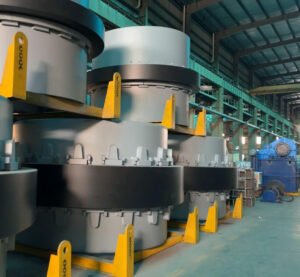
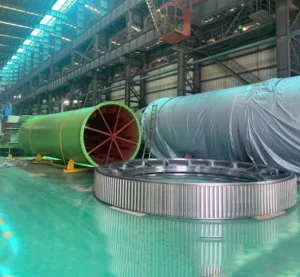
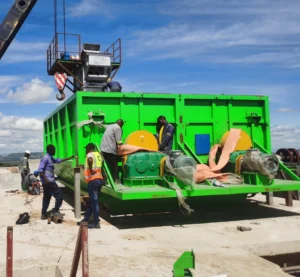
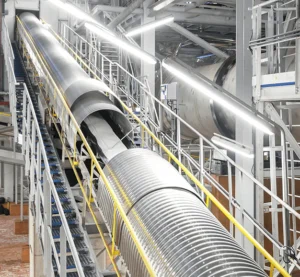
The entire lifecycle of copper resources—from underground raw ore to qualified industrial feedstock, and finally to resource recovery and recycling after decommissioning—relies on integrated industrial equipment for large-scale production. The performance of heavy-duty equipment used in processes such as mining and beneficiation, thermal processing, grinding, and solid waste treatment directly determines resource recovery efficiency, energy consumption levels, and the extent of comprehensive utilization; such equipment constitutes the material and technological foundation for the high-quality development of the copper industry.
Ore Crushing and Screening Equipment
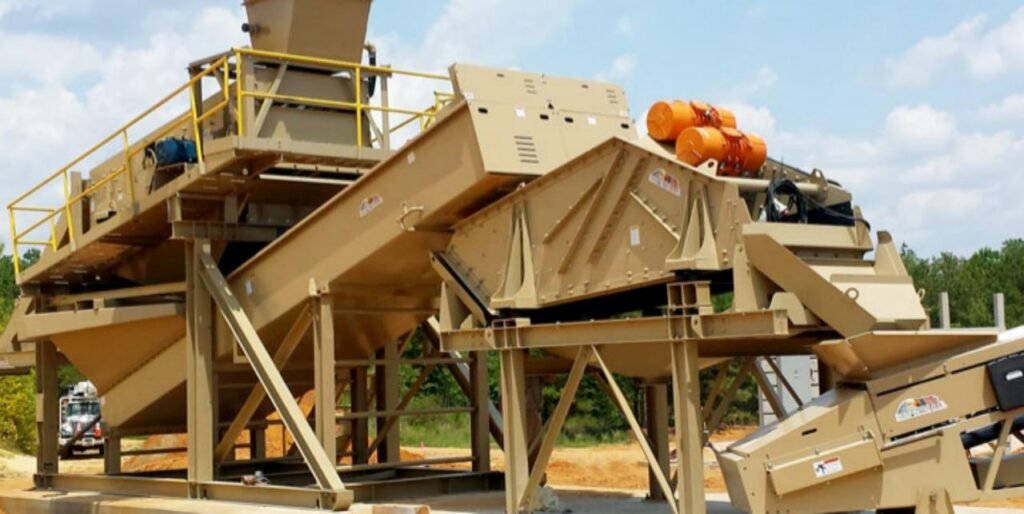
Due to the large lump size and high hardness of copper run-of-mine ore, it must undergo a multi-stage crushing and screening closed-circuit process to gradually reduce the particle size to meet mill feed specifications; this adheres to the energy-saving principle of "more crushing, less grinding," thereby lowering energy consumption in the subsequent grinding stage. Key equipment for this stage includes:
- Primary Crushing Equipment: Jaw crushers handle the initial crushing stage, capable of reducing run-of-mine ore (with particle sizes of several meters) to 150–300 mm in a single pass. Featuring a robust structure and high throughput, they are suited for the heavy-duty, continuous operations of large-scale open-pit copper mines. For dispersed mining areas and mobile working faces, mobile jaw crushing stations eliminate the need for fixed infrastructure, allowing crushing to take place directly at the extraction site and significantly reducing raw ore transportation costs.
- Secondary and Fine Crushing Equipment: Compound cone crushers and hydraulic cone crushers are employed for secondary and fine crushing, further reducing material to 8–15 mm; the inter-particle (lamination) crushing principle minimizes the production of flaky or elongated particles and improves particle shape uniformity. Impact crushers are suitable for the fine crushing of medium-hardness copper ore, offering excellent product shape and high reduction ratios. Mobile cone and impact crushing stations can flexibly relocate as the mining face advances, accommodating the dynamic production layout of the mine.
- Screening and Conveying Auxiliaries: Vibrating feeders ensure uniform, continuous material flow, maintaining the stable operation of the primary crushers. Vibrating screens perform size classification, with oversized material returned to the crusher to form a closed-loop circuit. Belt conveyors link the various processing stages, enabling continuous material transfer and fully automated process integration.
Equipment for Grinding, Separation, and Solid-Liquid Separation
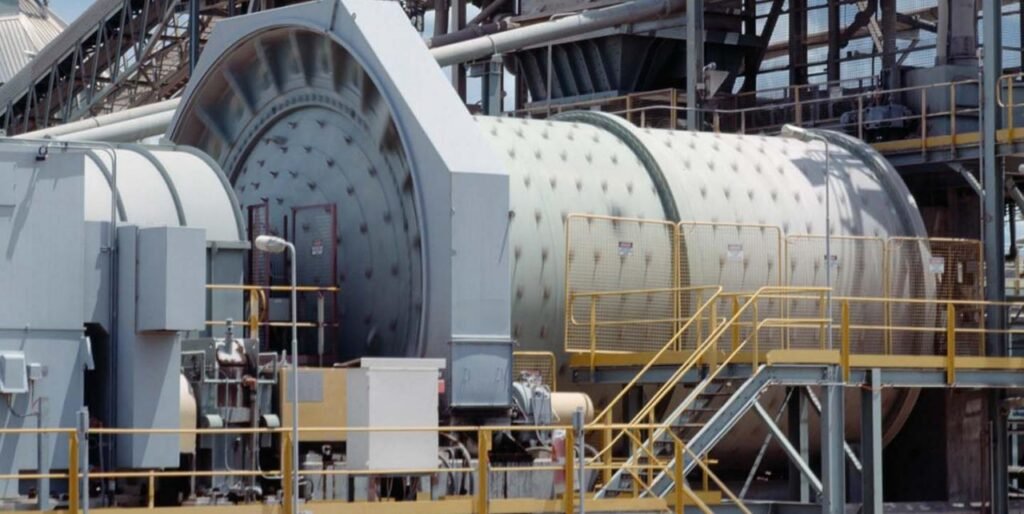
Crushed copper ore must undergo grinding to achieve the liberation of copper minerals from gangue, followed by separation and enrichment into copper concentrate, and finally dewatering to produce feedstock suitable for smelting; this stage determines the overall recovery rate of copper resources and the grade of the concentrate.
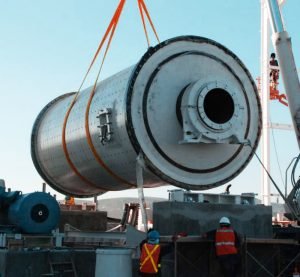
- Grinding Equipment: Ball mills serve as the core machinery for copper ore grinding; specifically, overflow and wet ball mills are widely used in primary and secondary closed-circuit grinding circuits for copper sulfide ores, offering high processing capacity and stable operation. Metallurgical ball mills are suitable for high-hardness copper ores and polymetallic ores containing copper, iron, and gold, while double-inlet/double-outlet and energy-saving ball mills can reduce specific energy consumption while maintaining the required product fineness. For large-scale mining operations, the SAB circuit—combining autogenous (AG) mills, semi-autogenous (SAG) mills, and ball mills—can eliminate intermediate and fine crushing stages, thereby simplifying the overall mining and beneficiation process.
- Separation and Dewatering Equipment: Flotation machines are the core equipment for separating copper sulfide ores; they utilize collectors and frothers to attach copper minerals to air bubbles for flotation and enrichment, with their performance directly influencing copper concentrate grade and metal recovery rates. Magnetic separators are employed for the differential separation of copper-iron ores or for iron recovery from copper smelting slag. Thickeners pre-concentrate the flotation concentrate slurry to reduce the load on downstream filtration equipment, while vacuum filters perform the final dewatering of the copper concentrate, ensuring the moisture content remains within the limits required for the smelting process.
Smelting Pre-treatment and Thermal Equipment
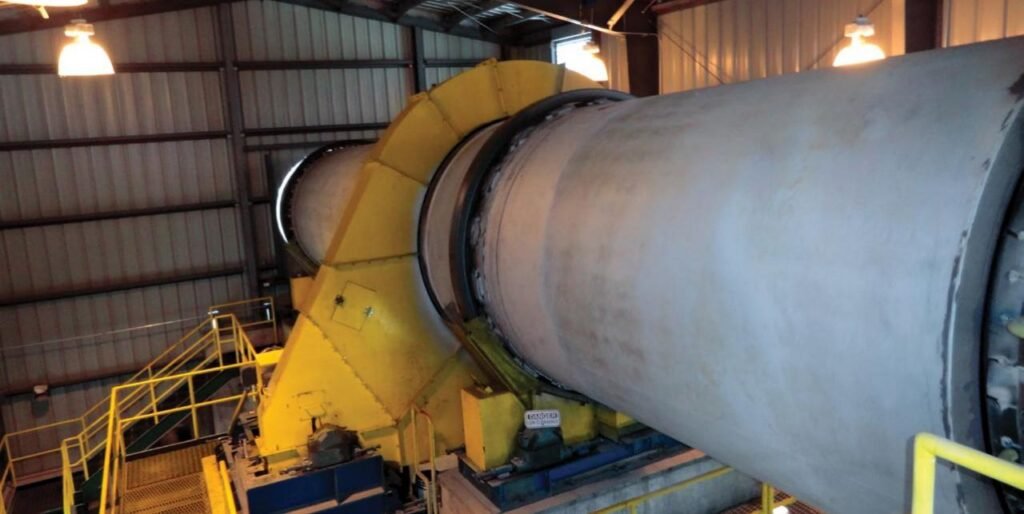
Copper concentrate typically requires drying and dewatering before entering the smelting stage, and some processes involve preliminary roasting to remove impurities such as sulfur and arsenic; the production of copper compounds also requires supporting calcination and drying equipment. Key thermal processing equipment for this stage includes:
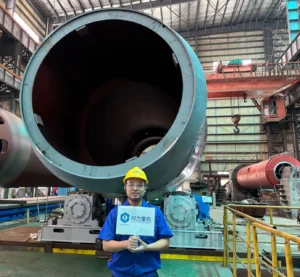
- Rotary Kiln Series: Metallurgical rotary kilns are used for the oxidative and reductive roasting of copper concentrates to remove harmful components such as sulfur and arsenic while enhancing mineral reactivity, thereby preparing the material for subsequent smelting or hydrometallurgical leaching; zinc oxide rotary kilns process copper-zinc associated ores and smelting flue dust, simultaneously recovering valuable metals like copper and zinc to improve comprehensive resource utilization; chemical-grade rotary kilns facilitate the calcination and production of copper compounds—such as copper sulfate and copper oxide—catering to the manufacture of fine chemical products.
- Drying Equipment: Rotary dryers, mineral powder dryers, and slag dryers are employed for the pre-drying of copper concentrates, reducing moisture content to meet the feed specifications of advanced processes like flash smelting—a crucial preparatory step in pyrometallurgical operations; coal slime dryers and lignite dryers process coal used as smelting fuel, ensuring a stable heat supply; chemical raw material dryers are used for the deep drying of materials such as copper salts and copper oxides, supporting the copper compound industry chain.
Solid waste resource utilization and supporting equipment for downstream industries
Key directions for the sustainable development of the copper industry include the resource utilization of solid smelting waste and the extension of the industry chain into downstream sectors; the associated equipment provides the technological foundation for the circular economy:
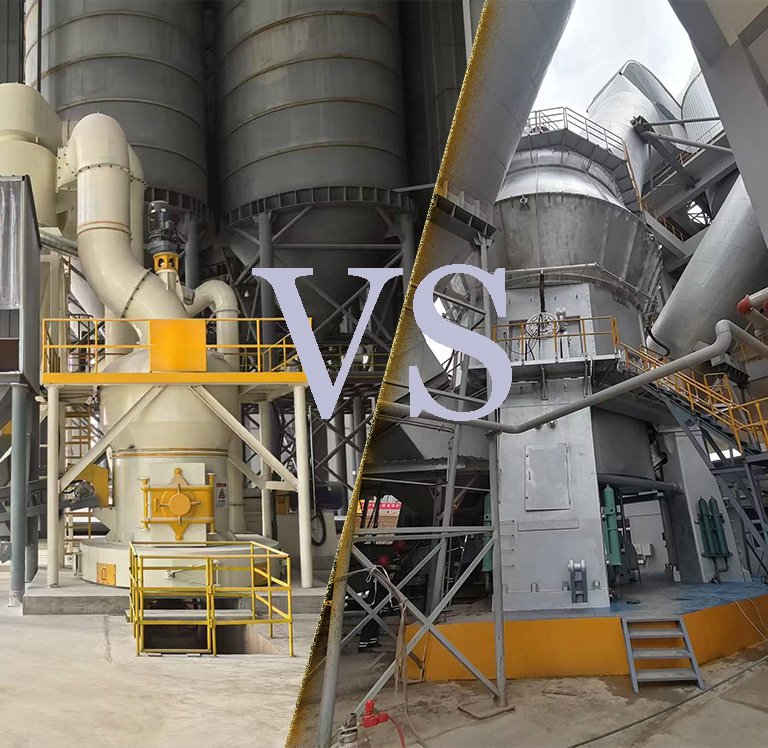
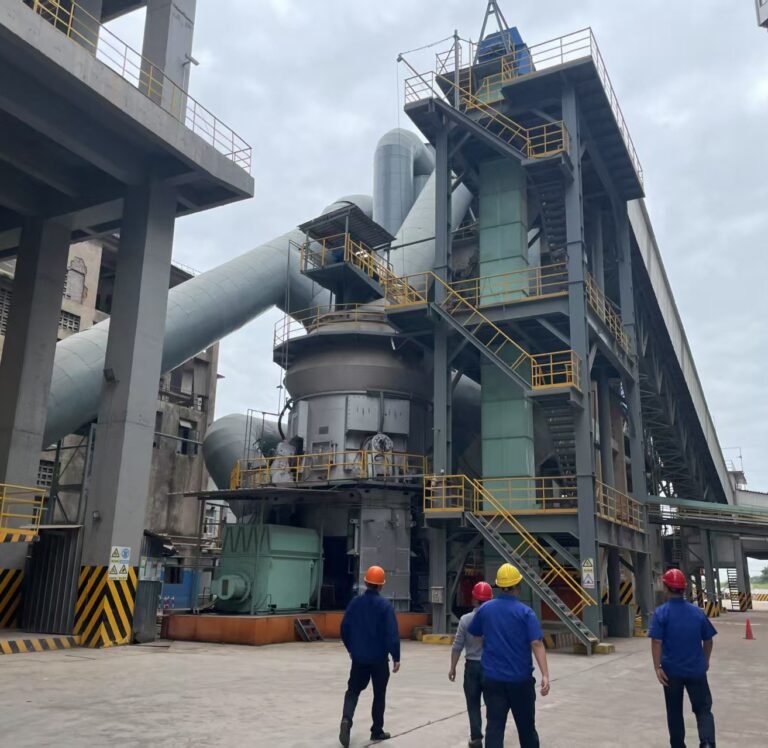
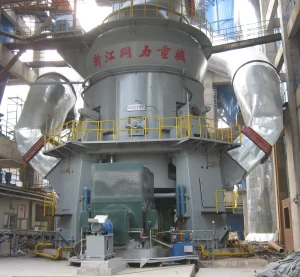
- Solid Waste Grinding Equipment: Copper smelting generates significant quantities of solid waste, such as water-quenched slag and converter slag. Utilizing vertical grinding equipment—such as vertical mills designed for water-quenched slag, steel slag, or nickel slag—to perform ultra-fine grinding activates the cementitious properties of the slag. The resulting fine powder can serve as a cement blending component or concrete admixture, enabling the high-value utilization of bulk solid waste. These vertical mills integrate grinding, drying, and classification processes; they offer lower energy consumption compared to traditional ball mill systems and align better with the copper industry's requirements for a green transition.
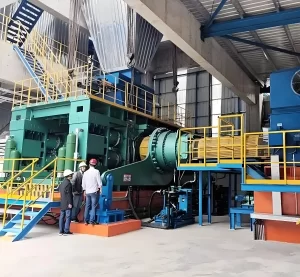
- Downstream Extension and Auxiliary Equipment: Copper compounds are widely used as trace-element fertilizers in agriculture. Compound fertilizer production lines can incorporate copper salts as a nutrient component, thereby repurposing copper as an agricultural resource. Such production lines—comprising slurry-spraying granulator-dryers, drum granulators, rotary dryers, rotary coolers, and specialized metering and batching equipment—enable the manufacture of copper-containing compound fertilizers, thereby extending the downstream application scope of the copper industry chain.
Core physicochemical properties of copper
Physical properties of copper
Copper's most fundamental physical properties are its high electrical and thermal conductivity; its electrical conductivity is second only to silver among metals, making it the material of choice for power transmission and heat exchange applications. In 1913, the conductivity of annealed pure copper was established as the 100% benchmark for the International Annealed Copper Standard (IACS), serving as a universal reference for conductor material performance. Compared to alternative metals like aluminum, copper has lower electrical resistivity; for a given current-carrying capacity, it requires a smaller conductor cross-section and results in lower energy loss, offering significant advantages in applications where space and efficiency are critical, such as underground cabling and precision electronics.
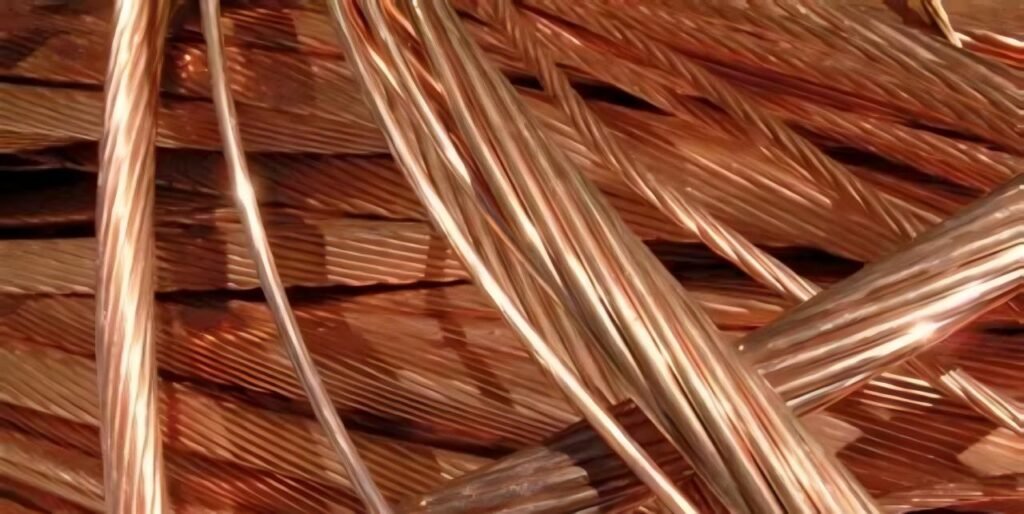
Copper possesses excellent plasticity and ductility. Its face-centered cubic crystal structure allows it to be processed—via rolling, drawing, and extrusion—into micron-scale filaments, ultra-thin foils, and complex structural components, meeting the needs of precision manufacturing, engineering installation, and the fabrication of irregularly shaped parts. A single ounce of pure copper can be processed into a sheet covering 100 square feet, and its elongation at break in the annealed state can reach 30%–60%. Additionally, copper exhibits a distinctive reddish-brown metallic luster; it is one of the few metals—aside from gold—to possess a natural color, giving it value in decorative applications.
Regarding environmental durability, copper and its alloys demonstrate excellent corrosion resistance, remaining stable during long-term service in atmospheric, freshwater, and seawater environments. In the atmosphere, copper slowly develops a dense protective layer of basic copper carbonate—commonly known as patina—which blocks contact between the underlying metal and corrosive agents, enabling components to last for over a century. The Statue of Liberty in New York features a primary structure of pure copper; the patina layer that formed on its surface has become its iconic appearance while simultaneously protecting the internal copper from corrosion. Pure copper exhibits good corrosion resistance in non-oxidizing acids, alkaline solutions, and most organic acids, though it corrodes rapidly in strongly oxidizing media such as nitric acid and concentrated sulfuric acid.
Chemical Properties and Alloy Systems

Copper exhibits good chemical stability; it does not react significantly with dry air at room temperature, though it gradually forms a protective patina in humid environments containing carbon dioxide. Copper reacts with non-metallic elements such as oxygen, sulfur, and chlorine to form corresponding compounds. It also possesses exceptional alloying capabilities, forming alloys with diverse properties by combining with elements like zinc, tin, nickel, aluminum, and silicon; currently, there are over 400 commercially available copper alloys.
Mainstream copper alloys can be categorized into four major systems:
- Pure Copper: Contains over 99.5% copper; offers superior electrical and thermal conductivity, making it ideal for electrical, electronic, and heat-conducting components.
- Brass: An alloy of copper and zinc; features good plasticity and corrosion resistance, widely used in piping, hardware, and decorative components.
- Bronze: An alloy of copper with elements such as tin, aluminum, silicon, or beryllium; specific additives enhance properties like strength, wear resistance, corrosion resistance, or elasticity, making it suitable for machinery, marine engineering, instrumentation, and more.
- Cupronickel: An alloy of copper and nickel; characterized by excellent corrosion resistance and non-magnetic properties, used in marine engineering, medical devices, and precision instruments.
Furthermore, copper ions possess broad-spectrum antimicrobial properties, inhibiting microbial metabolism and reproduction while preventing the attachment and fouling caused by marine organisms; this chemical characteristic gives them unique application value in sectors such as water supply and drainage, healthcare, and marine engineering.
Major industrial applications of copper
More than half of global copper production is consumed by the power and telecommunications industries, with the remainder distributed across sectors such as machinery, transportation, construction, and light industry. Key applications are outlined below by industry category:
Power and Electrical Engineering Sector
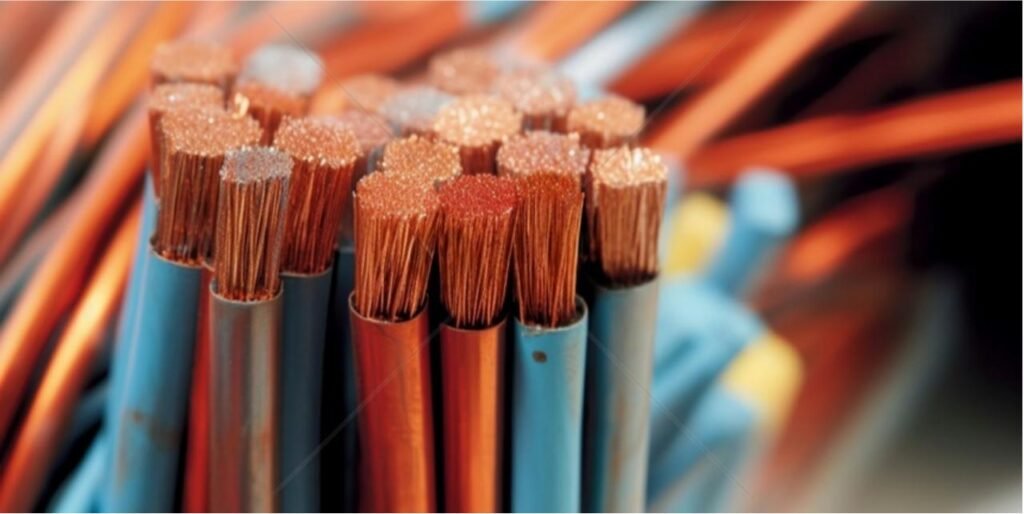
Power transmission represents the primary application for copper; high-conductivity copper materials are utilized throughout the entire value chain, including power cables, busbars, transformer windings, switchgear, and various connectors. While aluminum once replaced copper in overhead high-voltage lines, underground cables impose stricter requirements regarding conductivity and cable volume; consequently, the limitations of aluminum—specifically its lower conductivity and larger physical dimensions—have made copper the superior choice. Furthermore, driven by the push for improved energy efficiency, copper-wound transformers are increasingly replacing aluminum-wound models to reduce grid operating losses.
In electric motor manufacturing, high-conductivity, high-strength copper alloys serve as the core material for windings. Since internal energy loss in motors stems primarily from winding resistance, increasing the cross-sectional area of copper wire is a key technical strategy for developing high-efficiency motors; indeed, some commercial high-efficiency motors utilize 25% to 100% more copper wire than their traditional counterparts.
Communication networks and residential wiring also constitute significant application areas for copper. Copper components are integral to fiber-optic communication cables, with demand rising alongside the growth of data traffic; meanwhile, the widespread adoption of household appliances has increased electrical loads, driving a corresponding rise in copper consumption for residential electrical wiring.
Electronics and Semiconductor Sector
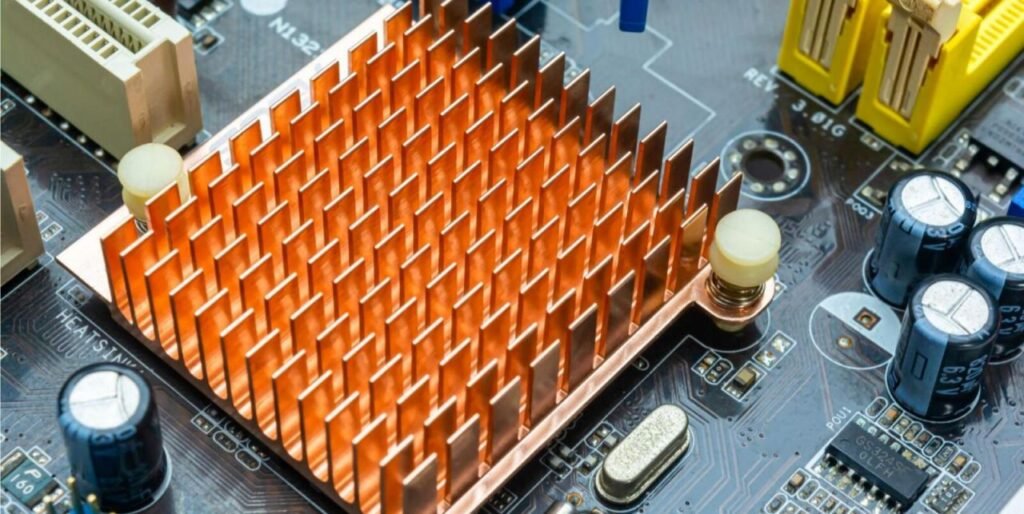
The application of copper in the electronics industry has extended from electric vacuum devices and printed circuits to the fields of microelectronics and semiconductor integrated circuits.
Electric vacuum devices such as high-frequency and ultra-high-frequency transmitting tubes, waveguides, and magnetrons need to be prepared from high-purity oxygen-free copper and dispersion-strengthened oxygen-free copper to meet high-frequency performance and high-temperature strength requirements. The production of printed circuit boards requires a large amount of copper foil to achieve precise circuit layout, and is matched with copper-based solder to complete circuit connections. Copper-based solder has the characteristics of low melting point, good fluidity, and low cost, which can significantly reduce labor consumption in wiring and fixing processes.
In integrated circuit manufacturing, copper interconnect technology can improve operating efficiency by about 30%, support circuit line widths to be reduced to 0.12 microns, and enable the number of integrated transistors on a single chip to reach 2 million levels, promoting the continuous iteration of semiconductor processes toward smaller processes.
Energy and Petrochemical Industries
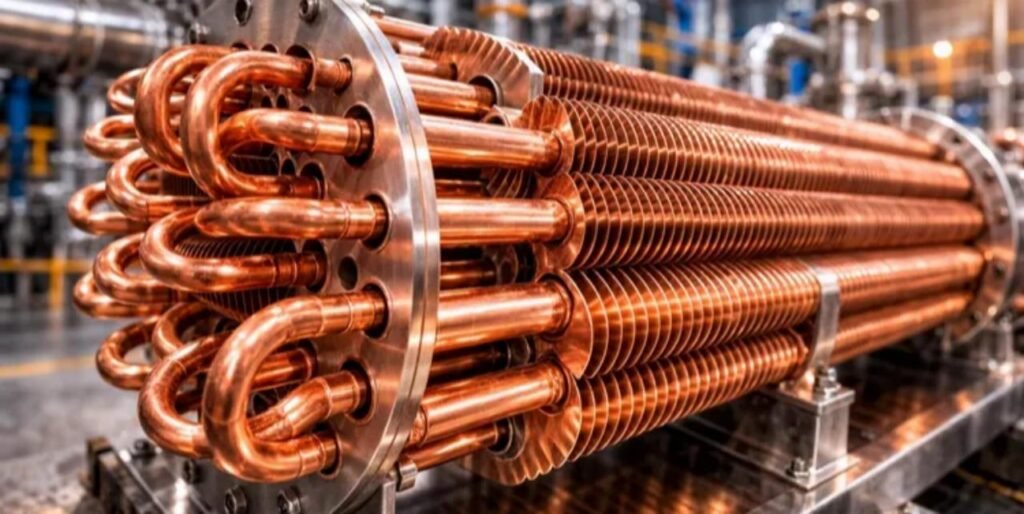
In the energy sector, the main condensers of thermal power units commonly utilize brass, aluminum brass, or cupronickel, leveraging copper's high thermal conductivity and resistance to water corrosion to ensure efficient heat exchange. Solar thermal systems extensively employ copper piping as heat exchange components; for instance, a solar-powered swimming pool heating system at a hotel near London, UK, incorporates 356 kilograms of copper piping, maintaining water temperatures between 18°C and 24°C during the summer.
The renewable energy sector has emerged as a primary driver of copper demand growth. Copper is widely used in the combiner systems, inverters, AC/DC cabling, and grid-connection equipment of photovoltaic power plants. In wind power, key copper-consuming components include generator windings, transformers, converters, and cabling systems; notably, offshore wind projects exhibit significantly higher copper intensity than onshore counterparts due to the requirements for subsea cables and high-capacity turbine configurations. As global renewable energy capacity continues to expand, long-term demand for copper is on an upward trajectory, with projections suggesting that demand could reach two to three times current levels by the end of the 21st century.
In the petrochemical industry, copper and copper alloys are utilized to manufacture vessels, piping systems, filters, pumps, and valves that come into contact with corrosive media. Their thermal conductivity makes them ideal for producing evaporators, heat exchangers, and condensers, while their excellent plasticity allows for the fabrication of complex heat exchange equipment. Non-sparking bronze tools are employed in flammable and explosive environments—such as oil refineries—to eliminate safety risks associated with frictional sparks.
The marine industry represents a distinctive application area for copper. The bactericidal properties of copper ions prevent biofouling by marine organisms; combined with resistance to seawater corrosion, copper alloys serve as critical materials for desalination plants, offshore oil and gas platforms, and subsea infrastructure, finding application in components ranging from piping, pumps, and valves to bolts and drilling equipment.
Transportation sector
In shipbuilding, materials such as aluminum bronze, manganese bronze, aluminum brass, tin-zinc bronze, cupronickel, and nickel-copper alloys serve as standard structural components; copper and copper alloys typically account for 2% to 3% of the deadweight of both naval vessels and merchant ships. Propellers for large ships are frequently manufactured from aluminum bronze or brass, with individual units weighing between 20 and 25 tonnes.
In the automotive industry, the copper content of a traditional internal combustion engine vehicle ranges from 10 to 21 kilograms, depending on the model and size; for compact cars, copper accounts for 6% to 9% of the vehicle's weight, utilized primarily in radiators, brake lines, hydraulic systems, gear bearings, power distribution systems, gaskets, and connectors. Electric vehicles require significantly more copper—approximately 3.6 times the amount used in conventional vehicles—with the increase concentrated in three key areas: power batteries, drive motors, and high-voltage wiring harnesses. Supporting charging infrastructure also drives copper demand, as DC fast-charging stations incorporate substantial copper-based conductive and wiring components.
In the railway sector, the overhead contact lines for every kilometer of electrified railway require over 2 tonnes of specially shaped copper wire—typically alloyed with about 1% copper or silver to enhance tensile strength—while copper and copper alloy components are extensively used in train motors, rectifiers, control systems, braking systems, and signaling systems.
In the aviation industry, copper is utilized in aircraft wiring, hydraulic, cooling, and pneumatic systems; aluminum bronze is used for bearing cages and landing gear bearings; non-magnetic copper alloys are employed in navigation instruments; and copper-based elastic elements are widely used across various types of instrumentation.
Machinery and Metallurgical Industry
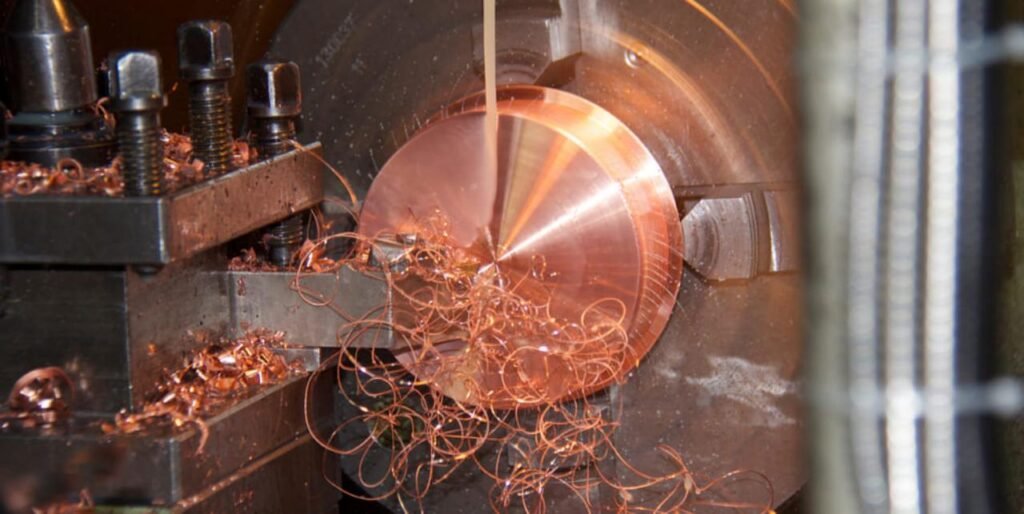
In the field of mechanical engineering, copper is used to manufacture various power transmission and connection components, such as gears, worm gears, worms, couplings, fasteners, and screw-nut assemblies. Anti-friction copper alloys are commonly used for bearings or bushings in mechanical parts subject to relative motion; silicon bronze and tin bronze are frequently used for elastic components; and copper alloys are also essential for tools such as welding equipment and die-casting molds.
In the metallurgical industry, copper is widely used in power transmission and distribution systems and electrical operating equipment within plant facilities. Additionally, copper serves as a crucial alloying element for metals such as steel and aluminum: adding 0.2% to 0.5% copper to low-alloy steel enhances its strength and resistance to atmospheric and marine corrosion, while high-nickel alloys containing approximately 30% copper are high-strength, corrosion-resistant materials used in the nuclear industry. Incorporating copper into stainless steel improves the material's corrosion resistance in marine environments.
Light industry and areas concerning people's livelihoods
In the air conditioning and refrigeration sectors, high-finned heat exchangers with internally grooved tubes—manufactured by leveraging the excellent workability of copper—can achieve an overall heat transfer coefficient two to three times that of standard heat exchangers; they are widely used in residential air conditioners, refrigeration units, and industrial heat exchange applications.
In watchmaking, core components are commonly made from specialized clock-and-watch brass; utilizing copper alloys alongside precision stamping molds enables large-scale, low-cost production, with single-factory daily outputs reaching 10,000 to 30,000 units.
In the paper industry, copper alloys are frequently used to manufacture components such as heat exchanger tubes, rollers, doctor blades, pump bodies, and screens for equipment including coolers, evaporators, pulpers, and papermaking machines. The printing industry employs copper plates for photomechanical plate-making, creating print patterns through surface polishing and sensitization with photosensitive emulsions.
In the brewing industry, copper is a key material, serving as the lining for mash tuns and fermentation tanks; some large-scale brewing vessels feature capacities exceeding 20,000 gallons per unit.
In the pharmaceutical sector, pure copper is used to fabricate various boiling and vacuum processing units; nickel silver (a copper-nickel-zinc alloy) is widely used in medical instruments, and copper alloys are also common materials for eyeglass frames.
The fields of architecture and art
In building piping systems, copper water pipes are widely used for water supply, heating, gas distribution, and fire sprinkler systems in both residential and public buildings, thanks to their durability, ease of installation, fire resistance, and hygienic, antimicrobial properties. For instance, a single super-tall building in Manhattan, New York, utilized approximately 18,000 meters of copper piping for its water supply system alone.
In the realm of interior decoration, copper’s resistance to atmospheric corrosion, ease of fabrication, and distinctive color make it suitable for a wide range of components, including door handles, locks, louvers, lighting fixtures, wall decorations, and kitchen and bathroom accessories.
In art and culture, copper is the most widely used metal for craftsmanship, employed in casting monuments, large bells, statues, and replicas of antique artifacts. Regarding musical instruments, flutes are often made of cupronickel, while saxophones are typically crafted from brass; copper is also used to produce gold-plated, imitation-gold, and imitation-silver jewelry.
Coinage represents a traditional application of copper, with a long history of minting coins from copper and copper alloys. For example, the Royal Mint in the UK produces 700 million copper coins annually, consuming approximately 7,000 tons of copper.
Diverse Applications of Copper Compounds
Copper compounds—including copper sulfate, copper acetate, copper(II) oxide, copper(I) oxide, copper chloride, copper nitrate, and copper salts of fatty acids—are widely used in agriculture, industry, and healthcare.
In agriculture and animal husbandry, copper compounds serve as highly effective fungicides, controlling various diseases caused by molds and fungi; copper sulfate is used directly for seed soaking, while mixed copper-salt formulations are widely applied in orchards and crop fields.
In the industrial sector, copper sulfate enhances the wash-fastness of textiles and leather; copper compounds act as colorants in the production of glass, ceramics, cement, and enamel, and are also used in certain hair dye formulations; they serve as catalysts and purifying agents in the production of rubber, petroleum, and synthetic fibers; copper sulfate electrolytes are utilized in copper plating, the production of electrolytic copper foil, and copper refining; and in the mining industry, copper sulfate acts as an activator to facilitate the flotation of minerals such as lead, zinc, and gold.
In the healthcare sector, copper ions are used for disinfection, sterilization, and disease prevention, while copper compounds serve as adjunct therapies for pulmonary diseases, mental disorders, ulcers, and skin conditions.
Copper Sustainability and Recycling
Core recycling features
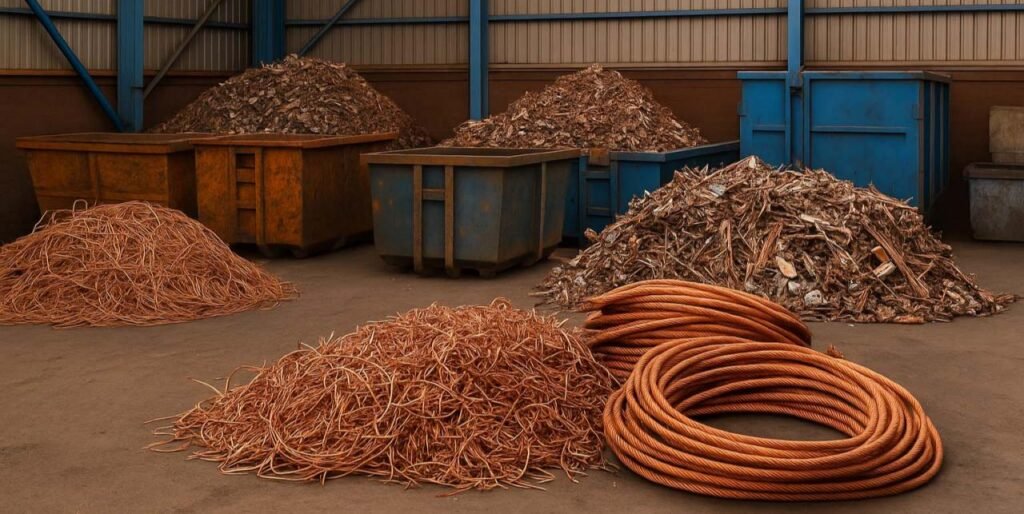
Copper is fully recyclable; after being recycled and reprocessed, it retains its original physical and chemical properties and can be recycled indefinitely. There is no fundamental difference in performance between recycled copper and primary copper, allowing the former to serve as a direct substitute for the latter. Data indicates that approximately 80% of all copper produced throughout human history remains in circulation today.
Recycled copper feedstocks fall into two categories: "new" scrap generated during production—such as processing offcuts and defective products—which has a known composition and requires a short recycling process; and "old" scrap derived from end-of-life products—such as discarded cables, pipes, and electromechanical equipment—which requires sorting and purification. The production of recycled copper entails significantly lower energy consumption and carbon emissions—amounting to just 20%–35% of the levels associated with primary copper production—thereby offering substantial environmental benefits.
Life-cycle environmental impact
From a life-cycle assessment perspective, the environmental burden per unit of output value in the copper recycling industry is far lower than that of primary copper mining, demonstrating significant advantages in terms of land use, water consumption, and atmospheric pollutant emissions. Copper’s long service life and high recyclability further reduce resource consumption and environmental impact across its entire life cycle, directly supporting energy conservation, emission reduction, and low-carbon development.
The application of copper can significantly enhance the operational efficiency of end-use products, thereby lowering energy consumption and carbon emissions over their entire life cycle. Products such as high-efficiency copper-wound transformers, high-efficiency motors, and high-thermal-conductivity heat exchangers achieve long-term energy savings by reducing operational losses.
Strategic Value in Renewable Energy
In the global energy transition, copper serves as a critical foundational material for the renewable energy industry. Copper is essential for the wiring and busbar systems of solar photovoltaic installations to ensure efficient power generation, while wind turbine windings rely on substantial amounts of copper coils to facilitate the efficient conversion of kinetic energy into electricity. The intensity of copper usage in new energy systems is significantly higher than in traditional fossil fuel-based systems, making it a core mineral resource underpinning the transition to a low-carbon energy future.
Copper and Human Health
Physiological functions of essential trace elements
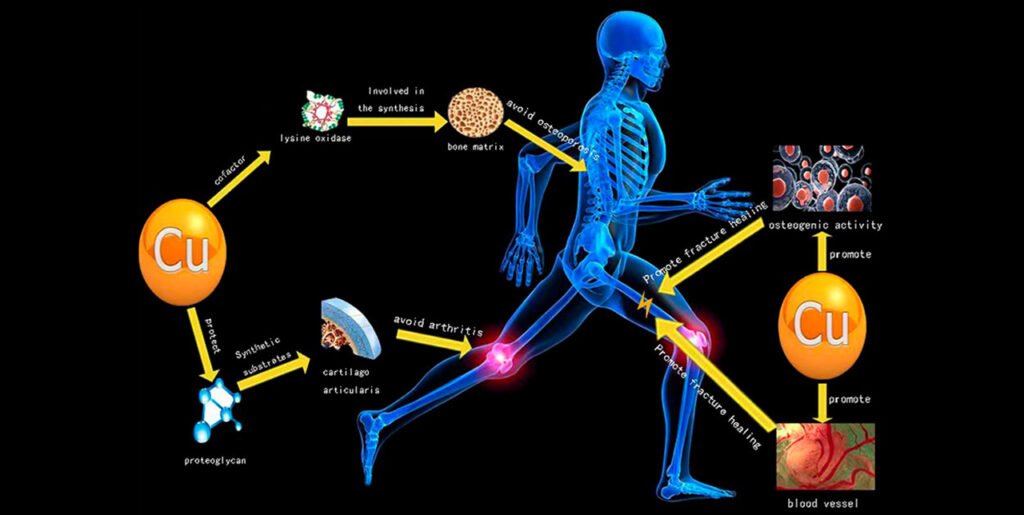
Copper is an essential trace element for all known living organisms; the normal physiological activities of humans, animals, and plants all rely on its participation. In the human body, copper plays a role in red blood cell formation, the maintenance of skeletal and vascular structures, and the proper functioning of the nervous system; it also facilitates iron absorption and supports energy metabolism. Furthermore, copper contributes to the body's antioxidant defense system and helps maintain homeostasis across various physiological functions.
Intake Standards and Health Risks
The World Health Organization recommends a daily copper intake of 0.03 milligrams per kilogram of body weight for adults, with a total recommended daily intake of approximately 900 micrograms. Excellent dietary sources of copper include legumes, nuts, broccoli, garlic, soy products, whole grains, and seafood.
Inadequate copper intake can lead to health issues such as anemia, and long-term deficiency may impair cognitive function. Conversely, excessive copper intake can cause toxicity, resulting in symptoms like nausea and abdominal pain, and potentially leading to liver damage in severe cases. Individuals with genetic disorders such as Wilson's disease experience abnormal copper accumulation in the body and must strictly control their copper intake.
Antibacterial Activity and Mechanism
Copper ions possess broad-spectrum antimicrobial activity, capable of inhibiting and killing a wide range of microorganisms, including bacteria, fungi, and viruses. Their antimicrobial mechanism operates primarily at four levels:
- Copper ions bind to functional groups on the bacterial cell membrane surface, altering membrane permeability and causing the leakage of intracellular nutrients;
- Upon entering the cell, copper ions generate reactive oxygen species, causing oxidative damage to proteins, nucleic acids, and lipids;
- Copper ions bind to the active sites of intracellular enzymes, inhibiting enzyme activity and disrupting microbial energy metabolism and biosynthesis;
- Copper ions can interact with microbial nucleic acid structures, inhibiting replication and proliferation.
Copper plumbing systems inhibit bacterial growth within pipes, thereby improving the hygiene of drinking water; the use of copper instruments and contact surfaces in medical settings reduces the risk of cross-infection. Ancient civilizations utilized copper vessels to preserve food and prevent infection—properties that continue to find expanding applications in modern public health.
The Development of Copper in Cutting-Edge Technology Fields

Superconductivity and Cryogenic Engineering
Despite continuous advancements in superconducting material technology, copper remains an indispensable supporting material in superconducting application systems. Retaining excellent toughness and ductility even at cryogenic temperatures, copper serves as a critical material for structural components and fluid transport piping in cryogenic engineering, thereby underpinning the practical implementation of superconductivity technology and the stable operation of cryogenic systems.
Aerospace technology
In rockets, satellites, and space shuttles, copper and copper alloys are used not only in microelectronic control systems and precision instruments but also in the fabrication of various critical functional components. Copper alloys serve as the standard material for load-bearing structural elements in satellites; additionally, satellite solar panels are frequently manufactured using alloys of copper and other elements to balance electrical conductivity with structural strength.
Research on Catalysis and Nanomaterials
In the field of chemistry, copper-based catalysts have emerged as a key alternative to precious metal catalysts due to their cost-effectiveness and catalytic activity; they are employed in processes such as carbon dioxide reduction, offering a technical pathway for renewable fuel production and carbon recycling.
In materials science, the development of novel materials—such as copper nanowires and copper-based composites—continues to advance. Copper nanowires combine excellent electrical conductivity with flexibility, making them suitable for next-generation electronic devices like flexible displays and wearable electronics; meanwhile, copper nanoparticles demonstrate potential for applications in areas such as antimicrobial use and water treatment.
Frontiers in Biomedical Materials
Research into copper-containing functional materials in the biomedical field is continuously advancing. Studies indicate that copper-containing biological scaffolds can promote bone tissue formation and angiogenesis while providing antibacterial effects through the controlled release of copper ions, demonstrating potential for applications in orthopedic implants and wound repair. Copper-doped medical materials can achieve long-lasting antibacterial performance through the stable binding of copper ions; however, research in this area remains in the stages of laboratory study and clinical validation.
Conclusion
Copper (Cu) is a core metal element possessing both historical significance and modern strategic value; its unique physicochemical properties underpin a wide range of applications, spanning from traditional basic industries to cutting-edge technological sectors. Copper is deeply embedded in the operational systems of modern society, serving as everything from a primary medium for power transmission and a critical interconnect material in semiconductor manufacturing to a staple in consumer goods and a strategic resource for renewable energy.
The efficient extraction and recycling of copper resources rely on comprehensive heavy industrial equipment. Machinery for crushing and screening, grinding and separation, thermal calcination, and solid waste pulverization forms the industry's complete technical equipment system; technological upgrades in this equipment directly drive the copper industry toward lower energy consumption and higher rates of material recovery and solid waste utilization. As global copper ore grades decline and the lead times for bringing new production capacity online remain long, the simultaneous growth in demand—fueled by the energy transition and the rise of emerging industries—suggests that a tight supply-demand balance will persist in the long term. Copper’s excellent recyclability effectively alleviates pressure on primary resources and reduces the industry's environmental impact across its entire lifecycle, making it ideally suited to the requirements of sustainable development. The value of copper continues to expand into the realms of health and cutting-edge technology. From its physiological role as an essential trace element and its public health utility as a broad-spectrum antimicrobial agent, to performance breakthroughs in nanomaterials and innovative applications in biomedical materials, copper consistently demonstrates new potential in emerging fields. As the energy transition and industrial upgrading progress, the scale of demand and the scope of application for copper will continue to expand, offering significant long-term potential for the enhancement of its material value and strategic importance.