






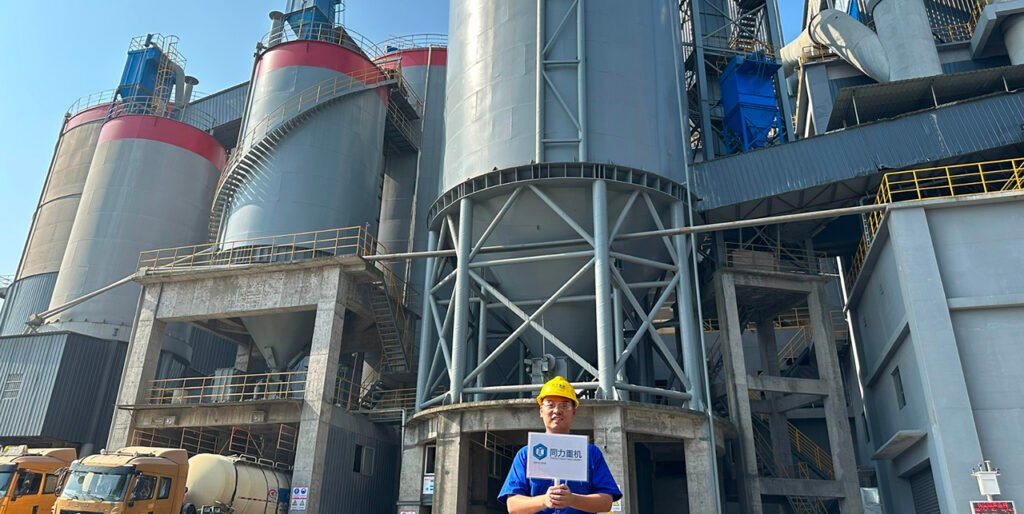
Introduction:
For many cement production line and cement grinding plant owners, choosing between a steel silo and a concrete silo is always a difficult decision. Some articles online say steel silos are better, while others believe concrete silos are more reliable. Because of so many different opinions, many cement grinding unit owners find it hard to choose the right cement storage silo for their project. Today, Tongli Heavy Machinery, a professional cement EPC contractor, will give you a complete and professional answer based on our real project experience. In this article, we will compare steel silos and concrete silos in detail and help you understand which type of cement silo is the best choice for your cement grinding plant or clinker grinding station.
Steel Silo vs Concrete Silo: Which Is Better for Cement Grinding Plant and Cement Storage?
In conclusion, concrete silos are more suitable for cement grinding plants, slag grinding plants, GGBFS production lines, and PO42.5 cement production lines because of its stability and moisture resistance performance. Compared with steel silos, concrete silos have slower heat transfer and stronger thermal insulation capacity, which helps keep the internal silo temperature more stable and greatly reduces the risk of condensation on the inner wall during large day and night temperature changes. This is extremely important for cement and slag powder storage because moisture and condensation can cause material agglomeration, reduce cement quality, and even lead to silo blockage problems. This is also one of the main reasons why most large-scale cement company, large-scale cement production line around the world prefer concrete silos instead of steel silos. Although steel silos have advantages such as lower initial investment cost and shorter construction period, concrete silos are far superior in terms of long-term operational stability, storage reliability, and overall service lifetime.
Why Do So Many Articles Recommend Steel Silos Instead of Concrete Silos?
One of the biggest reasons why so many online articles recommend steel silos is because steel silos have a much shorter construction period and require less civil engineering work. In many projects, the construction time of a steel silo is only about one-third to one-fourth of a concrete silo. This makes steel silos very attractive for investors who want faster project completion and lower initial costs. However, it is also important to understand that many of the articles strongly promoting cement steel silos are written by steel silo manufacturers themselves. If they openly admit that steel silos have weaker long-term storage stability, shorter service lifetime, poorer thermal insulation, and higher condensation risk compared with concrete silos—especially for slag powder, steel slag powder, and GGBS storage—then it would become much harder for them to market their products. Because of this, many articles only focus on the advantages of steel silos while exaggerating the disadvantages of concrete silos. In reality, many of these comparisons are not fully objective and are written mainly for marketing purposes rather than based on long-term operational facts from actual cement plants and grinding stations.
Why Major Cement Groups Like Heidelberg Materials, Cemex, and Holcim Prefer Concrete Silos for Large Cement Storage Projects?
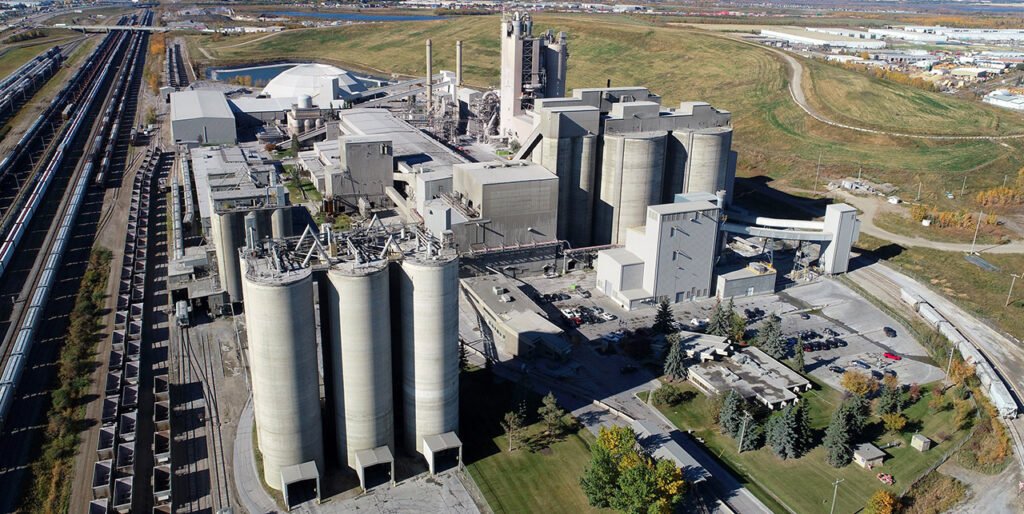
Large cement groups such as Heidelberg Materials, Cemex, and Holcim prefer concrete silos not because their moisture-proof or sealing performance is necessarily better than steel silos, but because concrete silos are better suited for ultra-large capacities, extremely long service life, lower lifecycle cost, and long-term production stability. For massive cement plants operating continuously for decades, these factors are often more important than construction speed or initial investment, which are areas where steel silos usually have advantages.
1. Ultra-Large Storage Demand: The Structural Advantages of Concrete Silos Are Irreplaceable
Maximum Single-Silo Capacity:
Large cement plants can produce several thousand tons per day on a single production line, requiring storage facilities with single-silo capacities ranging from 10,000 to 100,000 tons. Steel silos are inherently limited by material strength and structural stability. Under ultra-large capacities, deformation and structural safety risks increase significantly. In contrast, reinforced concrete silos rely on highly rigid reinforced concrete structures, allowing them to achieve extremely large storage capacities with minimal wall deformation and outstanding long-term stability.
Resistance to Lateral Material Pressure:
The lateral pressure exerted by cement powder on silo walls increases exponentially with storage capacity. The high rigidity of reinforced concrete structures provides superior resistance to long-term continuous material pressure compared with steel silos, reducing the risk of deformation or structural instability.
2. Ultra-Long Operating Life: The Core Advantage of Concrete Silos
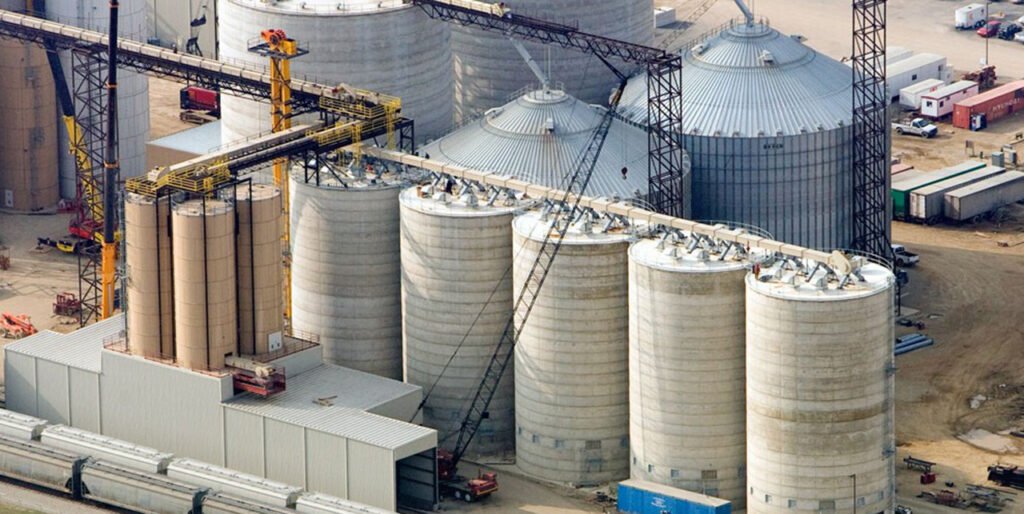
Large cement groups treat their plants as permanent infrastructure projects designed for decades of operation, often with design life requirements exceeding 50 years and aligned with the overall plant lifespan.
Concrete Silos:
Typical design life reaches 50–70 years, with minimal major maintenance required during the first 30 years apart from routine inspections.
Steel Silos:
Typical design life is around 25 years. Even with enhanced anti-corrosion protection, it is difficult for steel silos to exceed 40 years of service life. In addition, anti-corrosion refurbishment is generally required every 3–5 years, making them less compatible with the long-term operational strategies of major cement groups.
3. Lifecycle Cost: Higher Initial Investment but Lower Long-Term Cost
Although the initial investment cost of a concrete silo is typically 15%–40% higher than that of a steel silo, the economics become more favorable when evaluated over a 50-year lifecycle.
Steel Silos:
Annual maintenance costs are typically around 1%–3% of the original construction cost. Combined with the potential need for full replacement after approximately 25 years, the long-term expenditure can become substantial.
Concrete Silos:
Concrete silos require almost no major maintenance during the first 20 years of operation. Major repairs are usually only necessary when cracks or leakage develop later in the lifecycle. These repairs occur infrequently and over long intervals, resulting in significantly lower long-term maintenance costs compared with steel silos. For major cement producers, the “build once, operate for decades” model is far more predictable and controllable than a lower-cost solution requiring repeated refurbishment and replacement.
4. Production Stability and Safety Margin: Concrete Silos Require Less Operational Concern
No Corrosion Risk:
Steel silos are continuously exposed to cement dust and moisture, making corrosion an unavoidable long-term risk. Localized corrosion perforation can lead directly to moisture contamination, cement spoilage, and even safety incidents. Concrete silos do not suffer from corrosion-related issues.
Impact and Abrasion Resistance:
Material loading and discharge generate continuous abrasion and impact on silo surfaces. Concrete generally offers superior wear resistance under long-term high-frequency material handling conditions.
Thermal Insulation Performance:
Concrete silo walls are thick and possess low thermal conductivity, resulting in smaller internal temperature fluctuations. This helps reduce wall condensation caused by day-night temperature differences, indirectly lowering the risk of cement caking. This is considered an indirect moisture-control advantage of concrete silos.
5. Industry Practice and Historical Preference
Concrete silos represent the traditional and highly mature solution within the cement industry, having been widely used since the early development of dry-process cement production lines. Engineering institutes, construction contractors, and plant operators all possess extensive technical standards and operational experience related to concrete silo systems. In large-scale industrial projects, approval and acceptance procedures for concrete silos are also more standardized and mature. By comparison, the number of proven ultra-large steel silo applications remains relatively limited. For risk management reasons, major cement groups therefore tend to favor the more established and technically conservative concrete silo solution.
Are Cement Grinding Plant Welded Steel Silos Fully Made of Steel?
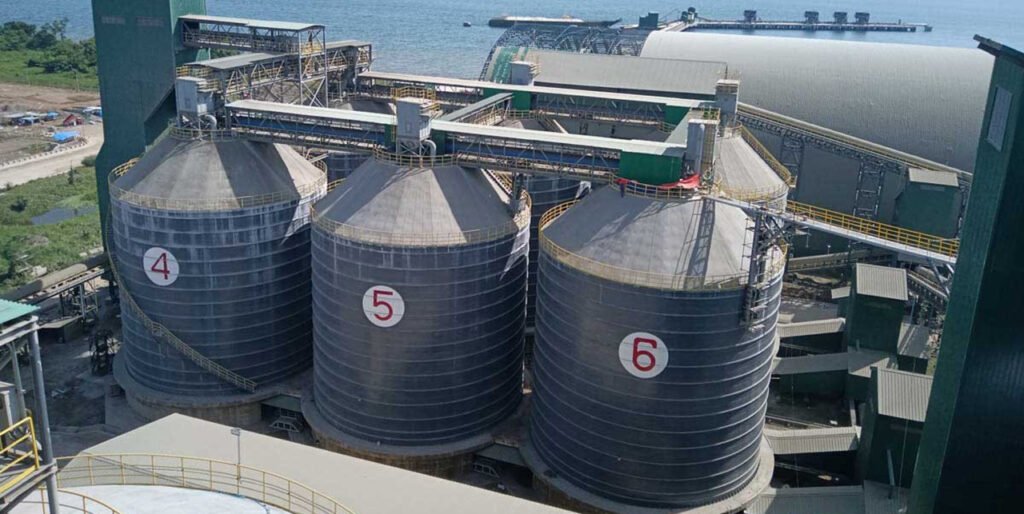
No, a cement grinding plant steel silo is not always “100% steel” in the entire structure. Usually, when people say “steel silo,” they mainly refer to the storage shell body being made of steel plates. However, many supporting parts may still use reinforced concrete, such as:
- Concrete foundation
- Concrete silo base or retaining wall
- RCC support structure or columns
- Underground discharge tunnels and equipment rooms
For bolted or welded steel silos in cement plants, the cylindrical body and roof are typically steel, while the foundation system is almost always reinforced concrete for stability and load-bearing. For details why steel silo is not completely made of steel please see below:
Reason1: Structural Load Distribution: Concrete Handles the Highest Pressure
In a cement grinding plant, the largest loads are concentrated at the lower silo wall, hopper, and discharge zone. A 10,000–30,000 ton cement or slag silo can generate extremely high vertical and lateral pressure at the base. For this reason, many steel silos use a reinforced concrete support structure or lower cone section instead of relying entirely on steel plates. The upper cylindrical shell is usually made of steel because it is lighter, easier to fabricate, and faster to install. However, reinforced concrete provides much higher compressive strength and rigidity at the bottom, reducing deformation risk and improving long-term structural stability.
Reason2: Wear Resistance and Material Flow Stability
The silo bottom is continuously exposed to abrasion from clinker, cement, slag powder, fly ash, and pozzolana during discharge. In real plant operation, the hopper and outlet area experience the highest wear rate. Concrete lower sections often provide better long-term wear resistance than ordinary carbon steel, especially in large-capacity silos operating 24 hours per day. The heavier concrete structure also improves vibration resistance and helps reduce risks of arching, rat-holing, and material blockage.
Reason3: Moisture and Corrosion Protection
The lower part of the silo is closest to groundwater, rainwater, and humid environments. In coastal grinding plants or slag grinding systems, moisture and chloride exposure can significantly accelerate steel corrosion. A reinforced concrete base naturally provides better moisture isolation and requires less anti-corrosion maintenance. By comparison, fully steel lower sections often require periodic sandblasting, repainting, and corrosion repair during their service life.
Reason4: Moisture and Corrosion Protection
For large cement silos, using thick steel plates for the entire lower structure would dramatically increase steel consumption and fabrication cost. For example, lower hopper sections may require plate thicknesses exceeding 20–30 mm in very large silos. Therefore, many industrial cement silos adopt a hybrid design: Steel upper shell → lighter weight and faster construction Reinforced concrete lower structure → lower cost and higher load capacity. This combination is widely used in cement grinding plants, clinker storage systems, GGBS plants, and bulk powder terminals because it balances construction speed, durability, and long-term operating cost.
Welded Steel Silo vs Concrete Silo for Cementitious Materials Storage
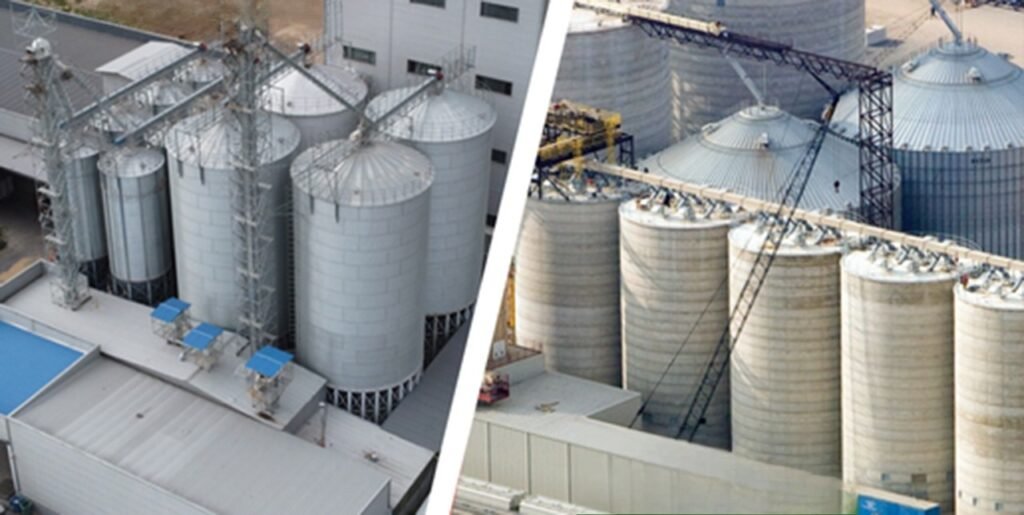
1. Silo Foundation Requirements
Concete Cement Silo
Concrete silos are constructed using reinforced concrete and have a much larger dead load. They require stronger and deeper foundations, leading to higher civil construction costs and longer foundation preparation periods.
Steel Cement Silo
Welded steel silos are fabricated from high-strength steel plates with relatively thin wall thicknesses, resulting in a lighter overall structure weight. Therefore, the foundation load requirement is lower, reducing civil engineering complexity and foundation cost. This is especially advantageous in coastal areas, reclaimed land, or regions with weak soil conditions.
2. Silo Structural System and Construction Method
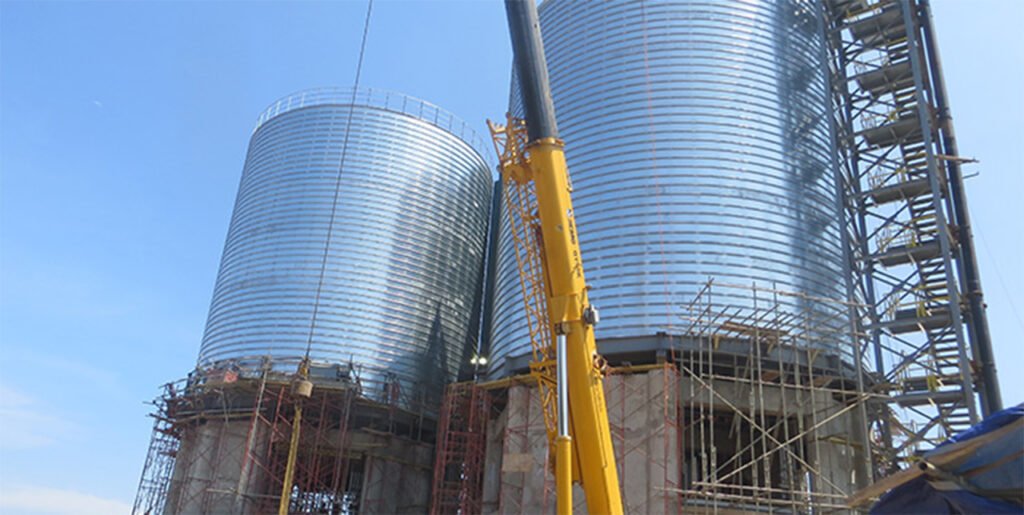
Concete Cement Silo
Concrete silos are typically built using slip-form or climbing-form construction methods. The process involves continuous concrete pouring, reinforcement installation, curing, and formwork operations. Construction is technically demanding, labor-intensive, and highly dependent on site management and environmental conditions.
Steel Cement Silo
Steel silos utilize a rigid structural framework formed by welded shell plates, stiffening rings, and vertical reinforcements. The fabrication process is relatively standardized, with easier quality control and simpler site assembly. Construction is less dependent on weather conditions and requires fewer wet works.
3. Silo Construction Period
Concete Cement Silo
Concrete silos require long construction and curing periods. Large-capacity silo projects may take several additional months compared with steel silos before becoming operational.
Steel Cement Silo
The installation period is typically only about 1/4 to 1/3 of an equivalent concrete silo. Faster commissioning allows earlier plant startup and quicker return on investment, which is particularly important for grinding plants and EPC projects with tight schedules.
4. Moisture Resistance, Condensation, and Material Preservation
Concete Cement Silo
Concrete silos have thicker walls with naturally better thermal inertia and insulation performance, making them less prone to internal condensation caused by ambient temperature fluctuations. This can be advantageous for long-term storage of moisture-sensitive powders such as slag and GGBS.
Steel Cement Silo
Steel silos provide excellent airtightness due to full welding construction, minimizing material leakage and external moisture ingress. However, for hygroscopic materials such as GGBS, slag powder, steel slag powder, and gypsum, steel walls are more susceptible to temperature-driven condensation if insulation and ventilation systems are not properly designed. In coastal or humid environments, condensation may lead to material agglomeration, caking, or flowability issues. Therefore, for mineral powder storage, steel silos often require:
- Thermal insulation systems
- Dehumidification or aeration systems
- Temperature monitoring
- Proper ventilation design
5. Suitability for Powder Flow and Discharge
Concete Cement Silo
Concrete silos are structurally rigid but less flexible in discharge optimization. Retrofitting additional flow-assist systems or modifying hopper geometry after construction is more difficult and expensive.
Steel Cement Silo
Steel silos are easier to optimize for mass flow design, including:
- Steeper hopper angles
- Air fluidization systems
- Multiple discharge points
- Vibrators and flow-assist systems
This is particularly beneficial for difficult-flow materials such as:
- Wet slag powder
- Steel slag powder with high iron content
- Fine GGBS
- Pozzolanic ash with variable moisture
6. Expansion, Modification, and Automation
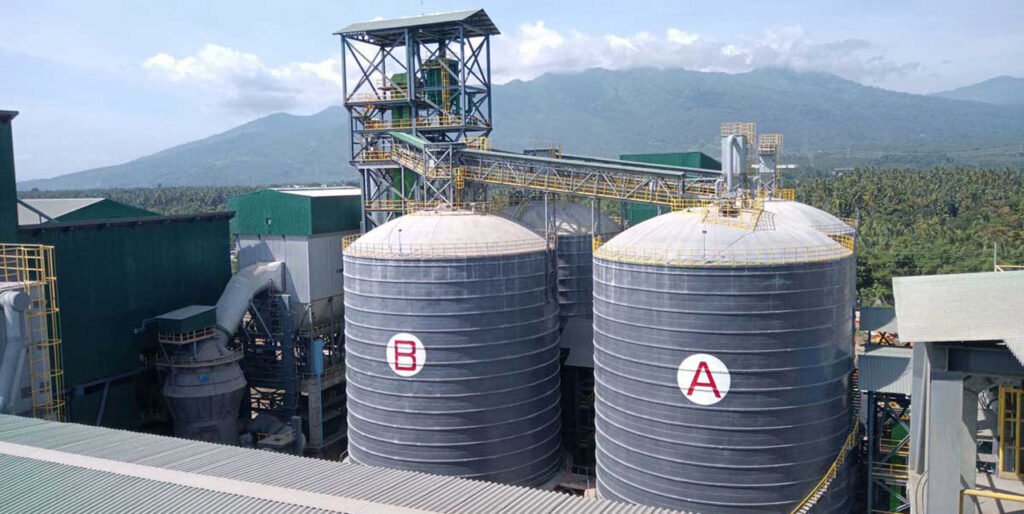
Although steel silos are often promoted as being easier to expand or modify than concrete silos, in actual cement grinding plants, major silo expansion is rarely carried out for either type. Most plants are designed based on long-term production planning, and enlarging an existing silo usually involves significant structural reinforcement, production downtime, foundation reassessment, and modifications to conveying and dust collection systems, making the cost and complexity difficult to justify. In practice, when additional storage capacity is required for materials such as cement, slag, GGBS, or gypsum, plant owners typically prefer to construct a new silo on available land rather than expand the existing one. Therefore, the “expandability” advantage of steel silos is more theoretical in large industrial applications, while their real practical advantages are faster construction, easier maintenance, and simpler equipment upgrades.
Steel Cement Silo
Steel silos offer greater flexibility for future modification, including:
- Capacity expansion
- Additional aeration systems
- Level instrumentation upgrades
- Temperature monitoring
- Intelligent automation systems
Components can be replaced or reinforced relatively easily during plant upgrades.
Concete Cement Silo
Concrete structures are difficult to modify once completed. Expansion or process upgrades often require extensive structural reinforcement and higher downtime costs.
7. Service Life and Long-Term Maintenance
Steel Cement Silo
With proper anti-corrosion treatment, coating systems, and maintenance, steel silos can achieve long service life. However, in highly humid, marine, or corrosive industrial environments, periodic coating maintenance is necessary to prevent corrosion.
Concete Cement Silo
Concrete silos generally have strong long-term durability and lower corrosion risk in the main structure. Their service life can exceed several decades with proper construction quality. However, structural cracking, reinforcement exposure, and repair difficulty may increase over time.
Steel Silo vs Concrete Silo Cost Comparison
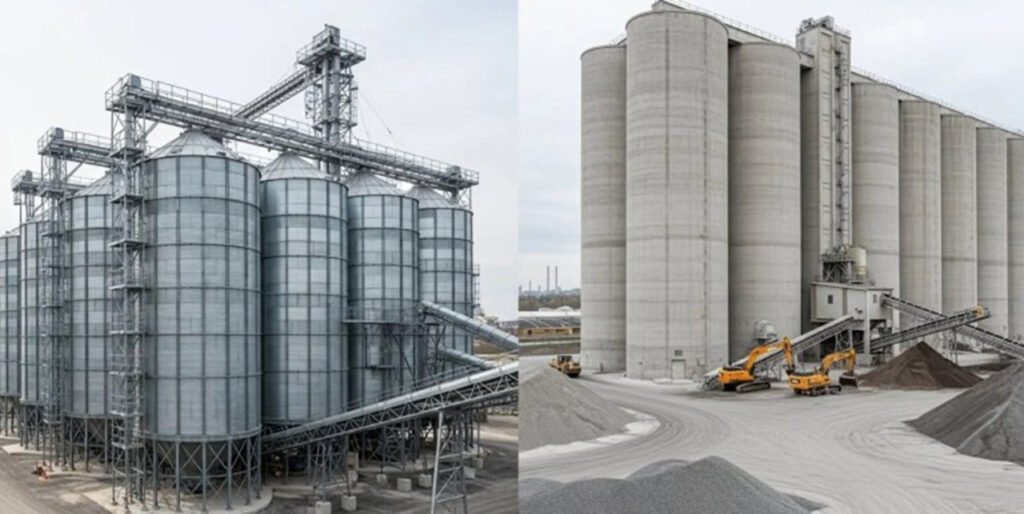
Initial Construction Cost Comparison
| Item | Steel Silo | Concrete Silo |
| Main Materials | Steel plates + limited concrete foundation | Reinforced concrete + steel bars + sand + aggregates + formwork |
| Cement Consumption | More than 2/3 lower than concrete silo | Very high |
| Foundation Requirement | Lower load, foundation cost can be reduced by 30%–50% | Heavy structure requiring stronger foundation |
| Overall Material Cost | Lower | Significantly higher |
Concrete silos usually require 15%–40% higher initial investment compared with steel silos of the same storage capacity. The main reason is the large difference in material consumption and civil construction requirements. Steel silos mainly use steel plates and relatively lighter foundations. Although the steel consumption may be similar to the reinforcement used in concrete silos, steel silos can reduce cement usage by more than two-thirds, while foundation treatment costs can also be lowered by approximately 30%–50%. In contrast, concrete silos require not only reinforced concrete, but also large quantities of sand, aggregates, formwork materials, and heavier civil engineering works due to higher structural loads.
Construction period
| Item | Steel Silo | Concrete Silo |
| Construction Time | Around 3 months for 10,000-ton class silo | Typically 6–12 months |
| Construction Method | Modular assembly | Slip-form construction + concrete curing |
| Capital Recovery | Faster commissioning and cash return | Long capital occupation period |
| Hidden Costs | Lower financing and management cost | Higher interest and site management cost |
Construction period is another major cost factor often underestimated in theoretical comparisons. Steel silos can usually be completed within only one-quarter to one-third of the construction time required for concrete silos. A 10,000-ton steel silo project may be finished in around three months, while a concrete silo of similar size commonly requires six to twelve months due to slip-form construction and concrete curing time. Faster installation means earlier commissioning, quicker capital recovery, and lower financing, management, and labor costs during construction.
Silo construction cost
| Silo Type | Typical Cost per Ton of Storage Capacity |
| 5,000-ton Steel Silo | Around USD 35–40 / ton |
| 5,000-ton Concrete Silo | Around USD 40–50 / ton |
From actual project references, the construction cost of a 5,000-ton steel silo can be as low as approximately RMB 200 per ton of storage capacity, while concrete silos of the same size are typically around RMB 230–280 per ton, which aligns with the industry conclusion that concrete silos generally cost 15%–40% more during the initial investment stage.
Operation and Maintenance Cost Comparison
From a life-cycle perspective, steel silos have lower upfront investment but require regular anti-corrosion maintenance, while concrete silos offer longer service life but may involve extremely high repair costs once structural problems occur(which usually won't happen in GCC region becasue hardly rain). Standard welded steel silos normally have a design life of around 25 years. To maintain durability, anti-corrosion coating maintenance is typically required every three to five years. Annual maintenance costs are generally around 1%–3% of the initial investment. For enhanced corrosion-protection systems using epoxy zinc-rich coatings and cathodic protection, service life may be extended to 30–40 years, although maintenance costs may rise to approximately 2%–4% annually.
One major risk for steel silos is insufficient maintenance. If corrosion protection is neglected, rust damage may rapidly increase repair costs to 10%–20% of the original investment per year and may even lead to premature structural failure or replacement. Concrete silos, on the other hand, are generally designed for service lives exceeding 50 years. During the first 20 years, maintenance requirements are relatively low and usually limited to routine inspection. However, once issues such as cracking, water leakage, or reinforcement corrosion develop, repairs become extremely difficult and expensive. In some cases, repair costs for a single silo can reach 20%–30% of the original construction investment, while the repair process itself may require long production shutdown periods. In practical operation, annual maintenance costs for a 500-ton concrete silo can reach around USD 2000 per year, which is more than four times higher than that of a comparable steel silo.
Tips for Selecting Concrete Silos vs Steel Silos for Cement Grinding Plant:
Based on the comparison of construction characteristics and economic performance, welded steel silos are generally more suitable for projects requiring rapid construction, lower initial investment, and greater flexibility for future expansion or system upgrades, making them widely used in cement plants, fly ash storage facilities, temporary bulk material storage, and industrial projects that require fast commissioning. In contrast, concrete silos are better suited for long-term operations with high durability and service life requirements, particularly for large-scale power plants, chemical plants, mining operations, and national grain reserve facilities where stable operation over several decades is essential and higher upfront investment can be justified.
When to use welded steel silo?
- Fast-track EPC projects
- Cement grinding stations with tight investment schedules
- Plants requiring future expansion flexibility
- Sites with weaker soil conditions
- Moderate storage duration
- Plants emphasizing lower initial investment
When to use cement concrete silo?
- Very large-capacity long-term storage
- Humid coastal environments
- Highly moisture-sensitive powders
- Strategic storage applications
- Projects prioritizing maximum durability and thermal stability
What Types of Silos Are Used in Vertical Roller Mill (VRM) Cement Grinding Plants?
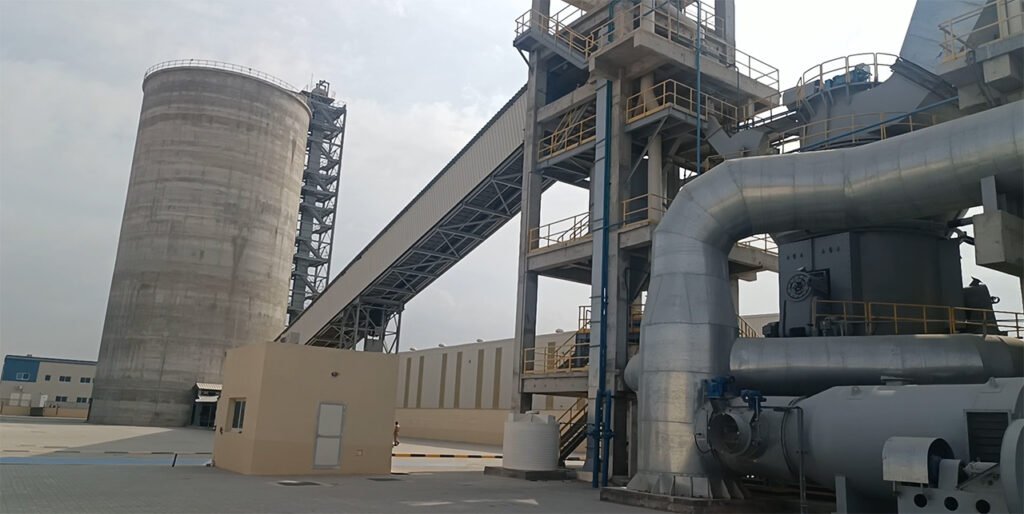
VRM Raw Material Silos
In a cement grinding plant using a Vertical Roller Mill (VRM), raw materials such as clinker, GGBS (slag), fly ash, limestone, and gypsum are usually stored in either large welded steel silos or reinforced concrete silos.
- Concrete silos are more common in large integrated cement plants because they provide huge storage capacity, long service life, and strong structural stability.
- Welded steel silos are widely used in cement grinding stations because they are faster to build, lower in cost, and easier to expand.
Vertical roller mill Proportioning Bins
Before materials enter the VRM, small proportioning bins are used to temporarily store and accurately feed different materials into the mill. These are typically:
- Cone-bottom steel bins
- 50–500 m³ capacity
- Equipped with weigh feeders, aeration systems, and anti-blocking devices
This is especially important for difficult-flow materials like slag powder and fly ash.
Vertical roller mill Surge / Seal Bin
A small surge bin or seal bin is usually installed before the VRM inlet, these are normally small steel bins with level sensors and rotary valves.. Its main functions are:
- Stabilizing material flow
- Maintaining proper negative pressure inside the VRM
- Preventing air leakage
- Keeping the grinding bed stable
Vertical roller mill Finished Cement Silos
After grinding, finished cement or slag powder is stored in finished product silos or homogenizing silos.
- Large cement plants often use concrete homogenizing silos with aeration systems for better blending performance.
- Cement grinding stations more commonly use large welded steel silos because they are economical and quicker to install.
For slag powder and fine cement, fluidization systems and anti-condensation measures are usually added to improve material discharge.
Cement Steel Silo Concrete Silo Comparison Table:
| Comparison Item | Welded Steel Silo | Concrete Silo |
| Foundation Requirement | Lightweight structure, lower ground bearing requirement, lower foundation construction cost | Heavy structure, higher foundation requirement, higher foundation cost |
| Structural System | Welded steel plate + stiffening ribs, high load-bearing strength, easier construction | Slip-form concrete construction, more complex process, longer construction period |
| Construction Time | Short construction period, typically only 1/4–1/3 of a concrete silo | Long construction period due to concrete curing time |
| Sealing & Moisture Protection | Fully welded structure with excellent sealing, moisture-proof and leak-proof performance | Good thermal insulation, but weaker moisture resistance and usually requires additional waterproofing treatment |
| Modification & Upgrading | Flexible structure, can be dismantled or modified easily, convenient for automation upgrades | Fixed structure, difficult to modify or expand after completion |
| Construction Cost | Lower initial investment, shorter schedule, reduced labor and material cost | Higher initial investment, typically 15%–40% higher than steel silo, longer capital recovery period |
| Cost per Ton of Storage Capacity | Around USD 28–30 / ton | Around USD 33–41 / ton |
| Operation & Maintenance | Requires periodic anti-corrosion maintenance, design life around 25 years | Lower maintenance frequency, but crack repair is difficult and expensive |
| Service Life | Around 25 years | More than 50 years |
| Expansion Flexibility | Easier to relocate, enlarge, or integrate with new equipment | Expansion is difficult and often not economical |
| Automation Integration | Easier installation of level sensors, aeration systems, weighing systems, and discharge automation | More difficult cable routing and retrofitting |
| Environmental Impact | Lower cement consumption and lower CO₂ emissions during construction | High cement usage and higher embodied carbon |
| Temperature Performance | Steel wall temperature changes faster, possible condensation risk without insulation | Better thermal stability and insulation performance |
| Corrosion / Weather Resistance | Requires coating maintenance in humid or coastal environments | Better natural corrosion resistance but prone to cracking over time |
| Transportation & Installation | Prefabricated modular installation with less on-site civil work | Heavy on-site construction workload and large labor demand |
| Land Utilization | Thinner wall structure provides slightly larger effective storage volume | Thick concrete walls reduce usable internal volume |
| Demolition & Replacement | Faster dismantling with recyclable steel value | Demolition is slower, difficult, and costly |
| Repair Difficulty | Local steel plate replacement is relatively easy | Crack repair and structural reinforcement are more difficult |
| Dust Leakage Control | Better airtightness helps reduce dust leakage | More joints and cracks may increase leakage risk over time |
| Suitability for High Moisture Materials | Requires insulation and aeration systems to control condensation | Better natural resistance to temperature fluctuation and condensation |
| Typical Applications | Suitable for fast-track projects, limited budgets, and flexible expansion needs (cement, fly ash, slag powder, temporary storage) | Suitable for long-term operation, high durability requirements, and large capital projects (power plants, chemical plants, mining, national grain storage) |
Conclusion:
In conclusion, if your main priority is lower investment cost and faster construction time, then a steel silo can be a practical choice for your cement grinding plant project. However, if you care more about long-term operational stability, moisture resistance performance, and overall durability, then a concrete cement silo is usually the better solution. In fact, you can easily verify this by looking at the cement silo storage systems used by the world’s largest cement companies such as Lafarge Holcim, Cemex, or Heidelberg Materials, as well as the largest cement groups in your local market. If you search online photos of their cement gridning plants and cement grinding stations, you will notice that most large-scale cement production lines mainly use concrete silos instead of steel silos. Capacity is one factor, but long-term stability and reliable operation are the real reasons behind this choice. It is also important to understand that many articles strongly promoting steel silos are often written by companies that mainly manufacture and sell steel silos themselves, so cement plant owner should evaluate these opinions carefully and consider the actual long-term operating requirements of a cement plant before making a final decision.
FAQ:
A spiral cement silo is formed on-site using a continuous rolling process that creates a spiral seam body with good airtightness and efficient material usage. It is commonly used for medium to large storage capacities up to around 8,000 tons. A welded steel silo is fabricated from thick steel plates welded together with stiffeners, providing superior structural strength and stability. Welded silos are better suited for ultra-large capacities above 8,000–10,000 tons and for projects requiring maximum safety in high-wind or seismic regions.
Cement silos (including steel silos and concrete silos) are mainly used to store powdery, granular, and free-flowing bulk materials. They are widely used in the cement industry and related fields. Common materials that can be stored include:
Finished Cement: This is the primary use of cement silos, storing various grades of Portland cement, ordinary Portland cement, slag cement, fly ash cement, and other cement products.
Cement Production Raw Materials/Semi-finished Products: Clinker powder, slag powder, fly ash, limestone powder, gypsum powder, steel slag powder, and other active/inactive mineral admixtures; raw meal powder (raw material powders before calcination in cement production).
Power Industry: Fly ash, desulfurization gypsum powder, dry ash, slag powder.
Building Materials Industry: Lime powder, mineral powder, silica fume, quartz sand, dry mortar raw materials.
Chemical/Environmental Industry: Various industrial powder raw materials, limestone powder for desulfurization and denitrification, activated carbon powder.
Grain/Feed Industry: Grain pellets such as wheat, corn, and rice (large concrete silos are also often used as grain depots).
Reinforced concrete silos are generally considered superior to steel silos for large cement plants due to their ability to handle ultra-large storage capacities, longer 50–70 year service life, lower lifetime maintenance cost, higher structural stability, better wear resistance, and improved thermal insulation that helps reduce condensation and cement caking. The reasons are as follow:
1. Suitable for Ultra-Large Storage Capacity Requirements
A single production line in a large cement plant can produce several thousand tons per day, requiring individual cement silo capacities typically ranging from 10,000 to 100,000 tons. Reinforced concrete silos, with their high-rigidity reinforced concrete structure, can easily withstand the enormous lateral pressure generated by bulk cement powder, offering significantly better long-term structural stability and deformation resistance than steel silos.
2. Ultra-Long Design Service Life for Long-Term Plant Operation
Large cement plants are permanent industrial infrastructure projects with design life requirements commonly exceeding 50 years. Reinforced concrete silos typically provide a service life of 50–70 years, with minimal major maintenance required during the first 30 years. In comparison, steel silos, even with enhanced anti-corrosion protection, generally have a service life of only 25–40 years and require repeated refurbishment or replacement, making them less suitable for long-term plant operation.
3. Lower Life-Cycle Cost and Reduced Long-Term Maintenance
Although the initial investment cost of reinforced concrete silos is typically 15%–40% higher than steel silos, their total life-cycle cost over a 50-year operating period is often lower.
Reinforced concrete silos require almost no maintenance during the first 20 years, with relatively low maintenance frequency thereafter. Steel silos generally require anti-corrosion refurbishment every 3–5 years, with annual maintenance costs typically accounting for approximately 1%–3% of the original construction cost, resulting in considerable long-term expenditure.
4. Superior Wear Resistance, Impact Resistance, and Structural Stability
During cement filling and discharge operations, bulk material continuously impacts and abrades the silo wall. Concrete provides better abrasion resistance than steel and eliminates the risk of corrosion perforation, making reinforced concrete silos more suitable for high-frequency, high-throughput material handling in large-scale cement plants.
5. Better Thermal Insulation and Reduced Condensation Risk
The thick walls and lower thermal conductivity of reinforced concrete silos help minimize internal temperature fluctuations, reducing condensation caused by day-night temperature differences. This indirectly lowers the risk of cement caking and is considered a key operational stability advantage by many large cement producers.
A single large silo is generally favored by large-scale cement plants producing one primary cement grade, as it offers lower overall construction cost, reduced land occupation, simplified conveying and dedusting systems, and easier operation management. Large silos also provide more stable material flow for bulk cement storage. However, for cement grinding plants producing multiple cement grades or handling various materials such as clinker, fly ash, GGBFS/slag powder, limestone powder, and pozzolanic additives, multiple smaller silos are often the preferred solution because they provide greater storage flexibility, higher operational redundancy, easier maintenance, and reduced risk of total production shutdown during equipment failure or silo maintenance. Although multi-silo systems require higher investment and more complex maintenance, they are widely used in modern grinding plants where product diversity and production flexibility are critical.
Cement silos can be used in coastal, high-humidity environments, but the suitability and protection requirements for the two types of silos differ significantly, necessitating specific protective measures for long-term stable operation.
Welded steel silos inherently offer good airtightness, effectively preventing the infiltration of external moisture. However, steel conducts heat rapidly, and in coastal areas with large diurnal temperature variations and high humidity, condensation easily forms on the inner walls. Furthermore, salt spray and humid air accelerate steel corrosion. Therefore, steel silos used in such environments require reinforced anti-corrosion treatment, waterproofing of the outer walls, improved sealing and ventilation systems, and regular inspection and replacement of sealing components and renewal of the anti-corrosion coating.
Concrete silos, with their thick walls, possess excellent thermal insulation, resulting in minimal internal temperature fluctuations, reduced condensation, and no corrosion issues, making them more suitable for the high-humidity, salt-spray environments of the coast. However, concrete is a porous material, and with abundant rainfall and moisture in coastal areas, construction joints, expansion joints, and wall capillaries are prone to water seepage and dampness, which not only affects cement quality but can also corrode the internal reinforcing steel over time. For this type of silo, multiple layers of waterproofing and seepage prevention treatment must be implemented during the construction phase. A moisture-proof coating should be applied to the inner walls, with particular emphasis on strengthening the sealing and waterproofing of the roof, joints, and pipe interfaces.
In summary, concrete silos are preferred in coastal and high-humidity areas due to their superior overall stability. If steel silos are chosen due to time constraints and cost considerations, it is essential to implement a complete set of anti-corrosion, waterproofing, and ventilation measures, while also increasing the frequency of daily inspections and maintenance.
To prevent condensation inside a cement silo used for storing cement, clinker powder, slag powder (GGBFS/GGBS), fly ash, or other fine mineral powders, a comprehensive approach involving temperature control, moisture control, sealing, ventilation, and routine maintenance is required.
1. First, the silo structure must maintain excellent sealing and waterproof performance to prevent external moisture ingress. Critical areas such as the silo roof, access doors, pipe connections, expansion joints, and discharge interfaces should be carefully sealed. For concrete cement silos, capillary pores and construction joints must be properly treated to minimize moisture penetration, while steel cement silos require periodic replacement of aging sealing gaskets and sealants to maintain airtightness.
2. Second, the silo ventilation system should be optimized to maintain proper air circulation. Mechanical or natural ventilation systems should be selected according to the silo capacity, and ventilation should preferably be conducted during periods of lower ambient humidity and smaller temperature differences to discharge warm, humid air from inside the silo and reduce vapor accumulation.
3. In addition, controlling the internal silo temperature is essential to minimize temperature differentials between the inside and outside walls. Concrete cement silos naturally provide better thermal insulation and more stable internal temperatures, whereas steel cement silos are more susceptible to rapid temperature fluctuations and therefore are recommended to use external insulation layers to reduce heat transfer and minimize condensation caused by day-night temperature variation or contact between hot and cold air. It is also advisable to avoid feeding excessively hot clinker or hot powder materials directly into the silo whenever possible.
4. Proper material management is equally important. Cement, slag powder, and clinker powder should maintain normal turnover rates instead of remaining stagnant for extended periods, as long-term storage increases moisture adsorption risk. The moisture content of incoming materials should also be strictly controlled to reduce the likelihood of internal condensation.
5. Finally, regular inspection and maintenance are critical. Waterproofing systems, insulation layers, ventilation equipment, and sealing components should be inspected periodically, and any leakage, damaged insulation, or failed seals should be repaired promptly to ensure the cement silo remains dry and suitable for long-term powder material storage.
Material blockage, arching, and bridging in cement plant silos are mainly caused by four major factors related to material characteristics, silo structure, environmental conditions, and operational management, especially when handling fine powder materials such as GGBS, clinker powder, pozzolana, slag powder, and cement.
First, the material properties themselves play a major role. Fine powders such as GGBS, slag powder, and pozzolana are highly sensitive to moisture absorption. When the moisture content becomes excessive or the material is exposed to humid air, particles tend to agglomerate and form lumps, increasing cohesiveness between particles and leading to arching or blockage inside the silo. In addition, when cementitious materials remain stored for a long period without regular discharge, the lower layers become compacted under the pressure of the material column above, significantly reducing flowability and increasing the risk of silo blockage.
Second, silo structural design and internal wall conditions strongly affect material flow performance. If the cone angle of the cement silo is too small or the discharge outlet is undersized, materials such as clinker powder or slag powder cannot flow smoothly due to increased friction resistance. Rough internal wall surfaces, welding projections, accumulated deposits, or hardened residual material can further obstruct material sliding. In many cement grinding plants, insufficiently designed silos without proper air cannons, vibration systems, fluidization pads, or anti-arching devices are more likely to experience severe bridging problems.
Third, temperature difference and environmental humidity are critical causes of silo blockage in cement and slag storage systems. Large temperature variations between the inside and outside of the silo can create internal condensation on the silo wall and roof. Moisture then attaches to GGBS, pozzolana, clinker dust, and slag powder, causing sticking, caking, and wall buildup. This issue becomes especially serious in coastal areas, rainy climates, or ports where slag and clinker are transported by vessel and may absorb moisture during unloading and stockpiling. Continuous humid air infiltration into poorly sealed cement silos is one of the most common causes of recurring arching and material flow failure.
Fourth, improper daily operation and poor maintenance practices can continuously trigger blockage problems in cement plant silos. Irregular feeding and discharge schedules, long-term storage without material turnover, or operating the silo in a “fill-only” condition can cause severe material compaction and hardening. Excessively rapid discharge may also create unstable flow patterns and suspended material layers that eventually collapse into blockage zones. In addition, failure to perform regular cleaning and maintenance allows hardened deposits and accumulated material buildup to remain inside the silo, causing repeated arching and discharge problems over time.
For cement plants, cement grinding plants, and bulk powder storage systems handling clinker, cement, GGBS, slag powder, fly ash, or pozzolana, the price of a cement silo is mainly affected by storage capacity, structure type, material selection, auxiliary equipment, and construction conditions.
In general, larger silos have a higher total investment, but the cost per ton of storage usually decreases because the foundation, conveying system, and installation costs are shared across a larger volume. Silo diameter, height, and hopper angle directly determine the amount of steel or concrete consumption, especially for high-capacity clinker or slag storage silos where wall thickness and structural reinforcement increase significantly with size.
Steel silos and concrete silos also have major cost differences. Welded steel silos are commonly used in cement grinding plants because of their shorter construction period, lower initial investment, easier expansion, and good air-tightness for powder materials such as cement and mineral powder. However, steel price fluctuations, steel plate thickness, anti-corrosion coating requirements, and whether stainless steel or high-strength steel is used can greatly affect the final price.
Bolted steel silos are often more economical for overseas or remote projects because transportation and installation are easier. Concrete silos usually have the highest construction cost due to heavy civil works, longer construction schedules, and more complex foundations, but they offer better thermal insulation, lower condensation risk for slag or GGBS storage, longer service life, and superior structural stability for very large-capacity applications.
The supporting systems can also account for a significant portion of the total silo investment. Equipment such as air slides, screw conveyors, bucket elevators, dust collectors, level indicators, temperature and humidity monitoring systems, air cannons, vibration systems, explosion protection, lightning protection, waterproofing, and automation control systems all increase the overall project cost. For difficult-flow materials like wet slag powder or pozzolana, additional anti-bridging and aeration systems are often required, further increasing the budget.
Construction conditions also strongly influence pricing. Poor soil bearing capacity, high groundwater levels, seismic requirements, coastal corrosion environments, or limited construction space can substantially increase foundation and installation costs. Remote project locations usually result in higher transportation, crane, and labor expenses. In addition, regional differences in steel prices, cement prices, labor rates, engineering standards, and warranty requirements can create large price variations between projects, even for silos with the same storage capacity.
In a cement grinding plant, dust leakage from cement silos is usually caused by a combination of sealing failure, dust collection problems, structural defects, and improper operating conditions. Since grinding stations handle extremely fine materials such as cement powder, GGBS, slag powder, clinker dust, and pozzolana, even very small gaps can lead to serious dust escape under pressure.
The first major cause is failure of sealing components. Common leakage points include the silo roof inlet, manholes, inspection doors, level indicator connections, pipe flanges, air slides, and conveyor interfaces. Rubber gaskets and sealing strips are continuously exposed to vibration, abrasive cement dust, and pressure fluctuation, causing aging, cracking, hardening, or detachment over time. Poor installation quality, insufficient sealant filling, or loose bolted joints can also create openings for dust leakage. In concrete silos, construction joints and pipe penetration openings that are not properly sealed can also allow cement dust to escape.
Another major reason is malfunction of the silo dust collection system. During cement grinding and pneumatic conveying, a large volume of dust-laden air enters the silo. The silo top bag filter is the primary pressure relief and dust removal system. If filter bags are damaged, blinded, or clogged, or if the pulse jet cleaning system fails, airflow resistance increases sharply. In addition, insufficient fan capacity, blocked ducts, or malfunctioning rotary valves can prevent internal pressure from being released properly. Once positive pressure builds inside the silo, cement dust will escape through every weak sealing point.
Structural and installation defects are also common causes. In welded steel silos, poor weld quality, cracks, pinholes, or fatigue damage may create leakage paths. In bolted steel silos, improper sealing between panels can result in dust seepage. Continuous vibration from vertical roller mills, ball mills, bucket elevators, screw conveyors, and air slide systems can gradually loosen joints and enlarge gaps over time. Misalignment between the silo and feeding equipment such as bucket elevators, screw conveyors, or air chutes is another frequent source of dust leakage in cement grinding plants.
Operational conditions inside the grinding plant can further worsen the problem. When cement, slag powder, or clinker powder is fed into the silo too quickly, internal air pressure rises rapidly and may exceed the dust collector’s handling capacity. Excessively high material level inside the silo reduces the available air venting space, making pressure release more difficult. In addition, sudden start-stop operation of mills, unstable airflow balance, or fluctuations in system pressure can create temporary positive pressure surges, forcing fine cement dust out through joints, flanges, and inspection openings.
Yes, bolted cement silos are generally reusable and relocatable, which is one of their main advantages compared with welded steel silos or concrete silos. Because the silo body is assembled with modular steel panels and bolted connections, the structure can be dismantled, transported, and reinstalled at another cement grinding plant or construction site with relatively lower cost and shorter downtime. This makes bolted silos suitable for temporary projects, mobile grinding stations, or future plant relocation requirements. However, repeated disassembly and reassembly may gradually affect sealing performance, bolt hole precision, and corrosion protection, especially when handling abrasive materials such as cement, GGBS, slag powder, clinker dust, and fly ash. In practice, relocation is technically feasible, but the economic value depends on the silo condition, transportation distance, remaining service life, and the cost of replacing damaged sealing components, bolts, and steel panels.
For most cement grinding plants, welded steel cement silos are usually the most cost-effective solution because they provide a relatively low investment cost with fast construction and adequate service life. In general, small to medium welded steel silos for cement, GGBS, slag powder, clinker powder, fly ash, and pozzolana storage typically cost around USD 80–150 per ton of storage capacity, depending on diameter, height, steel thickness, dust collection system, and local fabrication cost. Bolted steel silos may have slightly higher material and sealing costs, often around USD 100–180 per ton of capacity, but they offer the advantage of relocation and reuse for temporary or expanding projects. Concrete silos usually have the highest initial investment, commonly exceeding USD 150–300 per ton of storage capacity, due to heavy civil works, longer construction periods, and complex slip-form construction, but they become more economical for very large-capacity cement production lines requiring 50,000–100,000+ tons of long-term storage with a 30–50 year service life.
The typical service life of a steel cement silo in a cement grinding plant is generally around 20–30 years under normal operating conditions, although well-maintained silos can last even longer. The actual lifespan depends heavily on steel plate thickness, corrosion protection quality, welding quality, environmental humidity, and the stored materials such as cement, GGBS, slag powder, clinker dust, and fly ash. Moisture condensation, abrasive powder wear, poor sealing, and inadequate maintenance can significantly shorten the silo’s service life. Regular inspection of weld seams, bolts, roof structures, dust collectors, and anti-corrosion coatings is critical to maintaining long-term structural reliability and preventing leakage or deformation.
The construction time for a cement silo depends on the silo type, storage capacity, foundation work, and site conditions in the cement grinding plant.
Bolted steel cement silo (500–5,000 tons): typically 3–7 days per silo, including assembly and auxiliary equipment commissioning. Commonly used for cement, fly ash, GGBS, slag powder, and clinker powder storage.
Small welded steel cement silo (<5,000 tons): usually 7–15 days per silo depending on welding workload, lifting conditions, and dust collection system installation.
Large welded steel cement silo (≥5,000 tons): generally requires around 2–4 months, including civil foundation work, steel structure erection, welding, painting, and mechanical/electrical installation.
Concrete cement silo (slip-form construction): normally takes 6–18 months because of extensive civil works, continuous slip-form pouring, curing time, and large structural construction requirements for long-term high-capacity cement plant storage.
The safety systems required for a cement silo in a cement grinding plant mainly focus on pressure protection, dust control, structural safety, and safe material discharge when handling cement, GGBS, slag powder, clinker dust, fly ash, and pozzolana.
Bulk truck loading system: The bulk loading spout is normally equipped with a dust collection connection or integrated filter system to prevent cement, GGBS, slag powder, clinker dust, and fly ash from escaping during truck loading. Many systems also include automatic level sensors, flow control valves, and interlocks that stop discharge when the truck is full or improperly positioned. In addition, loading bellows with sealing skirts help minimize dust leakage around the tanker inlet, while emergency shutoff valves and pressure balancing systems reduce the risk of overpressure, material blowback, or uncontrolled discharge during pneumatic bulk loading.
Pressure relief valve (PRV): prevents excessive positive or negative pressure inside the silo during pneumatic conveying and filling operations.
Silo top dust collector / bag filter: controls dust emissions and releases conveying air to prevent internal overpressure buildup.
High-level and low-level indicators: monitor material level inside the silo to prevent overfilling, blockage, or empty running of discharge equipment.
Explosion vent or explosion protection system: may be required for fine combustible powders in some industrial standards and local regulations.
Air fluidization system / aeration pads: helps maintain material flow and reduces the risk of arching, blockage, and uneven discharge.
Structural monitoring and overload protection: includes reinforcement design, wind load resistance, seismic protection, and foundation stability for large-capacity silos.
Access safety systems: ladders, platforms, guardrails, safety cages, and lockout/tagout points for maintenance personnel.
Temperature and pressure monitoring instruments: used in some plants to detect abnormal operating conditions that may damage the silo or dust collection system.
Emergency shutoff and interlock systems: automatically stop feeding equipment, compressors, or conveying systems when abnormal pressure or overfilling occurs.
Yes, for steel cement silos, engineers typically improve seismic and wind resistance by increasing steel plate thickness, adding additional circumferential and vertical stiffeners, reinforcing support structures and anchor bolts, and improving weld quality and connection strength. These measures enhance the silo’s overall rigidity, stability, and resistance to overturning under earthquake vibration or strong wind loads.
Concrete cement silos naturally have high structural mass and stiffness, giving them strong resistance to wind and seismic forces. Their design usually includes reinforced concrete structures, optimized foundation systems, additional reinforcement bars, and strengthened connections between the silo body and foundation. Engineers also perform detailed wind load and seismic load calculations according to local building codes and industrial standards.
The difference between a temporary silo and a permanent silo mainly depends on the design life, structural standard, and project purpose. Permanent silos are used in long-term facilities such as cement plants, cement grinding stations, and GGBS production lines. They are designed with higher standards for strength, seismic resistance, waterproofing, corrosion protection, and automation, with service lives often exceeding 20–50 years.
Temporary silos are mainly used for short-term construction projects or mobile batching plants. They focus on low cost, fast installation, and easy relocation, with simpler structures and shorter service life.
In general:
Concrete silos are usually permanent structures.
Bolted steel silos are often temporary or semi-permanent.
Welded steel silos can also be permanent when used in industrial cement plants.
Ball mill cement grinding plants typically use large welded steel silos, reinforced concrete silos, and smaller proportioning bins depending on the material and process stage. For clinker, gypsum, fly ash, limestone, pozzolana, and GGBS storage, welded steel silos are very common in standalone grinding stations because they offer fast installation, lower investment cost, and flexible expansion. Large integrated cement plants may still use reinforced concrete silos or homogenizing silos for higher storage capacity and long-term durability. Before the ball mill, cone-bottom steel proportioning bins are usually installed to ensure stable and accurate feeding into the mill system, while finished cement is commonly stored in large steel cement silos equipped with aeration and fluidization systems to improve discharge performance and prevent material bridging.
Yes, steel slag silos and GGBS (Ground Granulated Blast Furnace Slag) silos usually have different design considerations because the material characteristics are quite different. GGBS is a very fine powder with poor flowability and high sensitivity to moisture and condensation, so GGBS silos commonly require airtight welded steel silos with fluidization systems, aeration pads, insulation, anti-condensation measures, and steep cone bottoms to prevent arching and blockage. Steel slag, on the other hand, is often coarser, denser, more abrasive, and may contain metallic iron particles, which means the silo design focuses more on wear resistance, structural strength, anti-abrasion liners, and heavy-duty discharge equipment. In cement grinding plants, both materials can use steel or concrete silos, but GGBS storage usually emphasizes flow assistance and moisture protection, while steel slag storage emphasizes abrasion resistance and handling of heavier bulk density materials.
In cement grinding plant projects, whether a steel silo is considered “non-standard equipment” actually depends on the project scope and supply arrangement.
In many EPC projects, large welded steel silos are included within the non-standard mechanical and steel fabrication scope because they are custom-designed according to storage capacity, material type, process layout, and discharge requirements for clinker, GGBS, fly ash, slag powder, or cement.
However, in some projects, the customer may choose to fabricate the silo locally instead of purchasing a complete finished silo from the supplier. In this case, companies like Tongli Heavy Machinery may only provide the steel plates, rolling machine, fabrication drawings, and technical guidance, while the on-site welding and assembly are completed by the client or local contractors.
Therefore, steel silos in cement grinding plants can sometimes be treated as non-standard equipment supply, and sometimes as locally fabricated steel structure work, depending on the contract model and project execution plan.
Cement silos can generally be divided into three categories: by material, by structure, and by application. In terms of material, the main types are all-steel silos, steel-concrete composite silos, and reinforced concrete silos. Structurally, they include bolted steel silos, welded steel silos, and slipform concrete silos. By application, cement silos are classified as permanent silos for long-term cement plants and grinding stations, or temporary silos for construction sites and short-term projects. Among them, steel-concrete composite silos are currently the most common in modern cement grinding plants because they balance construction speed, durability, cost, and storage performance.
Classified by Main Structure Material
All-Steel Cement Silo
Fully made of steel plates, including bolted silos and welded silos. They feature fast installation, light self-weight, and good sealing performance. Commonly used in small-to-medium cement grinding plants, temporary projects, and bulk material transfer storage.
Steel-Concrete Composite Silo
The upper shell is steel, while the lower support structure and hopper are reinforced concrete. This hybrid design combines the flexibility of steel with the strength and durability of concrete, offering good wear resistance, moisture resistance, and structural stability. It is currently the most widely used type in cement plants.
Reinforced Concrete Silo
Constructed entirely with reinforced concrete, usually by cast-in-place methods. These silos provide very large storage capacity, long service life, excellent thermal insulation, and strong wind/seismic resistance. Commonly used in large-scale cement production lines and permanent storage systems.
Classified by Structure & Installation Method
Bolted Steel Silo
Prefabricated steel panels connected by bolts. Easy to transport, assemble, dismantle, and relocate. Suitable for temporary projects and small stations.
Welded Steel Silo
Steel plates are fully welded on site, providing higher airtightness and better sealing performance for long-term powder storage such as cement, slag powder, fly ash, and clinker dust.
Slipform Concrete Silo
Built using slipform concrete technology for a fully integrated structure. Mainly used in large permanent cement storage terminals and clinker silos.
Classified by Application Purpose
Permanent Cement Silo
Designed according to long-term industrial standards with robust structure and complete auxiliary systems. Service life can exceed several decades in cement plants and grinding stations.
Temporary Cement Silo
Simplified and lower-cost design, often movable or modular. Mainly used for temporary batching plants, construction sites, and short-term industrial projects.