





FLSmidth Cement inc is now Fuller®
Following its acquisition by an affiliate of Pacific Avenue Capital Partners, FLSmidth Cement has transitioned into a new identity as Fuller® Technologies. The transaction included the entire operating business, covering all intellectual property, core technologies, experienced employees, manufacturing assets, and global sales and service organizations. Operating under the Fuller Technologies name, the company will continue providing uninterrupted customer support while advancing its technology portfolio to meet growing market requirements. The business remains committed to delivering high-performance solutions across all product lines, with strategic focus on pyroprocessing and grinding systems.
FLSmidth FLS Cement
FLSmidth operates as a global technology partner to the cement manufacturing sector, supplying components, new equipment and plant replacement solutions for cement producers worldwide. The company maintains manufacturing facilities across North America, Europe, and Asia, supporting an installed equipment base for 1,400+ cement plants, representing over half of the world’s approximately 2,700 operating cement facilities. Drawing on over 140 years of industry expertise, FlSmidth offers integrated solutions spanning the full cement production chain-from raw material intake through to finished product dispatch. Its portfolio includes a wide range of equipment, digital systems, and process software engineered for both traditional cement operations and low-carbon, sustainable production models, encompassing crushing systems, grinding mills, kilns, dosing and feeding equipment, bulk loading technologies, pneumatic conveying systems, and advanced automation and control platforms.
Fuller’s American origins and Pennsylvania base
Yes, Fuller Technologies is a United States based company with deep historical roots in Pennsylvania. The Fuller name originates from the original Fuller Company, an American industrial equipment manufacturer founded in the late 19th and early 20th centuries. Pennsylvania, particularly the Lehigh Valley region, played a central role in the company’s early development due to its strong industrial base and proximity to cement and heavy manufacturing markets.
Historical legacy timeline of the Fuller® brand
The original Fuller Company became widely recognized in the cement industry for pioneering technologies such as the Fuller-Kinyon® pump, which remains a well-known solution for pneumatic material conveying today. Over time, Fuller established itself as a trusted U.S. engineering brand serving cement producers across North America and internationally. In 1990, the Fuller Company was acquired by FLSmidth, and its technologies, intellectual property, and engineering expertise were integrated into what later became FLSmidth Cement.
Transition from FLSmidth Cement to Fuller Technologies
When FLSmidth Cement was acquired by an affiliate of Pacific Avenue Capital Partners, the business was sold as a complete, standalone operating company. This included all intellectual property, technology platforms, employees, manufacturing facilities, and global sales and service organizations. As part of this transition, the company adopted the name Fuller® Technologies, intentionally reviving the historic American Fuller brand to emphasize its U.S. heritage, engineering legacy, and long-standing reputation in the cement industry.
Headquarters and operational presence
Today, Fuller Technologies is headquartered in the United States, with a key North American base in Allentown, Pennsylvania. From this location, the company supports engineering, manufacturing, aftermarket services, and customer support activities. While the headquarters and heritage are American, Fuller operates as a global company, maintaining manufacturing locations and service capabilities across North America, Europe, and Asia to serve cement producers worldwide.
Everybody wants to know: Why FLSmidth divest its cement business? Is cement business no longer profitable?
FLSmidth’s decision to divest its Cement business was not driven by operational weakness, but by a deliberate strategic shift toward the segment offering stronger long-term profitability and value creation.
in short, because the Mining business is way more profitable.
Following the pure-play strategy launched in 2023, FLSmidth achieved improved and more stable financial performance across both Cement and Mining. However, the Mining business demonstrated superior margin potential, stronger recurring revenue characteristics, and a clearer path to long-term value, with targeted EBITA margins of 13–15% by 2026, compared with the Cement business’s withdrawn long-term target of approximately 8%. Although publicly communicated as a pure-play strategy, the decision aligns with well-recognized profitability and capital-allocation priorities.
The sale was driven by strategic refocusing, not poor performance
FLSmidth’s decision to divest its Cement business was primarily about corporate strategy, not lack of profitability. For many years, FLSmidth operated two large divisions: Cement and Mining. While the cement business remained technologically strong, FLSmidth’s leadership determined that long-term growth, margins, and capital efficiency were stronger in the mining sector, particularly in minerals processing and mining services.
Cement and mining have very different business dynamics
The cement industry is highly cyclical, capital-intensive, and exposed to regional construction demand, energy costs, and environmental regulation. Large greenfield cement projects have become less frequent, and customers increasingly focus on upgrades rather than new plants. By contrast, mining offers longer asset lifecycles, higher service intensity, and stronger recurring revenue, which aligns better with FLSmidth’s financial and sustainability objectives.
Cement business remained technically strong but strategically non-core
Before the sale, FLSmidth Cement still had a large installed base, respected technology portfolio, and strong aftermarket revenue, including brands like PFISTER®, Ventomatic®, and Fuller-Kinyon®. However, internally it was classified as non-core to FLSmidth’s future direction. Rather than underinvest or slowly wind down the business, FLSmidth chose to sell it as a complete, standalone operating company.
Why selling to a private equity-backed owner made sense
Pacific Avenue Capital Partners acquired FLSmidth Cement because it saw long-term value in the cement industry, especially in modernization, emissions reduction, digitalization, and aftermarket services. Under private ownership, the business can focus entirely on cement customers without competing for capital and management attention with mining. This environment allows faster decision-making, targeted investment, and a dedicated cement-only strategy.
History development of FLSmidth and its legacy
To fully understand the significance of FLSmidth’s strategic direction, we need to look at the company’s long development path. Founded more than 140 years ago, FLSmidth built its reputation alongside the global growth of the cement industry and remained deeply embedded in the sector for generations. The company secured its first major cement-related contract in 1887, followed shortly by the construction of its own manufacturing facility in Aalborg, Denmark, in 1889. In 1899, FLSmidth introduced commercial rotary kiln solutions, a technology that would later become fundamental to modern cement production line. By the time FLSmidth marked its 75th anniversary in 1957, its influence on the cement industry was substantial. At that point, it was estimated that approximately 40% of global cement output was produced using equipment supplied by the company, highlighting its dominant market position. While numerous technical breakthroughs and corporate milestones followed in subsequent decades, a gradual shift toward mining as a strategic priority became increasingly visible.
1887 – First Major Cement Order
FLSmidth’s close relationship with the cement industry began in 1887, when the company received its first large cement-related order. This marked the start of FLSmidth’s long-term involvement in supplying equipment and engineering solutions to cement producers, at a time when industrial cement production was still developing globally.
1889 – Establishment of Aalborg Factory
In 1889, FLSmidth built its first manufacturing facility in Aalborg, Denmark. This factory allowed the company to control production quality, scale manufacturing, and accelerate innovation. Aalborg later became a central hub for FLSmidth’s cement technology development and global operations.
1899 – Introduction of Rotary Kiln Technology
By 1899, FLSmidth began commercial sales of rotary kilns, a breakthrough technology that significantly improved cement production efficiency and output capacity. Rotary kilns later became a standard in modern cement plants and a cornerstone of FLSmidth’s global cement equipment portfolio.
1957 – Global Cement Equipment Leadership
By 1957, at the company’s 75th anniversary, FLSmidth had achieved a remarkable position in the global cement industry: it was estimated that about 40% of the world’s cement production used equipment supplied by FLSmidth. This demonstrated its dominant role in cement machinery and plant technology worldwide.
1960s – Innovation and Early Digital Control
In the 1960s, FLSmidth began to explore ways to improve cement production through technology beyond mechanical equipment. Around 1969, the company pioneered one of the earliest applications of digital quality control systems in cement plants. Engineers developed what became known as the QCX® quality control system, introducing computerized analysis for raw material and clinker quality. This early digital innovation helped improve product consistency and later contributed to reducing energy use and CO₂ emissions in cement production.
1970s – Continued Technical and Product Development
During the early 1970s, FLSmidth continued to strengthen its engineering and product innovation in cement technology. While specific large acquisitions or corporate changes during this exact period are not widely documented in company histories, this era was marked by ongoing improvements in process equipment design—spanning kilns, mills, coolers, and control systems—and by steadily growing global demand for cement as infrastructure development expanded worldwide.
1990 – Acquisition of the Fuller Company (USA)
In 1990, FLSmidth acquired the U.S.-based Fuller Company, a historic American supplier of cement and material-handling equipment. While the transaction value was not publicly disclosed, the acquisition significantly strengthened FLSmidth’s footprint in North America and added well-known technologies such as Fuller-Kinyon® pneumatic conveying systems. This deal expanded FLSmidth’s cement and heavy-industry technology base while reinforcing its global leadership.
2002 – Sale of Aalborg Portland Cement
In 2002, FLSmidth sold Aalborg Portland, its own cement production company. This move marked a clear strategic shift away from being a cement producer and toward becoming a pure technology and equipment supplier. Although financial details of the sale were not fully disclosed, the divestment signaled FLSmidth’s intention to focus on engineering, equipment, and services rather than operating cement plants.
2021 – Acquisition of ThyssenKrupp Mining Business
In 2021, FLSmidth made a decisive move toward mining by acquiring the mining business of ThyssenKrupp Industrial Solutions(TKIS). The transaction was publicly reported at approximately EUR 325 million. This acquisition significantly expanded FLSmidth’s mining portfolio, adding large-scale crushing, conveying, and material-handling technologies, and strengthened its position as a full flowsheet provider to the global mining industry.
2021 – Acquisition of Sandvik Mining Systems (Selected Businesses)
In 2021, FLSmidth acquired selected parts of Sandvik Mining Systems, strengthening its position in the global mining industry. The transaction focused on large-scale mining equipment and systems, including crushing and conveying technologies. This acquisition supported FLSmidth’s strategy to become a full flowsheet technology provider for mining customers and significantly expanded its mining product portfolio. The financial terms of the transaction were not fully disclosed publicly, but it was regarded as a strategic investment aligned with FLSmidth’s long-term mining focus.
2023 June – Sale of Non-Core Businesses to KOCH Solutions
In June 2023, FLSmidth announced the sale of a non-core business unit to KOCH Solutions. This divestment included intellectual property and technologies related to port and terminal equipment, stockyard systems, and pipe conveyor solutions. The transaction was part of FLSmidth’s ongoing portfolio optimization, aimed at exiting activities that were not directly aligned with its core Mining and Cement technologies at the time. Financial details of the transaction were not publicly disclosed.
2023 Divestment of the Drives Business
During 2023, FLSmidth also completed the sale of its drives business, which supplied drive systems used across various industrial applications. This move further reflected the company’s effort to simplify operations, reduce complexity, and focus capital and management resources on its core technology platforms, particularly within Mining.
2024 – Sale of MAAG Gear to Solix Group (Sweden)
In 2024, FLSmidth announced the divestment of MAAG Gear, a well-known manufacturer of heavy-duty gear units used in cement, mining, and other industrial applications. The business was sold to Solix Group, a Swedish investment company. This transaction marked another step in FLSmidth’s strategy to exit non-core assets and concentrate on higher-margin technology and service offerings. The transaction value was not disclosed, but the sale confirmed FLSmidth’s continued focus on portfolio streamlining ahead of becoming a pure-play mining company.
2025 – Pure-Play Strategy and Cement Divestment
Starting in 2023, FLSmidth formally announced a pure-play strategy, separating its Mining and Cement businesses. After simplifying and restructuring both divisions, the company concluded that Mining offered higher margins, stronger recurring revenue, and better long-term profitability. In 2025, FLSmidth signed an agreement to divest its Cement business for an initial consideration of EUR 75 million, with an additional conditional deferred consideration of up to EUR 75 million, allowing the company to focus entirely on Mining going forward.
The move had been widely anticipated, particularly after FLSmidth exited its MAAG gear and drives businesses in January 2024 and in light of the challenging market conditions the sector has faced over recent years. Nevertheless, as noted by a member of the Global Cement LinkedIn Group, the decision still resonates as “the end of an era.”
“our industries, and in turn, the appropriate operating models which best serve them, have diverged. Consequently, combining our two organisations under one ownership is now forcing more operational friction than benefit.” In June 2025, FLSmidth marked a significant milestone in the company’s long history by formally moving forward with the divestment of its cement business, including the historic corporate headquarters in Valby, Copenhagen. At the same time, FLSmidth agreed to sell its Valby headquarters property, located on Vigerslev Allé — a site that had served as the company’s corporate base in Copenhagen since 1899. The landmark red-brick headquarters, inaugurated in 1956, was sold in mid-2025 for roughly DKK 730 million (about USD 100 million+) to a buyer consortium including Nrep and AG Gruppen, with proceeds allocated to general corporate purposes as the company prepared to relocate to a new campus in central Copenhagen later in the year.
What Prompted FLSmidth to Exit Cement? USA External Market Conditions and Industry Pressures
The Rise of China and Structural Overcapacity in Cement
One of the most significant forces shaping the global cement industry over the past three decades has been the rapid expansion of China’s cement sector since the late 1990s. China now accounts for the largest share of global cement production capacity, leading to a persistent imbalance between supply and demand worldwide. This long-term overcapacity has reduced the need for new cement plants, particularly outside emerging markets, and has put sustained pressure on margins for equipment suppliers that rely on large greenfield projects.
Net-Zero Policies Reshaping Investment Priorities
In parallel with capacity pressures, governments around the world have introduced increasingly strict climate regulations and net-zero carbon targets. These policies have fundamentally changed how cement producers allocate capital. Instead of investing in new kilns and full production lines, plant owners are redirecting spending toward efficiency improvements, emissions control, and compliance-related upgrades. As a result, demand for traditional cement plant construction has slowed, while interest in sustainability-driven technologies continues to rise.
CNBM and the Global Expansion of Chinese EPC Suppliers
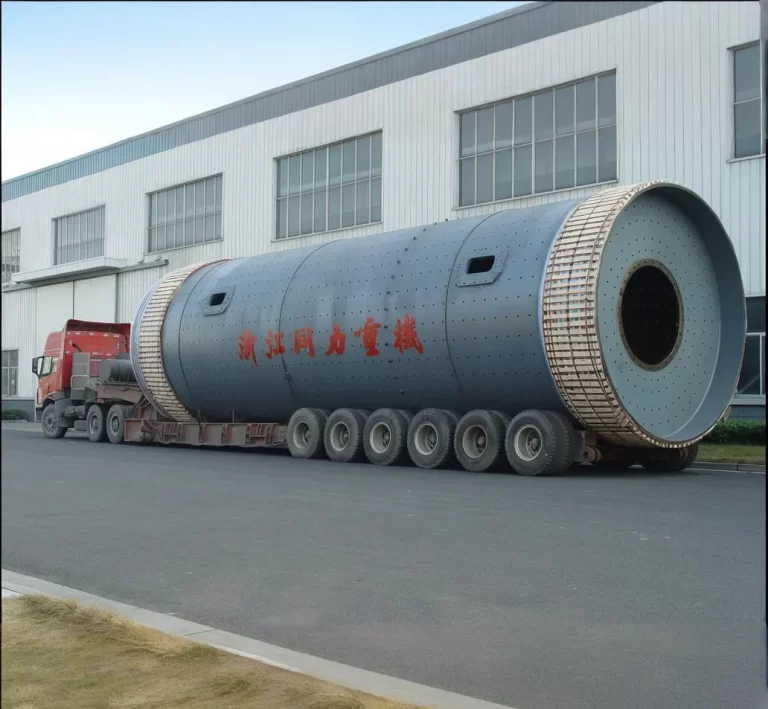
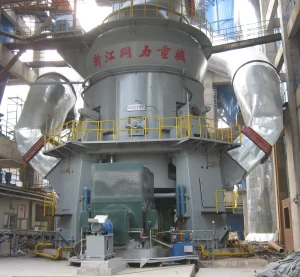
The competitive landscape for cement plant construction has increasingly tilted toward China-based suppliers. In many markets—North America being a clear exception—new cement production lines are now commonly engineered and delivered by Chinese EPC contractors. Large state-backed groups such as CNBM (China National Building Material Group) and its subsidiaries benefit from strong institutional support, enabling them to offer bundled solutions that combine engineering design, core equipment supply, project execution, and in some cases financing. Alongside these major groups, experienced Chinese manufacturers such as Tongli Heavy Machinery have also gained international exposure, supplying critical equipment including vertical roller mills, cement ball mills, rotary kilns, and complete cement grinding plants and complete cement production lines to overseas projects. The global expansion of these companies has been further accelerated by China’s Belt and Road Initiative, which has supported the construction of cement plants across Asia, Africa, the Middle East, and parts of Europe, reinforcing the presence of Chinese technology and manufacturing in the global cement industry.
Shrinking Space for Non-Chinese Full-Plant Suppliers
As Chinese suppliers dominate price-sensitive turnkey projects, cement equipment companies outside China have adjusted their market approach. Rather than competing directly on full plant construction, they increasingly focus on specialized areas where technological differentiation matters. These include grinding systems, process optimization, digital control platforms, advanced automation, and aftermarket services. FLSmidth’s emphasis on sustainable technologies and long-term service offerings reflects this broader shift toward higher-value, lower-risk segments.
Short-Term Shocks and Protectionist Responses
Recent global disruptions have further complicated the cement equipment market. The Covid-19 pandemic exposed weaknesses in global supply chains, while geopolitical tensions have increased energy costs, transport risks, and project uncertainty. In response, Western governments have introduced protectionist industrial policies aimed at safeguarding domestic industries and accelerating low-carbon transitions. These measures are partly designed to counter the growing influence of state-backed Chinese industrial groups across strategic sectors, including cement.
From Kiln Construction to Carbon Capture and Retrofit
Against this backdrop, FLSmidth’s reassessment of its cement business reflects a broader transformation underway in the industry. Europe-based suppliers are well positioned in the next phase of cement investment, as the region currently leads in carbon capture and storage (CCS) deployment. As carbon pricing expands and emissions costs rise, cement producers are expected to prioritize retrofitting existing plants rather than building new ones. This shift could fundamentally change the cement equipment market, moving the focus away from kiln construction toward CO₂ capture, emissions reduction technologies, and long-term sustainability solutions.
FLSmidth’s strategy for selling its cement equipment business
FLSmidth’s approach to divesting its cement equipment business followed a deliberate and structured process. Instead of announcing a sale only after securing a buyer, the company first separated the cement division operationally, strengthened its business profile, and then publicly stated that it was exploring divestment options. This transparent approach differs from many corporate divestments, which typically remain confidential until a transaction is close to completion.
The groundwork for a potential sale had been laid over several years through FLSmidth’s pure-play strategy. During this period, the company simplified the cement business and shifted its focus toward products, aftermarket services, and technology solutions, while intentionally reducing exposure to large, high-risk project contracts. This repositioning was designed to improve stability, profitability, and overall attractiveness to potential buyers.
According to FLSmidth, the successful sale of the MAAG business confirmed that there was strong market interest in cement-related assets. Encouraged by this response, the company indicated that it expected interest from multiple parties, including both industrial groups and financial investors, although no specific buyers were disclosed at the time.
Overall, FLSmidth emphasized that the cement business being prepared for sale was a well-defined, lower-risk asset, distinct from other recent industry divestment attempts. By focusing on repeatable products and services rather than project-driven risk, the company positioned the division as a stable and investable business, supporting a smoother and more credible divestment process.
FLSmidth’s Gradual Exit from Non-Core Cement Related Businesses: Key Transactions
Sale of Non-Core Cement Logistics and Handling Technologies to KOCH Solutions – June 2023
In June 2023, FLSmidth announced the divestment of a group of non-core cement logistics and material handling technologies to KOCH Solutions, a U.S.-based industrial engineering company specializing in bulk material handling. The transaction included intellectual property, engineering know-how, order backlog, employees, and facilities related to port and terminal equipment, stockyard systems, and pipe conveyor technologies. These systems are typically used for large-scale bulk handling of raw materials and finished cement, but are less closely aligned with FLSmidth’s core process equipment strategy. FLSmidth did not disclose the transaction value, which is common for carve-outs involving complex asset separations. Initially expected to close by the end of 2024, the transaction was later delayed, with completion now projected for late 2025. The extended timeline reflects the operational complexity of separating long-term contracts, shared resources, and legacy project obligations. Strategically, the deal signaled FLSmidth’s intent to exit lower-margin, project-heavy cement infrastructure businesses in favor of more technology-driven offerings.
Divestment of Advanced Filtration Technologies (AFT) Filter Media Business to Micronics – July 2023
In July 2023, FLSmidth sold its Advanced Filtration Technologies (AFT) filter media business to Micronics, a global manufacturer focused exclusively on industrial filtration solutions. The AFT business produced filter fabrics used in cement, mining, and other heavy industries, but operated largely as a standalone manufacturing activity, distinct from FLSmidth’s main equipment and service portfolio. While the sale price was not publicly disclosed, FLSmidth’s annual financial statements reported a net gain of approximately EUR 13 million from the transaction. The divestment reduced FLSmidth’s exposure to materials manufacturing and working-capital-intensive operations, while allowing Micronics to integrate the business into its specialized filtration platform. From a strategic perspective, this move further narrowed FLSmidth’s cement footprint by exiting product lines that did not directly support core process technologies.
Sale of MAAG Gears and Drives Business to Solix Group – Q1 2024
In early 2024, FLSmidth completed the sale of its MAAG gears and drives business to Solix Group, a Swedish investment company with a focus on industrial technology assets. The transaction closed during the first quarter of 2024. MAAG was historically known for high-precision gear units used in cement mills, kilns, and other heavy industrial applications. As with earlier divestments, the headline sale price was not disclosed. However, company disclosures indicated a net gain of approximately EUR 3.75 million, suggesting a relatively modest valuation compared to the historic importance of the brand. The divestment reflected FLSmidth’s ongoing effort to reduce exposure to capital-intensive mechanical components and shift toward higher-value process technologies, digital solutions, and services.
Final Exit from Air Pollution Control (APC) Business via Sale to Rubicon Partners – 2024
In 2024, FLSmidth announced the sale of its remaining Air Pollution Control (APC) business to Rubicon Partners, a UK-based private equity firm. FLSmidth confirmed that it had been systematically reducing its APC exposure since 2020, making this transaction the final step in a multi-year exit from emissions control systems. The APC business primarily served cement and heavy industry customers with large, project-based environmental solutions subject to regulatory uncertainty and long execution cycles. Although financial details were not disclosed, FLSmidth stated that the divestment would have no material negative impact on its continuing operations. Strategically, this sale eliminated another project-driven business line, further simplifying the group ahead of its full cement divestment.
Strategic Context – A Phased Withdrawal Rather Than a Single Exit
By the time these transactions were completed, FLSmidth’s cement-related activities—excluding quarrying and selected services—had largely been dismantled. Importantly, this exit was not executed in a single transaction, but through a carefully sequenced series of divestments spanning multiple years. Non-core logistics technologies, filter media manufacturing, mechanical drive systems, and air pollution control were each removed step by step. This phased approach allowed FLSmidth to reduce operational complexity, de-risk its cement exposure, and improve the standalone profile of the remaining cement business ahead of its eventual sale. Viewed together, these deals laid the structural groundwork for FLSmidth’s later decision to divest its core cement equipment division and reposition itself as a pure-play mining technology and services company.
Historical Development of Fuller: From Foundry Origins to Global Cement Technology
Mid-19th Century Origins: McKee-Fuller Foundry
The company that later became known as Fuller, headquartered in Pennsylvania, USA, traces its roots back to the mid-19th century, when the McKee-Fuller Foundry was established. At that time, the business focused on metal casting and heavy industrial components, serving the rapidly growing U.S. infrastructure, rail, and manufacturing sectors. This foundry-based foundation gave the company early expertise in mechanical engineering, metallurgy, and durable industrial equipment, capabilities that would later prove critical in bulk material handling applications.
1920s: Introduction of the Fuller-Kinyon Pump
A major technological milestone came in the 1920s, when Fuller began commercializing the Fuller-Kinyon pump. This device was a pneumatic screw pump designed to transport powdered and fine-grained materials efficiently using compressed air. Compared with conventional mechanical conveyors of the time, the Fuller-Kinyon pump offered simpler layouts, reduced spillage, and improved reliability. The technology quickly gained recognition in the cement industry, where it was used to convey cement powder, raw meal, and fly ash over long distances and through complex plant layouts. Over time, the Fuller-Kinyon pump became one of the most widely recognized pneumatic conveying solutions in cement plants worldwide, firmly associating the Fuller name with cement material handling innovation.
1959: Acquisition of Traylor Engineering Company
In 1959, Fuller expanded beyond material handling by acquiring Traylor Engineering Company, a well-known U.S. manufacturer of crushers and comminution equipment. Traylor had a strong reputation in both the cement and mining industries, particularly for gyratory and jaw crushers used in primary crushing applications. This acquisition significantly broadened Fuller’s product portfolio, allowing it to offer upstream process equipment alongside conveying solutions. As a result, Fuller evolved from a specialized component supplier into a more comprehensive process equipment provider, serving large-scale cement plants and mineral processing operations.
1990: FLSmidth Acquires Fuller (Including Traylor)
In 1990, FLSmidth, the Denmark-based global cement and mining technology supplier, acquired Fuller Company, including its Traylor Engineering operations. This acquisition was strategically important for FLSmidth, as it strengthened the group’s presence in North America and expanded its access to crushing, material handling, and pneumatic conveying technologies. Under FLSmidth ownership, Fuller’s technologies—particularly Fuller-Kinyon pumps and Traylor crushers—were integrated into FLSmidth’s global product lineup and installed base. The Fuller brand continued to be widely used in the cement industry, especially in the Americas, becoming one of FLSmidth’s most recognized legacy brands.
Strategic Significance and Long-Term Impact
The history of Fuller illustrates how a 19th-century American foundry evolved into a globally influential cement technology brand through continuous innovation and strategic acquisitions. Its core contributions—especially in pneumatic conveying and crushing—remain fundamental technologies in modern cement plants. Decades later, when FLSmidth rebranded its cement business as Fuller Technologies, it was drawing directly on this legacy. The name reflects more than branding continuity; it represents over a century of engineering development, particularly in cement material handling and process equipment, that continues to shape the industry today.
Now Back To The Topic Who Is Pacific Avenue Capital Partners?
Pacific Avenue Capital Partners is a U.S.-based private equity firm that specializes in industrial carve-outs, corporate divestments, and complex separation transactions. The firm focuses almost exclusively on industrial, manufacturing, and engineering-intensive businesses, particularly those being divested by large multinational corporations as part of strategic refocusing or portfolio simplification programs. Unlike mainstream private equity firms that prioritize rapid growth, short holding periods, or consumer-facing assets, Pacific Avenue operates in capital-intensive, technically complex industries where value creation depends on operational restructuring, strategic focus, and long-term industrial demand, rather than financial leverage alone. This investment philosophy helps explain why Pacific Avenue acquired FLSmidth’s cement business and rebranded it as Fuller Technologies. The cement division possessed a strong global reputation, a large installed base, and well-known brands, but had become strategically non-core as FLSmidth shifted its focus toward mining. Under Pacific Avenue’s ownership, the business could operate independently, with dedicated capital and management attention, allowing its cement technologies and services to be developed without internal competition from a mining-focused parent.
Pacific Avenue Capital Partners — Timeline of Key Events
- 2018 Pacific Avenue Capital Partners is founded in Los Angeles, focusing on corporate carve-outs, complex divestitures, and operationally intensive middle-market investments. The firm begins building its platform and deal track record with early investments and carve-outs.
- 2021 Pacific Avenue executes a continuation vehicle investment in Emerald Textiles, acquiring the outsourced healthcare linen management business and refinancing it to support future growth. This deal reflects the firm’s carve-out and operational focus.
- April 2023 Pacific Avenue successfully closes its first institutional private equity fund, Fund I, with over $500 million in committed capital, oversubscribed by global institutional investors. This marks a significant scaling of the firm’s investment capacity.
- Early 2024 Pacific Avenue signs a put option agreement to acquire the filtration business unit of Sogefi S.p.A., later operating as the Purflux Group. This business is a major global manufacturer of vehicle filtration components, with facilities in Europe, North America, India, and North Africa, and generated more than $600 million in revenue in 2023.
- April 2, 2024 The firm closes the acquisition of KiddeFenwal, a global industrial and commercial fire suppression systems and safety controls manufacturer, approved in U.S. Bankruptcy Court and positioned for growth in industrial safety markets.
- May 31, 2024 Pacific Avenue completes the acquisition of the filtration business unit of Sogefi (Purflux Group), which serves both OEM and aftermarket segments and plans future growth tied to vehicle electrification trends.
- December 4, 2024 The firm completes the acquisition of the North American Flooring Business from H.B. Fuller Company, now operating as TEC Specialty Products. This unit supplies flooring preparation and installation systems across the U.S. and Canada.
- August 12, 2025 Pacific Avenue closes Fund II with more than $1.65 billion in committed capital, significantly expanding its investment capacity, including a European sidecar vehicle. At this point, its assets under management grow to approximately $3.8 billion.
- October 2, 2025 An affiliate of Pacific Avenue completes the acquisition of Pick Your Part (PYP) from LKQ Corporation, a U.S. auto salvage business operating one of the largest self-service yard networks.
Pacific Avenue Capital Partners Table: Major Deals and Milestones
| Year | Transaction / Milestone | Target / Business Unit | Industry / Focus | Notes |
| 2018 | Firm founded | — | Private equity formation | Focus on carve-outs and complex corporate divestitures |
| 2021 | Emerald Textiles continuation vehicle | Emerald Textiles | Healthcare linen services | Operational carve-out with refinancing |
| 2023 | Fund I closes at > $500M | — | PE fundraising | Oversubscribed institutional commitments |
| 2024 (Mar) | Put option agreement to acquire Sogefi filtration unit | Sogefi Filtration Business | Automotive filtration | Continued growth into aftermarket and EV transition |
| 2024 (Apr) | KiddeFenwal acquisition closes | KiddeFenwal | Fire suppression / safety controls | Adds global fire and safety systems platform |
| 2024 (May) | Acquisition of Sogefi filtration business completed | Purflux Group | Filtration systems | Multi-country facilities, > $600M revenue |
| 2024 (Dec) | Flooring business from H.B. Fuller acquired | North American Flooring Business (TEC) | Building products | Multi-site U.S. manufacturing footprint |
| 2025 (Aug) | Fund II closes at > $1.65B | — | PE fundraising | Expanded capital for industrial deals |
| 2025 (Oct) | Pick Your Part acquired | LKQ’s PYP | Auto salvage / recycled parts | Large self-service network acquisition |
Why Pacific Avenue Was a Logical Buyer for FLSmidth Cement
FLSmidth Cement fit Pacific Avenue’s investment profile almost exactly:
- A globally recognized industrial business with over 140 years of history
- Strong brands such as Fuller, Pfister, and Ventomatic
- A large global installed base across cement plants worldwide
- Strategic deprioritization by its former owner due to FLSmidth’s shift toward mining
From Pacific Avenue’s perspective, the cement business was not structurally weak, but rather strategically misaligned within FLSmidth’s pure-play mining strategy. Acquiring the business allowed Pacific Avenue to:
- Restore full strategic focus to cement technologies
- Reposition the company around services, retrofits, and decarbonization
- Operate without competition for capital or management attention from a mining division
A Classic Industrial Carve-Out Opportunity
From Pacific Avenue Capital Partners’ perspective, the acquisition of FLSmidth’s cement business represents a textbook industrial carve-out rather than a speculative growth bet. The cement division was technically strong, globally recognized, and commercially viable, but it had become strategically non-core as FLSmidth shifted its capital and management focus toward mining. This situation often leads to underinvestment and strategic drift, creating an opportunity for a specialist investor to unlock value simply by restoring focus and independence.
Monetizing a Large Global Installed Base
One of the strongest financial attractions of the cement business is its vast installed base across thousands of cement plants worldwide. Equipment supplied by FLSmidth and its legacy brands continues to operate decades after installation, generating consistent demand for spare parts, refurbishments, upgrades, and technical services. These aftermarket revenues are structurally more stable and higher margin than new plant construction, making them particularly attractive to a private equity owner seeking predictable cash flow.
Improving Profitability Through Standalone Operations
Within a large listed group, the cement division had to compete internally for resources and strategic priority. As a standalone company under Pacific Avenue’s ownership, the business can operate with clearer accountability and faster decision-making. This allows for tighter cost management, more disciplined capital allocation, and sharper commercial execution. Even without revenue growth, operational improvements alone can significantly lift margins and cash generation.
Simplifying a Complex Legacy Business
Decades of expansion left the cement business with overlapping product lines, legacy technologies, and complex organizational structures. Pacific Avenue has experience simplifying such industrial platforms by exiting low-return activities, consolidating operations, and concentrating on the most profitable equipment and service offerings. This type of portfolio rationalization often leads to meaningful EBITDA improvement within a relatively short timeframe.
Greater Commercial and Pricing Flexibility
As an independent entity, the cement business gains commercial flexibility that was harder to achieve inside a diversified multinational group. Pacific Avenue can support management in revising pricing strategies, renegotiating long-term service contracts, and aligning offerings more closely with regional market conditions. Small improvements in pricing discipline and contract structure can translate into substantial earnings gains across a large customer base.
Clear Exit Optionality for the Investor
From an investment standpoint, Pacific Avenue does not rely on indefinite ownership. Once the business is repositioned as a focused, profitable cement technology and services platform, multiple exit paths become viable. These may include a sale to another industrial group, a secondary private equity transaction, or the divestment of selected business units. Improved margins, stable cash flow, and strategic clarity significantly increase valuation at exit.
Value Creation Without Market Expansion
Ultimately, Pacific Avenue’s investment case is not dependent on expanding the global cement market or building new plants. The value lies in acquiring a well-known industrial business at a carve-out valuation, improving its operational and commercial performance, and realizing higher returns through disciplined ownership. This approach aligns closely with Pacific Avenue’s broader strategy of industrial value creation through focus, restructuring, and long-term operational improvement.
Financial implications and outlook: Why Pacific Avenue Capital Partners Acquired FLSmidth Cement: Deal Value, Financials, and Strategic Context
Pacific Avenue Capital Partners, a U.S.-based private equity firm, was formally identified on 20 June 2025 as the buyer of FLSmidth’s cement business. The agreed transaction structure consists of an upfront cash consideration of EUR 75 million, supplemented by a performance-linked deferred payment of up to an additional EUR 75 million. While the specific milestones governing the deferred consideration have not been publicly disclosed, such mechanisms are typically tied to post-closing financial or operational targets.
From a financial standpoint, the cement division represented a substantial operating business at the time of sale. In the 2024 financial year, the unit generated revenue of approximately EUR 596 million and delivered an adjusted EBITDA of EUR 54 million, implying an EBITDA margin of around 9%. These figures indicate that the business was operationally viable and cash-generative, rather than distressed, reinforcing the view that the divestment was strategic rather than forced. Subject to regulatory approvals and customary closing conditions, completion of the transaction is expected during the second half of 2025.
The final net cash inflow to FLSmidth from the sale will depend on customary post-closing adjustments, including transaction costs and debt-like items transferred with the business. After these adjustments, the company has indicated that the immediate net cash gain will be modest. The deferred consideration—capped at EUR 75 million (approximately DKK 550 million)—introduces additional upside, but its realization remains contingent upon achieving undisclosed performance benchmarks after the transfer of ownership.
Following the execution of the transaction, FLSmidth Cement will be reclassified as both “held for sale” and “discontinued operations” in FLSmidth’s Q2 2025 interim financial statements. As part of this accounting treatment, a fair value reassessment of the cement business’s assets and liabilities will result in a non-cash impairment charge of roughly DKK 700 million. This accounting adjustment will be reflected in the results from discontinued operations and will not affect the group’s cash position.
As a consequence, FLSmidth’s financial guidance for the 2025 fiscal year will be revised to exclude the cement division entirely and will reflect only the continuing Mining business. This adjustment aligns with the company’s stated intention to operate as a pure-play mining technology and services provider, with management attention and capital allocation fully directed toward that segment.
From an ownership perspective, the transaction also aligns with a typical private equity value-creation framework. As a financial sponsor, Pacific Avenue Capital Partners is likely focused on enhancing the standalone valuation of the cement business through operational focus, margin improvement, and strategic repositioning. This could ultimately support future monetization options, such as a resale, partial divestment, or structural separation. Alternatively, one might observe that the acquisition also preserves and re-centers a historically significant industrial platform—though any appreciation for American industrial heritage would be incidental rather than central to the investment thesis.
Why Pacific Avenue Emphasizes U.S. Industrial Heritage in the FLSmidth Cement Acquisition
What stands out in Pacific Avenue Capital Partners’ handling of the acquisition is its deliberate emphasis on the U.S. industrial roots of the former FLSmidth Cement business. This positioning is not merely symbolic or nostalgic; it is closely aligned with the underlying revenue structure of the company. A review of the geographic revenue breakdown for 2024 helps explain why highlighting American industrial heritage makes commercial sense.
In 2024, the United States represented the single largest national market for the cement business, accounting for approximately 24% of total revenue. This made the U.S. not only the company’s most important country market, but also significantly larger than any individual European or Asian market. Denmark followed at 14%, reflecting the company’s historical base and long-standing operations, while India contributed 11%, supported by ongoing cement capacity expansion and modernization projects. Indonesia (9%), Brazil (8%), Türkiye (7%), and China (7%) rounded out the major markets, with the remaining revenue distributed across a wide range of smaller international markets through exports and regional projects.
From an ownership perspective, this revenue profile strongly supports a U.S.-centric narrative. With nearly one-quarter of sales generated in the United States, the business already has deep commercial exposure to the North American cement market, including aftermarket services, plant upgrades, and regulatory-driven investments. Emphasizing American industrial heritage helps reinforce customer confidence in a market where domestic presence, long-term reliability, and lifecycle support are critical purchasing factors—especially for cement producers making multi-decade capital decisions.
At the same time, the data reveals a diversified but fragmented international footprint. No single non-U.S. country contributes more than 14% of revenue, which reduces overdependence on any one emerging market but also limits pricing power and scale benefits outside North America. For a private equity owner, this structure creates a clear incentive to strengthen performance in the most profitable and stable markets—particularly the U.S.—while selectively optimizing or repositioning operations elsewhere.
There is also a strategic contrast embedded in the numbers. Although China remains a major force in global cement equipment supply, it accounted for only 7% of the company’s revenue in 2024. This highlights the competitive pressure from Chinese EPC contractors abroad while underscoring the relative resilience of Western suppliers in markets like the U.S., where regulatory standards, technical specifications, and customer preferences create higher barriers to entry. By foregrounding U.S. industrial lineage, Pacific Avenue effectively distances the business from price-driven competition and aligns it with value-based procurement.
Fuller vs FLSmidth: Why an American Cement Brand Has Strategic Advantage in the U.S. Market
Why U.S. Cement Equipment Brands Like Fuller Matter as China’s Global Dominance Grows
Fuller and FLSmidth are both long-established names in the global cement industry, representing American and European industrial traditions respectively. In the context of the past decade, placing greater emphasis on an American brand is a strategically astute decision, particularly as China-based equipment suppliers have steadily expanded their influence across international cement markets since the 2010s. The United States stands out as one of the few major markets where Chinese suppliers have yet to achieve significant penetration. Although Chinese manufacturers may have provided auxiliary or smaller-scale equipment, large and highly visible cement plant contracts have largely remained in the hands of Western suppliers—at least in publicly disclosed projects. This situation is partly explained by the limited number of new cement production lines constructed in the U.S. in recent years. Even so, the few clinker lines that have been built illustrate this trend clearly. Recent projects—including Heidelberg Materials’ facility in Mitchell, Indiana; National Cement’s plant in Ragland, Alabama; and GCC’s operation in Odessa, Texas—relied on core process equipment supplied by thyssenkrupp or KHD. Both firms are headquartered in Germany, although it is worth noting that KHD operates under majority ownership by a Chinese shareholder, reflecting the increasingly complex ownership structures within the global cement equipment sector.
The Strategic Value of U.S. Cement Equipment Brands in a Protectionist American Market
Taken together, these three projects underline a clear pattern: even in a period of limited new kiln construction, major U.S. cement producers continue to rely on Western-engineered solutions for critical clinker assets. This reality helps explain why U.S. branding, heritage, and local presence remain commercially valuable—particularly for equipment suppliers positioning themselves against China-based competitors in the North American market.
GCC – Odessa Cement Plant (Texas, USA)
The Odessa cement plant operated by GCC (Grupo Cementos de Chihuahua) is one of the most recent greenfield clinker production projects in the United States. Situated in West Texas, the plant was designed to serve fast-growing construction markets in Texas and neighboring states, benefiting from access to raw materials and efficient logistics. GCC selected KHD as the primary supplier of pyroprocessing and core cement equipment. Although KHD is a German engineering company, it is majority-owned by a Chinese parent, illustrating the increasingly international ownership structures behind Western-branded cement technology.
- Location: Odessa, Texas, USA
- Project type: Greenfield cement and clinker plant
- Commissioning year: 2023
- Clinker capacity: ~1.0–1.2 million tonnes per year
- Investment scale: Estimated USD 200–250 million
- Main equipment supplier: KHD
- Strategic purpose: Serve U.S. Southwest demand, reduce import reliance
Heidelberg Materials – Mitchell Cement Plant (Indiana, USA)
Heidelberg Materials’ Mitchell cement plant in Indiana is one of the most prominent recent clinker line investments in the United States. Located in the Midwest, the facility plays a strategic role in supplying cement to several surrounding states. The project reflects Heidelberg Materials’ long-term commitment to maintaining modern domestic clinker capacity in a market where new kiln construction has been limited for many years. Core pyroprocessing and process equipment for the project were supplied by thyssenkrupp, underlining the continued preference of U.S. producers for established Western technology providers when making high-capital, long-life investments.
- Location: Mitchell, Indiana, USA
- Project type: New clinker production line (modernisation / expansion)
- Commissioning period: Late 2010s (publicly reported around 2019–2021)
- Clinker capacity: ~2.4–2.6 million tonnes per year
- Main equipment supplier: thyssenkrupp
- Strategic purpose: Improve efficiency, reduce energy intensity, secure Midwest supply
National Cement – Ragland Cement Plant (Alabama, USA)
National Cement’s Ragland plant in Alabama is a landmark project for the southeastern United States cement market. Developed to replace older wet-process capacity, the Ragland facility introduced a modern dry-process clinker line designed to improve operational efficiency and environmental performance. The project was one of the largest single cement investments in the region and demonstrated confidence in long-term U.S. construction demand. Thyssenkrupp supplied major process equipment, reinforcing its strong position in the North American cement sector.
- Location: Ragland, Alabama, USA
- Project type: New dry-process clinker line (replacement of legacy capacity)
- Commissioning year: 2021
- Clinker capacity: ~1.4–1.6 million tonnes per year
- Investment scale: Estimated USD 250–300 million (industry estimates)
- Main equipment supplier: thyssenkrupp
- Strategic purpose: Lower emissions, higher efficiency, long-term regional supply
CRH, Holcim, and the Shift West: How Cement Multinationals Are Doubling Down on the U.S.
Over the last ten years, many Western cement companies have shifted their attention toward the United States while reducing their exposure to Eastern and emerging markets. This change has happened for several reasons. Demand growth in parts of Asia has slowed, competition from state-supported Chinese cement producers has increased, and geopolitical risks have become more serious. At the same time, global cement groups have become more careful about how they invest their capital. Compared with these markets, the United States offers more stability, clearer regulations, and strong long-term demand driven by infrastructure and construction spending. As a result, it has become an attractive place for companies to focus their investment.
A clear example of this trend is CRH’s acquisition of Ash Grove Cement in 2018. CRH bought the U.S.-based company from Summit Materials for about USD 3.5 billion. The deal included eight cement plants, more than 20 distribution terminals, and total cement capacity of around 8–9 million tonnes per year. This acquisition greatly expanded CRH’s presence in the U.S. and made North America its largest and most profitable region. It also reduced CRH’s dependence on less stable overseas markets and allowed the company to benefit from long-term growth in U.S. infrastructure and construction. Since then, CRH has continued to invest mainly in North America, showing how important the U.S. market has become to its global strategy.
Another strong example is Holcim’s decision in 2025 to spin off its North American business as Amrize. This move created a separate company focused entirely on the U.S. market, covering cement, aggregates, and ready-mix concrete. Holcim made this decision to increase shareholder value by allowing its North American operations—known for higher profit margins, strong cash flow, and lower regulatory pressure—to operate independently from its European business, which faces stricter carbon rules. The spin-off also shows that Holcim sees the U.S. as a market with a very different risk and return profile compared with many Eastern regions, especially because carbon taxes are unlikely in the near term and infrastructure demand remains strong.
Together, these examples show a broader shift in strategy among Western cement companies. Instead of chasing volume growth in highly competitive Eastern markets, they are choosing to strengthen and expand their positions in the United States. This approach focuses more on stable margins, predictable regulations, and long-term asset value rather than rapid capacity expansion. As a result, the U.S. has become not just a growth market, but a core strategic base for Western cement groups as they reshape their global portfolios.
Conclusion
In recent years, trade protectionism has quietly returned to the center of U.S. industrial policy. Measures such as the Inflation Reduction Act of 2022 and the more explicit tariff-oriented trade policies introduced by the Trump administration in 2025 have reshaped the competitive environment for heavy industry and cement manufacturing equipment suppliers. While these policies are not aimed specifically at cement, they strongly influence where industrial investment takes place, which suppliers are favored, and how global companies structure their operations. At the same time, the U.S. cement market has become one of the most attractive in the world. As the third-largest cement market globally, the United States benefits from stable demand fundamentals driven by infrastructure renewal, housing, energy transition projects, and reshoring of manufacturing. Unlike many regions facing demand volatility or oversupply, the U.S. construction materials market shows healthy medium-term prospects, supporting long-life investments in cement plants and related equipment.
An important factor shaping future investment decisions is the absence of a near-term U.S. carbon tax on cement production. While Europe is moving rapidly toward carbon pricing and stricter emissions regulation, the U.S. regulatory environment remains more flexible. This creates a realistic possibility that additional clinker production capacity will be required in the coming years, particularly if domestic demand continues to grow and imports become less competitive due to tariffs and logistics costs.
In this environment, trade protectionism and market demand work in the same direction. U.S.-based cement producers are increasingly incentivized to source equipment from suppliers with strong American identities, local manufacturing, and long-standing relationships with domestic customers. A cement equipment supplier with a historic U.S. brand name and deep roots in American industrial history is therefore likely to enjoy a competitive advantage, both commercially and politically.
This is where the transformation from FLSmidth Cement to Fuller under Pacific Avenue Capital Partners becomes strategically meaningful. By reviving and emphasizing the Fuller name—an American brand with more than a century of history—Pacific Avenue has repositioned the business to align more closely with U.S. market realities. In addition, the potential to expand or localize manufacturing in the United States offers a practical way to reduce tariff exposure, shorten supply chains, and meet customer expectations for domestic sourcing.