


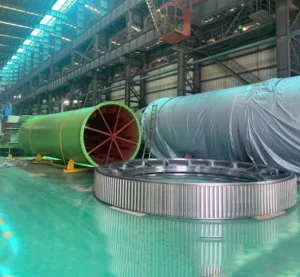

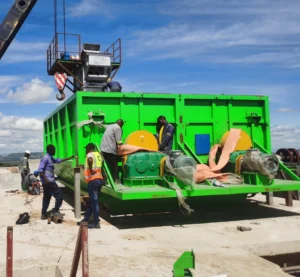

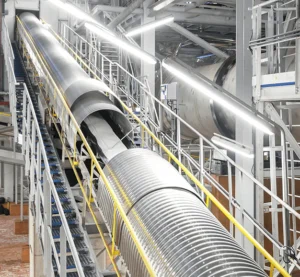


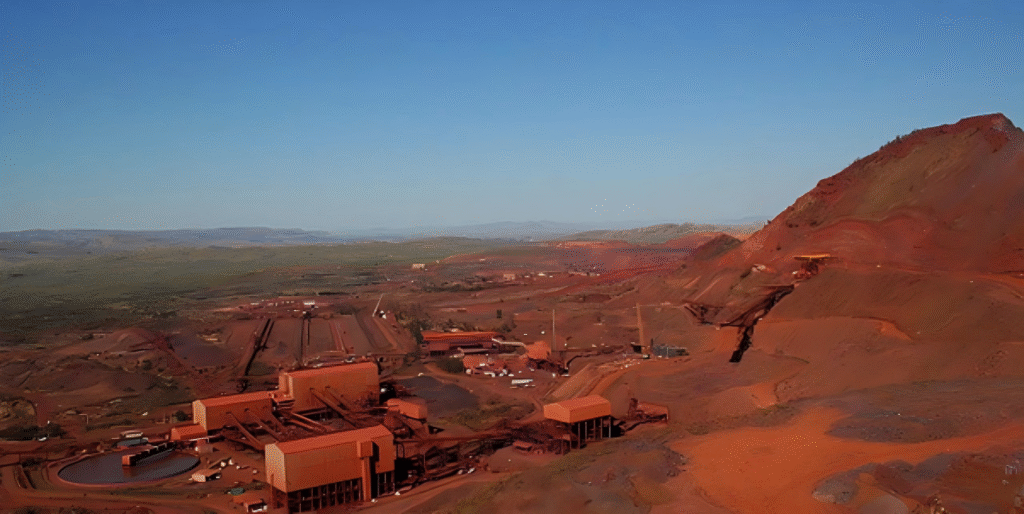
After being mined, ores cannot be directly used for industrial production. They require multi-stage physical or chemical treatment to remove gangue and harmful impurities, improving the grade of the target ore to industrial application standards. The mineral composition, occurrence state, and physicochemical properties of different types of ores vary significantly, determining the core technical routes of their processing. Iron ore, as a basic raw material for the steel industry, exhibits significant differences in density and magnetic properties between iron minerals and gangue, and enrichment is primarily achieved through physical sorting methods. However, difficult-to-process gold ores, due to the gold being tightly encapsulated by sulfide minerals and containing gold-depleting organic carbon, cannot be effectively recovered using traditional cyanide leaching processes. High-temperature roasting pretreatment is necessary to break down the sulfide structure and decompose the organic carbon before subsequent gold extraction. During ore processing, the performance of heavy machinery directly affects production efficiency, product quality, and operating costs. Core equipment such as ball mills, vertical roller mills, and rotary kilns are widely used in key processes such as crushing, grinding, roasting, and pelletizing. The rational selection of their technical parameters and the stable control of their operating conditions are fundamental to ensuring normal production in the processing plant.
Iron ore processing stage
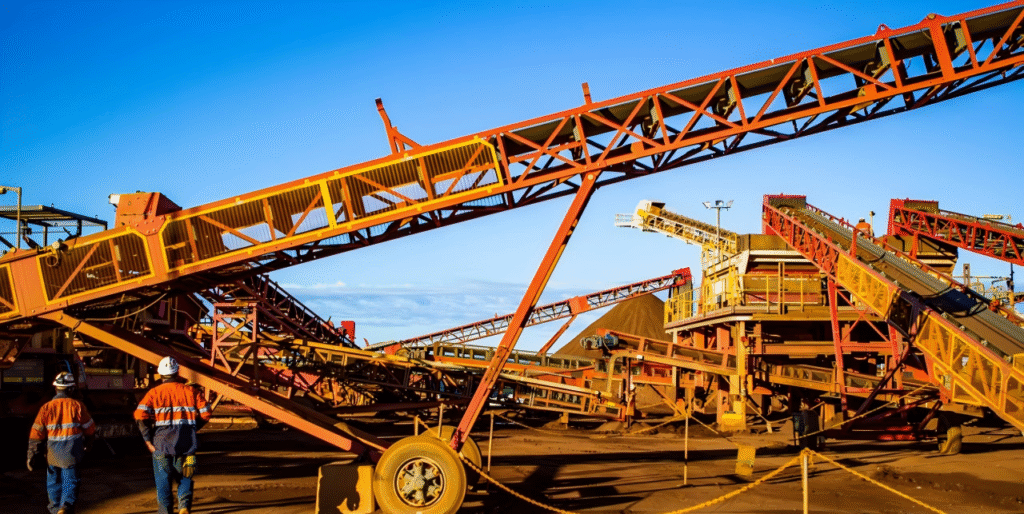
The core objective of iron ore processing is to increase the iron grade of the raw ore to over 65% while controlling production energy consumption and costs. The entire process revolves around "crushing - grinding - sorting," with pre-screening and buffer storage ensuring production continuity. The number of crushing, grinding, and mineral sorting stages can be flexibly increased or decreased depending on the ore hardness, particle size, and crushing effect.
Pre-screening
Before the crushing process, the raw ore must be pre-screened to separate fine particles smaller than the crusher's closed side clearance (CSS). A fixed screen is used for material diversion, allowing fine particles to directly enter the subsequent grinding process without needing to undergo crushing.
Fine particles entering the crusher will reduce its operating efficiency and significantly increase the unit crushing energy consumption (kWhr/ton). Pre-screening effectively avoids crusher overload and significantly improves the overall performance of the crusher. The screen aperture size of the fixed screen must be determined according to the closed side clearance of different crushers, and the screening efficiency directly affects the operating status of subsequent crushing processes.
Crushing and Stockpiling
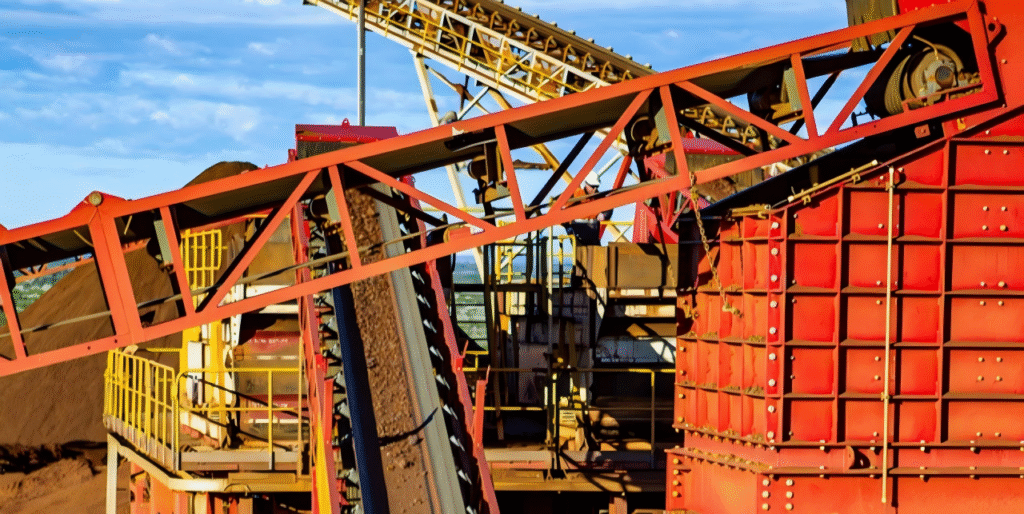
The core of this step is to crush large ore blocks to an F80 grinding size, meaning 80% of the material can pass through a specified screen size, providing a suitable feed size for subsequent grinding processes. All crushed ore is then transferred to a dedicated stockpile for storage.
This stockpile serves as a production buffer system. Its primary function is to continuously supply material to subsequent grinding and sorting processes in the event of a crushing system failure or planned maintenance, preventing a complete plant shutdown. If the crusher malfunctions and there is no buffer stockpile, the entire plant's production will be forced to halt. The processing capacity of the crushing equipment and the uniformity of the product particle size directly affect the stockpile's storage capacity and the stability of subsequent grinding processes.
Buffer feed
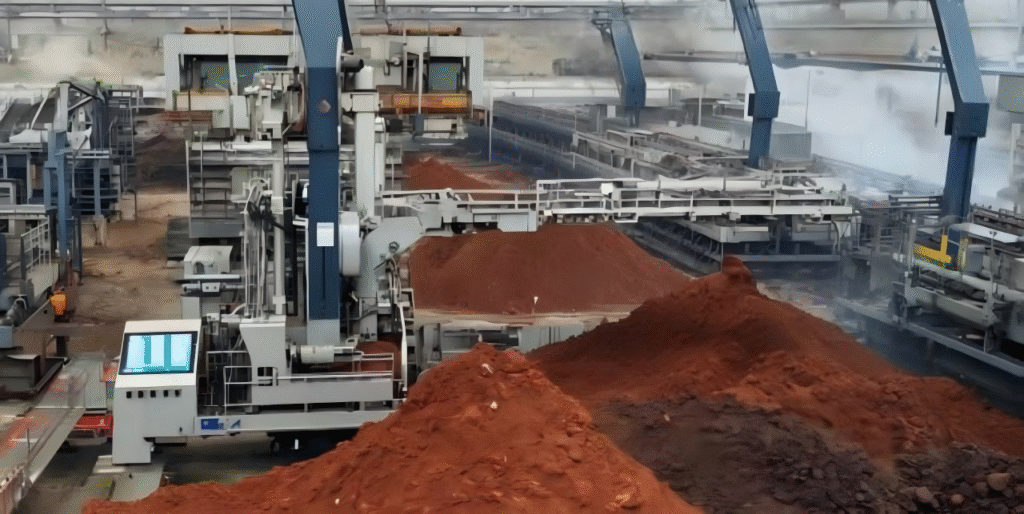
By using a buffer stockpile to provide a continuous and stable material supply to the grinding mill, the impact of upstream process fluctuations on downstream grinding and sorting is eliminated, ensuring the process stability and product quality consistency of the ore recovery process.
Plate feeders and belt conveyors are used for material conveying and feeding. The feed rate needs to be precisely controlled according to the processing capacity of the grinding mill. Fluctuations in the feed rate will cause changes in the grinding mill load, affecting the particle size distribution of the ground product, and thus reducing the efficiency of subsequent sorting processes.
Grinding and Classification
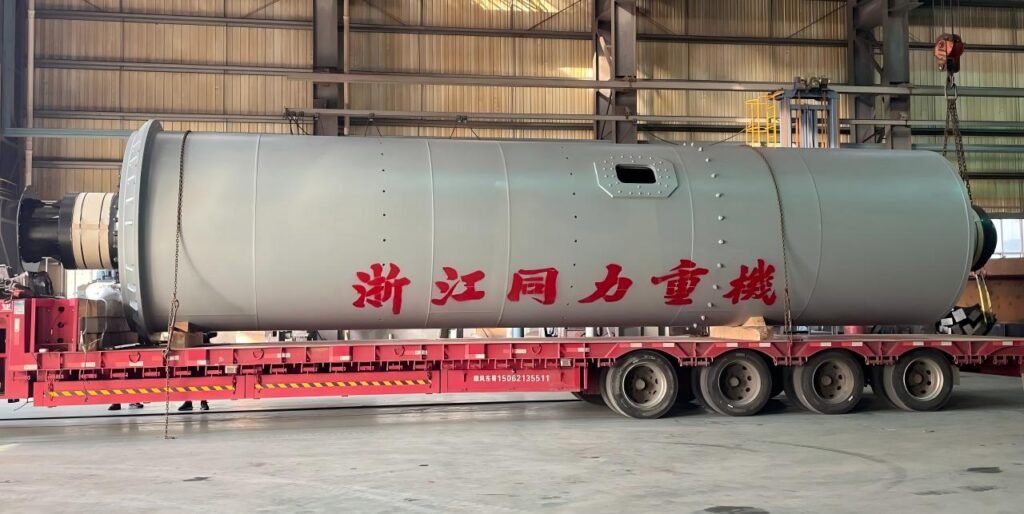
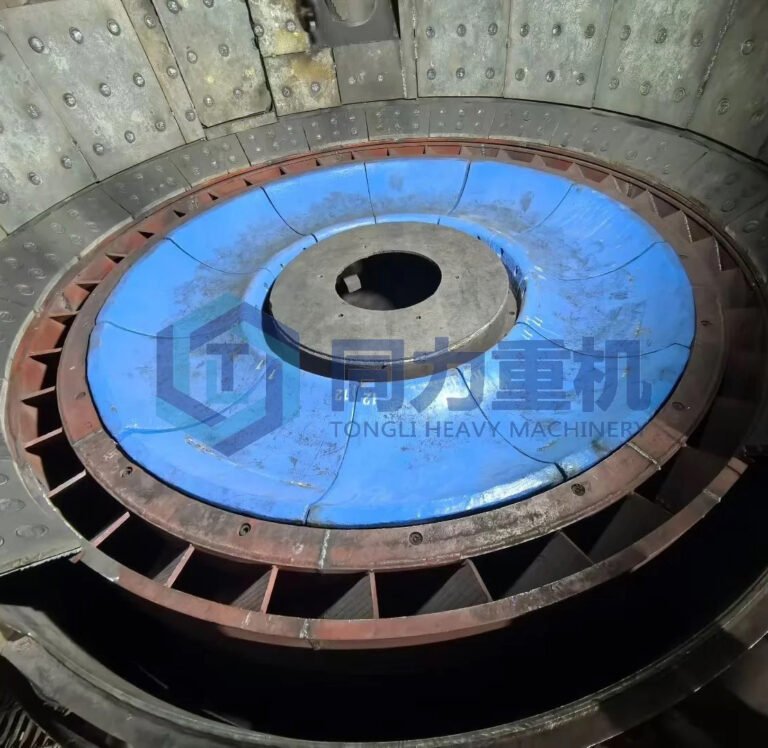
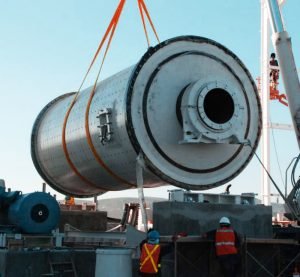
Ball mills or vertical roller mills are used to further grind the crushed ore to a particle size at which iron minerals and gangue are liberated. This is a prerequisite for the effective execution of subsequent sorting processes. Grinding time is determined using the Bond work index, which comprehensively considers multiple parameters such as ore hardness, feed particle size, mill speed, material circulation rate, and target fineness.
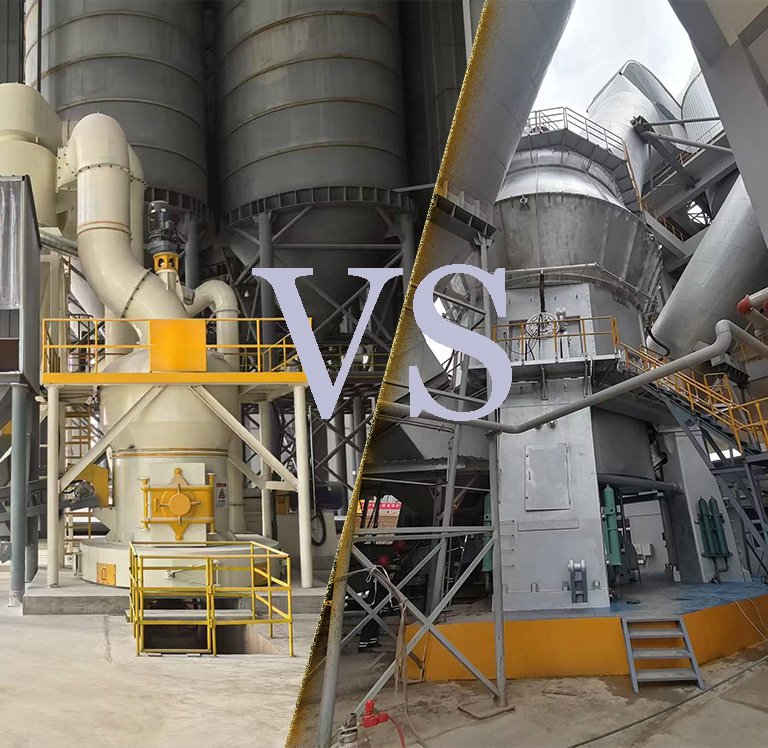
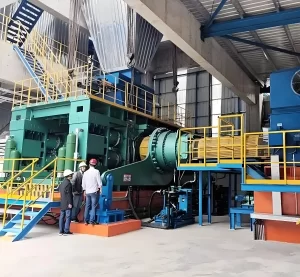
Ball mills crush ore through the impact and grinding action of the grinding media within the cylinder, making them suitable for ores of various hardnesses. Vertical roller mills use the roller pressing principle for grinding, offering advantages such as low energy consumption and high processing capacity. The mill output is classified by a hydrocyclone group or vibrating screen. Coarse particles are returned to the mill for regrinding, while qualified fine particles enter the spiral gravity separation process. The core indicator of efficient grinding is reducing the amount of returned material after classification, thereby reducing unit grinding energy consumption (kWhr/ton).
Spiral Gravity Separation
The solids concentration of the feed for spiral gravity separators is controlled at approximately 30%, with process water added to assist the separation process. Utilizing the centrifugal force generated within the spiral trough, denser iron mineral particles settle to the bottom, while less dense gangue particles are discharged from the top with the slurry.
A collector at the bottom of the spiral trough collects the heavy particles, yielding hematite concentrate; lighter particles are discharged as middlings and tailings. This step needs to be repeated 2-3 times depending on the required mineral liberation degree and iron grade. The trough design and operating parameters of the spiral separator directly affect the separation efficiency and concentrate grade.
Magnetic separation and pelletizing
The middlings and tailings produced by spiral gravity separation contain low-grade magnetite, which needs to be further enriched in a magnetic separation loop. Magnetic materials are collected using a magnetized drum, increasing the iron grade to the customer's required 65%.
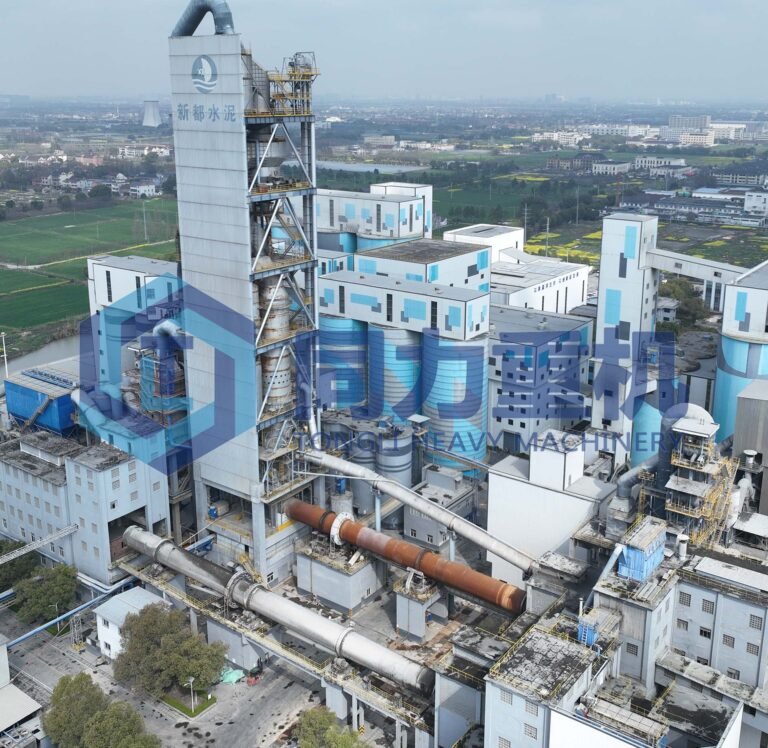
The light particles separated by spiral gravity separation are mixed with bentonite or other similar binders to form pellets, which are then roasted and solidified in a rotary kiln—a process called pelletizing. The high-temperature roasting in the rotary kiln causes physical and chemical changes in the green pellets, improving their strength and metallurgical properties. Pelletized ore is an important raw material for iron and steel smelting. Non-magnetic waste is transported to a tailings disposal area as final tailings.
| Processing Stage | Key Parameters | Main Objectives | Main Equipment |
| Pre-screening | Crusher Closed Side Setting (CSS) | Separate fine particles, prevent crusher overload, improve crushing efficiency | Fixed Screen / Grizzly Screen |
| Crushing & Stockpiling | F80 grinding feed size | Obtain suitable particle size for grinding and establish production buffer | Jaw Crusher, Cone Crusher, Belt Conveyor |
| Buffer Feeding | Material flow stability | Provide continuous and stable feeding to the grinding mill | Apron Feeder, Belt Conveyor |
| Grinding & Classification | Bond Work Index, Classification Return Volume | Achieve mineral liberation and reduce grinding energy consumption | Ball Mill, Vertical Roller Mill, Hydrocyclone Cluster, Vibrating Screen |
| Spiral Gravity Separation | Feed solids concentration 30%, 2-3 separation passes | Separate hematite concentrate | Spiral Concentrator |
| Magnetic Separation & Pelletizing | Final iron grade 65% | Obtain qualified iron concentrate and produce pellets | Magnetic Drum Separator, Pelletizer, Rotary Kiln |
Roasting and processing stage of refractory gold ore
Two major technical bottlenecks exist in processing difficult-to-process gold ores: first, the gold is tightly bound by sulfide mineral particles, making it impossible to dissolve directly by cyanide solutions; second, the ore contains organic carbon, which adsorbs the dissolved gold in the leachate, leading to a significant decrease in gold recovery. Therefore, roasting pretreatment is necessary to oxidize sulfides and decompose organic carbon before subsequent cyanide extraction. This process is designed to process 12,000 tons/day (90% equipment availability), with an overall gold recovery rate of approximately 90%.
Raw material preparation and ore blending
The mined ore is sorted and stockpiled according to gold grade, sulfide content, carbonate content, and fuel value. The total reserves of this mine are 50 million tons, with a cutoff grade of 0.065 oz/t and an average grade of 0.17 oz/t.
Ore blending is a core component of the entire plant's stable operation, directly impacting the autothermal operation of the roasting system and product quality. The target blended ore specifications are: a gold grade close to an average of 0.167 oz/t, a fuel value of no less than 287 BTU/lb (above 220 BTU/lb allows for autothermal roasting without additional coal), and a carbonate content of approximately 5.5%. The blending ratio of different ore stockpiles is determined based on the carbon and sulfide content of the ore using a fuel value calculation matrix.
The automated ore blending system monitors the ore characteristics of each stockpile in real time, automatically calculates the optimal blending ratio, ensures stable blended ore specifications, and guarantees the stable operation of the roasting system.
Crushing and Stockpiling
The crushing process employs an open-circuit two-stage crushing method. Primary crushing breaks the ore to a density of 98% passing through 8-inch plates and 80% passing through 6-inch plates; secondary crushing further breaks the ore to a density of 80% passing through 3/4-inch plates.
During the crushing process, two magnetic separators are installed to remove metallic impurities mixed into the ore. The first separator is located above the primary crushing product conveyor, and the second is located above the secondary crushing feed conveyor. Each crushing stage is equipped with a baghouse dust collection system to collect dust, which is then returned to the crushing process for reprocessing.
The crushed ore is stored in an 8,000-ton live capacity roughing stockpile, capable of supplying the grinding system continuously for 14 hours. Four plate feeders and two emergency feeders are installed below the stockpile. A baghouse dust collection system is installed inside the tunnel to collect dust generated during feeding and conveying.
Dry grinding system
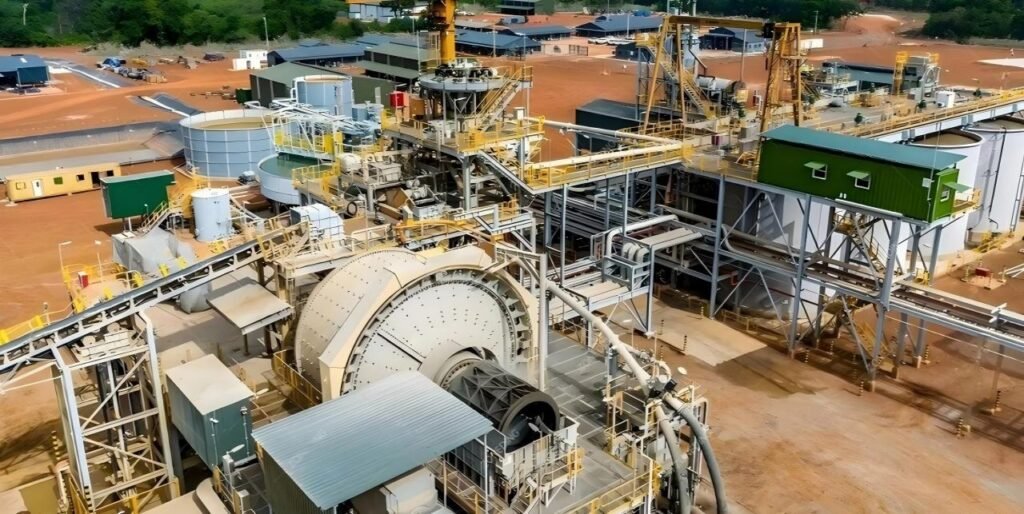
The ore is ground to 80% through a 200-mesh (74 microns) particle size using a ball mill, with 10-25% of the particles smaller than 10 microns. The ball mill is equipped with a high-power drive motor, and the fine grinding of the ore is achieved through the impact and grinding action of the grinding media within the mill. The ore discharge is classified by a combination of static and dynamic classifiers. Coarse particles are returned to the mill for regrinding, while qualified fine particles are collected by a bag filter and sent to the roasting feed silo.
Each series is equipped with a 2000-ton mass flow silo, providing 6 hours of roasting feed. The silo is designed with a dead-zone-free structure to ensure smooth discharge of all materials, achieving first-in-first-out material flow and preventing material stagnation and agglomeration within the silo.
Calcination system
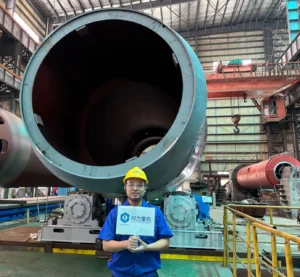
The dual-series, two-stage fixed-bed fluidized-bed roasting process is the core solution to the two major technical bottlenecks of refractory gold ores. Each roasting furnace is 22 feet in diameter and 80 feet high, lined with refractory bricks. The rotary kiln can also be used for pre-roasting of gold ore, suitable for processing different types of refractory gold ores.
The roasting process is divided into two stages: the first stage, with a bed temperature controlled at 1025°F, primarily involves the oxidation of sulfides and organic carbon; the second stage, with a bed temperature controlled at 1050°F, completes the remaining oxidation process. The total residence time is 44 minutes.
Temperature control is crucial to the roasting system. Temperatures above 1050°F significantly reduce gold recovery, while temperatures below 1000°F result in unstable combustion. Using high-purity oxygen as the fluidizing medium offers the following advantages: firstly, it achieves rapid combustion at the lowest possible temperature; secondly, it reduces exhaust gas volume, lowering the size and cost of exhaust gas treatment equipment; and thirdly, it increases the processing capacity per unit area.
The system employs a gas-solid countercurrent operation, where the highest concentration of oxygen contacts the lowest fuel content of solids to achieve maximum combustion efficiency. For ores with low fuel value, coal needs to be added to supplement heat; for ores with high fuel value, water is sprayed for cooling. The roasting product is low-sulfur, low-carbon roasted ore, which can be directly used for subsequent cyanide gold extraction.
Exhaust gas treatment system
The exhaust gas produced by roasting contains pollutants such as dust, mercury, sulfur dioxide, carbon monoxide, and nitrogen oxides, which need to be purified through multiple stages to meet emission standards before being discharged.
- Gas Quenching: Rapidly cools the exhaust gas from 1024°F to 180°F, simultaneously removing 50% of coarse dust. The quenching process uses a parallel-flow water spray system at a flow rate of 300 gallons/minute.
- Venturi Scrubber: Achieves 99.7% dust removal efficiency while cooling the exhaust gas to 171°F. The Venturi scrubber reduces pressure to 40 inches of water column, with a water supply of 680 gallons/minute, 64% of which is recirculated water.
- Wet Condensation: Uses a shell-and-tube heat exchanger to cool the exhaust gas to 94°F, condensing and recovering over 80% of the mercury. Each condenser has a cooling water flow rate of 2180 gallons/minute, condensing 13.7 pounds of mercury per hour.
- Wet electrostatic precipitator: Removes fine particles and acid mist, with an outlet particulate matter concentration below 5 mg/Nm³ and an outlet acid mist concentration below 20 mg/Nm³.
- Mercury scrubbing: Employs a calomel countercurrent scrubbing process, achieving an outlet mercury concentration below 0.2 mg/Nm³, with annual mercury emissions controlled below 10 tons. Recovered calomel can be sold as a byproduct.
- Sulfur dioxide scrubbing: Utilizes a dual-alkali process, achieving a desulfurization efficiency of 99.95%, with outlet sulfur dioxide emissions below 44.9 lbs/hour.
- Carbon monoxide incineration: Preheats the exhaust gas to 300°F, then incinerates it at a high temperature of 1650°F, achieving a carbon monoxide removal efficiency of 98.5%, with an outlet carbon monoxide concentration below 360 ppm.
- Nitrogen oxide removal: Employs selective catalytic reduction technology with zeolite as a catalyst, achieving a denitrification efficiency of 75%, with an outlet nitrogen oxide concentration below 250 ppm.
Neutralization and carbon extraction of gold
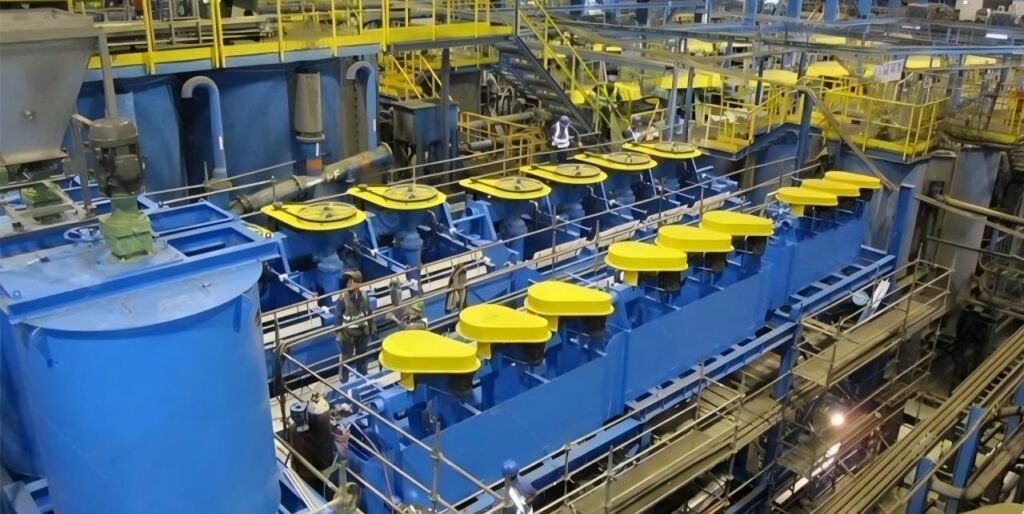
The roasted ore first enters the neutralization process, where slaked lime is added to adjust the slurry pH from around 3 to 9.5, preventing the generation of hydrogen cyanide gas during subsequent cyanide leaching. Simultaneously, aeration is introduced into the neutralization tank to oxidize ferrous ions and other metal ions, reducing their consumption of cyanide.
The neutralization process uses two stirred tanks in series, each 48 feet in diameter and 50 feet high, equipped with a 150-horsepower agitator, with a total residence time of 1.3-1.5 hours. The neutralization tanks also provide sufficient time for calcium sulfate to reach equilibrium, preventing supersaturation and scaling.
The neutralized slurry is thickened to 40-45% solids content using a thickener. The thickener overflow is cooled to 70°F and reused in the production system. The thickened slurry is then sent to the carbon-in-leach (CIL) process.
The CIL process consists of six stirred tanks in series, with a total residence time of 16 hours. Each tank is equipped with a stirrer and two self-cleaning carbon screens to retain activated carbon. A countercurrent adsorption process using sodium cyanide leaching and activated carbon is employed, with sodium cyanide dosage at 1 lb/ton of dry ore and activated carbon concentration maintained at 12 g/L.
Gold-loaded carbon can achieve a gold grade of up to 175 oz/ton. The gold is discharged from the first CIL tank and sent to the carbon treatment plant for desorption, electrowinning, refining, and regeneration. Tailings are treated with ammonium bisulfite to break down cyanide before being pumped into the tailings pond, and all clarified water is reused in the production system.
| Process Stage | Core Parameters | Control Requirements | Main Equipment |
| Raw Material Blending | Fuel value ≥ 287 BTU/lb, carbonate content ≈ 5.5% | Ensure stable self-heating operation of the roasting system | Automated Blending System, Belt Conveyor |
| Crushing | Final product 80% passing 3/4 inch | Obtain particle size suitable for dry grinding | Jaw Crusher, Cone Crusher, Tramp Iron Magnet, Baghouse Dust Collection System |
| Dry Grinding | Product 80% passing 74 μm | Achieve mineral liberation | Ball Mill, Classification Equipment, Mass Flow Bin |
| First Stage Roasting | Bed temperature 1025°F | Main oxidation reaction zone | Fluidized Bed Roaster, Rotary Kiln |
| Second Stage Roasting | Bed temperature 1050°F, total residence time 44 min | Complete the oxidation process | Fluidized Bed Roaster, Rotary Kiln |
| Tail Gas Treatment | All pollutant emission concentrations meet standards | Meet environmental protection requirements | Quench Tower, Venturi Scrubber, Wet Condenser, Wet Electrostatic Precipitator, Mercury Scrubber, SO₂ Scrubber, CO Incinerator, Selective Catalytic Reduction (SCR) DeNOx Unit |
| Neutralization & CIL Gold Extraction | pH 9.5, total residence time 16 hours | Dissolve and recover gold | Neutralization Agitator Tanks, Thickener, CIL Tanks, Self-Cleaning Carbon Screen, Cyanide Destruction Equipment |
Technological development
Circulating fluidized bed (CFB) roasting technology represents a significant advancement in gold ore roasting processes, offering advantages such as uniform temperature, rapid response, and in-situ sulfur fixation. This technology enables stable operation across a wider range of ores while meeting more stringent environmental requirements.
A roasting plant in a Nevada gold mine, built using CFB technology, commenced operation in 1990, with a processing capacity of 90 tons per hour. The ore contained an average of 1.1% sulfur sulfide, 1.1% organic carbon, and 2.9% carbonate carbon. Utilizing the limestone naturally present in the ore, in-situ sulfur fixation was achieved, resulting in a sulfur dioxide concentration of only 100 ppm in the tail gas, eliminating the need for additional desulfurization equipment. Gold recovery was approximately 82%.
Rotary kiln roasting technology is also continuously evolving. By optimizing kiln structure and operating parameters, roasting efficiency and product quality have been improved, while energy consumption and pollutant emissions have been reduced.
Comparison of two ore processing technologies
The processing flow of both iron ore and refractory gold ore follows the basic framework of "raw material preparation - crushing and grinding - sorting and purification", but due to different mineral characteristics, the core sorting processes are significantly different.
| Comparison Dimension | Iron Ore Processing | Double Refractory Gold Ore Processing |
| Core Objectives | Increase iron grade to above 65% | Solve sulfide encapsulation and preg-robbing carbon issues, recover gold |
| Core Process | Physical separation (Gravity separation + Magnetic separation) | Chemical pretreatment (Roasting) + Cyanide leaching |
| Energy Consumption Characteristics | Mainly concentrated in crushing and grinding stages | High energy consumption in roasting stage |
| Environmental Focus | Tailings disposal | Tail gas treatment (Mercury, SO₂, NOx, etc.) |
| Product Form | Iron concentrate, Iron ore pellets | Gold ingot (Doré) |
| Recovery Rate | Generally above 90% | Approximately 90% |
| Core Heavy Equipment | Ball Mill, Vertical Roller Mill, Rotary Kiln | Ball Mill, Fluidized Bed Roaster, Rotary Kiln |
Conclusion
The processing procedures for iron ore and refractory gold ore differ significantly due to their different mineral characteristics, but both require precise process control and reliable equipment to achieve high recovery rates, low energy consumption, and environmental compliance. Heavy machinery such as ball mills, vertical roller mills, and rotary kilns are core equipment in the ore processing, widely used in key processes such as grinding, roasting, and pelletizing. Ball mills are suitable for fine grinding of ores of various hardnesses, vertical roller mills have the advantages of low energy consumption and high processing capacity, while rotary kilns play an important role in iron ore pelletizing and gold ore roasting pretreatment.