






What Is Induction Furnace Dust?
Induction furnace dust (IF dust), also referred to as induction furnace filter dust, induction furnace flue dust, foundry dust and steelmaking dust, is a fine‑particle industrial byproduct classified as zinc‑bearing dust generated during the smelting of cast iron, cast steel, and non‑ferrous alloys in induction furnaces. It is produced by the volatilization, oxidation, and airflow entrainment of scrap steel and recycled materials during heating. The dust is collected by bag filters and other dust collection equipment. The dust particle size is generally fine, mostly in the micrometer range. The main components vary depending on the furnace charge, primarily consisting of iron oxide, silicon oxide, and manganese oxide. When the raw materials contain galvanized steel or mixed alloys, heavy metal oxides such as zinc oxide, lead oxide, chromium, and nickel are introduced. It also contains small amounts of carbon particles and slagging agent debris. It differs from electric arc furnace dust (EAF dust) in that it has a lower overall zinc content, but its heavy metal content fluctuates significantly. Its solid waste properties require testing and identification. Under certain operating conditions, it exhibits characteristics of hazardous waste, posing a risk of heavy metal leaching. This dust possesses abrasive and easily caking physical characteristics, and it contains recyclable valuable metals such as iron and zinc. These metals can be recovered through pyrometallurgical and hydrometallurgical processes, and it can also be used for comprehensive utilization in building materials and other applications in compliance with regulations.
How Is Induction Furnace Dust Generated?
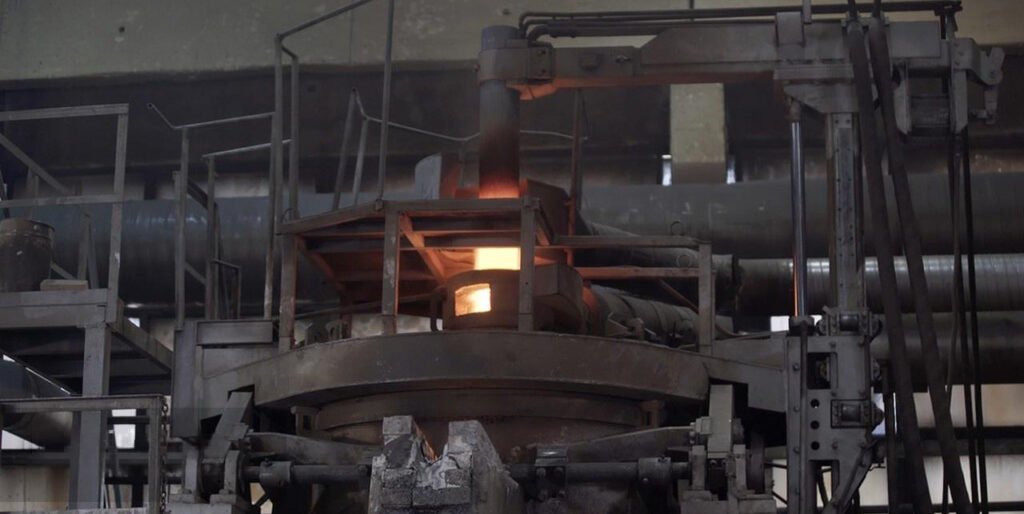
Medium-frequency induction furnace dust (MIF dust) is generated during the melting process in which scrap metal is charged into a medium-frequency induction furnace. After the scrap metal feedstock enters the furnace, the high-temperature environment created by induction melting causes volatile metal components in the charge materials to vaporize. These vaporized metal species subsequently undergo oxidation reactions in the furnace off-gas stream, forming metal oxide fumes and generating a large quantity of fine particulate matter. The dust-laden off-gas produced inside the furnace is discharged as furnace exhaust gas and passes through a baghouse dust collector (bag-type filtration system), where the fine particulates are captured and retained by the filter media. The collected material is referred to as medium-frequency induction furnace filter dust, commonly known as medium-frequency induction furnace dust (MIF dust).
Where Does Induction Furnace Dust Come From?
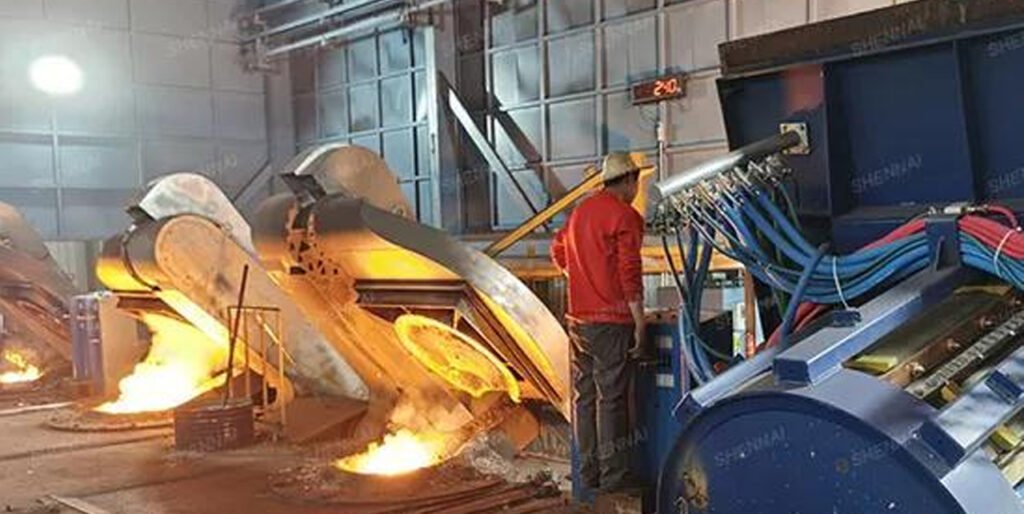
- Iron foundries: Iron foundries are one of the primary sources of medium-frequency induction furnace dust (MIF dust). During iron casting operations, medium-frequency induction furnaces are used to melt various iron-bearing charge materials, including scrap steel, returned cast iron components, and zinc-coated auxiliary materials. Under high-temperature melting conditions, volatile metals and surface coating materials contained in the charge undergo vaporization and oxidation, generating large quantities of fine metal oxide fumes. The dust-laden furnace off-gas is then directed to a baghouse dust collector, where the particulate matter is captured and collected, resulting in the formation of medium-frequency induction furnace dust. Due to variations in impurities present in cast iron feedstocks, the concentrations of manganese, zinc, and other impurity elements in this type of furnace dust can fluctuate significantly.
- Steel foundries: During steel casting operations, medium-frequency induction furnaces are employed to melt various steel scrap materials. As the charge materials are heated to the melting temperature, alloying elements and coating materials associated with the raw materials volatilize and subsequently oxidize, forming fine particulate metal oxide fumes. These fumes are carried out with the process off-gas and captured by the dust collection system, producing medium-frequency induction furnace dust. Compared with furnace dust generated from iron foundries, steel foundry dust typically contains higher proportions of alloying elements such as chromium and nickel.
- Cast iron production: In cast iron production, medium-frequency induction furnaces are used to melt pig iron, recycled cast iron, and auxiliary additives to produce molten iron. During high-temperature melting, low-boiling-point metals such as zinc and lead contained in the furnace charge volatilize and oxidize within the furnace atmosphere, forming fine metal oxide particulate matter. These particles become entrained in the metallurgical fumes generated during melting. The fume stream is subsequently conveyed to baghouse filtration equipment, where solid particulate matter is captured and collected, forming medium-frequency induction furnace dust generated from cast iron production. Iron oxides typically constitute the primary matrix component of this type of furnace dust.
- Alloy steel production: Alloy steel production relies on medium-frequency induction furnaces to melt alloy steel scrap and alloying additions. During high-temperature melting, zinc, lead, and various alloying constituents present in the raw materials undergo volatilization and oxidation, producing large quantities of fine metal oxide fumes. These particles become entrained in the metallurgical off-gas stream, which is subsequently treated by dust collection systems. The captured material constitutes medium-frequency induction furnace dust. This type of furnace dust generally contains a diverse range of heavy metals, exhibits significant compositional variability, and may present potential heavy metal leaching risks.
- Induction melting furnaces: Induction melting furnaces are the primary process equipment responsible for the generation of medium-frequency induction furnace dust. These furnaces utilize electromagnetic induction to generate high temperatures for metal melting. The elevated thermal conditions inside the furnace promote the vaporization and oxidation of volatile components contained in the furnace charge, producing fine particulate metal oxide fumes. The resulting dust-laden exhaust gas is discharged from the furnace and subsequently treated by baghouse dust collectors and other filtration systems, where fine particulates are captured to produce medium-frequency induction furnace dust. The physical properties and chemical composition of the resulting furnace dust are largely determined by the type and composition of the charge materials introduced into the induction furnace.
What Is the Composition of Induction Furnace Dust?
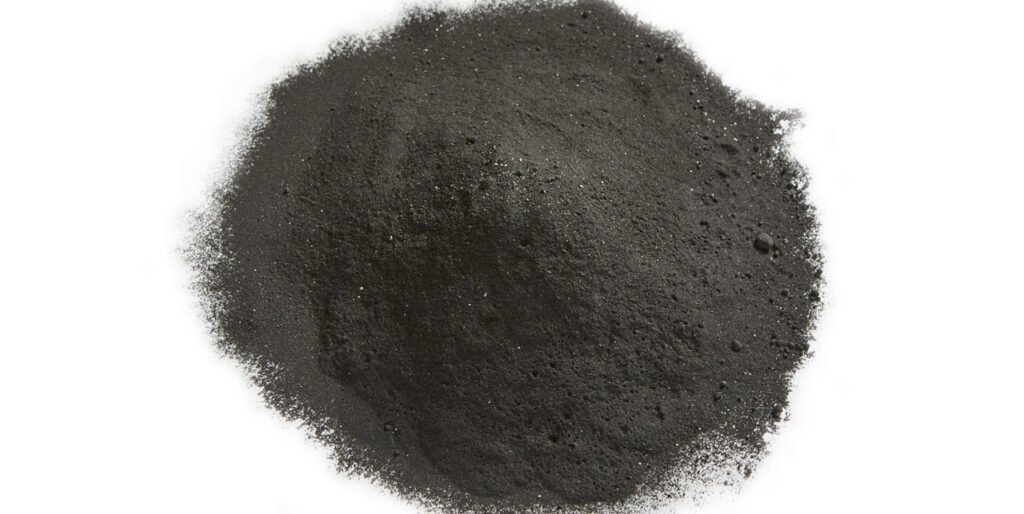
| Component | Typical Content |
| Fe oxides | 30–70% |
| SiO₂ | 5–25% |
| Al₂O₃ | 3–10% |
| MnO | <5% |
| CaO | <1% |
| ZnO | Usually <5%, but feedstock-dependent |
The actual composition of induction furnace dust can vary significantly depending on the scrap composition and furnace operation.
Typical Chemical Composition of IF Dust
Induction furnace dust is generated during the melting of metals and alloys in induction furnaces, which are used to melt ferrous metals (iron-based metals) and non-ferrous metals (such as aluminum, copper, and zinc). During the melting process, particulate matter is released into the exhaust gases from the furnace. This particulate matter includes metal oxides and other residues, which are captured by pollution control systems to prevent release into the atmosphere.
The composition of induction furnace dust varies significantly depending on the type of metal being melted and the specific materials being processed. Common components include iron (Fe), zinc (Zn), aluminum (Al), copper (Cu), silicon dioxide (SiO₂), and other metal oxides. Unlike electric arc furnace (EAF) dust, induction furnace dust typically contains higher concentrations of zinc (typically 35-55%) and lower concentrations of heavy metals. However, depending on the type of waste or raw material being processed, induction furnace dust may still contain hazardous substances.
Why Does IF Dust Contain Zinc?
The zinc content in induction furnace (IF) dust mainly comes from the galvanized coating on the surface of scrap steel entering the furnace. It enters the dust through a complete process of "high-temperature volatilization - gas phase oxidation - dust collection". Its content is directly determined by the raw material structure.
Galvanized steel scrap → zinc coating → high-temperature melting → zinc volatilization → oxidation → ZnO-containing dust
- Induction furnace smelting primarily uses scrap steel as raw material. Some of this recycled scrap steel has a galvanized protective layer, with zinc adhering to the steel surface as a single-element metallic coating. This is the primary source of zinc in the dust.
- Metallic zinc has a melting point of 419.5℃ and a boiling point of only 907℃, far lower than the smelting temperature of steel (the smelting temperature of molten steel in an induction furnace is typically 1400~1600℃). During the smelting process, the zinc coating melts and rapidly vaporizes before the steel substrate, forming zinc vapor. This vapor flows upwards with the hot gas flow and flue gas, exiting the furnace.
- Zinc vapor reacts with oxygen in the furnace to produce fine zinc oxide (ZnO) particles. These particles are lightweight and small in size, and flow with the flue gas. They are eventually collected by bag filters, cyclone dust collectors, and other equipment, becoming part of the induction furnace dust. When the raw material is entirely galvanized iron sheet, about 80% to 90% of the zinc element in the scrap steel will be transferred to the dust collected in the furnace.
The zinc content of induction furnace dust is not a fixed standard value. It is directly related to the proportion of galvanized scrap steel in the raw materials fed into the furnace. When the proportion of galvanized steel in the scrap steel is low, the zinc content (calculated as zinc oxide) in the dust is usually less than 5%. When a large amount of high-zinc scrap steel such as galvanized briquettes and galvanized components are mixed into the raw materials and galvanized sheet edges, the zinc content in the dust will increase significantly, and can rise sharply to 20%-35%.
What Metals Are Found in IF Dust?
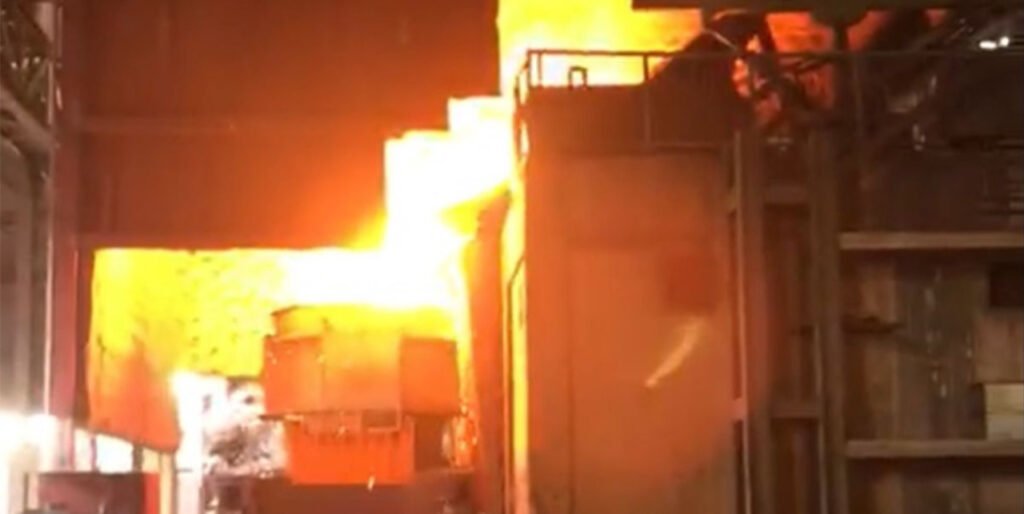
Induction furnace (IF) dust is generated as fine particulate matter during metal melting and is removed from the furnace exhaust by downstream air pollution control equipment. Its composition depends strongly on the type of metal being melted, the quality and composition of the scrap, alloy additions, fluxes, refractory materials, and furnace operating conditions. The metallic fraction is predominantly present as oxides, although both elemental concentrations and mineral phases can vary considerably from one dust sample to another.
- Iron. Iron is typically the main metallic component of dust from furnaces processing carbon steel and other iron-based materials. A significant portion is generated by oxidation at the molten-metal surface, while additional iron-bearing particles originate from droplets and other fine material carried into the exhaust stream. Magnetite (Fe₃O₄) and hematite (Fe₂O₃) are commonly associated with this fraction. In one characterization study of foundry dust collected at a casting plant in Incheon, South Korea, X-ray diffraction (XRD) identified magnetite as the predominant crystalline iron-bearing phase. Its formation is consistent with oxidation of iron-bearing material followed by rapid cooling in the furnace exhaust.
- Zinc. Zinc levels can vary substantially in IF dust, particularly where galvanized steel represents a significant portion of the charge. The zinc coating on galvanized scrap is the principal source. With a boiling point of about 907 °C, zinc readily volatilizes as the charge approaches typical steel-melting temperatures of 1,400–1,600 °C. Zinc vapor is subsequently oxidized in the furnace exhaust, producing fine ZnO particles. Part of the zinc can also react with iron oxides and form zinc ferrite (ZnFe₂O₄). As a result, ZnO and ZnFe₂O₄ are frequently identified among the zinc-bearing phases in collected dust.
- Manganese. Manganese is introduced with manganese-containing scrap and alloying additions such as ferromanganese and silicomanganese. Under melting conditions, manganese is readily oxidized, and some of the resulting material is transferred to the off-gas as fine particulate fume. Dust concentrations consequently depend on the manganese content of the charge and the amount of manganese added during alloy adjustment.
- Lead. Lead may enter IF dust when the furnace charge contains contaminated or lead-bearing scrap. Typical sources include lead-containing coatings, lead alloys, and other metal-processing residues. In the collected dust, lead is generally associated with oxidized phases, particularly PbO. PbSO₄ may also be present where sulfur-bearing materials participate in the charge or slag system. Although lead has a boiling point of approximately 1,749 °C, some transfer to the gas phase can still occur during high-temperature melting. The volatilized fraction may then oxidize and condense or become incorporated into particulate matter before reaching the dust-collection system.
- Chromium. Chromium is mainly associated with the processing of alloy steel and stainless-steel scrap. Wear of chromium-containing refractory materials can provide an additional source. Depending on the feed composition and furnace atmosphere, chromium may occur as Cr₂O₃ or as chromite (FeCr₂O₄). Its concentration in the dust is therefore strongly influenced by the proportion and grade of chromium-bearing material in the furnace charge.
- Nickel. Nickel is primarily introduced through alloy and stainless-steel scrap, with higher concentrations expected when nickel-rich stainless-steel grades make up a substantial part of the charge. Studies of stainless-steel fume from electric arc furnace (EAF) operations have reported metallic nickel contents of 2.43% in austenitic dust and 2.48% in ferritic dust, corresponding to approximately 3.18% and 3.25% NiO, respectively. These results were obtained from EAF dust rather than IF dust and should not be regarded as direct representative values for induction-furnace operations. They do, however, provide a useful reference for the nickel levels that can be associated with dust generated from stainless-steel-rich feedstocks.
- Calcium. Calcium in IF dust can originate from several materials used or consumed during melting and casting, including lime and other fluxes, refractory materials, and molding-sand systems containing calcium-bearing components. Bentonite used in molding systems can also contribute to the overall mineral content of the dust. Calcium is commonly found in oxidized form, particularly as CaO, although reactions with silica and other slag constituents may produce additional calcium-containing phases. Where calcium-based reagents are deliberately introduced into the gas-cleaning system for acid-gas control, they may also increase the calcium content of the recovered dust.
- Silicon. Silicon is commonly a major non-metallic constituent of foundry and IF dust. Much of it originates from refractory wear, residual quartz in molding sand, and fine slag particles entrained in the furnace exhaust. Silicon is predominantly associated with SiO₂, including crystalline quartz, together with various silicate phases formed from interactions among silica, slag, refractory, and charge materials. XRD investigations of foundry dust have identified the characteristic diffraction peaks of crystalline quartz, supporting the contribution of molding sand and other silica-bearing materials to the collected dust.
Is Induction Furnace Dust Hazardous?
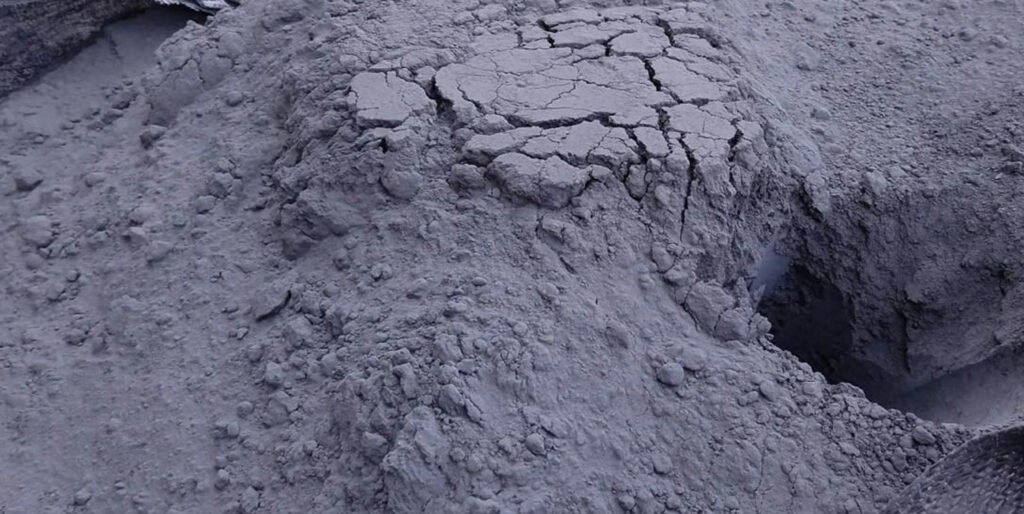
Induction furnace dust can be hazardous, but it is not automatically hazardous in every case. The hazardous characteristics of induction furnace dust are not fixed properties but depend on the composition of the raw materials and the results of leaching toxicity testing. The International Finance Corporation (IFC)'s "Environmental, Health and Safety Guidelines for the Foundry Industry" explicitly states: "Dust collected by dust collection equipment may contain metals such as zinc, lead, nickel, cadmium, copper, aluminum, tin, and chromium, and may be classified as hazardous waste.
Why Can IF Dust Be Hazardous?
The hazards of IF dust mainly come from four aspects: fine particulate matter, heavy metals, possible organic contaminants.
Fine particles make inhalation an important exposure route
One of the biggest practical problems with induction furnace dust is that it is typically composed of relatively fine particulate matter. CDC/NIOSH data on the foundry industry indicates that metal dusts and metal fumes may be present during casting, smelting, pouring, and cleaning processes; among the more significant metals are lead, manganese, chromium, and nickel. NIOSH's foundry engineering control data also explicitly lists lead, nickel, and chromium fumes and dust as air pollution hazards in the foundry industry.
IF dust → becomes airborne → worker inhales contaminated particles → repeated occupational exposure
Heavy metals can make the dust toxic
Lead, cadmium, chromium, and zinc heavy metals in induction furnace dust exist in the form of oxides or salts. They can dissolve in acidic rainfall, landfill leachate, or acidic soil environments, contaminating soil and groundwater. This is the most critical aspect of the hazards of induction furnace dust. Lead (Pb), manganese (Mn), chromium (Cr), nickel (Ni), cadmium (Cd), and zinc (Zn) are elements of concern. The specific dominant element depends on the smelting materials:
- Low-alloy iron/steel casting: lead and manganese are more important;
- High-alloy and stainless steel: chromium and nickel may increase significantly;
- When galvanized scrap is used in the furnace charge, the zinc content may increase significantly;
- Lead-containing coatings, paints, or contaminated scrap steel can alter the metallic composition of the dust.
Therefore, even if all IF dust from different factories is called "induction furnace dust," their hazards can be completely different.
Some contaminants can originate from the scrap itself
The UK Health and Safety Executive (HSE) notes that dioxins can form during high-temperature metal recycling when materials such as oil, plastics, PVC, paint, or coatings are present. In WEEE recycling, brominated flame retardants and chlorinated plastics may further increase the potential for dioxin formation during thermal treatment and flue gas cooling. These compounds can be associated with fine dust particles. The risk is generally lower when clean ferrous scrap is melted, but greater care is needed when processing mixed waste containing plastics, coatings, or other chlorine- or bromine-containing materials.
Heavy Metals in IF Dust
Foundry dust may contain heavy metals such as zinc, cadmium, lead, nickel, and chromium. The actual composition depends on the metal being cast and the scrap or alloy materials charged into the furnace. Non-ferrous foundry dust may also contain metals such as copper, aluminum, and tin.
Leaching data (unit: mg/kg dry matter) from a Polish foundry provides a reference range for the concentration of each heavy metal:
| Heavy Metal | Measured Range in Foundry Dust | Polish Non-Hazardous Waste Limit | Polish Hazardous Waste Limit |
| Lead (Pb) | 2.0 ~ 14.2 | 10 | 50 |
| Cadmium (Cd) | 0.05 ~ 0.17 | 1 | 5 |
| Chromium (Cr) | 0.4 ~ 0.9 | 10 | 70 |
| Nickel (Ni) | 0.2 ~ 0.6 | 10 | 40 |
| Zinc (Zn) | 0.6 ~ 2.2 | 50 | 200 |
| Copper (Cu) | 1.0 ~ 7.4 | 50 | 100 |
XRF analysis of dust from a South Korean foundry showed Fe₂O₃ at 40.03%, SiO₂ at 25.45%, ZnO at 1.99%, CuO at 2.45%, PbO at 1.87%, and CaO at 1.44%. The sample was mainly composed of iron oxides and silica, while the heavy metal oxides accounted for a smaller proportion. The composition of induction furnace dust varies with the materials charged into the furnace. Galvanized scrap can increase zinc levels, stainless steel scrap can contribute more chromium and nickel, and lead-containing or lead-coated materials can increase lead levels.
How Should IF Dust Be Handled?
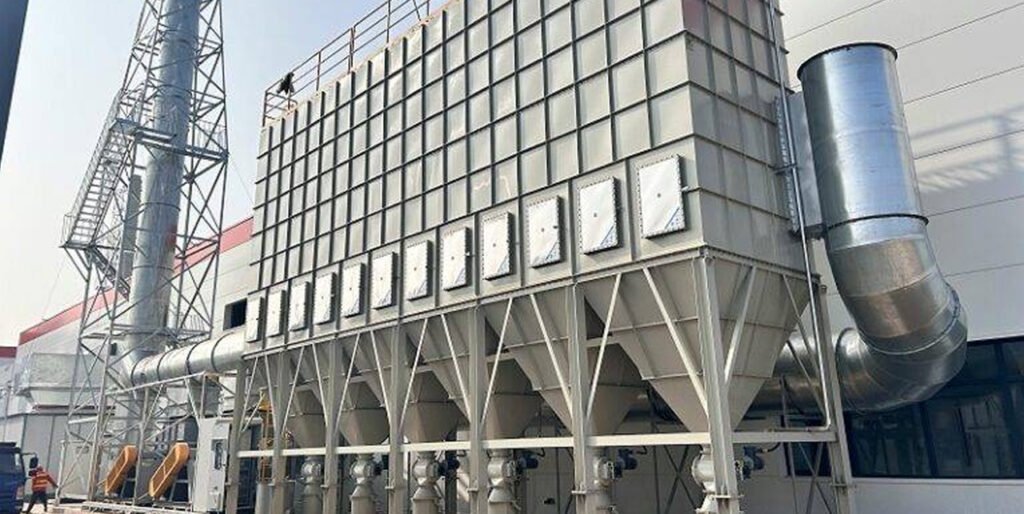
Based on IFC guidelines, Chinese environmental regulations, and industrial practices, the management of induction furnaces should follow the following sequence: Identification, classification, priority recycling, standardized storage, and compliant disposal.
characterize the dust
Before determining the management category, leaching toxicity testing should be conducted on the melting dust to determine whether it is hazardous waste or general industrial solid waste.
Metal composition, particle characteristics, moisture, pH, leachable metals, hazardous characteristics
Priority recycling
Filter dust should be returned to the furnace whenever possible to achieve metal recovery through dust reprocessing, thereby reducing landfill waste. The metal content in dust collected from non-ferrous metal castings is typically high, making metal recovery economically feasible.
Proper storage
The site selection for storage areas of dust, slag, waste sand, etc., should take into account geological and hydrogeological conditions to prevent potential pollution caused by heavy metal leaching. Bulk powders should be stored in closed silos to avoid open-air storage.
Compliance Disposal and Transfer
Hazardous waste must be safely disposed of by a qualified hazardous waste management company. Transportation must comply with specific regulations. General industrial solid waste can be sold to building materials companies for comprehensive utilization. Hazardous waste should be clearly labeled and sealed in suitable, breakable containers.
Occupational health protection
- Local exhaust hoods (collection hoods) should be installed at dust-generating points such as smelting and casting. The exhaust air should be filtered through high-efficiency filters such as bag filters before being discharged. Dust sources should be isolated and sealed off.
- Use a filter-type respirator for high-dust work; use a supplied-air respirator or full-face mask for exposure to metal fumes and light metal dust; conduct regular occupational health examinations.
- Separate changing and shower facilities are provided, and work clothes and casual clothes are stored separately; handwashing facilities are provided before meals; and COPD and silicosis health monitoring is conducted for workers who are regularly exposed to crystalline silica dust.
Can Induction Furnace Dust Be Recycled?
Yes, but the recycling path depends on the zinc content in the dust. Induction furnace dust is rich in iron oxides and other valuable metals, making it a viable resource. Dust with low zinc content can be recycled within the plant more smoothly; however, directly returning dust with high zinc content to the furnace will cause a series of operational problems, requiring either zinc removal treatment or a specialized zinc recovery process.
The zinc content of induction furnace dust varies greatly, ranging from less than 5% in ordinary carbon steel casting to over 35% to 55% in high-proportion galvanized scrap steel smelting. This dictates different recycling strategies.
| Dimension | Low-Zn Dust | High-Zn Dust |
| Typical Zinc Content | Usually < 5% (ordinary carbon steel foundry), broadly < 20% | 15%–55% (when high proportion of galvanized scrap is used) |
| Direct Recycling Feasibility | High; zinc does not significantly accumulate in the system | Not feasible; requires prior dezincing or shift to zinc recovery |
| Dominant Recovery Logic | Primarily iron recovery with in-plant recycling | Primarily zinc recovery with external specialized treatment |
| Applicable Processes | Briquetting for furnace return, RecoDust process | Waelz rotary kiln, rotary hearth furnace, hydrometallurgy |
| Economic Drivers | Reduce waste disposal volume and recover iron | Recover zinc as a valuable product |
The core hazard of directly recycling high-zinc dust is that zinc will accumulate in the furnace lining and smelting system, thereby corroding refractory materials and disrupting normal operations.
Can IF Dust Be Recycled Back to the Furnace?
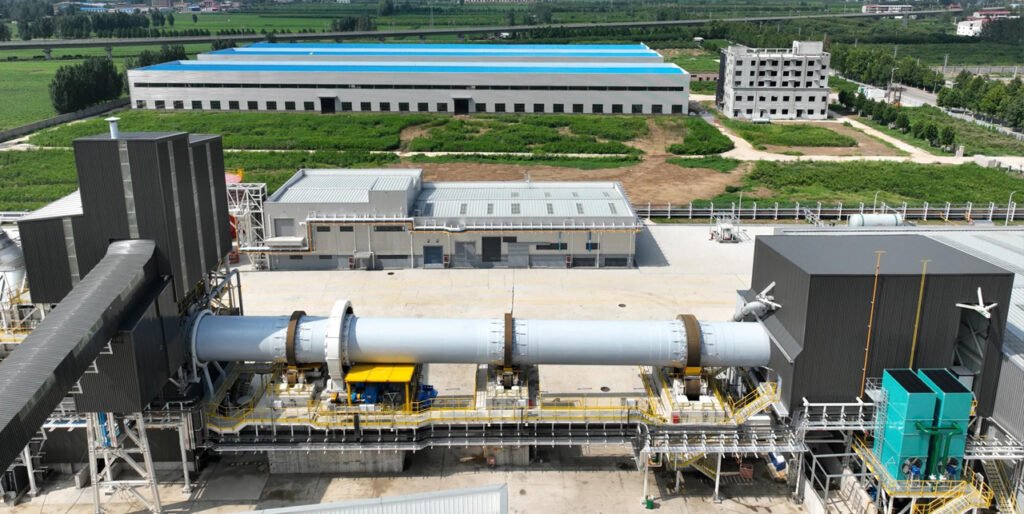
Low-zinc dust can be recycled directly or after simple briquetting; high-zinc dust must be dezincified first, and only the iron-rich residue after dezincification can be recycled.
- Low-Zinc Dust: Filter dust should be returned to the furnace as much as possible. Dust briquettes (containing 5% bentonite binder) should be added to the induction furnace at a ratio of 2%~8% by weight of the furnace charge. Metal recovery exceeds 70%. The carbon and chromium content in the molten iron is unaffected; only the manganese content decreases slightly due to dilution, and the silicon content increases slightly due to SiO₂ in the dust, all within controllable ranges.
- High-Zinc Dust: Requires dezincification treatment. Pyrometallurgical processes (such as Waelz rotary kilns, rotary hearth furnaces, and hydrogen reduction) use carbon reduction at 1100~1200℃ to volatilize zinc in a gaseous state and oxidize it into crude zinc oxide for collection. The dezincified sponge iron (iron metallization rate up to 97.5%, iron content > 60%) can be recycled as steelmaking raw material. Hydrometallurgical processes (sulfuric acid leaching, alkaline leaching) selectively dissolve zinc to reduce the zinc in the filter residue to a remeltable level before recovering iron, nickel, and chromium.
Why Is Zinc Content Important?
Zinc content determines the dust recovery path and economic efficiency of induction furnaces.
- High-zinc dust (>20% Zn): Waelz rotary kilns are the industry standard, handling over 60% of the world's steelmaking dust. The resulting crude zinc oxide (Waelz oxide) is an important secondary feedstock for primary zinc smelters. The International Zinc Association's life cycle assessment report also indicates that Waelz oxide is the most widely used secondary feedstock in SHG (high-purity zinc) production. Zinc itself is a valuable product in high-zinc dust. Zinc-containing flue dust can produce secondary zinc oxide (75%~90% content), widely used in the rubber, ceramics, chemical, and metallurgical industries.
- Low-zinc dust (<20% Zn): Waelz kilns are less economical; newer processes like RecoDust are more suitable, or the dust can be directly briquetteed and recycled. The recycling value of low-zinc dust mainly lies in reducing hazardous waste disposal costs and recovering iron, rather than zinc itself.
How Is Induction Furnace Dust Recycled? Induction Furnace Dust Treatment Methods
Induction furnace dust can generally be recovered through three routes: internal recycling, hydrometallurgical treatment, and pyrometallurgical treatment. The most suitable route depends on the dust composition and zinc content. Low-zinc dust may be returned to the furnace when process conditions allow, while high-zinc dust is often better suited to zinc recovery through hydrometallurgical or pyrometallurgical processes.
| Method | Main Objective |
| Internal recycling | Recover Fe |
| Hydrometallurgical treatment | Recover Zn |
| Pyrometallurgical treatment | Recover Zn |
| Waelz process | Recover Zn as zinc oxide |
| Landfill/stabilization | Disposal |
Internal Recycling
Direct in-plant recycling is the lowest-cost recovery method, suitable for induction furnace dust with low zinc content. The basic procedure involves briquetting the dust collected by a bag filter and then directly feeding it back into the induction furnace as part of the furnace charge for remelting.
An induction furnace experiment published by the Foundry Committee of the Polish Academy of Sciences verified the feasibility of this approach: foundry dust (the magnetically separated portion of casting blasting dust) was mixed with 5% bentonite, briquetted, and added to the induction furnace for smelting at a ratio of 2% to 8% of the furnace charge weight. The results showed that the metal recovery rate in the briquettes exceeded 70%, and the carbon and chromium content in the molten iron was unaffected. Only the manganese content was slightly diluted due to the low manganese content of the dust itself, and the silicon content was slightly increased due to the SiO₂ in the dust, all within controllable ranges. The tensile strength of the cast iron was not negatively affected; in some samples, it even increased.
Hydrometallurgical Treatment
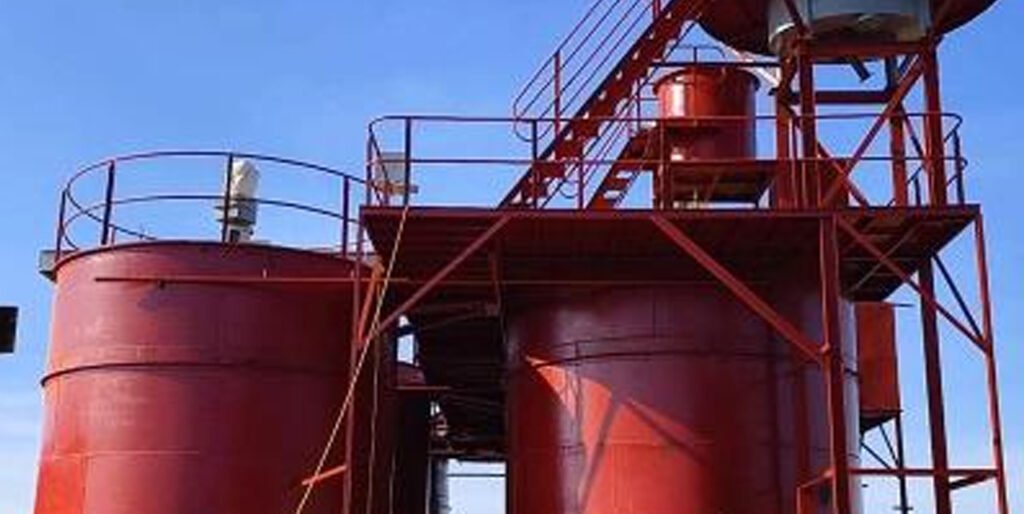
Hydrometallurgy is a process that uses chemical leaching to dissolve zinc from dust, followed by purification, precipitation, or electrowinning to recover the zinc product. The process flow is:
Leaching → Purification → Zinc Precipitation → Zinc Oxide (ZnO).
- Leaching: The process of dissolving zinc compounds in dust into the liquid phase using an acidic or alkaline solution. Sulfuric acid (H₂SO₄) is the most commonly used leaching agent, suitable for dissolving zinc oxide (ZnO) in dust to produce zinc sulfate (ZnSO₄) solution. Sulfuric acid leaching is typically carried out at pH 1.0–3.5 and temperatures 35–95°C. ZnO is readily soluble, while lead remains in the leaching residue as insoluble lead sulfate (PbSO₄).
- Purification: In addition to zinc, the leaching solution contains impurities such as iron, copper, lead, cadmium, and manganese, which must be removed through purification steps.
- Zinc Precipitation → ZnO: The purified zinc sulfate solution can be electrowinning to precipitate ZnO and recover zinc.
Dr. Swamini Chopra's team at MIT India is collaborating with POLAAD STEEL (Bhagyalakshmi Rolling Mill in Jharna) on an industrial project called "Extraction of Zinc from Induction Furnace Dust Using Hydrometallurgical and Pyrometallurgical Routes".
Pyrometallurgical Treatment
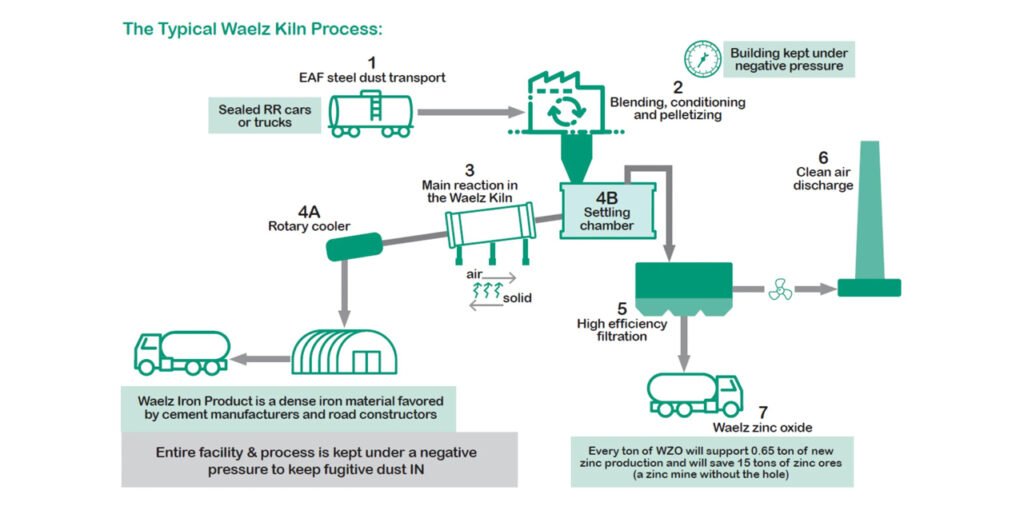
Pyrometallurgy utilizes zinc's low boiling point to reduce and vaporize zinc from dust under high-temperature reducing conditions, then collects it as zinc oxide through oxidation. The core process is: Reduction → Zinc Volatilization → Oxidation → Zinc Oxide.
Zinc-containing dust is mixed with a carbonaceous reducing agent (coke, coal) and heated in a reducing atmosphere at 1100~1300℃. The ZnO and ZnFe₂O₄ in the dust are reduced to metallic zinc by carbon. Since zinc has a boiling point of only 907℃, the reduced metallic zinc immediately vaporizes (zinc volatilizes) and leaves the high-temperature zone with the flue gas. The zinc vapor is re-oxidized by contact with oxygen in the flue gas, generating ultrafine zinc oxide particles, which are finally collected in a bag filter as coarse zinc oxide product.
Zinc Recovery
When the zinc content in induction furnace dust is high, zinc is no longer a "contaminant" hindering recycling, but rather a valuable metal resource with recycling potential. Zinc recovery refers to extracting zinc from dust using pyrometallurgical or hydrometallurgical processes and converting it into marketable zinc products (crude zinc oxide, high-purity zinc oxide, or metallic zinc). Simultaneously, the iron-rich residue after zinc removal can be recycled into steel, achieving dual recovery of zinc and iron.
Zinc recycling product forms and destinations
| Product Form | Zinc Content | Production Process | Main Destinations |
| Crude zinc oxide (Waelz oxide) | ~55% Zn, Pb content up to 10% | Waelz rotary kiln (pyrometallurgical) | Secondary raw material for zinc smelters, further refined into metallic zinc |
| High-purity zinc oxide (ZnO) | ≥98% | Hydrometallurgical precipitation + calcination, or direct reduction collection by pyrometallurgy | Rubber, ceramics, chemicals, coatings, electronics |
| Metallic zinc (SHG zinc) | ≥99.99% | Electrowinning from zinc sulfate solution (hydrometallurgical) | Galvanizing, alloys, batteries |
Waelz Process
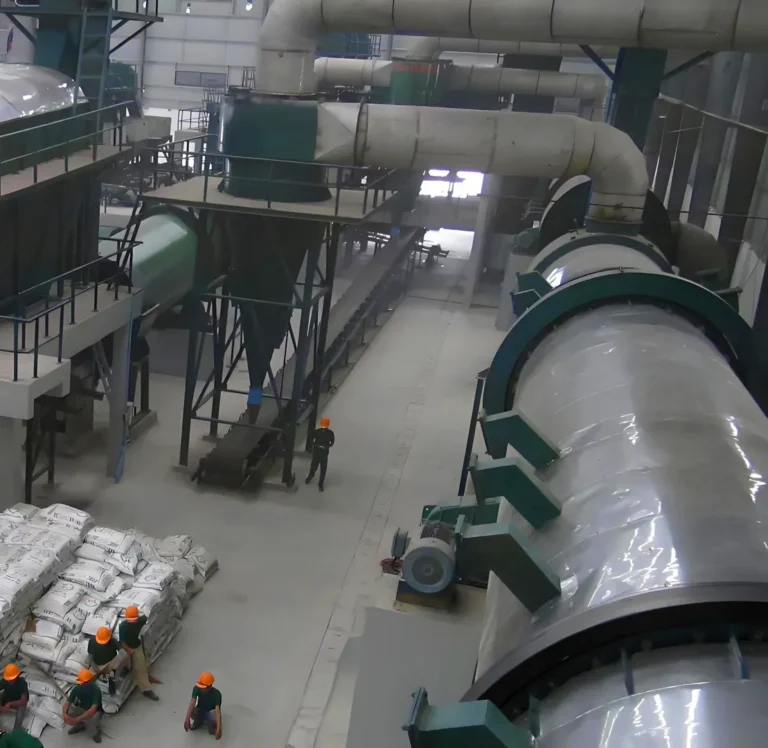
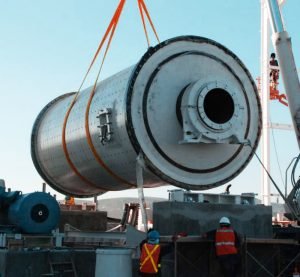
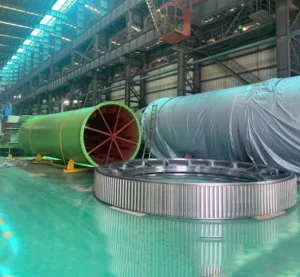
The Waelz process is currently the most widely used pyrometallurgical treatment technology for zinc-containing steelmaking dust in the world. It was developed in Germany in the 1920s and has since treated more than 60% of the world's zinc-containing steelmaking dust.
- Raw Material Preparation: Zinc-containing dust is mixed with water, coke (a carbon reducing agent), and lime to form granules, ensuring uniform feeding into the rotary kiln.
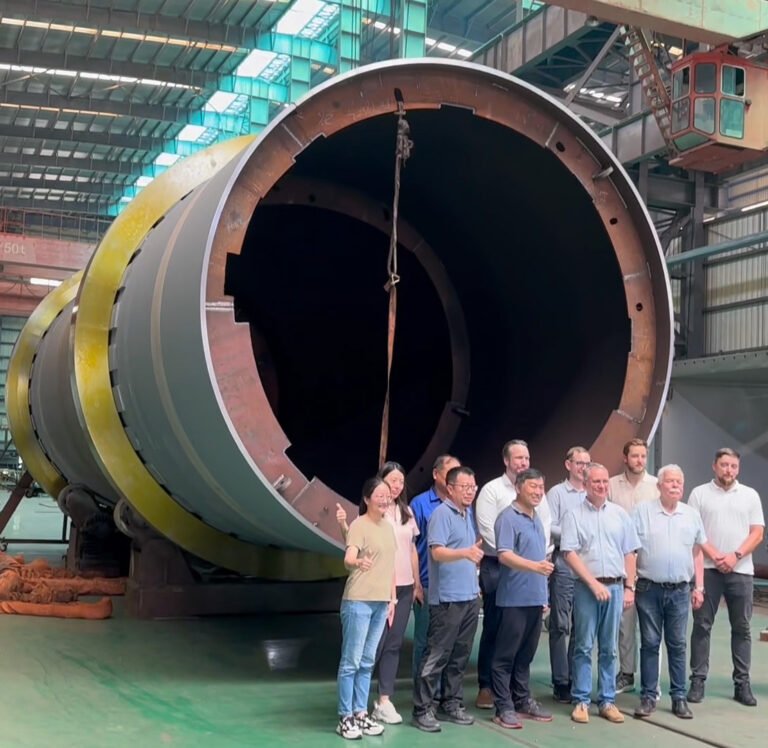
- Rotary Kiln Reduction: The granular material is fed into an inclined rotary kiln at a temperature of approximately 1200-1300°C. Under a carbon-reducing atmosphere, volatile components such as zinc and lead are reduced and vaporized into the gas phase.
- Oxidation and Collection: After the zinc-containing flue gas exits the kiln, the zinc vapor is oxidized in the gas phase to zinc oxide, forming the so-called "Waelz oxide" (crude zinc oxide), which is then collected in a bag filter after cooling to approximately 200°C.
- Residue Discharge: The solid residue (Waelz slag) after zinc removal is discharged from the kiln tail, mainly composed of iron oxides and silicates.
Can a Waelz Kiln Process Induction Furnace Dust?
Waelz kilns can handle induction furnace dust, but not all induction furnace dust is suitable. Whether it can be handled depends on the chemical and physical properties of the dust, with the core criterion being the zinc content.
The Waelz process is currently the most widely used pyrometallurgical technology for recovering zinc-containing steelmaking dust globally, and has been listed by the European Commission as the "Best Available Technology (BAT) for the Recovery of Zinc-Rich Waste". However, this process has a clear grade threshold for the feedstock: the PMC's "Review of Zinc-Iron Recovery Technologies from Steel Plant Dust" points out that "the Waelz process requires a zinc content in the dust higher than 16 wt% to ensure the economic viability of the process."
The zinc content of induction furnace dust fluctuates greatly, typically below 5% in ordinary carbon steel casting, but can soar to 35%~55% when smelting a high proportion of galvanized scrap steel. This means that: high-zinc induction furnace dust (Zn>16%) is a suitable feedstock for Waelz kilns, while direct feeding of low-zinc induction furnace dust (Zn<16%) into Waelz kilns is economically infeasible, requiring prior zinc enrichment, mixing with high-zinc dust, or alternative processes.
IF Dust Requirements for Waelz Kiln Treatment
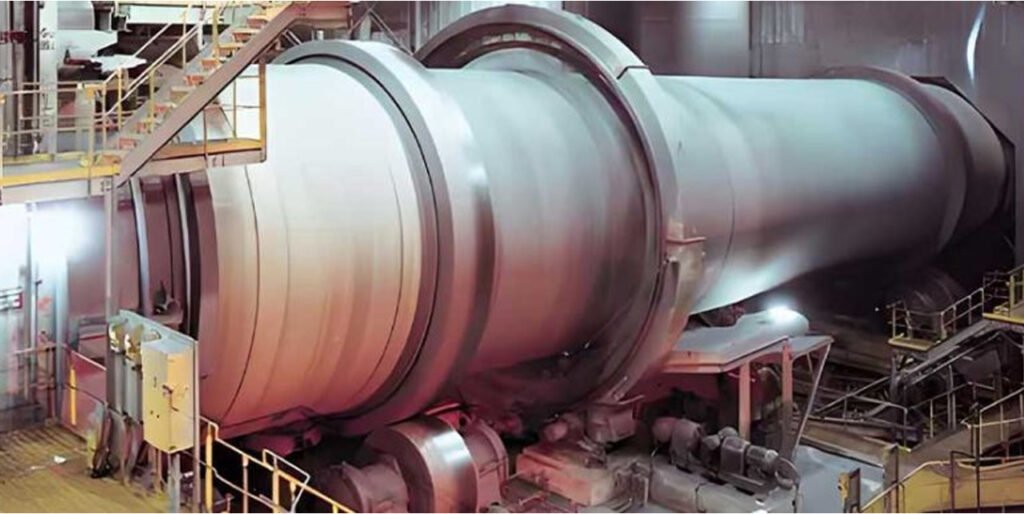
Whether induction furnace dust is suitable for a Waelz kiln depends on its chemical and physical characteristics.
| Indicator | Requirement / Impact | Reason |
| Zn content | Usually > 16 wt% to be economical | Determines the grade of Waelz oxide product and process economics |
| Fe content | 20%–50% acceptable; affects slag volume | Iron oxides are reduced and enter the Waelz slag; higher Fe leads to greater slag volume |
| Moisture | Must be controlled before pelletizing, usually < 5% | Excessive moisture affects pellet strength and heat balance in the kiln |
| Particle size | Must be pelletized into uniform particles (~12 mm pellets) | Fine powder fed directly into the kiln is carried away by gas flow and causes kiln ringing |
| Chlorine (Cl) | The lower the better; high Cl requires pretreatment | Chlorine forms low-boiling-point chlorides that volatilize with zinc, corroding equipment and contaminating the Waelz oxide product |
| Lead (Pb) | Acceptable, but affects product purity | Lead volatilizes simultaneously with zinc into the Waelz oxide (Pb content can reach 10%), requiring subsequent separation in zinc smelting |
| Carbon / reductant | 6%–30% coke must be added (depending on operating mode) | Carbon is essential for reducing ZnO to metallic zinc |
| Feed form | Must be pelletized / briquetted | Ensures gas permeability and heat transfer in the kiln, preventing fine powder from being entrained by flue gas |
Why Feedstock Analysis Is Important
Feed analysis is a prerequisite for the stable operation of Waelz kilns. Research on Waelz self-reducing pellets in Brazil indicates that "raw material characterization is a very important step in the Waelz process because the chemical composition of EAF dust varies greatly." In industrial production, hourly sampling and analysis are required before each feed to determine the feeding rate and proportions.
- Zn content: Directly determines the product grade and sales revenue of Waelz oxide.
- Fe content: Iron is the most abundant element in the dust. After reduction, it forms metallic iron, which is then re-oxidized in the discharge zone and enters the Waelz slag.
- Moisture: Raw material moisture affects granulation quality. Waelz feed requires the addition of water, lime, and coke for granulation. Excessive moisture in the raw material leads to insufficient pellet strength and breakage/pulverization within the kiln.
- Particle size: The original dust particle size is typically 0.1~50 μm, extremely fine, and must be granulated into pellets with a diameter of approximately 12 mm before entering the kiln.
- Chlorine: Chlorine forms ZnCl₂ (boiling point 732℃) at high temperatures, volatilizing with zinc vapor and entering the product. This not only corrodes subsequent smelting equipment but also affects the current efficiency of zinc electrolysis. Therefore, high-chlorine dust must be dechlorinated by water washing or alkaline washing.
- Lead: Lead has a boiling point of 1749℃, but under a reducing atmosphere, it partially volatilizes as PbO or metallic lead, entering Waelz oxide.
- Carbon/Reductant Requirement: Carbon is the core reactant in the reduction reaction.
- Feed Form: Waelz kiln feed must consist of granulated pellets or briquettes, made from a mixture of dust, coke, lime/silica, and water.
Reductant Requirements
The reducing agent is the core ingredient in the Waelz process, and its type, dosage, and particle size directly affect the zinc reduction efficiency and the thermal balance inside the kiln.
Commonly used reducing agents in industry include metallurgical coke, anthracite, lignite, and charcoal. Different reducing agents have different reactivity: MDPI's research compared the reducing power of graphite and coke oven dust, finding that graphite's reducing power was superior to that of coke oven dust. A Brazilian study on self-reducing pellets tested charcoal as a reducing agent, determining that the optimal pellet ratio for mechanical properties was 13.09% charcoal.
Zinc Recovery in a Waelz Kiln
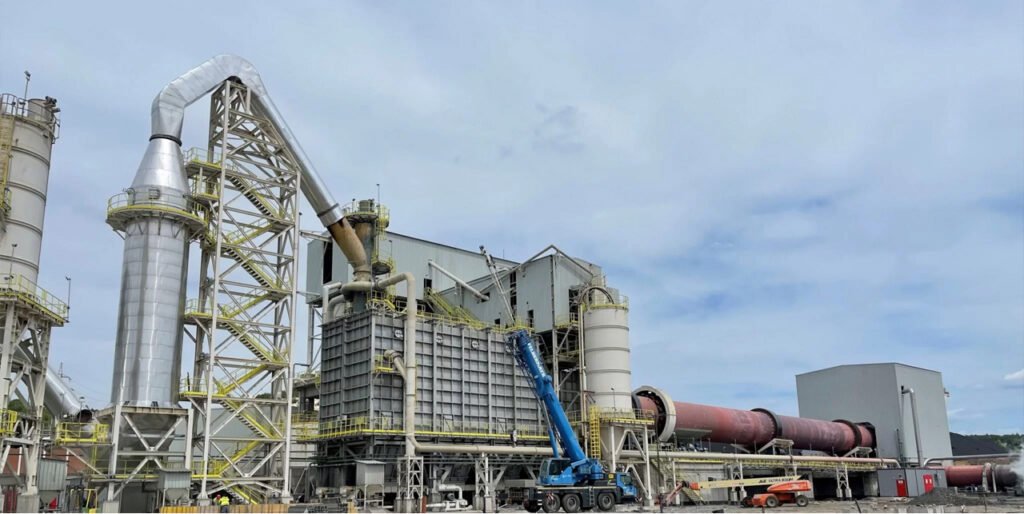
In the reducing atmosphere of the rotary kiln at 1000~1200℃, ZnO in the dust is reduced by carbon to metallic zinc vapor (zinc boiling point 907℃, exists in gaseous state at kiln temperature), which flows with the flue gas towards the kiln tail; after air is introduced at the kiln tail, the zinc vapor is re-oxidized into ultrafine ZnO particles, which are collected in the bag filter as Waelz oxide (crude zinc oxide).
Zinc Recovery from Low-Zinc IF Dust
Low-zinc induction furnace dust (typically Zn < 16%, and even < 5% in ordinary carbon steel casting) is unsuitable for direct feeding into Waelz kilns. Waelz oxide products have low grades, and sales revenue is insufficient to cover the energy consumption and costs of high-temperature processing. Furthermore, low-zinc dust contains a high proportion of iron and gangue, resulting in a larger volume of Waelz slag to be processed per unit of zinc output.
Zinc Recovery from High-Zinc IF Dust
The typical process for high-zinc IF dust entering a Waelz kiln is as follows: dust is mixed with coke and lime/silica for granulation → reduced and volatilized at around 1200℃ in the kiln → zinc vapor oxidation → Waelz oxide is collected by bag filter. The produced Waelz oxide typically contains 55% to 72% zinc.
Factors Affecting Zinc Recovery
| Factor | Impact on Zinc Recovery | Mechanism |
| Zn content | Higher zinc content leads to higher product grade and better economics | Directly determines the ZnO concentration in Waelz oxide and sales revenue |
| ZnO / Zinc-bearing phases | ZnO is easily reduced, while ZnFe₂O₄ is difficult to reduce | Free ZnO can be reduced by carbon at 1000°C; zinc ferrite spinel (ZnFe₂O₄) has a stable structure and requires higher temperature or stronger reducing atmosphere to decompose, acting as the rate-limiting phase for zinc recovery |
| Fe content | Iron content affects slag volume and heat balance | Iron oxides are reduced to metallic iron and then re-oxidized in the discharge zone to enter the slag; regression analysis shows iron content has a significant positive effect on slag volume (coefficient 4.96, p=0.008); excessive slag volume may encapsulate unreacted particles and reduce zinc recovery rate |
| Pb | Lead volatilizes simultaneously with zinc and enters Waelz oxide | PbO is reduced to metallic lead under reducing atmosphere (boiling point 1749°C, partially volatilizes), affecting product purity but also being a recoverable valuable metal; high-lead dust is suitable for combined lead-zinc smelting |
| Cl | Chlorine reduces product quality and corrodes equipment | Chlorine forms ZnCl₂ (boiling point 732°C) that volatilizes with zinc, entering Waelz oxide and affecting subsequent electrolytic zinc efficiency, while also corroding flues and dust collectors; high-chlorine dust requires pretreatment for dechlorination |
| Moisture | Excessive moisture lowers kiln temperature and affects pellet strength | Moisture evaporation consumes heat, leading to insufficient temperature in the reduction zone; excessively high pellet moisture causes pulverization in the drying zone |
| Particle size | Pellet particle size affects gas permeability and heat transfer | Excessively large particle size results in incomplete reduction of ZnO inside particles; excessively small size leads to insufficient pellet strength, pulverization in the kiln, and entrainment by gas flow |
| Carbon content | Insufficient carbon leads to incomplete reduction; excess carbon is wasteful | Carbon is the reductant for the ZnO → Zn (g) reaction; dosage must precisely match the total reducible oxides; regression analysis shows coal/coke dosage has a significant positive effect on slag volume (coefficient 0.46, p=0.008) |
| Scrap composition | Scrap composition determines dust composition | The proportion of galvanized scrap determines zinc content; alloy scrap (stainless steel, lead-containing steel) determines impurity contents such as chromium, nickel, and lead; oil stains and coatings on scrap surfaces affect chlorine and alkali metal contents |
How to Recover Zinc from Induction Furnace Dust?
The core mechanism for recovering zinc from induction furnace dust is high-temperature carbothermic reduction – volatilization – gas-phase oxidation, consisting of two steps:
- Step 1 (In-Kiln Reduction): ZnO + C → Zn(g) + CO:In the reducing atmosphere of the Waelz rotary kiln, zinc oxide in the dust is reduced to metallic zinc by carbon;
- Step Two (Vacuum-Phase Oxidation): Zn(vapor) + O₂ → ZnO: Due to zinc's boiling point of only 907℃, it immediately escapes as vapor from the solid phase at a temperature of 1000~1200℃ inside the kiln, flowing towards the kiln tail with the flue gas. After air is introduced at the kiln tail, the zinc vapor is re-oxidized into ultrafine zinc oxide particles, which are ultimately collected by a bag filter as coarse zinc oxide product.
Iron has a boiling point as high as 2862℃ and does not volatilize at kiln temperatures. After being reduced to metallic iron, iron oxides are re-oxidized in the discharge zone, with most remaining in the solid residue (Waelz slag). This separation mechanism of "zinc entering the gas phase and iron remaining in the slag phase" is the basic principle of the Waelz process for recovering zinc from zinc-containing dust, and it is also the most mature route for the industrial treatment of zinc-containing steelmaking dust.
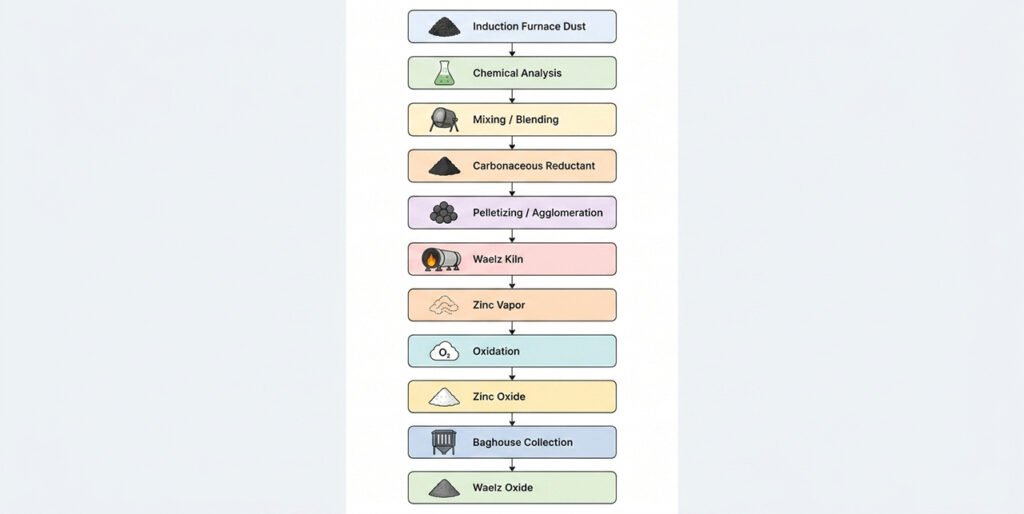
1. Dust Preparation
Dust preparation involves four steps: chemical analysis, mixing and batching, adding reducing agent, and granulation. The goal is to transform raw dust with fluctuating chemical composition into kiln pellets with uniform composition, qualified strength, and good air permeability.
2. Reduction and Zinc Volatilization
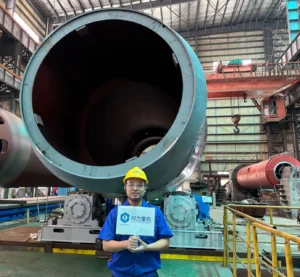
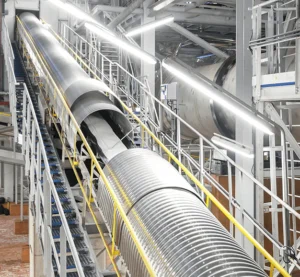
The granulated material is fed from the kiln tail (high end) and slowly moves towards the lower end in a rotary kiln with a rotation speed of approximately 0.5–1.6 rpm and an inclination angle of 2%–3%. Industrial kilns are typically 38.5–70 m long and 2.5–4.5 m in inner diameter. The kiln has precise temperature zones: a preheating zone of approximately 600°C and a reduction reaction zone of 1000–1200°C. In the reduction zone, ZnO in the pellets undergoes a reduction reaction with carbon: ZnO + C → Zn(g) + CO. Because zinc has a boiling point of only 907°C, the metallic zinc produced by reduction immediately escapes from the pellets as vapor at the kiln temperature, entering the gas phase (Zinc Vapor) and flowing counter-currently with the flue gas. Meanwhile, lead (boiling point 1749℃) partially volatilizes under a reducing atmosphere, and cadmium (boiling point 767℃) almost completely volatilizes. These volatile non-ferrous metals enter the gas phase along with zinc vapor; while iron (boiling point 2862℃), silicon, calcium, magnesium, etc. do not volatilize and remain in the solid phase.
3. Zinc Vapor Oxidation
After the high-temperature flue gas containing zinc vapor is discharged from the kiln tail, air is introduced into the flue or post-combustion chamber. The zinc vapor is oxidized by oxygen, regenerating ultrafine zinc oxide particles: Zn(vapor) + O₂ → ZnO. The GTT thermodynamic model describes this step as the second reaction: Zn(g) + CO + O₂ → ZnO + CO₂. The oxidation process releases heat, maintaining the flue gas temperature. The generated ZnO particles are extremely fine (submicron to micron scale), suspended in the flue gas to form "zinc fumes," which need to be collected in the subsequent dust collection system.
4. Zinc Oxide Collection
After the zinc oxide-containing flue gas is discharged from the kiln tail, it first enters the precipitation chamber/dust settling chamber, where coarse particles mechanically entrained by the airflow are separated and returned to the kiln for reprocessing. Then, the flue gas is cooled to about 200°C and enters the high-efficiency bag filter/fabric collector, where ultrafine zinc oxide particles are captured by the filter bags and collected from the bottom as Waelz oxide. The purified gas is discharged from the top.
5. Waelz Slag
Waelz slag is the solid residue discharged from the rotary kiln, which is the iron-rich material remaining after zinc volatilization. Most of the iron enters the Waelz slag—iron oxides are reduced to metallic iron by carbon in the kiln, but are re-oxidized upon contact with air in the discharge zone, remaining in the slag in the form of FeO, Fe₃O₄, and metallic iron.
IF Dust vs EAF Dust
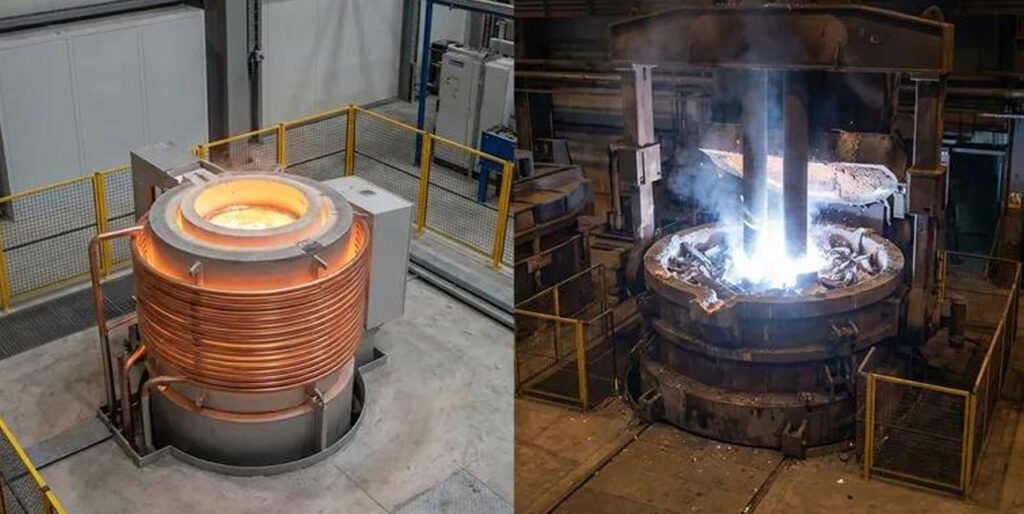
Induction furnace dust (IF dust) and electric arc furnace dust (EAF dust) are both fine particulate wastes containing metal oxides generated during the steelmaking process. However, due to differences in furnace type, smelting method, and raw material composition, the two differ in zinc content, dust generation mechanism, and recycling path.
| Feature | IF Dust (Induction Furnace Dust) | EAF Dust (Electric Arc Furnace Dust) |
| Furnace Type | Induction Furnace — heats metal using electromagnetic induction, with no electrodes in direct contact with the melt pool | Electric Arc Furnace — melts scrap steel using high-temperature electric arcs between graphite electrodes and the charge |
| Typical Source | Foundries / steel melting shops, primarily for producing castings | Steelmaking (integrated or mini-mills), primarily for producing molten steel / billets |
| Zn Content | Highly variable — usually < 5% for ordinary carbon steel casting; can reach 35%–55% when a high proportion of galvanized scrap is used | Often significant — typically 15%–25%, range 10%–40%, global average about 18% |
| Fe Content | High — mainly Fe₃O₄, Fe₂O₃ and metallic iron; Korean WFD measurements show Fe₂O₃ up to 40% | High — mainly Fe₃O₄ and ZnFe₂O₄, with FeO content of 23%–45% |
| Dust Generation | Melting fumes — metal oxidation on the melt surface, metal droplets entrained by bubble bursting, and volatilization of low-boiling-point metals | Steelmaking off-gas — ultra-high-temperature metal evaporation from electric arcs, CO bubble bursting during oxygen blowing for decarburization, electrode oxidation, and charging dust |
| Recycling Method | Feed-dependent — low-zinc dust can be briquetted and returned to the furnace in-plant; high-zinc dust requires external specialized treatment | Zinc accumulation can limit internal recycling — direct return to the furnace causes zinc to accumulate in the furnace lining and circulating materials, eroding refractory materials |
| Zn Recovery | Possible — limited industrial applications, mostly at the research stage or mixed with EAF dust and sent to a Waelz kiln | Major industrial application — the Waelz process treats more than 80% of recovered steelmaking dust worldwide and is the most important secondary zinc source for zinc smelters |
Key Differences
Zinc content is the most significant difference between IF dust and EAF dust, determining their respective treatment pathways and economic value.
| Indicator | IF Dust | EAF Dust |
| Typical Zinc Content | <5% (ordinary casting) to 35%–55% (high proportion of galvanized scrap) | 15%–25% (typical), range 10%–40% |
| Variability | Extremely high (bipolar distribution) | Moderate (relatively stable in the 15%–25% range) |
| Occurrence Form of Zinc | Mainly ZnO, with a small amount of ZnFe₂O₄ | ZnO + large amount of ZnFe₂O₄ (zinc ferrite spinel) |
| Source of Zinc | Zinc coating on the surface of galvanized scrap charged into the furnace | Galvanized sheets in scrap (50% of global zinc is used for galvanizing) |
| Volatilization Ratio | Depends on melting temperature and proportion of galvanized scrap | Approximately 98% of the zinc volatilizes into the dust |
Zinc Content
The high and stable zinc content in EAF dust is due to the fact that electric arc furnaces use scrap steel as the sole or primary raw material, and the proportion of galvanized steel in modern scrap steel streams is high and relatively stable; simultaneously, the ultra-high temperature of the electric arc and the intense furnace gas agitation cause almost complete volatilization of zinc. The large fluctuations in zinc content in IF dust are due to the significant differences in the raw material composition of foundries.
Recycling and Zinc Recovery
EAF dust: Special zinc removal is required; the Waelz process is the industry standard.
- Direct recycling is not feasible: the zinc content far exceeds the feed limits for blast furnaces/electric furnaces (0.3%~0.5%), leading to zinc accumulation and furnace lining corrosion.
- Waelz kilns are the dominant technology: processing over 80% of the world's recycled steelmaking dust, producing Waelz oxide (55%~65% Zn) sold to zinc smelters.
IF dust: graded treatment, mainly recycled within the plant, with high-zinc content sent externally.
- Low-zinc dust (<5%): After briquetting, it can be directly fed back into the induction furnace, resulting in the lowest cost.
- High-zinc dust (>16%): Technically, it can be processed in a Waelz kiln, but due to its small and dispersed production volume, it is usually mixed with EAF dust for centralized treatment.
Frequently Asked Questions:
Common alternative names include induction furnace dust, induction furnace baghouse dust, induction furnace filter dust, induction furnace flue dust, induction furnace off-gas dust, induction furnace exhaust dust, induction furnace fume dust, induction furnace particulate matter, induction melting furnace dust, induction melting furnace filter dust, medium-frequency induction furnace dust (MFIF dust), medium-frequency furnace dust, medium-frequency induction furnace filter ash, medium-frequency furnace ash, IF baghouse dust, IF dust collector residue, IF dust collection powder, IF furnace dust residue, electric induction furnace dust, electric induction furnace baghouse dust, induction furnace air pollution control dust, induction furnace APC dust, induction furnace emission control dust, metallurgical dust from induction furnaces, metallurgical fume dust, melting furnace dust, melting furnace baghouse dust, furnace fume, furnace flue dust, furnace oxide dust, metal oxide fume, metal oxide particulate matter, metal oxide dust, fine metal oxide powder, steelmaking induction furnace dust, iron foundry induction furnace dust, cast iron induction furnace dust, foundry furnace dust, foundry baghouse dust, foundry dust, and foundry filter dust.
Not necessarily. Whether induction furnace dust is hazardous waste must be determined on a case-by-case basis through leaching toxicity testing; it cannot be generalized. In the United States, hazardous waste is determined based on the TCLP test (EPA Method 1311) of the RCRA regulations. If any RCRA-8 metal (As, Ba, Cd, Cr, Hg, Pb, Se, Ag) in the leachate exceeds the regulatory limits, it is classified as hazardous waste and assigned a D-code.Actual research shows divergent results,Even if the leaching toxicity does not exceed the standard, IF dust still poses occupational health risks: inhalable fine particles can lead to silicosis, and fumes containing zinc and other heavy metals can cause metal fume fever. Therefore, regardless of whether it is classified as hazardous waste, it should be collected in a closed system, stored properly, and personal protective equipment should be used.
Yes, almost all induction furnace dust contains zinc, and zinc is one of the most abundant non-ferrous metal elements in IF dust. The source of zinc is the galvanized coating on the surface of the scrap steel entering the furnace. The zinc content highly depends on the proportion of galvanized scrap steel entering the furnace—zinc content is very low when smelting ordinary carbon steel or cast iron, while it increases significantly when using large quantities of galvanized scrap steel. This aligns with the logic of EAF dust: approximately 50% of global zinc production is used for steel galvanizing, and galvanized sheets in the scrap steel stream are the primary source of zinc in the dust.
The zinc content of induction furnace dust fluctuates significantly, making it the most volatile type of steelmaking dust, ranging from <1% to >50%. In ordinary carbon steel/cast iron casting, the zinc content is typically below 5%. In high-proportion galvanized scrap smelting, the zinc content can soar to 35%~55%.
Yes, the recycling method depends on the zinc content. Low-zinc dust can be recycled directly in the furnace, while high-zinc dust requires special zinc removal treatment.Low-zinc dust (zinc content <5%): Can be briquetted and sent directly back to the induction furnace. Experiments conducted by the Foundry Committee of the Polish Academy of Sciences on induction furnace dust briquetting and recycling showed that using 5% bentonite as a binder, with briquetting and recycling at a ratio of 2% to 8%, can achieve a metal recovery rate of over 70%, without affecting the carbon and chromium content, with a slight decrease in manganese content and a slight increase in silicon content. This process is feasible and has the lowest cost.High-zinc dust (zinc content >16%): Not suitable for direct recycling. Reuse of zinc-containing materials leads to zinc accumulation in the furnace lining and corrosion of the refractory materials. The zinc content in blast furnace feedwater is limited to 0.3% to 0.5%, while high-zinc dust far exceeds this value. It must be sent to a Waldz kiln or a wet process must be used to recover zinc in order to reuse the iron components.
There are two main technical routes for recovering zinc from zinc dust: pyrometallurgy and hydrometallurgy. Pyrometallurgy (Waltz rotary kiln): The dust is mixed with coke and lime/silica to form granules, which are then fed into a rotary kiln. In a reducing atmosphere of 1000~1200℃, zinc oxide is reduced by carbon to metallic zinc vapor (ZnO + C → Zn(g) + CO). Then, the zinc vapor is oxidized by air at the kiln tail to zinc oxide (Zn(vapor) + O₂ → ZnO), and collected through a bag filter to obtain crude zinc oxide (Waltz zinc oxide, with a zinc content of 55%~72%). Hydrometallurgy (hydrometallurgical process): Sulfuric acid leaching → solution purification (removal of impurities such as copper, lead, and manganese) → zinc precipitation → calcination to obtain zinc oxide. Sulfuric acid is the most commonly used leaching agent (pH 1.0~3.5, 35~95℃). Direct acid leaching can yield 80%~87% zinc (limited by zinc-iron spinel ZnFe₂O₄). After pretreatment with sulfation roasting (600~700℃), the zinc extraction rate can be increased to over 95%.
Yes, but only if the zinc content is high enough (typically > 16 wt%) to ensure economic viability. The Waltz kiln is currently the most mature industrial technology for processing zinc-containing steelmaking dust, handling over 80% of the world's recycled steelmaking dust. High-zinc mid-furnace dust (Zn > 16%): This type of dust is suitable for use in Waltz kilns and can be directly granulated (dust + coke + lime/silica) before being fed into the kiln to produce Waltz oxides, which are then sold to zinc smelters. Low-zinc mid-furnace dust (Zn < 16%): Direct feeding into the Waltz kiln is uneconomical because the processing cost per unit of zinc yield is too high. Alternatives include mixing it with high-zinc electric arc furnace dust to improve the overall grade before feeding it into the Waltz kiln.
Yes, zinc oxide can be produced using medium-fired dust through pyrometallurgical or hydrometallurgical processes. Product grades range from crude zinc oxide (55%–75% zinc content) to high-purity zinc oxide (>99%). Pyrometallurgical route: Waltz kilns directly produce Waltz oxide (crude zinc oxide) with a zinc content of 55%–72%, a high-quality secondary raw material for zinc smelters, with a global annual production of approximately 1.5 million tons. Hydrometallurgical route: Acid leaching or ammonia leaching → purification and impurity removal → precipitation → calcination, yielding zinc oxide with even higher purity.