






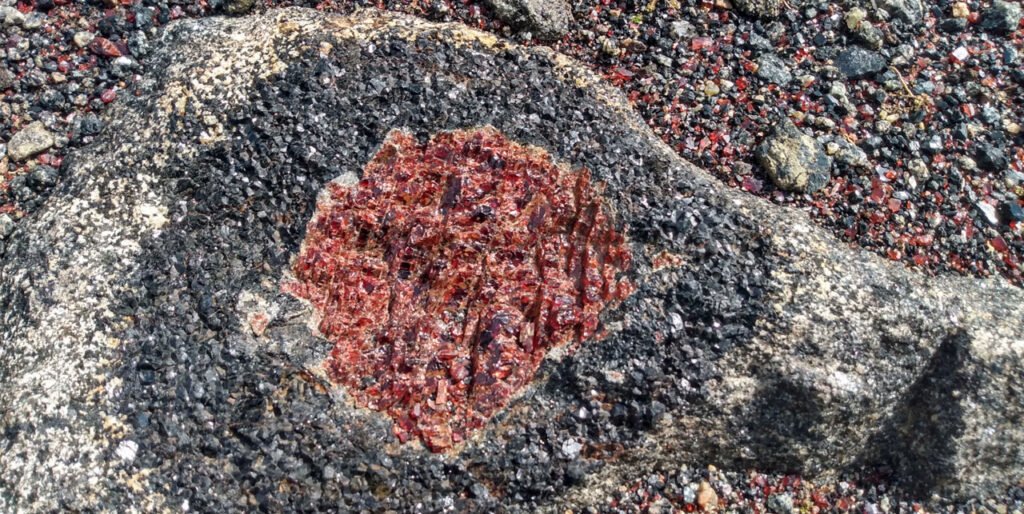
Garnets are a group of nesosilicate minerals that share the same crystal structure but vary in chemical composition. Found in metamorphic rocks, igneous rocks, and sedimentary placer deposits, they serve as both industrial raw materials and gemstones. This paper reviews the mineralogical classification, physicochemical properties, geological distribution, and primary mineralization types of garnets; discusses beneficiation and processing technologies (including key equipment) for industrial- and gem-grade garnets; and analyzes their quality requirements and applications in fields such as sandblasting abrasives, waterjet cutting, water filtration, and jewelry.
Introduction
The word “garnet” comes from the Latin granatum, meaning “grain” or “seed,” referring to the resemblance of some garnet crystals to pomegranate seeds. Garnet has a long history of use as a gemstone. Ancient Egyptians used it in jewelry and amulets, and garnet was also used in Roman signet rings. It later spread across Eurasia through trade routes including the Silk Road. In medieval Europe, garnet was associated with protection, health, prosperity, and love. Bohemian garnets became particularly popular in jewelry during the Victorian era. Today, garnet is used both as a gemstone and as an industrial material for abrasive blasting, surface treatment, waterjet cutting, and water filtration.
Garnet refers to a group of minerals with related crystal structures and different chemical compositions. These compositional differences affect properties such as color, hardness, density, and optical characteristics. Transparent crystals with good clarity are used as gemstones, while massive and fine-grained garnet materials are commonly processed for industrial use. Garnet is valued in these applications for its hardness, chemical stability, and relatively low free-silica content. It is therefore used as an alternative to silica sand in abrasive blasting, waterjet cutting, and water filtration.
Mineralogical Characteristics and Classification
Crystal Structure and Physical Properties of Garnet
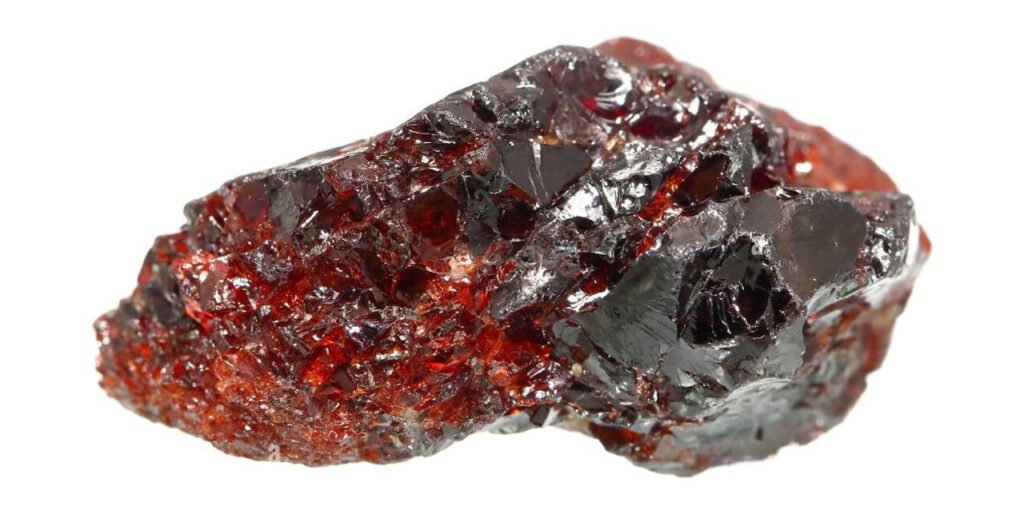
Garnet crystallizes in the isometric system and has a nesosilicate structure composed of isolated SiO₄ tetrahedra linked by divalent and trivalent cations. The general formula is A₃B₂(SiO₄)₃, with Mg, Fe, Mn, or Ca commonly occupying the A site and Al, Fe, or Cr occupying the B site. Its compact structure gives garnet isotropic optical properties and no distinct cleavage; fractures are commonly conchoidal.
Garnet crystals commonly form rhombic dodecahedra, trapezohedra, or combinations of these forms, and growth striations may occur on the crystal faces. Aggregates are generally granular or massive. Typical garnet has a Mohs hardness of 6.5–7.5, a density of 3.5–4.3 g/cm³, and a refractive index of 1.71–1.89. It is singly refractive and ranges from vitreous to sub-adamantine in luster. Garnet is also relatively chemically stable and generally resistant to most acids and alkalis at room temperature.
Major mineral varieties of garnet
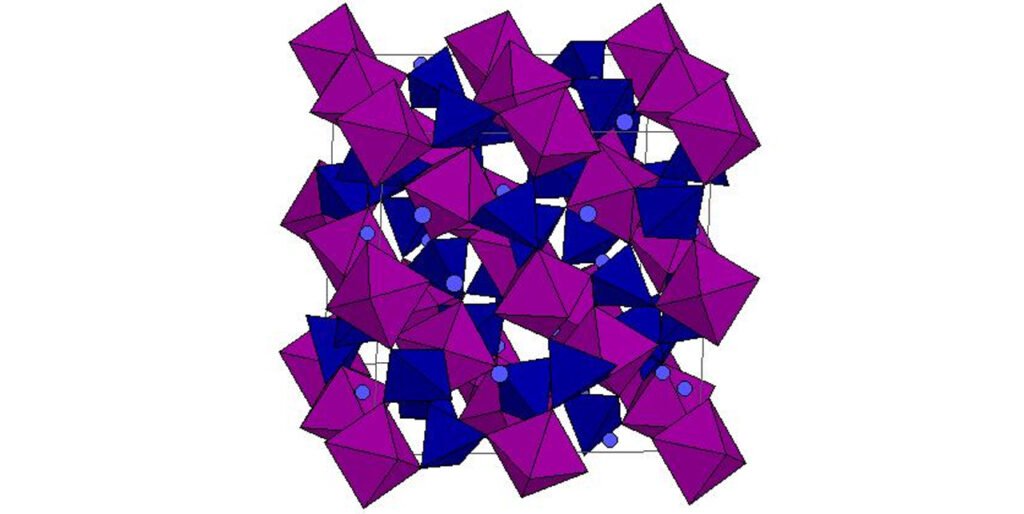
Based on chemical composition and cation type, garnets are classified into two complete solid-solution series—the aluminous series and the calcic series—comprising a total of six core end-member varieties.
| Mineral Name | Chemical Formula | Main Color | Mohs Hardness | Density (g/cm³) | Refractive Index |
| Pyrope | Mg₃Al₂(SiO₄)₃ | Deep red, purplish red | 7.5 | 3.58 | 1.714 |
| Almandine | Fe₃Al₂(SiO₄)₃ | Brownish red, deep brownish red | 7~7.5 | 4.32 | 1.830 |
| Spessartine | Mn₃Al₂(SiO₄)₃ | Orange-red, orange-red | 7~7.5 | 4.19 | 1.800 |
| Grossular | Ca₃Al₂(SiO₄)₃ | Green, yellow, brownish red | 6.5~7 | 3.59 | 1.734 |
| Andradite | Ca₃Fe₂(SiO₄)₃ | Green, yellow, black | 7 | 3.86 | 1.887 |
| Uvarovite | Ca₃Cr₂(SiO₄)₃ | Emerald green | 7.5 | 3.40 | 1.860 |
Natural garnets are primarily transitional solid solutions that have undergone varying degrees of isomorphous substitution; this characteristic gives rise to a variety of commercial types, some of which enjoy significant market recognition and have specific fields of application.
- Pyrope: A gem-quality garnet named from the Greek word associated with a “fiery eye.” Major deposits were found in Bohemia, now part of the Czech Republic, during the 16th century. Rose-cut pyrope pavé jewelry became particularly popular in the late Victorian period.
- Rhodolite: A pyrope–almandine intermediate with pink to purplish-red colors. It usually has good clarity and relatively few inclusions, making it popular in jewelry. Important sources include Tanzania, Mozambique, Brazil, Sri Lanka, and North Carolina in the United States.
- Star Almandine: Needle-like inclusions in almandine can produce an asterism when the stone is cut as a cabochon. Four-rayed stars are typical, while six-rayed examples are uncommon. Commercial deposits are known from Idaho in the United States and India.
- Spessartine: Usually orange to orange-red, with a high refractive index that gives the stone strong brilliance and fire. It was named after the Spessart region of Germany. New deposits in Namibia and Mozambique helped increase its use in jewelry; other sources include Myanmar, Brazil, China, Sri Lanka, Kenya, Madagascar, Tanzania, and the United States.
- Tsavorite: A chromium-bearing grossular garnet with a vivid green color. It was first identified in Tanzania in 1967 and later became closely associated with deposits near Tsavo National Park in Kenya. Tsavorite generally has stronger color saturation but lower dispersion than demantoid and does not show the characteristic horsetail inclusions of demantoid.
- Demantoid: A gem variety of andradite known for its strong dispersion and adamantine luster. The name comes from the German word for “diamond.” It was discovered in Russia's Ural Mountains in the 1860s. Russian, Iranian, and Italian material is valued by collectors, particularly stones containing the characteristic horsetail inclusions. Deposits are also known in Namibia and Madagascar.
- Hessonite: An iron-rich grossular garnet, generally orange to brownish-orange. Curved internal inclusions are commonly used to distinguish it from similar-looking citrine and topaz. Sri Lanka is an important source, with additional deposits in Brazil, India, Canada, Madagascar, and Tanzania.
- Mali Garnet: A natural grossular–andradite garnet from Mali, first reported in 1994. Colors include gold, yellow-green, brownish-green, and, more rarely, mint and chrome green. The grossular component largely influences the body color, while the andradite component contributes to its fire.
- Anthill Garnet: These small pyrope garnets are recovered from anthills in the Navajo area of Arizona. Ants bring small crystals to the surface while excavating their nests, where the stones can then be collected. The crystals are typically dark red and generally weigh less than one carat.
- Color-change Garnet: Garnets containing three or more end-member components can show different colors under different light sources. Reported color changes include green-yellow to purple-red and blue-green to blue-purple. Compared with alexandrite, color-change garnets can occur as relatively large crystals, including stones over one carat. Sources include Tanzania, Sri Lanka, Madagascar, Norway, and Idaho in the United States.
Geological Occurrence and Global Distribution of Garnet
Garnet commonly forms during metamorphism, although magmatic and pegmatitic processes can also produce garnet-bearing rocks. Almandine, pyrope, and other aluminum-rich garnets are common in metamorphic rocks such as schist, gneiss, and amphibolite. Calcium-rich garnets are often associated with skarns and hydrothermal alteration zones. Because garnet is relatively dense and resistant to weathering, grains released from garnet-bearing rocks can accumulate in rivers and coastal sediments, forming placer deposits that are important sources of industrial garnet and, in some areas, gem material.
Garnet occurs on all continents, with different regions known for particular varieties and deposit types:
- India and Sri Lanka: Important sources of almandine and pyrope, including both gem-quality and industrial material.
- East Africa: Kenya, Tanzania, Madagascar, and Namibia produce varieties such as tsavorite, demantoid, and spessartine, along with industrial almandine.
- Australia and South Africa: Known for large placer deposits used mainly for industrial garnet.
- Brazil and other parts of South America: Produce rhodolite, almandine, spessartine, and other garnet varieties.
- United States: Garnet is produced in states including Arizona, Idaho, and New York. Idaho is particularly well known for star garnet.
- Ural Mountains, Russia: A historic source of demantoid and other high-quality garnet material.
Garnet Beneficiation and Processing Technology and Machinery
Garnet processing can be divided into two main routes: industrial abrasive production and gemstone material processing. The two routes use different equipment and operating conditions because they have different processing requirements. Industrial garnet processing focuses on high recovery, uniform particle size, and removal of unwanted impurities. Gemstone processing, in contrast, is designed to preserve the original crystals and reduce breakage during crushing, separation, and sizing.
General Processing Workflow for Garnet
The complete processing of garnet ore typically follows these steps: raw ore pretreatment (washing and desliming) → crushing and screening → gravity separation for pre-concentration → magnetic separation for purification → fine grinding and classification (as required) → dewatering and drying → final product classification and inspection.
Core Garnet Processing Equipment and Functions
Ore Washing and Desliming Equipment
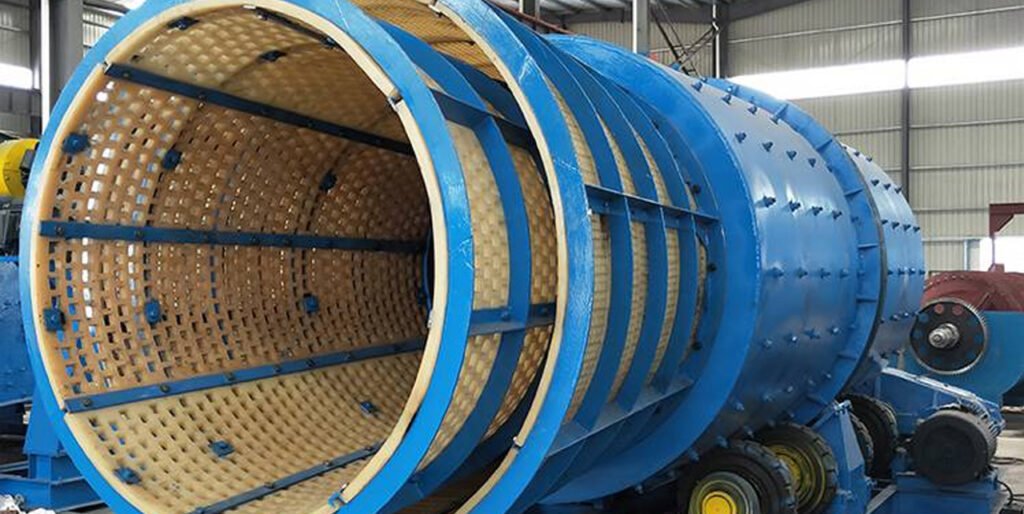
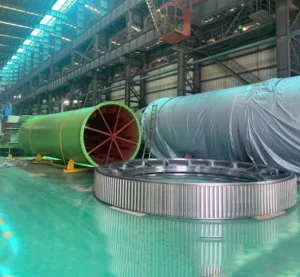
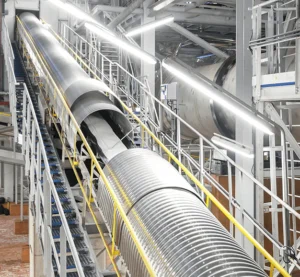
Run-of-mine ore—particularly alluvial (placer) ore—often contains clay and fine slimes that can impair the efficiency of downstream separation processes. A combination of a rotary scrubber and a vibrating screen is used to remove coarse impurities, while hydrocyclones are employed to eliminate fine slimes smaller than 0.045 mm, achieving a desliming efficiency of over 85%. For ores with high cohesiveness, a trough-type scrubber is used to break up slime agglomerates.
Crushing and screening equipment
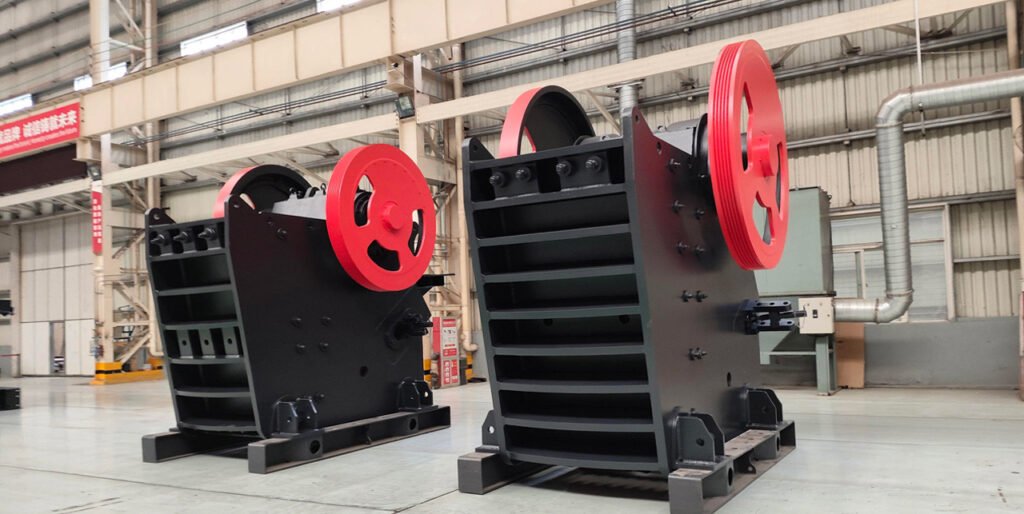
- Primary Crushing: A jaw crusher is used for the initial stage of crushing large raw ore blocks; it accepts feed sizes of several hundred millimeters and produces an output size of 50–100 mm. Operating on the principle of compressive crushing, the equipment minimizes over-pulverization, making it suitable for the primary crushing of brittle materials like garnet.
- Secondary and Fine Crushing: Cone crushers or roll crushers are used for the second stage of crushing, reducing the material to a size of 2–5 mm. Roll crushers exert gentle crushing force and offer good particle shaping capabilities, making them ideal for producing abrasive-grade garnet where particle shape is critical. For gem-grade raw material processing, the reduction ratio is typically lowered, and a combination of multi-stage screening and selective crushing is employed to prevent crystal fragmentation.
- Screening: Multi-deck vibrating screens are used to classify the crushed product by size. Oversized material is returned to the crushing stage to form a closed-loop circuit, ensuring uniform feed size.
Gravity separation equipment
Gravity separation is the core process for the pre-concentration of garnet, achieving separation based on the density difference between garnet and gangue minerals (such as quartz and feldspar). The density of garnet ranges from 3.5 to 4.3 g/cm³, while that of quartz is 2.65 g/cm³; this density difference is sufficient to enable gravity separation.
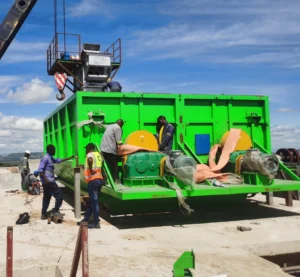
- Spiral Chute: Used for roughing and tailing rejection; a single unit processes 1.5–2.5 tonnes per hour, upgrading raw ore from 3%–8% to 50%–70% while discarding 80%–90% of the tailings. It is a primary roughing device in large-scale industrial production.
- Shaking Table: Used for the cleaning of rough concentrates; offers high separation precision, achieving concentrate grades of 85%–90% and enrichment ratios of 15–30 times. It is suitable for the high-precision separation of medium- to fine-grained materials.
- Jig: Processes coarse-grained placer deposits or crushed lump ore; capable of handling feed sizes up to several tens of millimeters. It enables coarse-particle separation while preserving crystal integrity and is commonly used for the preliminary enrichment of gem-quality raw ore.
Magnetic separation and purification equipment
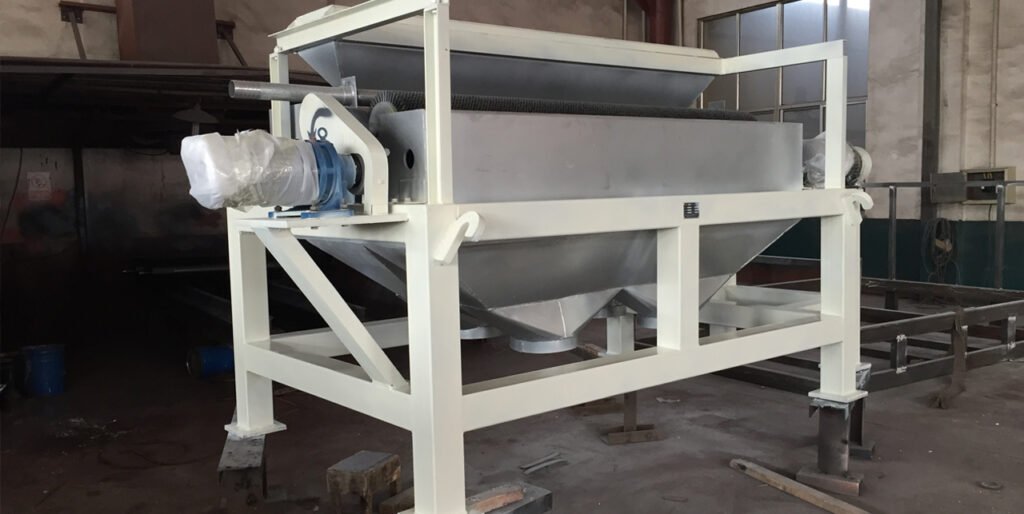
Garnet typically exhibits low magnetic susceptibility, whereas associated minerals—such as magnetite, hematite, amphibole, and biotite—may display stronger magnetic responses. Consequently, magnetic separation processes are commonly employed in industry to remove iron-bearing impurities and enhance the quality of the garnet concentrate.
- Low-intensity magnetic separation: Primarily used to remove strongly magnetic minerals like magnetite (especially from coarse-grained material) as the initial stage of iron removal.
- High-intensity magnetic separation: Utilizing magnetic field strengths of 12,000 to 15,000 Oersteds (Oe), this process separates weakly magnetic iron-bearing minerals (such as amphibole) and other associated gangue minerals. Dry high-intensity magnetic separation is generally suitable for coarser materials, while wet high-intensity magnetic separation is used for finer concentrates. Combining multiple magnetic separation techniques can further improve concentrate purity; depending on ore characteristics and operating conditions, purity levels exceeding 93% can be achieved.
Garnet Grinding and Classification Equipment
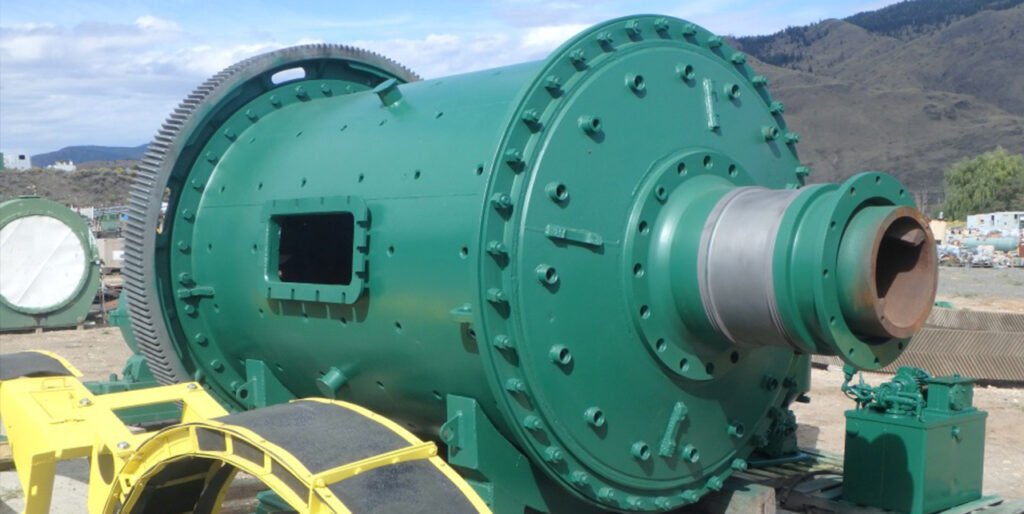
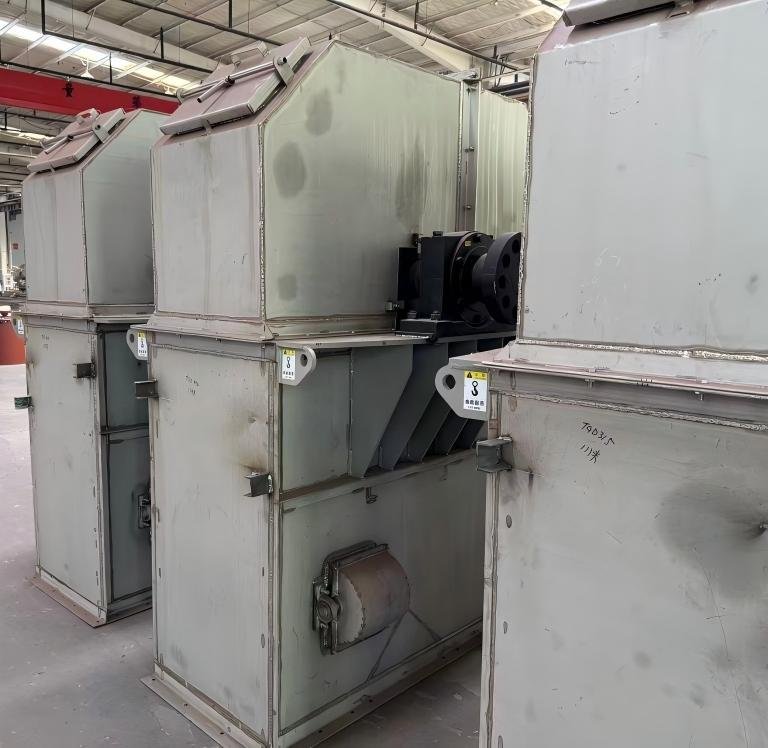
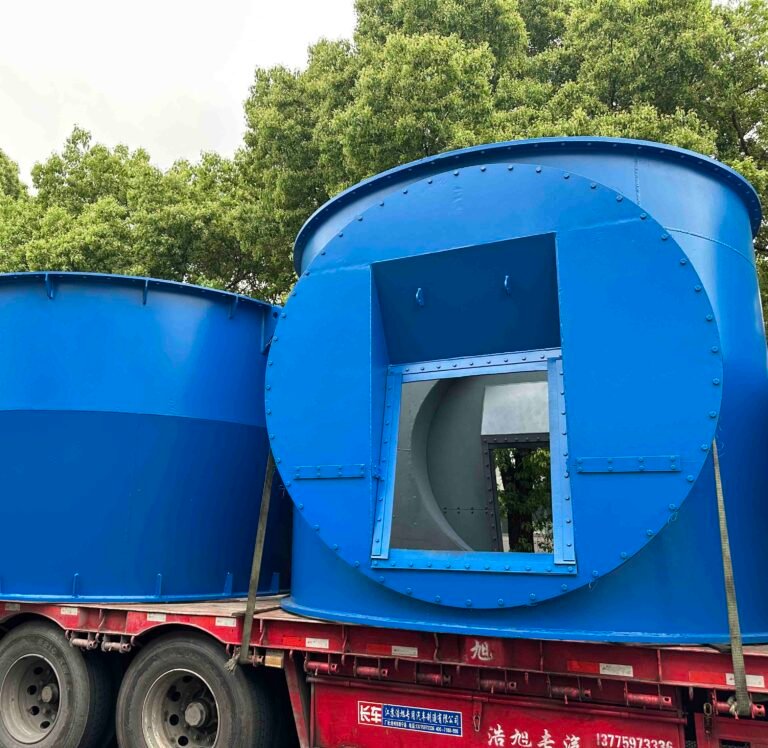
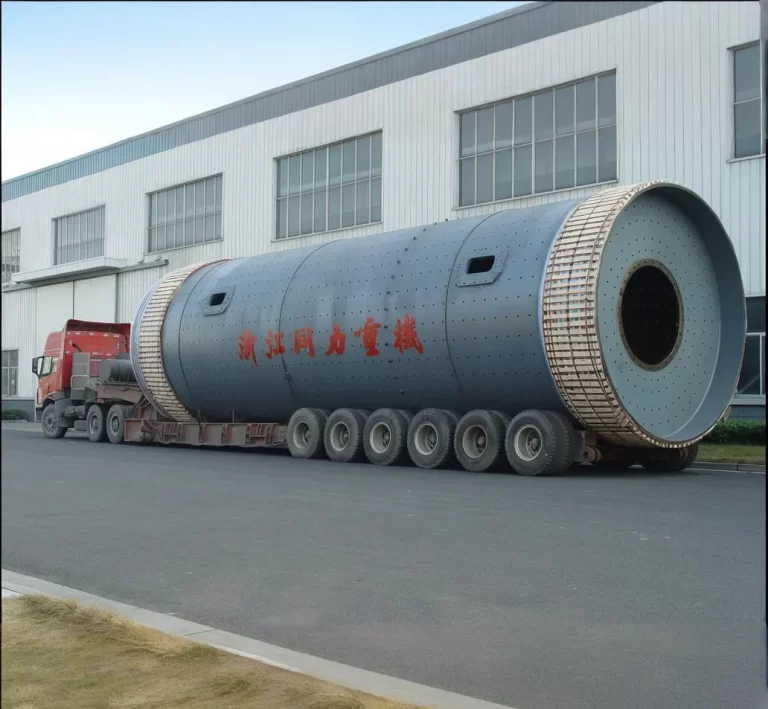
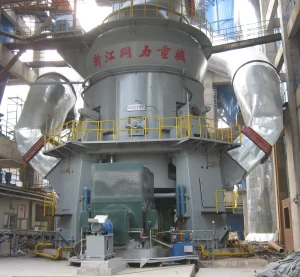
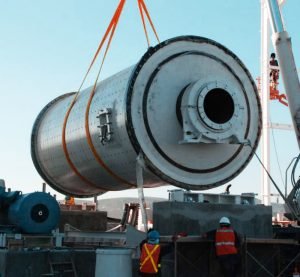
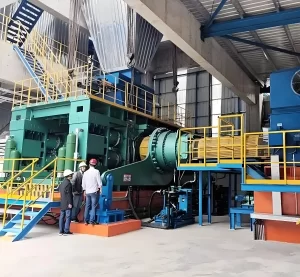
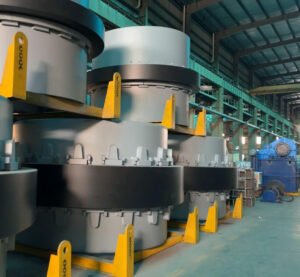
Raymond mills, vertical roller mills, and ultrafine grinding mills can be used to produce fine garnet abrasives and micropowders. Because garnet is highly abrasive, wear-resistant liners are installed inside the grinding chamber to reduce wear on the mill. An integrated air classifier separates the ground material by particle size, allowing qualified fine particles to leave the mill while coarse particles are returned for further grinding. Depending on the equipment configuration, the grinding system can produce products ranging from 20 mesh to 2500 mesh. A negative-pressure dust collection system is also used to control dust during grinding and classification.
Dewatering and Auxiliary Equipment
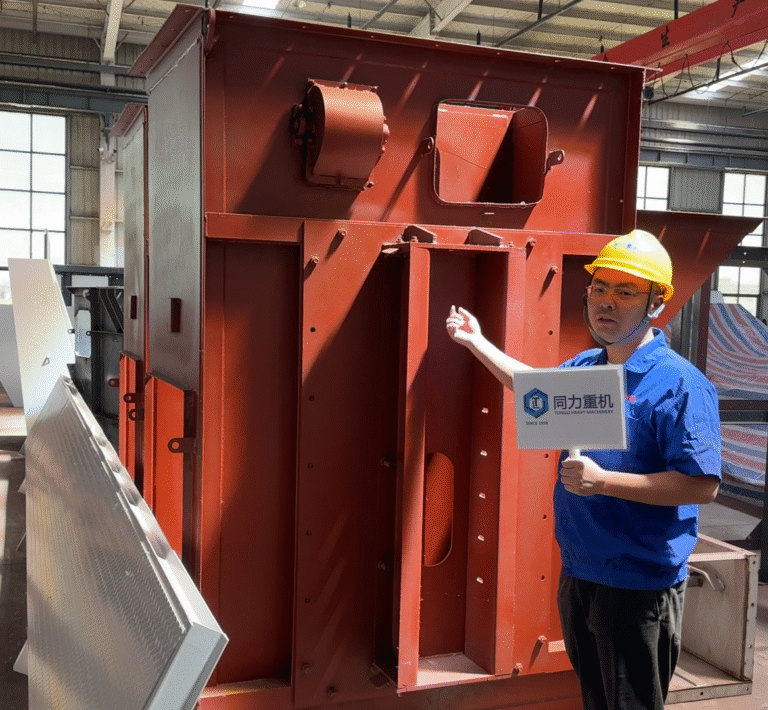
Dewatering screens, filters, and dryers are used to remove water from the garnet concentrate and reduce its moisture content. Belt conveyors and vibrating feeders handle material transfer between process stages, while pulse-jet dust collectors control dust generated during conveying, screening, and other dry operations. In some high-end processing lines, optical sorters are installed for pre-sorting. These machines identify and reject waste rock based on differences in surface optical properties, reducing the amount of waste entering the downstream separation stages.
Differences in Processing Techniques Between Industrial-Grade and Gem-Grade Garnet
| Processing Type | Core Equipment Combination | Key Process Control Points | Core Product Indicators |
| Industrial abrasive grade | Jaw crusher + Cone crusher + Spiral chute + High-intensity magnetic separator + Grinding mill | High recovery rate, low iron impurities, stable particle size distribution, uniform particle shape | Purity ≥92%, particle size deviation ≤5%, iron oxide content ≤1.5% |
| Gemstone raw material grade | Roller crusher + Jig + Shaking table + Photoelectric sorter | Reduce crushing intensity, minimize crystal damage, preserve complete crystal form | Crystal integrity rate, transparency, inclusion content, single particle weight |
The processing of gem-quality garnet typically minimizes crushing stages, prioritizing physical methods—such as ore washing and gravity separation—to recover intact natural crystals, supplemented by manual or optoelectronic sorting to isolate transparent, low-inclusion rough stones. In contrast, industrial-grade processing aims for continuous, large-scale production, ensuring stable product performance through multi-stage magnetic separation and classification.
Main Application Areas of Garnet
Sandblasting abrasive
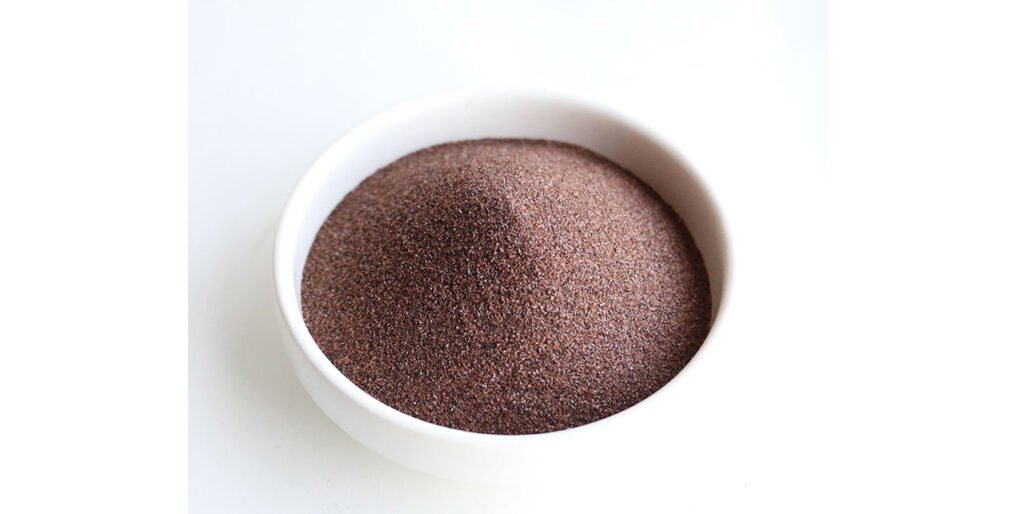
Abrasive blasting is one of the main applications for garnet, accounting for about 46% of reported global consumption. Garnet sand is used to remove rust, scale, and old coatings from metal surfaces and to create the required surface profile before coating. It is commonly used in shipbuilding, steel structures, bridge construction, and offshore oil and gas facilities.
Garnet abrasives typically contain less than 1% free silica, making them a lower-silica alternative to conventional silica sand for abrasive blasting. Garnet also generates less dust during blasting, with some reported applications showing approximately 30% lower dust generation. Its angular particles provide effective cutting action for surface preparation, and recovered garnet can be reused several times, typically around four to six cycles when suitable recovery and blasting conditions are maintained.
Abrasive for high-pressure water jet cutting
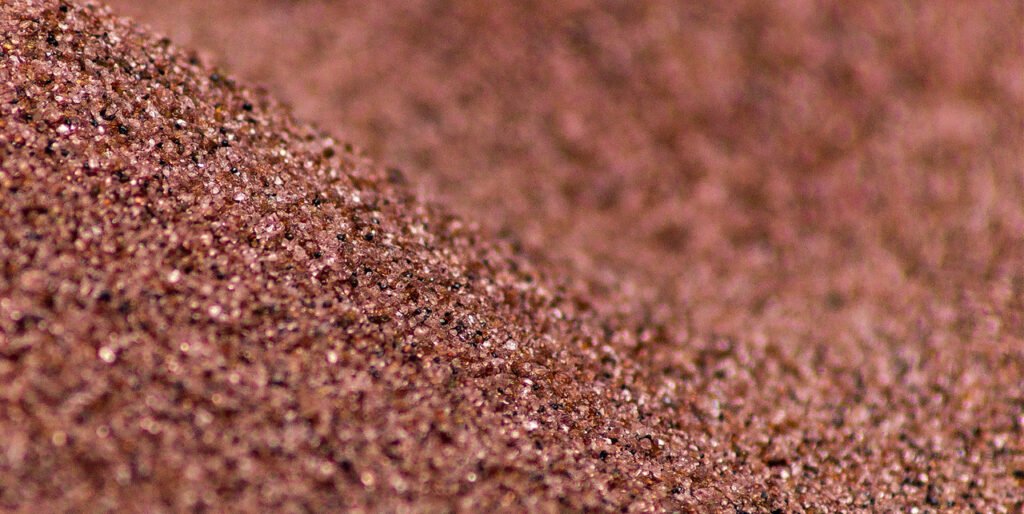
Garnet is the most widely used abrasive in abrasive waterjet cutting. In a waterjet system, high-pressure water accelerates garnet particles through the cutting nozzle to form a high-velocity abrasive jet. The process can cut metals, stone, glass, ceramics, and composite materials without generating a conventional heat-affected zone. Under suitable equipment and cutting conditions, waterjet systems can achieve cutting accuracy of around ±0.1 mm and produce relatively clean cut edges, reducing the need for subsequent grinding or finishing.
Almandine garnet is commonly selected for waterjet cutting because of its hardness, toughness, and angular particle shape. Its properties allow the abrasive to maintain effective cutting performance while passing through the high-pressure cutting system. Garnet waterjet abrasives are widely used in aerospace, automotive manufacturing, metal fabrication, stone processing, and other applications where controlled cutting and limited thermal damage are important.
Gemstones and Jewelry
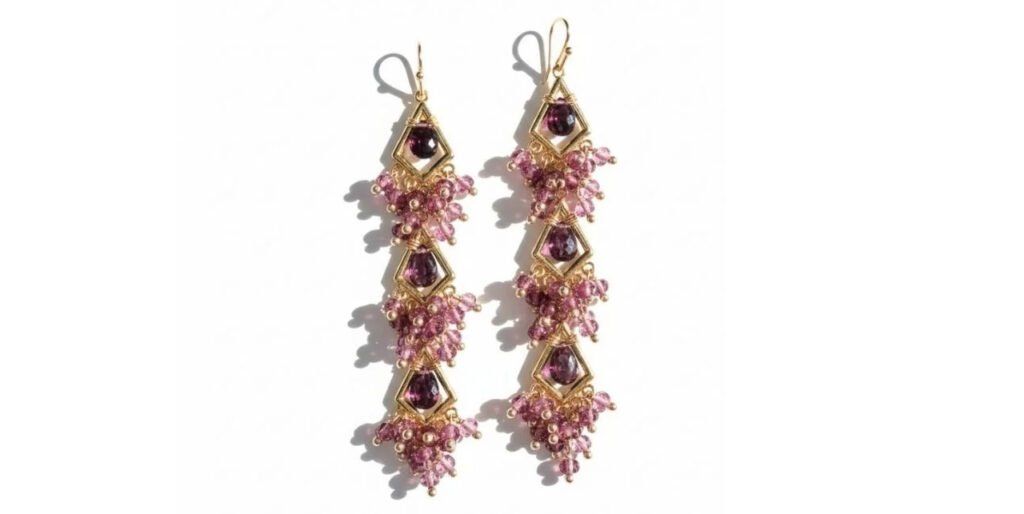
Transparent garnet crystals with attractive color and good clarity are cut and polished for use in rings, pendants, earrings, bracelets, and other jewelry. Garnet has been used as a gemstone for thousands of years. Archaeological finds from ancient Egypt provide evidence of its early use in jewelry and ornamental objects, including garnet artifacts associated with royal burials.
Garnet is the birthstone for January and is traditionally associated with the second wedding anniversary. Its red varieties have long been linked with love, passion, loyalty, and commitment, which has contributed to its popularity as a gift and jewelry stone. Garnet has also appeared in various historical accounts, artworks, and jewelry traditions across Europe and Asia.
The modern birthstone system assigns a gemstone to each month of the year. Garnet is traditionally associated with January, although the specific list of birthstones and their symbolic meanings varies among different traditions and jewelry organizations. The table below presents the commonly recognized birthstones and their associated meanings.
| Month | Corresponding Birthstone | Core Symbolic Meaning |
| January | Garnet | Ward off evil and protect the body, bring good luck, loyalty and strength |
| February | Amethyst | Honesty and peace |
| March | Aquamarine | Composure, courage, health and longevity |
| April | Diamond | Love and loyalty |
| May | Emerald | Kindness, luck and benevolence |
| June | Pearl | Prosperity and wealth |
| July | Ruby | Love, faithfulness and eternity |
| August | Peridot | Happiness and harmony |
| September | Sapphire | Loyalty, faithfulness and love, also known as the “stone of kings” |
| October | Tourmaline | Ward off evil, symbolizes strength, wealth and good luck |
| November | Topaz | Friendship and happiness, also the 16th wedding anniversary stone |
| December | Turquoise | Stone of success, brings courage and confidence |
Garnet prices vary considerably depending on the variety, color, clarity, size, and overall quality. Common almandine garnets are relatively abundant and generally affordable, while varieties such as tsavorite, demantoid, and color-change garnet are much rarer and can command substantially higher prices. Exceptional demantoid specimens can reach very high per-carat values, in some cases exceeding the price of diamonds of similar weight. Garnet is also valued for its natural appearance, and many gem-quality stones are sold without heat treatment intended to change their color.
Garnet has also been associated with various beliefs in traditional gemstone lore and modern crystal-healing practices. Some traditions attribute physical benefits to garnet, including support for circulation and general vitality, while others associate it with confidence, creativity, emotional balance, and relationships. Certain crystal-healing systems connect garnet with the Root Chakra and, for some varieties, the Heart Chakra. These claims are part of traditional or spiritual practices and are not established medical treatments or supported by clinical evidence.
Common practices include wearing garnet as jewelry, keeping it in a home or workplace, holding it during meditation, or placing it near the bed. Within crystal-healing traditions, these practices are believed to provide a sense of protection, security, relaxation, or focus. Such effects should be understood as cultural or personal beliefs rather than scientifically established health benefits.
Water treatment filtration media
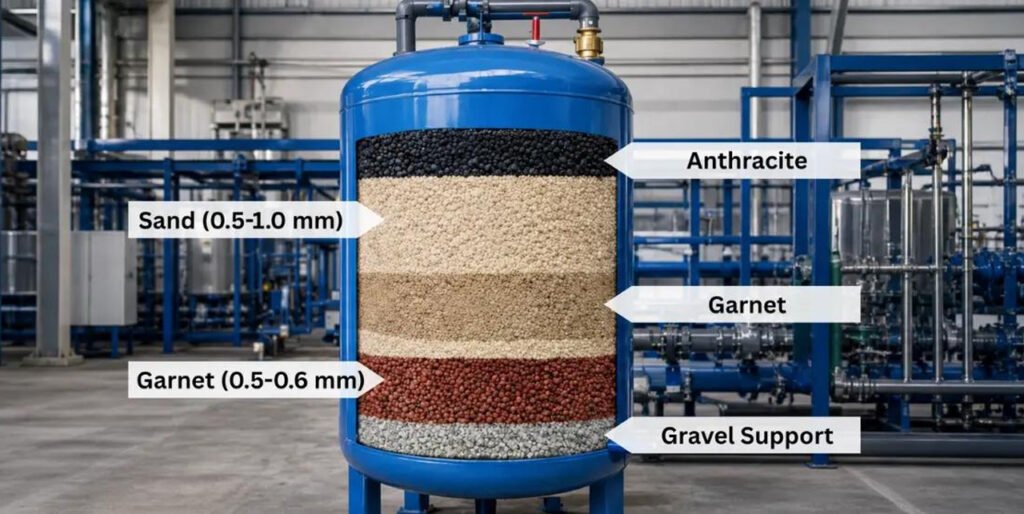
Garnet is used as a high-density filter medium in multi-layer filtration systems because of its chemical stability, high specific gravity, and controlled particle size distribution. It is commonly used as the bottom layer beneath anthracite and quartz sand, where the higher-density garnet remains in place during backwashing. Applications include municipal water treatment, industrial wastewater treatment, and pretreatment systems for seawater desalination.
The high specific gravity of garnet helps reduce media loss during backwashing, while its hardness provides good resistance to particle wear and breakage. In multi-layer filter beds, the different densities and particle sizes of garnet, quartz sand, and anthracite allow the media to be arranged in separate layers after backwashing. Reported filtration tests have shown improved turbidity removal when garnet is used as part of a multi-media filter bed, although performance depends on media size, bed configuration, water quality, and operating conditions.
Other industrial applications
- Precision Grinding and Polishing: Fine and ultrafine garnet powders can be used for precision grinding and polishing of optical components, semiconductor wafers, gemstones, and other hard materials.
- Wear-Resistant Functional Materials: Garnet can be incorporated into anti-slip flooring, wear-resistant coatings, brake materials, and other products where its hardness and abrasive properties help improve wear resistance and friction performance.
- Geological Research: Garnet is widely used as a geothermobarometer in metamorphic geology. Its chemical composition and mineral chemistry can provide information about the temperature and pressure conditions during rock formation, making garnet an important indicator mineral in metamorphic and regional geological studies.
Garnet Quality Assessment and Market Overview
Quality evaluation indicators
- Industrial-grade garnet: Quality is generally assessed based on chemical purity, particle size distribution, grain shape, iron oxide content, hardness, and resistance to breakdown. Blasting-grade material requires angular grains with good durability, while waterjet-grade garnet requires a consistent particle size and low levels of impurities. Filtration-grade garnet is selected mainly for its appropriate grain-size distribution, high density, and chemical stability.
- Gem-quality garnet: Value is determined by factors such as color, transparency, clarity, size, and cut quality. The preferred color depends on the garnet variety; vivid and well-saturated colors are generally more desirable within a given variety. Clarity is evaluated according to the number, size, and type of inclusions, while cut proportions affect brilliance and the overall appearance of faceted stones. Round, oval, emerald, and cushion cuts are commonly used for transparent material, whereas cabochon cuts can highlight optical effects such as asterism or color change. Rare optical effects, distinctive varieties, and, in some cases, documented geographic origin can add significantly to a stone's value. Rough garnet is also traded in some markets, particularly when the crystals have an attractive natural form or are suitable for collector specimens.
Market Overview
Industrial applications account for over 85% of global garnet production, while gemstone applications represent less than 15%. India, Australia, China, and South Africa are the primary producers of industrial garnet. In recent years, rising global demand for waterjet cutting and eco-friendly abrasive blasting has driven the garnet market to expand at an average annual rate of over 5%.
Resource endowment, extraction costs, and processing energy consumption are the key factors influencing product prices. Prices for high-end, gem-quality garnet fluctuate significantly based on origin and quality, whereas prices for industrial-grade garnet remain relatively stable, though they are notably influenced by shipping costs and the performance of downstream manufacturing sectors.
Care and Cleansing of Gem-Quality Garnet
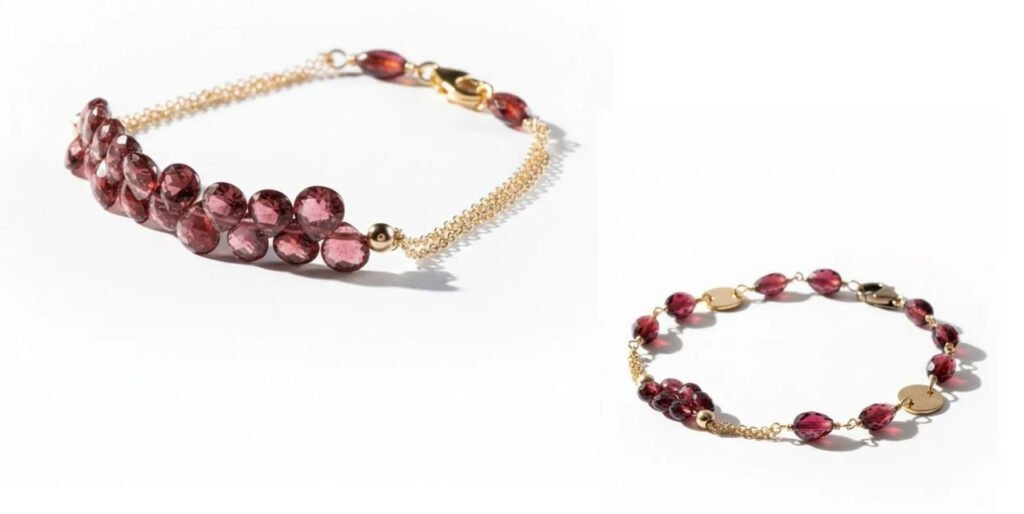
Garnet has a Mohs hardness of 6.5 to 7.5, making it a relatively durable gemstone; however, proper care is still required to maintain its appearance and structural integrity.
Physical Curing
For routine cleaning, use warm water and a mild soap. Gently clean the gemstone and its setting with a soft-bristled brush, then rinse with clean water and dry with a soft, lint-free cloth. For deeper cleaning, ultrasonic or steam cleaning should only be used when the stone and its setting are suitable for these methods; when in doubt, professional jewelry cleaning is recommended.
Avoid exposing garnet jewelry to strong acids, strong alkalis, bleach, and highly corrosive household cleaners, as these substances may affect the stone, setting, or surface appearance. Prolonged exposure to high temperatures or sudden temperature changes should also be avoided, particularly for stones with fractures or significant inclusions. Keep garnet away from harder gemstones and hard metal surfaces to reduce the risk of scratches, chips, or abrasion. For storage, place each piece separately in a lined jewelry box or soft pouch to prevent contact with other jewelry.
Traditional purification methods
In some gemstone and crystal-healing traditions, garnet is believed to absorb or retain negative energy and is therefore periodically “cleansed” or “recharged.” Common traditional practices include placing the stone in moonlight or indirect sunlight, using dry salt or grains, rinsing it with water, burning herbs such as sage or palo santo nearby, or placing it on a cluster of clear quartz or amethyst. The frequency varies among different traditions, with some practitioners recommending weekly cleansing or cleansing whenever the stone is believed to feel less energetic.
These practices are part of traditional and spiritual beliefs rather than scientifically established methods for changing the physical or energetic properties of garnet. From a jewelry-care perspective, prolonged direct sunlight, salt, water, heat, and other cleansing methods should be avoided unless they are known to be safe for the specific garnet variety, treatment, and setting.
Conclusion
Garnet is a group of silicate minerals with a wide range of industrial and gemological applications. Its hardness, chemical stability, density, and optical properties make it suitable for products ranging from abrasive media and filtration materials to gemstones. Industrial garnet processing commonly combines washing, screening, gravity separation, and magnetic separation, with the actual flowsheet determined by the mineral composition and impurity characteristics of the ore. For gem-quality material, processing places greater emphasis on selective recovery and careful sorting to minimize crystal breakage and preserve color, clarity, and other valuable characteristics.
Demand for garnet is supported by applications such as abrasive blasting, waterjet cutting, and multi-media filtration, as well as continued interest in colored gemstones. Future processing improvements are likely to focus on reducing energy consumption, improving automated sorting and pre-concentration, and recovering higher-value products from fine garnet materials. Optical sorting may also provide a useful method for separating selected gem-grade rough material where differences in color, transparency, or surface characteristics can be detected reliably.