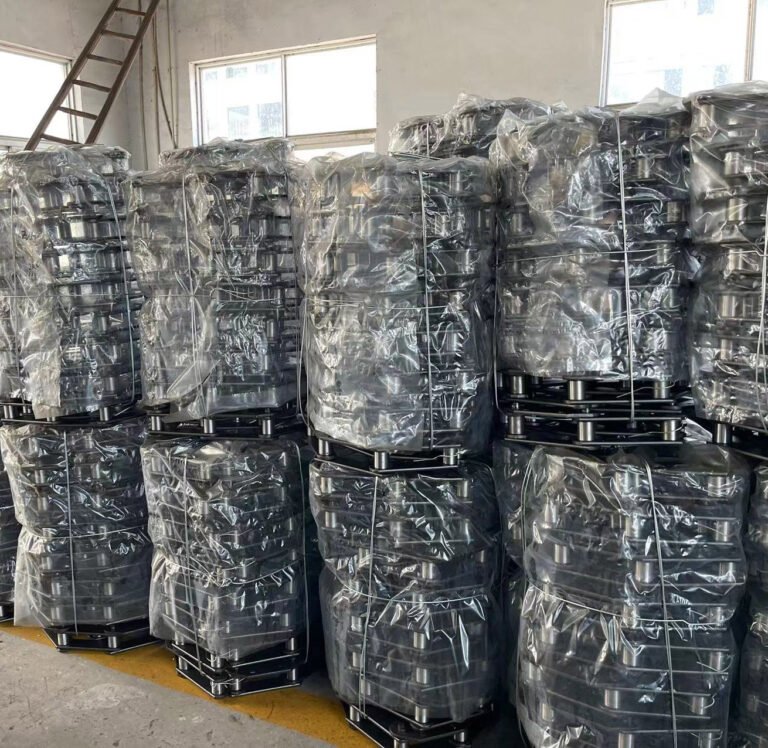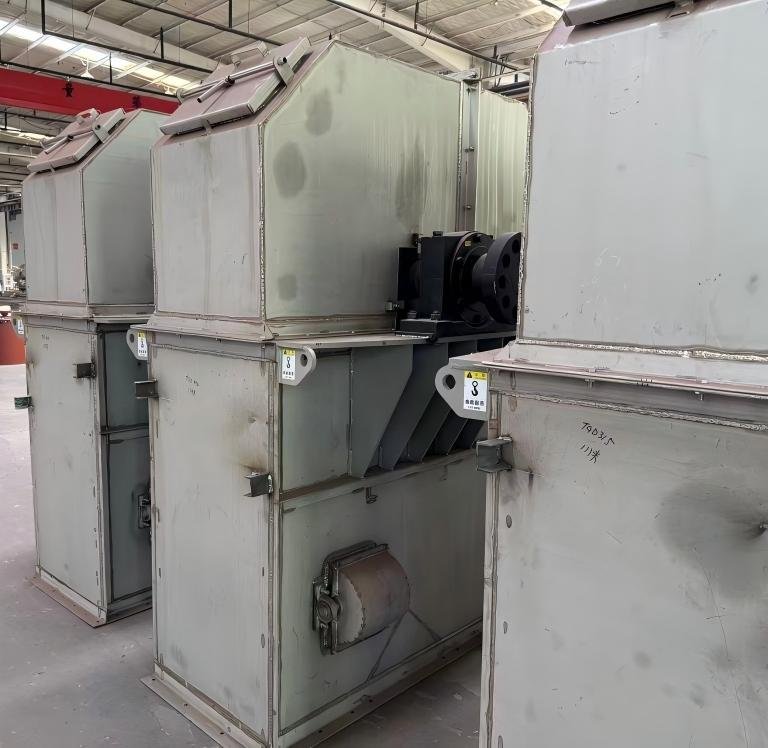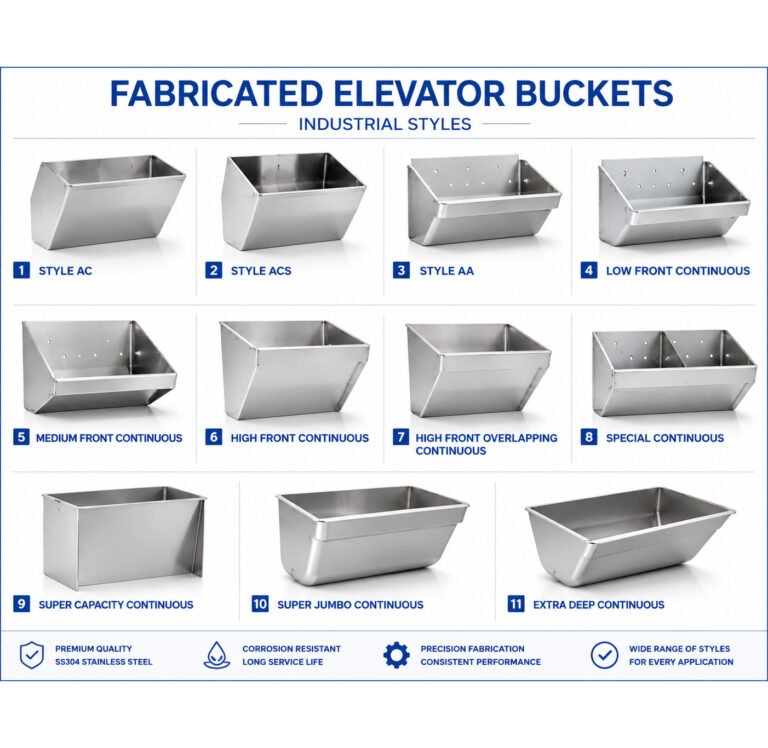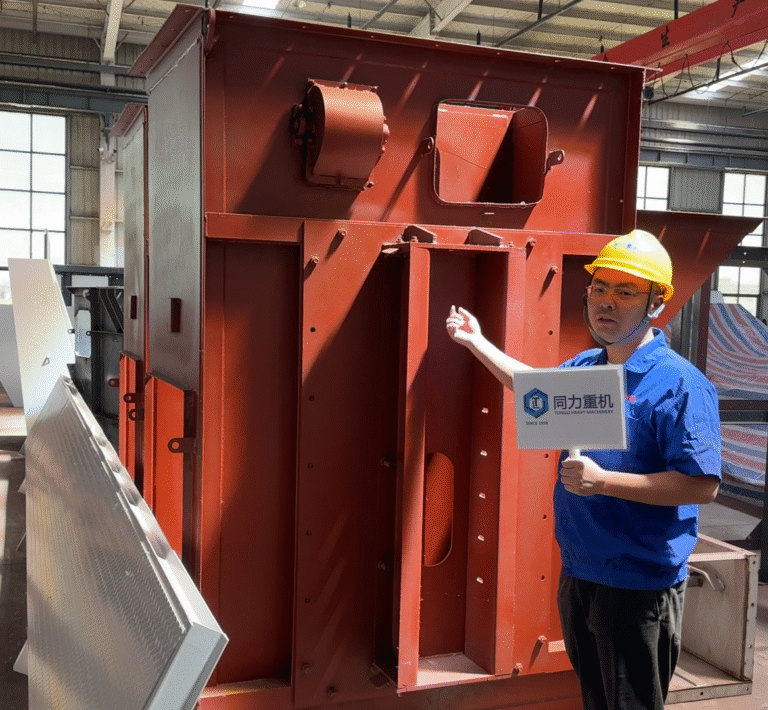







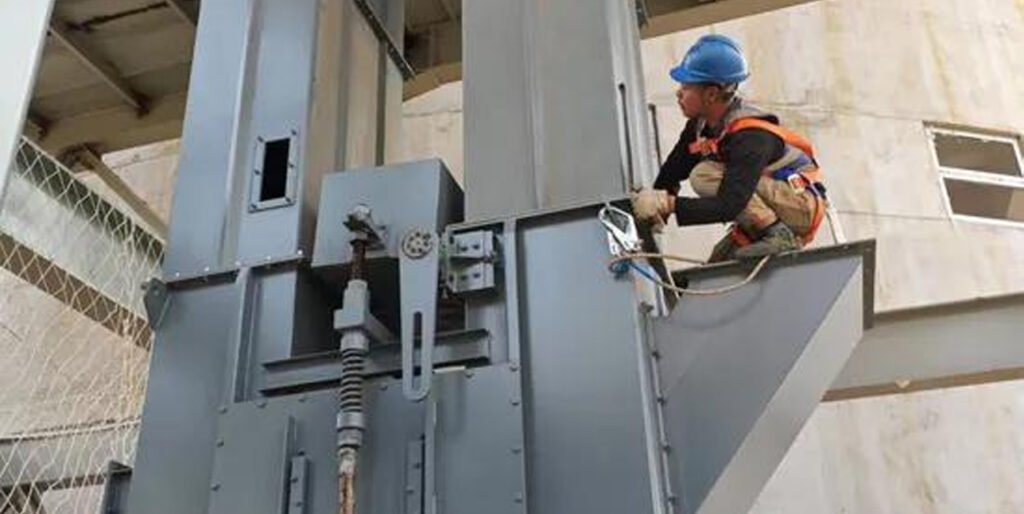
The bucket elevator (also known as a bucket conveyor) is a core piece of equipment for the vertical transport of bulk materials, widely used in industries such as mining, construction materials, chemicals, grain processing, food production, and pharmaceuticals. Although the equipment comprises a limited number of moving parts, the failure of any single component can halt the entire production line. This article systematically outlines preventive maintenance methods for bucket elevators, covering aspects such as inspection checklists, maintenance intervals, component upkeep, troubleshooting, and repair and safety protocols.
Why Bucket Elevator Maintenance Is Crucial
Bucket elevator failures rarely occur suddenly; rather, they are the result of a long-term accumulation of issues such as wear, loosening, and inadequate lubrication. Preventive maintenance transforms reactive emergency repairs into scheduled servicing, directly impacting costs, safety, and production continuity.
- From a cost perspective, the production losses incurred from a single hour of unplanned downtime often exceed the annual cost of preventive maintenance for the equipment. Failure to promptly replace a worn hopper can lead to conveyor belt misalignment; this misalignment accelerates wear on the pulley lagging, potentially causing the belt to tear and bringing the entire production line to a halt. This chain reaction is the fundamental reason why reactive maintenance costs far exceed those of preventive maintenance.
- From a safety standpoint, a loose hopper may detach during operation and strike the casing, generating metal fragments; meanwhile, bearings with failed lubrication can overheat, potentially acting as an ignition source when handling combustible dusts such as grain, coal, or chemical powders. Regular inspections allow these hazards to be eliminated before they escalate into accidents.
- Regarding equipment service life, maintaining proper tension on conveyor belts or chains, lubricating bearings on schedule, and promptly clearing material accumulations can extend the equipment's effective lifespan by several years. Furthermore, maintenance records provide essential data for predicting component longevity and planning the procurement of spare parts.
Bucket Elevator Maintenance Checklist
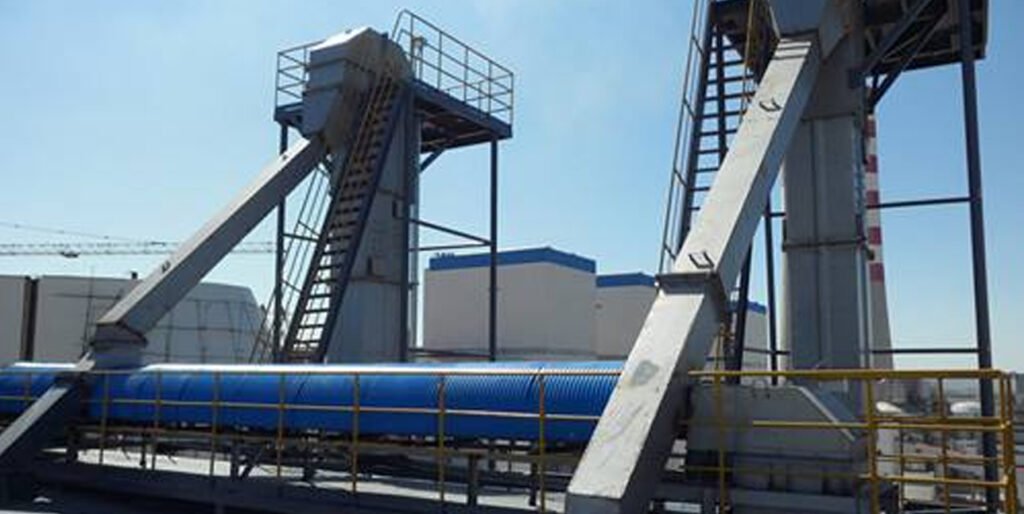
The following list serves as an operational template for daily inspections and periodic maintenance; items may be added or removed based on the equipment configuration (belt-driven or chain-driven) and the characteristics of the materials being processed.
In-service inspection (no shutdown required)
- Listen for abnormal noise, vibration, or sounds of metal-on-metal friction.
- Check the temperature of bearings and gear motors by touch or using sensors.
- Observe the discharge process to ensure it is normal and check for material carry-back.
- Inspect seals, access doors, and the feed area for material leakage.
- Verify that safety guards and emergency stop buttons are intact and properly in place.
Post-shutdown inspection (requires power disconnection and lockout/tagout)
- Check belt or chain tension; adjust if too loose or too tight
- Check that the belt runs centered on the pulleys and the chain is properly aligned
- Inspect the hopper leading edge for wear, cracks, deformation, and bolt tightness
- Check the head and tail pulleys (including lagging) for wear
- Inspect sprocket tooth wear and chain elongation
- Check gearbox oil level and quality
- Clear material accumulations from the base and discharge area
- Inspect electrical wiring, contacts, switches, and sensor functionality
- Inspect structural welds, anchor bolts, and fasteners
- Check the equipment's overall verticality and verify there is no structural leaning
Inspection and Operation Procedures for Bucket Elevators
Periodic inspections should be carried out in the following order to ensure that all critical components are covered and no safety aspects are overlooked:
- Shutdown and Isolation: Notify operators, perform a normal shutdown, and wait for all moving parts to come to a complete stop.
- Execute LOTO: Cut off the drive power supply and disconnect the control circuit; attach a padlock and warning tag at the lockout point; verify that the equipment cannot be started.
- Inspect Head Section: Open the head section access door; inspect the head pulley for wear and lagging condition; check key connections for tightness; inspect discharge chute liners and guide plates for wear.
- Inspect Traction Components: Inspect the belt for cover wear, exposed carcass plies, and splice condition; or inspect the chain for pin/bushing wear, elongation, and side plate cracks.
- Inspect Buckets: Inspect buckets section by section for leading-edge wear, cracks, deformation, and bolt tightness; realign any misaligned buckets.
- Inspect Boot Section: Clear accumulated material from the boot; inspect the boot pulley for wear; check the tensioning device for smooth sliding and synchronized tensioning on both sides.
- Inspect Bearings and Lubrication: Check head and boot bearings for temperature, clearance, and seal condition; verify grease status and replenish according to the schedule.
- Inspect Drive System: Check motor temperature and vibration; inspect gearbox oil level and quality; check drive chain or belt tension and wear.
- Inspect Alignment and Tension: Confirm the belt runs centered on the pulley or the chain runs centered on the sprocket teeth; adjust tension to the specified range.
- Cleanup and Restart: Clear internal material accumulation and dust; ensure no tools or foreign objects remain; reinstall guards; remove locks and restore power; perform a no-load test run to confirm normal operation.
Daily, weekly, monthly, quarterly, and annual maintenance cycles
The core of preventive maintenance lies in execution based on a set frequency. The intervals for different inspection items depend on component wear rates and operating environments. The following is a general framework for maintenance intervals; in actual practice, adjustments should be made based on equipment manuals and operating conditions.
| Inspection Item | Period | Shutdown Required? |
| Noise, vibration, and temperature monitoring | Daily | No |
| Leakage and discharge condition inspection | Daily | No |
| Belt/chain tension and alignment | Weekly | Yes |
| Hopper condition and internal cleaning | Weekly | Yes |
| Bearing lubrication | Weekly | Depends on lubrication point location |
| Chain drive oil level check | Every shift | No |
| Pulley lagging and sprocket wear measurement | Monthly | Yes |
| Drive unit and gearbox inspection | Quarterly | Yes |
| Structural welds and foundation bolt inspection | Quarterly | Yes |
| Equipment verticality check | Quarterly | Yes |
| Safety devices and interlock verification | Quarterly | Yes |
| Gearbox oil change | Annually or according to operating hours | Yes |
| Bearing replacement assessment | Annually or according to estimated service life | Yes |
| Belt/chain replacement assessment | Annually | Yes |
| Retorque of all fasteners | Annually | Yes |
For seasonally used equipment, the base must be thoroughly cleaned before each shutdown to prevent material from accumulating, absorbing moisture, and caking over time. During extended periods of inactivity, the equipment should be run idle for a short duration every two weeks to maintain belt flexibility and prevent the bearing grease from drying out.
Bucket Inspection and Replacement
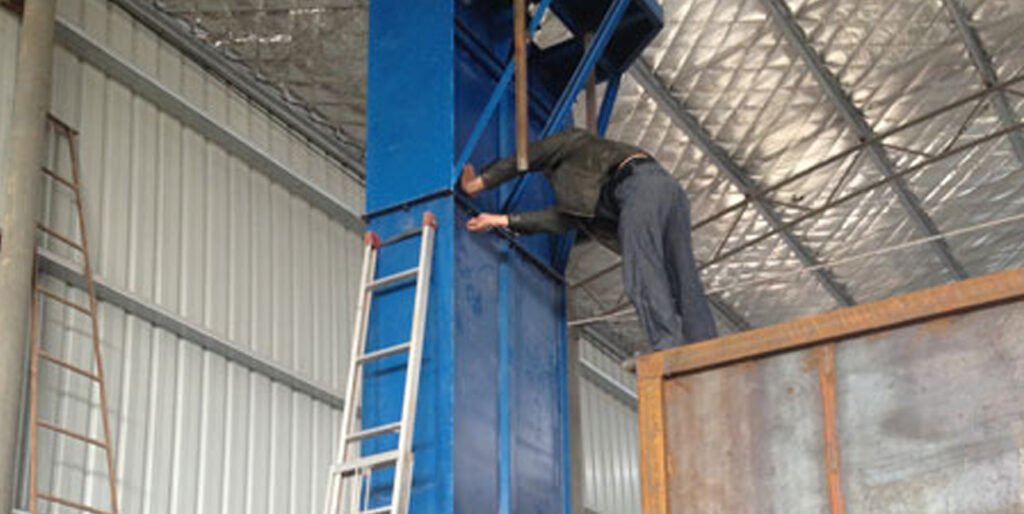
The hopper is the component that comes into direct contact with the material; the rate of wear depends on the abrasiveness of the material and the method of feeding. When inspecting the hopper, attention should be paid to the following aspects:
- Wear on the leading edge is the most common form of failure. Once the leading edge wears down, the bucket's scooping capacity and conveying throughput decrease; additionally, the worn surface may develop burrs that scratch the belt or chain. Replacement should be considered when the amount of wear exceeds one-third of the original thickness.
- Cracks and deformation are typically caused by impact loads or material jamming. Cracks may propagate from mounting holes, so special attention should be paid to the areas around the bolt holes during inspections. Deformed buckets may rub against the casing during operation, generating metallic noise and accelerating further damage to the bucket itself.
- Loose bolts cause the bucket to wobble during operation; prolonged wobbling enlarges the mounting holes and exacerbates localized damage to the belt or chain. Any looseness detected should be rectified immediately by tightening the bolts and checking the holes for deformation.
- Misaligned buckets should be corrected promptly to ensure they are evenly arranged on the same plane. When replacing buckets in batches, it is recommended to replace the entire section rather than individual units to maintain operational balance.
For highly abrasive materials (such as ore, clinker, and sand/gravel), the hopper inspection interval should be shortened to once a week, and the inventory of spare parts should be appropriately increased.
Belt-type Bucket Elevator Maintenance
Belt-type bucket elevators utilize rubber or fabric-core belts as the traction element and are suitable for low-to-medium lifting heights and materials with low abrasiveness. Maintenance focuses on three key areas: the belt itself, the pulleys, and belt tension adjustment.
- Conveyor belt wear inspections cover cover-layer wear, exposed carcass plies, edge wear, and longitudinal tears. When the cover layer wears through to expose the carcass plies, the belt's tensile strength has significantly decreased, and replacement should be scheduled. Continuous edge wear is often caused by belt mistracking; alignment must be corrected before assessing whether the belt remains fit for service.
- Pulley lagging serves to increase friction between the drive pulley and the belt. As lagging wears, friction decreases, potentially causing belt slippage—manifested as unstable conveying rates and heat generation at the drive pulley. If lagging wear is uniform, it can be re-lagged; however, if localized delamination occurs or groove depths exceed half the original thickness, the lagging or the pulley itself should be replaced.
- Belt splices are critical weak points; inspections should check for debonding, delamination, or loose bolts. Missing bolts in mechanical splices can lead to the splice separating during operation.
Internal cleaning of the belt elevator is equally important. Material accumulation in the bottom boot can shift the position of the tail pulley, leading to belt mistracking; meanwhile, material buildup in the discharge zone may fall back onto the return belt, imposing unintended loads.
Chain-type bucket elevator maintenance
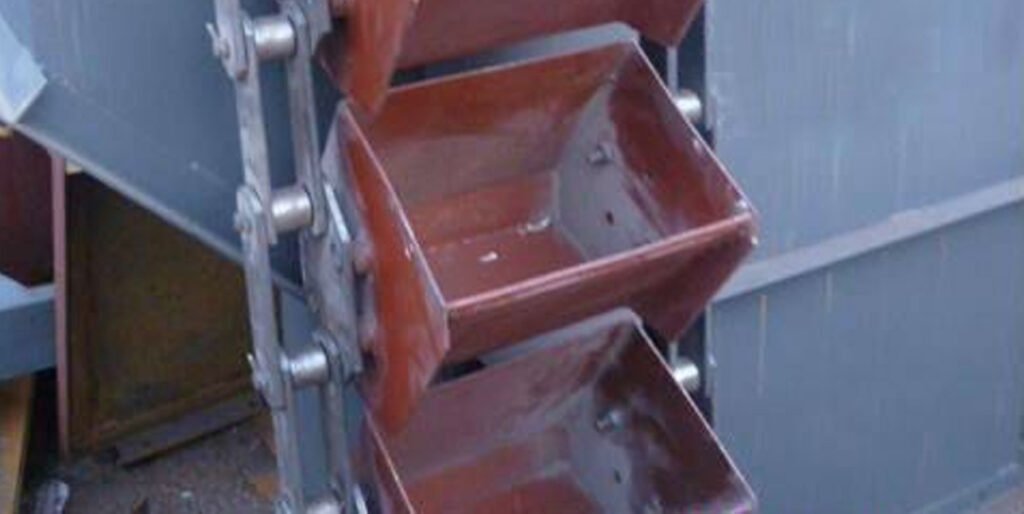
Chain-type bucket elevators utilize roller chains or plate chains as the traction mechanism and are suitable for applications involving high lifting heights, heavy loads, and abrasive materials. Key aspects of chain maintenance include controlling elongation and ensuring proper lubrication.
- Chain elongation is the cumulative result of wear on the pins and bushings. When elongation exceeds 2% to 3% of the original length, the engagement between the chain and sprockets deteriorates, leading to tooth skipping, impact loads, and uneven wear; the chain should be replaced at this stage. To measure elongation, the actual length of a section of the chain is measured while under tension and compared against the standard length.
- Chain lubrication methods include splash lubrication and forced lubrication. Splash lubrication relies on the rotation of the sprocket to carry oil from the bath onto the chain; the oil level must be checked regularly (via the sight glass on the side of the drive guard) to ensure it remains within the marked range before the start of each shift. If the oil becomes contaminated (e.g., with water, dust, or metal particles), it should be drained, and the system flushed and refilled. The chain may be removed and soaked in a non-flammable solvent to clear particles and moisture from the bushings, rollers, and side plates, then dried with compressed air before reinstallation.
- Sprocket inspection focuses on tooth profile wear. Normal wear results in uniform thinning of the tooth faces, whereas abnormal wear manifests as hook-like deformation at the tooth tips ("shark-fin" shape), typically caused by poor engagement resulting from chain elongation. Sprockets should be replaced if hook-like wear appears on three or more consecutive teeth. Sprockets and chains should be replaced simultaneously; otherwise, the engagement of a new chain with worn sprockets will accelerate the wear of the new chain.
- Chain slack is assessed by measuring the chain's sag. Excessive slack leads to unstable operation and tooth skipping, while insufficient slack increases the load on bearings and pins. Refer to the equipment manual for specific values.
Comparison of Maintenance Points for Belt-Type and Chain-Type Hoists
| Maintenance Dimension | Belt-type Bucket Elevator | Chain-type Bucket Elevator |
| Traction component | Belt tension, deviation (tracking), wear | Chain tension, elongation, lubrication |
| Drive method | Pulley / belt friction drive | Sprocket / chain meshing drive |
| Lubrication focus | Bearings, gearbox | Chain, bearings, gearbox |
| Common wear parts | Belt, buckets, lagging layer | Chain, sprockets, buckets |
| Alignment check | Belt runs centered on the pulley | Chain runs centered on the sprocket tooth width |
| Suitable materials | Medium-low abrasiveness, medium-small particle size | High abrasiveness, large particle size, heavy load |
Bearing lubrication
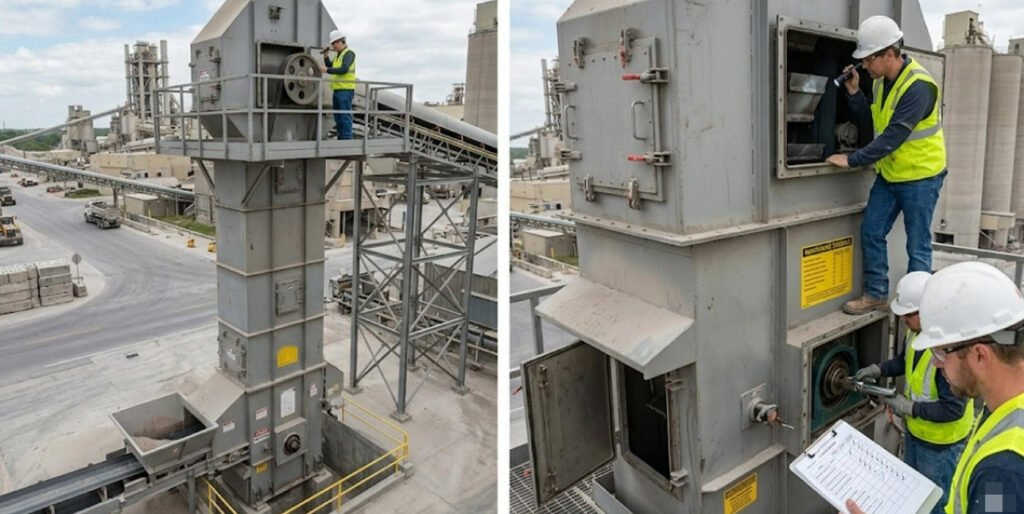
Bucket elevators typically have four main bearing lubrication points: two at the head and two at the bottom (tensioning) end. Some large-scale units feature additional lubrication points at the drive end and auxiliary supports.
Under normal operating conditions, bearings should be lubricated at least once a week. Lubrication frequency should be increased in high-temperature environments, during continuous operation, or when handling abrasive dust. Lubricant selection is based on operating temperature and load; using the wrong grade of grease is just as detrimental as a lack of lubrication—excessive viscosity increases running resistance and causes overheating, while insufficient viscosity fails to form an effective lubricating film.
Over-lubrication is another common issue. Excess grease in the bearing cavity causes heat buildup due to churning, accelerates grease degradation, and may damage seals. The fill quantity per application should ideally be one-third to one-half of the bearing cavity volume, or follow the specific weight (in grams) prescribed in the equipment manual.
Key precautions during lubrication include: - Cleaning the grease nipple to prevent dust from entering the bearing with the grease - Applying pressure slowly when using a manual grease gun to avoid seal damage from excessive pressure - Monitoring bearing temperature changes after lubrication; if the temperature continues to rise, check for over-lubrication or bearing wear - Using food-grade lubricants for any lubrication points that may come into contact with the product in food and pharmaceutical industries.
It is recommended to post a lubrication chart near the equipment, clearly indicating the location, lubricant grade, fill quantity, and frequency for each lubrication point to minimize omissions and errors.
Chain and Sprocket Drive Lubrication
The chain drive lubrication system operates independently of the main bearing lubrication. The drive unit utilizes splash lubrication; the oil level is checked via a sight glass or oil gauge, and it must be verified to be within the normal range at the start of each shift. An excessively low oil level results in insufficient lubrication for the sprockets and chain, accelerating wear on the pins and bushings, while an excessively high level increases agitation resistance and raises the oil temperature.
- The oil should be inspected regularly for contamination. Moisture ingress can cause emulsification, while metal particles and dust accelerate wear. If contamination is detected, drain the old oil completely, flush the housing with clean oil, and refill with fresh oil to the specified level.
- When removing and cleaning the chain, soak it in a non-flammable cleaning solution to dissolve and dislodge contaminants from the bushings, rollers, and side plates. After cleaning, blow the chain dry with compressed air from multiple directions to ensure no residual liquid remains inside. Once dry, briefly soak the chain in lubricating oil to allow the lubricant to penetrate the bushing clearances, then let it drain before installation.
- Sprocket tooth surfaces should also be cleaned to remove oil sludge and particles from the tooth gaps. Inspect the sprocket teeth for pitting, cracks, and abnormal wear. For sectional sprockets, the torque of the connecting bolts should be checked regularly.
Head Section Maintenance
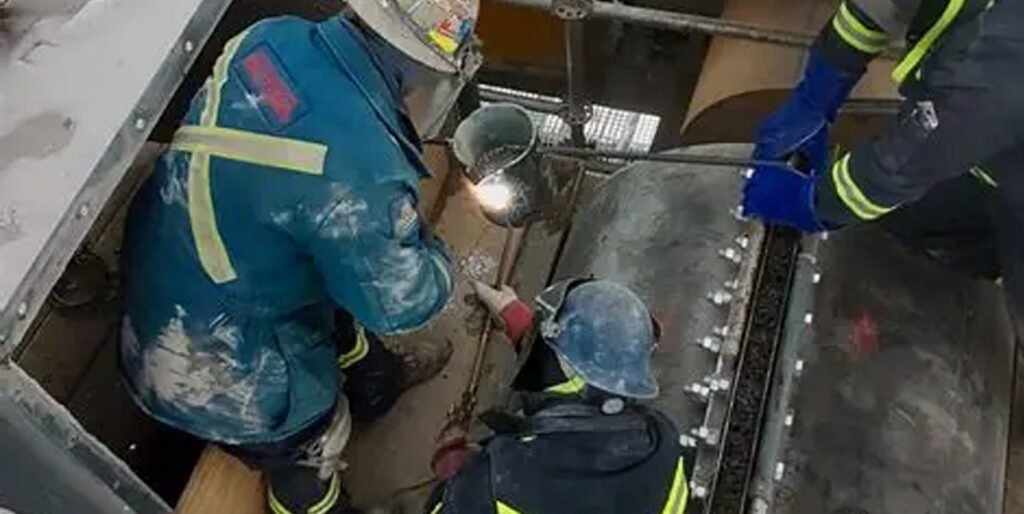
The head section of the bucket elevator comprises the drive unit, head pulley, discharge chute, and head bearings; it serves as the equipment's power output and material discharge point.
- Inspections of the head pulley cover wear, the condition of the lagging (if present), and the tightness of the key connection are essential. Uneven wear on the head pulley can cause unstable operation of the belt or chain. A loose key fit can generate impact noise and accelerate shaft wear.
- For the discharge chute, inspect for liner wear and material buildup. Poor discharge leads to increased material carry-back, where material is transported back to the boot section, resulting in inefficient cycling and accumulation at the bottom. If chute liners wear through, material will directly impact the casing; therefore, liners should be repaired or replaced promptly. The adjustable discharge lip should be inspected for wear one month after commissioning, followed by periodic checks and replacement as necessary.
- Head bearing temperature and vibration serve as direct indicators of operating status. A sudden rise in bearing temperature usually signals lubrication failure or spalling damage. Increased vibration may be linked to excessive bearing clearance, shaft misalignment, or head pulley imbalance.
The head section is typically located at a high elevation; inspections involve working at heights, and relevant safety protocols must be strictly observed.
Base Maintenance
The bottom boot is the section where material enters the elevator and is the area most prone to material accumulation and jamming.
- The bottom pulley and the tensioning mechanism are central to maintenance at the base of the unit. The tensioning mechanism must slide freely without binding. For screw or counterweight tensioning systems, the mechanism should operate within its effective travel range, maintaining sufficient adjustment margin to compensate for the normal elongation of the belt or chain. Adjustments on both sides of the tensioning mechanism must be synchronized to keep the bottom pulley level; failure to do so can cause the belt or chain to mistrack.
- Material accumulation at the bottom is a common issue. If material builds up, the bottom pulley becomes buried, increasing running resistance and potentially causing belt slippage or chain skipping. Sticky or damp materials are particularly prone to clumping and accumulation. Accumulated material should be cleared during weekly inspections, and equipment scheduled for seasonal shutdown must be completely emptied before being taken out of service.
- Inspect the inlet for liner wear and check the positioning of guide plates. The feed direction should align with the direction of bucket travel to prevent material from directly impacting the bucket sidewalls, which could cause deformation and premature wear.
- Bottom bearings and tensioning bearings also require periodic lubrication. Given the dusty and damp environment at the base—conditions that can easily compromise seals—inspect bearing housings for signs of material ingress or grease leakage.
Belt tension and alignment
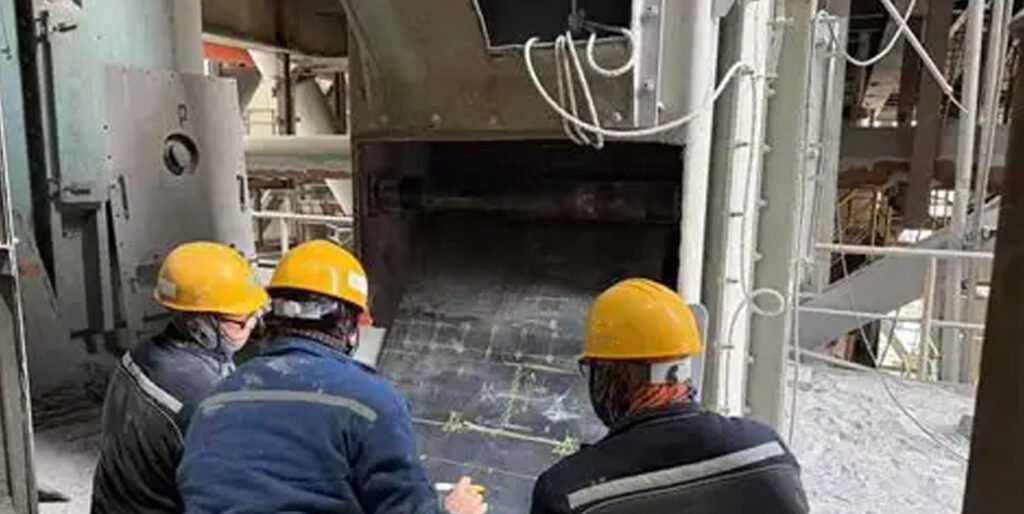
Belt tension and alignment are two key parameters affecting the reliability of belt-type elevators, yet they are the adjustments most frequently overlooked.
- Tension Adjustment Principles: The belt tension should be set to the minimum value required to prevent the drive pulley from slipping. If the tension is too low, the belt slips on the drive pulley, reducing conveying capacity; frictional heat accelerates wear on the belt and pulley lagging, and in severe cases, the belt may derail. If the tension is too high, bearing loads increase, bearing service life is shortened, and stress concentrations occur at the belt joints.
- Adjustment Method: Adjust synchronously using the tensioning devices on both sides; avoid making large adjustments at once. After an adjustment, run the system for a few minutes to observe its condition before deciding whether further adjustment is necessary.
- Centering Check: The belt should run centrally over the head and tail pulleys. To check this, observe the distance between the belt edge and the pulley edge while the system is running; the distances on both sides should be roughly equal. If the belt consistently drifts to one side, first check if the tail pulley is level, then check if the head pulley shaft and tail pulley shaft are parallel.
- The hazards of belt mistracking are cumulative: if one edge of the belt continuously rubs against the casing or pulley flanges, it causes wear on the cover layer and damage to the carcass plies; the loading hopper on that side also suffers uneven wear due to off-center loading. Correcting mistracking early can prevent the majority of belt-related failures.
Chain tension and centering
Tension adjustment for chain-type elevators is achieved via a bottom tensioning mechanism; while similar to that of belt-type elevators, the focus differs.
- After adjusting the chain tension, measure the sag of the slack side; sag within the specified range indicates proper tension. Excessive sag may cause the chain to skip teeth at the head sprocket, while insufficient sag increases the load on pins and bushings, accelerating wear.
- Check the chain alignment to ensure it runs along the center of the sprocket tooth width. Misalignment causes the side plates to rub against the sides of the sprocket teeth, accelerating side plate wear and causing uneven wear on the sprocket tooth faces. Poor alignment is usually caused by a lack of parallelism between the head and tail sprocket shafts or inconsistent adjustment of the tensioning devices on either side.
- Relationship between chain elongation and tension: Chains gradually elongate over time, requiring continuous adjustment of the tensioning device to compensate. When the tensioning device reaches the limit of its travel but the chain continues to elongate, the chain must be replaced; it cannot be kept in service by removing links, as doing so alters the meshing phase between the chain and sprockets, thereby accelerating wear.
Common Bucket Elevator Problems and Troubleshooting
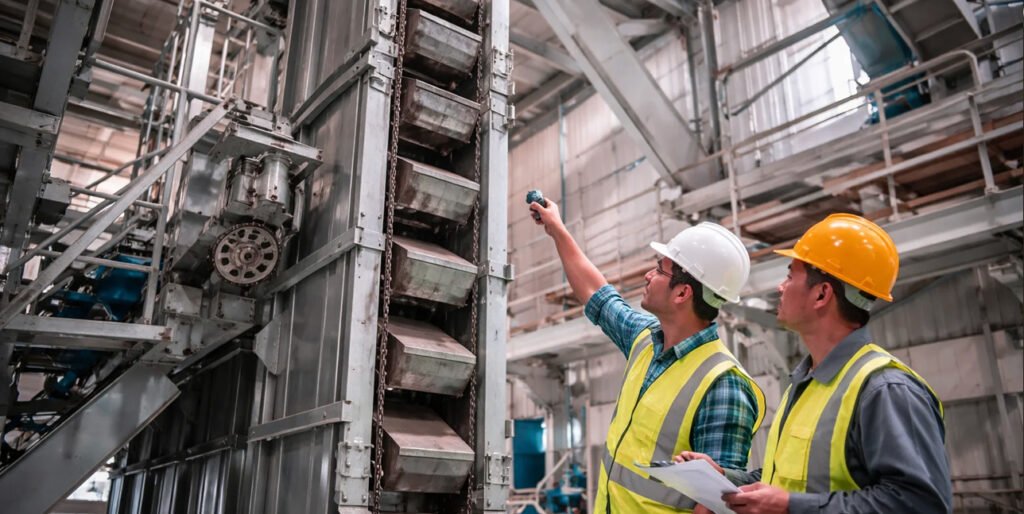
The causes of most bucket elevator malfunctions can be identified based on their symptoms. Timely diagnosis and repair can prevent minor issues from escalating into a complete system shutdown. The following table lists common symptoms, possible causes, and corrective measures.
| Symptom | Possible Causes | Corrective Actions |
| Reduced conveying capacity | Bucket leading edge wear; incomplete discharge; low rotational speed; belt slipping | Measure bucket wear; check discharge chute/baffle position; verify drive speed; adjust belt tension |
| Repetitive metallic noise | Loose buckets; belt or chain misalignment; foreign objects inside the casing | Stop and locate the noise source; tighten or replace buckets; correct alignment; remove foreign objects |
| Belt derailment | Insufficient tension; pulley misalignment; worn guiding devices | Adjust tension; correct pulley parallelism; replace guiding components |
| Chain jumping teeth | Excessive chain elongation; worn sprocket tooth profile; insufficient tension | Measure chain elongation and replace if exceeding limit; inspect sprocket wear; adjust tension |
| Bearing overheating | Insufficient or excessive lubrication; bearing wear; shaft misalignment | Lubricate according to procedure; check bearing clearance; correct shaft alignment |
| Material jamming at bottom boot | Residual material in boot at startup; overfeeding; excessive material viscosity | Empty the boot before starting; control feed rate; increase cleaning frequency |
| Carry-back (return of material) | Speed mismatched with material; improper discharge baffle position; deformed buckets | Adjust speed according to discharge mode; adjust baffle clearance; replace deformed buckets |
| Abnormal vibration | Bearing wear; detached or unbalanced buckets; loose foundation | Inspect bearings; check all buckets; tighten foundation bolts |
| Reduced drive motor power | Motor fault; transmission slipping; increased load due to boot jamming | Check motor temperature and current; inspect drive tension; clear material accumulation at bottom |
| Burnt rubber smell | Belt slipping and friction; belt over-tensioned | Adjust tension; inspect pulley lagging |
The machine must be shut down immediately—and must not continue to operate while awaiting the next inspection—if any of the following symptoms occur: repetitive metallic knocking sounds, continuous belt mistracking causing friction, a sudden rise in bearing temperature, an unexplained sharp drop in conveying capacity, or a smell of burning at the drive or transmission assembly.
Bucket Elevator Wear Parts and Replacement
The wear parts of a bucket elevator are components that gradually wear down during normal operation and require periodic replacement. Familiarity with the list of wear parts and the criteria for determining when to replace them forms the foundation of spare parts management and planned maintenance.
Key wear parts include: - Buckets and bucket bolts - Belts or chains - Sprockets - Head and tail pulleys (including lagging) - Bearings - Pulley lagging - Internal gearbox components - Seals and gaskets - Discharge chute liners
Determining the Timing for Replacement
| Component | Replacement Criteria |
| Bucket | Leading edge wear exceeds 1/3 of original thickness; cracks appear; mounting holes deformed |
| Belt | Cover layer worn through exposing fabric/ply; longitudinal tear; joint delamination |
| Chain | Elongation exceeds 2%–3% of original length; severe wear of pins or bushings |
| Sprocket | Hook-shaped wear on more than 3 consecutive teeth; tooth thickness wear exceeds 30% |
| Bearing | Clearance exceeds limit; abnormal operating noise; continuously elevated temperature |
| Lagging layer | Groove depth exceeds 1/2 of original thickness; local peeling |
| Liner plate | Worn through (perforated) or thickness less than 1/3 of original |
Recommended spare parts inventory includes: a hopper matching the installed model, hopper fasteners, bearings for critical points, high-wear drive components, and seals and gaskets for sanitary applications. Spare parts availability directly determines the duration of downtime caused by malfunctions: repairs can be completed in hours with parts on hand, whereas a lack of parts could result in a wait of several days.
When replacing components, the replacement date, operating hours, wear condition, and reason for replacement should be recorded; this data is used to predict the timing of future replacements and optimize spare parts inventory.
Bucket Elevator Maintenance Safety and LOTO
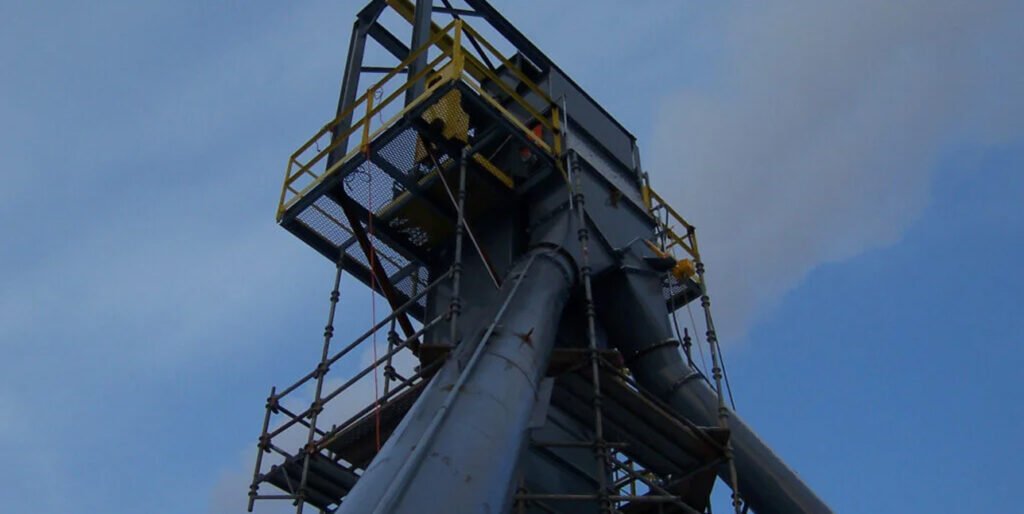
Most serious accidents during bucket elevator maintenance stem from the equipment unexpectedly starting up while work is being performed. Any task involving opening access doors, coming into contact with moving parts, or entering the equipment's interior requires the implementation of lockout/tagout procedures.
Standard LOTO Procedure
- Notify operators and relevant personnel that equipment maintenance is about to begin.
- Perform a normal shutdown and wait for all moving parts to come to a complete stop.
- Disconnect the drive power supply; apply a lock and a warning tag to the power switch.
- Verify that the equipment cannot be started (attempt to start, then immediately reset).
- Confirm that mechanical energy has been released (e.g., residual tension in belts or chains, gravitational potential energy of materials).
- Upon completion of the work, remove the lock and tag, restore power, and notify personnel.
Other safety precautions
- Electrical isolation: Not only must the main power supply be cut off, but control circuits must also be disconnected to prevent accidental startup triggered by remote signals.
- Protective guards: All guards removed during maintenance must be reinstalled before restarting the machine; operation without guards is prohibited.
- Work at heights: Inspections of upper sections are typically performed at height; certified access equipment and fall protection devices must be used.
- Confined spaces: Entering the machine casing constitutes work in a confined space; required permit procedures—including gas testing, ventilation, and dedicated monitoring—must be followed.
- Dust explosion: When handling combustible dusts such as grain, coal, fertilizer, or chemical powders, dust clouds generated during maintenance can explode if exposed to an ignition source. Accumulated dust must be cleared before work begins; open flames and non-explosion-proof electrical equipment are prohibited, and explosion-proof tools must be used.
- Personal Protective Equipment (PPE): Wear appropriate PPE—such as hard hats, safety glasses, gloves, dust masks, and safety shoes—based on the work environment.
Equipment abnormalities (such as unusual noise, odors, excessive wear, damage, or malfunctions) must be reported and documented immediately; operating the equipment while it is in a defective state is prohibited. All inspection, maintenance, lubrication, and adjustment activities must be recorded; records must include the date, consumables used, the condition of components, and the operator's signature.
The operation and maintenance of the bucket elevator must be performed by trained personnel. Untrained individuals are unfamiliar with the equipment's structure, hazard points, and emergency procedures; improper operation could result in equipment damage or personal injury. Training must cover equipment structure and operating principles, routine inspection methods, lubrication procedures, identification of common faults, Lockout/Tagout (LOTO) procedures, and emergency response.
Maintenance requirements for various types of bulk materials
Material characteristics directly determine the wear rate, cleaning frequency, and safety risks. Maintenance schedules should be tailored accordingly when the same model of hoist handles different materials.
| Material Type | Main Maintenance Risks | Adjustment Measures |
| Cement / Clinker | High abrasiveness; rapid wear of buckets and belt | Shorten bucket inspection interval to weekly; increase spare parts inventory; inspect internal liners |
| Minerals / Ores | Severe abrasion; high impact loads | Check buckets for deformation and cracks; strengthen feed guidance; evaluate heavy-duty buckets |
| Fertilizers | Corrosive + hygroscopic; material tends to cake and accumulate | Increase bottom cleaning frequency; inspect anti-corrosion coatings; monitor seal aging |
| Grain | High dust; dust explosion risk | Regularly clean dust accumulations; check explosion-proof devices and grounding; prohibit open-flame work |
| Coal | Dust + spontaneous combustion / explosion risk | Control bearing and motor temperatures; clear accumulated coal to prevent spontaneous combustion; inspect explosion-proof electrical equipment |
| Sticky materials | Bottom accumulation and jamming | Clean the boot after each operation; check anti-stick design of feed inlet; increase cleaning frequency |
| Food products | Hygiene requirements; cross-contamination risk | Use food-grade lubricants; check gasket integrity; clean buckets with soft brushes, avoid corrosive chemicals; wipe casing with damp cloth then dry to prevent rust; include cleaning records in traceability system |
Abrasive materials accelerate the wear of hoppers, belts, and lagging; consequently, inspection frequency should be increased and spare parts inventory expanded. For sticky or moist materials, the focus should be on internal cleaning to prevent accumulation that could cause belt imbalance or contamination. In the food and pharmaceutical industries, maintenance protocols must incorporate seal verification, inspections of product-contact surfaces, and cleaning records. In chemical processing and combustible dust environments, the inspection of anti-static components and seals is a safety requirement, not merely a matter of mechanical maintenance.
The general principle is that the more demanding the material or industry requirements, the more structured the maintenance plan should be. However, even a basic plan—if consistently executed—will yield better results than a comprehensive plan that is implemented irregularly.
How to Extend the Service Life of a Bucket Elevator
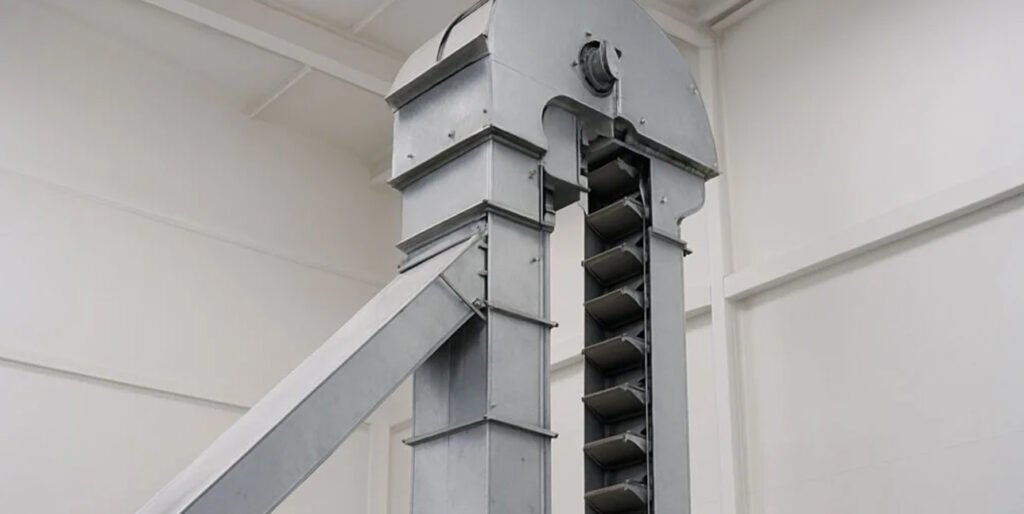
The service life of the equipment depends on daily operation and maintenance practices. The following measures have been validated through industrial practice and can effectively extend its service life:
- Avoid overloading: Keep the feed rate within the designed conveying capacity; instantaneous overloads can shock the buckets, belt, and drive system.
- Maintain proper belt/chain tension: Improper tension is the primary cause of premature failure in bearings and traction components.
- Ensure bucket alignment: Misaligned buckets cause uneven loading and vibration, accelerating wear on all moving parts.
- Prevent material accumulation: Material buildup at the bottom and discharge zones increases running resistance and causes belt/chain mistracking.
- Lubricate according to protocol: Use the correct grade of lubricant and apply the right amount at the scheduled intervals; avoid missed or excessive lubrication.
- Replace worn parts early: Replacing worn components before failure prevents cascading damage (e.g., a worn bucket scratching the belt).
- Ensure uniform feeding: Avoid off-center loading and prevent large lumps of material from directly impacting the buckets.
- Control operating speed: Excessive speed leads to incomplete discharge and material carry-back, while low speed reduces conveying efficiency; operate according to design parameters.
- Keep head and tail sections clean: Minimize material-induced corrosion of the structure and interference with moving parts.
- Conduct scheduled inspections: Regular inspection is the only reliable way to detect potential issues at an early stage.
Accumulating maintenance records helps identify equipment wear patterns, shifting the replacement strategy from "replace upon failure" to "replace at the end of service life," thereby avoiding unexpected breakdowns and excessive maintenance.
When should the entire bucket elevator be replaced?
While maintenance can extend equipment lifespan, equipment is subject to limits regarding its economic and technical service life. The feasibility of replacing the entire unit should be evaluated under the following circumstances:
- Severe structural corrosion: Casing wall thickness has thinned by more than 30% due to corrosion, or structural deformation or tilting has occurred.
- Cumulative costs from repeated major overhauls: Frequent replacement of belts/chains, bearings, or drive units within a single year, with cumulative repair costs approaching a significant percentage of the cost of new equipment.
- Inability to meet production requirements: Conveying capacity, lifting height, or material compatibility cannot meet current process requirements even through retrofitting.
- Unresolvable safety hazards: Fundamental safety defects such as insufficient structural strength, failure to meet explosion-proof standards, or the inability to retrofit safety guards.
- Difficulty in sourcing spare parts: The equipment model has been discontinued, and lead times for critical spare parts are excessively long or the parts are unavailable.
- Excessively high energy consumption: Low drive efficiency in aging equipment, with a widening gap in operating energy consumption compared to new equipment.
Replacement decisions should be based on a life-cycle cost analysis that compares the cumulative costs of continued maintenance against the costs of purchasing, installing, and commissioning new equipment, as well as the projected energy savings. For equipment still within its service life, priority should be given to restoring performance through component replacement and technical upgrades.
Maintenance Records and Traceability
Every maintenance intervention must be documented. The records should include: the date of the work, equipment ID, type of work (inspection, lubrication, adjustment, or replacement), components involved, names and quantities of replacement parts, a description of component wear, and the signature of the personnel performing the work.
The value of maintenance records lies in three areas:
- Trend Analysis: By analyzing historical data to identify component wear rates and predict the next replacement time, maintenance shifts from reactive response to proactive planning.
- Failure Traceability: In the event of a failure, reviewing maintenance records helps determine if management-related issues—such as missed lubrication, failure to adhere to inspection schedules, or improper adjustments—were contributing factors.
- Compliance Audits: Regulated industries, such as food and pharmaceuticals, require equipment maintenance records to be traceable and demand complete maintenance logs during audits. A Computerized Maintenance Management System (CMMS) can automate record-keeping and notifications; even a well-maintained spreadsheet can meet basic needs—the key is ensuring that equipment knowledge does not rely solely on an individual's memory.
It is recommended to track three core metrics to measure maintenance effectiveness: - Availability: The percentage of scheduled production time during which the equipment is actually running - Mean Time Between Failures (MTBF): The average operating time between failures; a higher value indicates more effective preventive maintenance - Mean Time To Repair (MTTR): The average duration from the occurrence of a failure to the resumption of operation, reflecting spare parts availability and the efficiency of the repair process.
Under normal operating conditions, at least once a week. The frequency should be increased for high-temperature, continuous operation, or dusty environments. Refer to the equipment manual for specific intervals and lubricant quantities; using the wrong lubricant or over-lubricating is just as harmful as under-lubricating.
First, check if the bottom pulley is level and if the tensioning devices on both sides are synchronized. Then, check if the head pulley shaft and bottom pulley shaft are parallel. When adjusting, make small incremental changes to the tensioning devices, observe the effect after running for a few minutes, and correct gradually. Persistent misalignment may be caused by uneven wear on the pulley lagging or deformation of the belt itself; further inspection is required.
Generally, the chain should be replaced when elongation reaches 2% to 3% of its original length. At this stage, the engagement between the chain and sprockets deteriorates, leading to tooth skipping and impact loads. To measure, take a section of the chain under tension, measure its actual length, and compare it with the standard length to calculate the elongation rate.
Check if the feed rate is excessive, if the feed direction aligns with the bucket travel direction, and if discharge is normal (material fallback increases the volume at the bottom). Increase cleaning frequency for sticky materials and empty the casing after each run. Check for moisture protection measures at the bottom; material absorbing moisture and clumping is a common cause of accumulation.
Preventive maintenance is more economical. The combined costs of production losses from unplanned downtime, premium labor rates for emergency repairs, and additional replacement costs due to cascading component damage usually far exceed the cost of preventive maintenance. Preventive maintenance transforms uncontrollable breakdown costs into controllable, planned expenses.
Only visual and auditory inspections (noise, vibration, temperature, leakage, discharge status) can be performed during operation. Operations involving opening access doors, contacting moving parts, measuring tension, or lubricating internal components require shutting down the machine and executing Lockout/Tagout (LOTO) procedures first.
Food-grade lubricants must be used for lubrication points that may come into contact with the product; the integrity of seals and gaskets must be checked regularly to prevent lubricant leakage and product contamination; records of cleaning and disinfection for product-contact surfaces must be included in maintenance logs; and after maintenance, it must be verified that no tools, spare parts, or foreign objects remain inside the equipment.
Conclusion
Bucket elevator maintenance is a systematic process encompassing daily inspections, routine servicing, component replacement, troubleshooting, and safety management. Establishing scheduled checklists, maintaining proper tension and alignment, lubricating according to specifications, promptly replacing wear parts, and strictly adhering to safety protocols form the foundation for the equipment's long-term, stable operation. Furthermore, the accumulation of maintenance records and the tracking of key performance indicators enable the maintenance team to shift from an experience-based approach to a data-driven one, continuously optimizing maintenance strategies.