
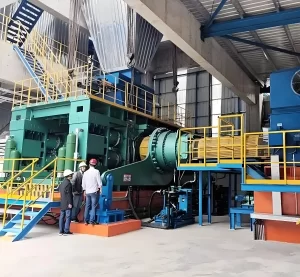
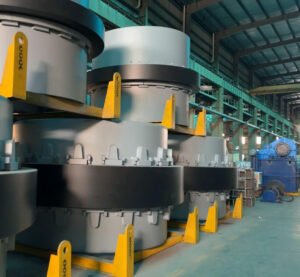


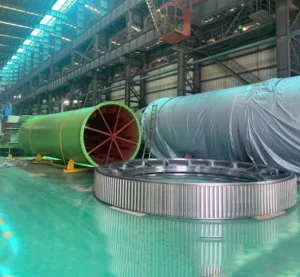

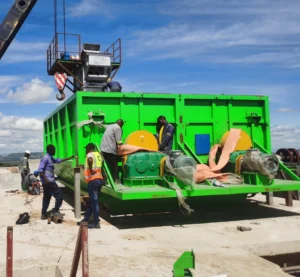

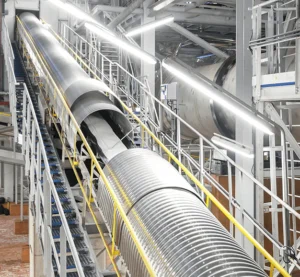


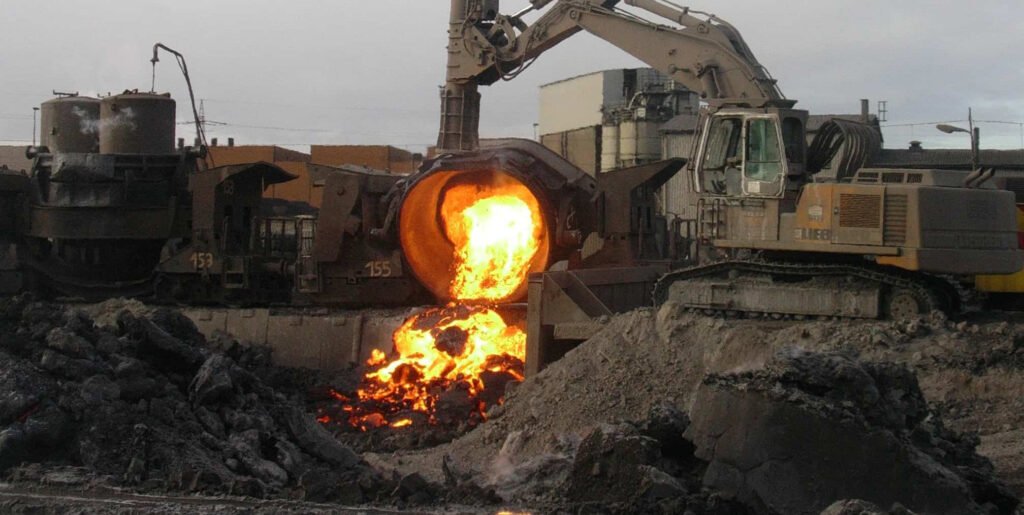
Steel slag—also known as iron slag—is the largest solid by-product of the global steel manufacturing industry. Accounting for 15% to 20% of total crude steel output, millions of tons of steel slag are generated annually worldwide. For much of the 20th century, the standard approach to handling steel slag was simple: landfilling or open-air stockpiling. Today, this outdated model is no longer viable; it wastes valuable recyclable resources, consumes scarce industrial land, and poses risks of long-term soil and groundwater contamination.
Steel slag recovery and recycling have become core strategies in the steel industry's transition toward a circular economy. Through systematic processing, companies can extract high-value iron and steel particles for use in smelting operations and transform non-metallic tailings into products such as high-performance construction materials and agricultural soil amendments.
This authoritative guide provides a comprehensive overview of steel slag, covering its material properties, classification systems, complete processing workflows (including thermal pre-treatment and mechanical refining), end-use applications, and equipment selection principles. Whether you are a steel plant operations manager, a recycling investor, or an engineering contractor, this guide offers actionable insights to help you build an efficient, compliant, and profitable steel slag recycling business.
What Is Steel Slag? Its Characteristics, Sources, and Classification
Before designing any slag recovery production line, a thorough understanding of the characteristics of iron-bearing slag serves as the foundation for process selection, equipment specification, and product positioning.
Core Definition and Chemical Composition
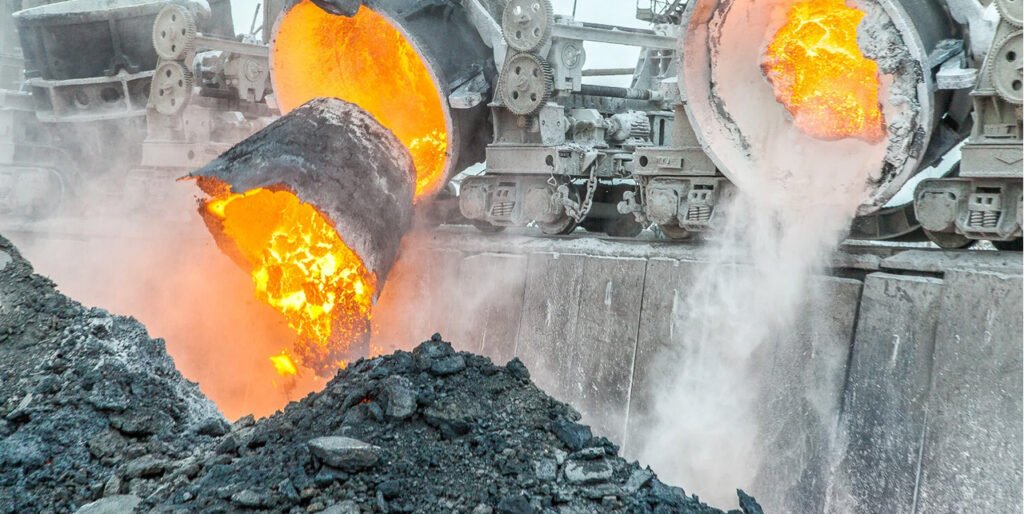
Steel slag is a molten by-product generated during the iron and steelmaking processes. It is a complex melt composed of silicates and metal oxides that solidifies upon cooling into a dark gray material resembling cement clinker.
In terms of chemical composition, steel slag consists primarily of three major components:
- Calcium oxide (CaO): 40–60%, the main cementitious component
- Iron oxide (FeO/Fe₂O₃): 15–30%, the primary recoverable metallic resource
- Silicon dioxide (SiO₂): 10–20%, the main mineral structural component
Key physical properties of steel slag
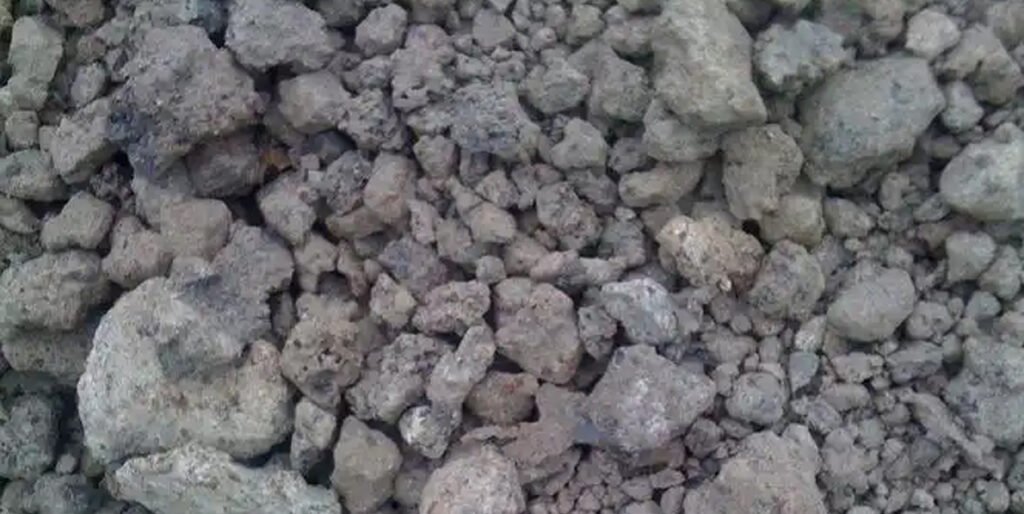
The physical properties of steel slag directly determine the difficulty of its processing and its scope of application:
| Property Parameter | Typical Value Range | Engineering Significance |
| Mohs Hardness | 6 – 7 | High abrasiveness; requires wear-resistant crushing and grinding equipment |
| Specific Gravity | 3.2 – 3.6 | Higher density than natural rock; suitable for heavy-load structural fill |
| Bulk Unit Weight | 1600 – 1920 kg/m³ (100 – 120 lb/ft³) | Determines storage bin and conveyor capacity design |
| Water Absorption | Up to 3% | Low absorption; good stability in humid and freeze-thaw environments |
Where does the slag from steel plants come from?
Ferrous metal smelting slag is generated at various stages of the iron and steel production chain, and slag from different sources exhibits significant differences in properties:
- Integrated iron and steel plants: Primary sources; continuously generate large quantities of blast furnace slag and steelmaking slag.
- Scrap metal recycling and remelting plants: Generate electric arc furnace (EAF) slag with higher impurity content.
- Steel processing and finishing facilities: Generate small amounts of fine slag and iron oxide scale during rolling and surface treatment processes.
- Industrial waste disposal sites: Handle historically stockpiled slag with unstable composition (including cleared waste slag) and pit slag.
Comprehensive Classification of Steel Slag
Steel slag can be classified based on two dimensions: the production process and the stage of generation.
Classified by steelmaking process
Blast furnace slag
It is produced during the blast furnace ironmaking process. It can be further classified into:
- Water-quenched blast furnace slag: Rapidly cooled by water quenching, it features high glass content and strong pozzolanic activity, making it widely used in the cement industry.
- Air-cooled blast furnace slag: Naturally cooled, it has a dense structure and high strength, making it suitable for use as construction aggregate.
Steelmaking slag
Generated during the steelmaking stage, these materials have a high iron content. The main types include:
- Basic Oxygen Furnace (BOF) slag: Produced by the basic oxygen furnace steelmaking process; it is the most common type of steelmaking slag.
- Electric Arc Furnace (EAF) slag: Produced by steelmaking processes using scrap steel as feedstock; it has a relatively high metal content and significant compositional variability.
Classified by production stage
- Primary Smelting Stage: Furnace slag (or tapping slag), discharged concurrently with the molten steel.
- Ladle Refining Stage: Skimmed slag and ladle slag; formed during secondary refining and characterized by high calcium content.
- Cleanup Slag: Also known as pit slag or waste cleanup slag; includes slag scattered during production and slag removed after tapping. This type of slag is often contaminated with impurities and requires pre-sorting before processing.
Key technical indicators: volume stability and free calcium oxide (f-CaO)
The primary obstacle to the large-scale application of steel slag in construction materials is its poor volumetric stability, a characteristic largely caused by free calcium oxide (f-CaO) and free magnesium oxide (f-MgO) remaining within the slag from the high-temperature smelting process.
Upon contact with water, these free oxides hydrate very slowly to form calcium hydroxide and magnesium hydroxide, resulting in a volumetric expansion of 90% to 120%. If untreated steel slag is used directly in concrete, cement, or road paving, it can lead to delayed expansion, structural cracking, pavement heaving, and even structural failure.
Consequently, appropriate stabilization treatment—such as thermal pre-treatment or aging—is a necessary prerequisite for the use of steel slag in downstream construction applications and serves as a key indicator for assessing the quality of recycled steel slag products.
Why Slag Recovery and Reuse Are Crucial for the Steel Industry
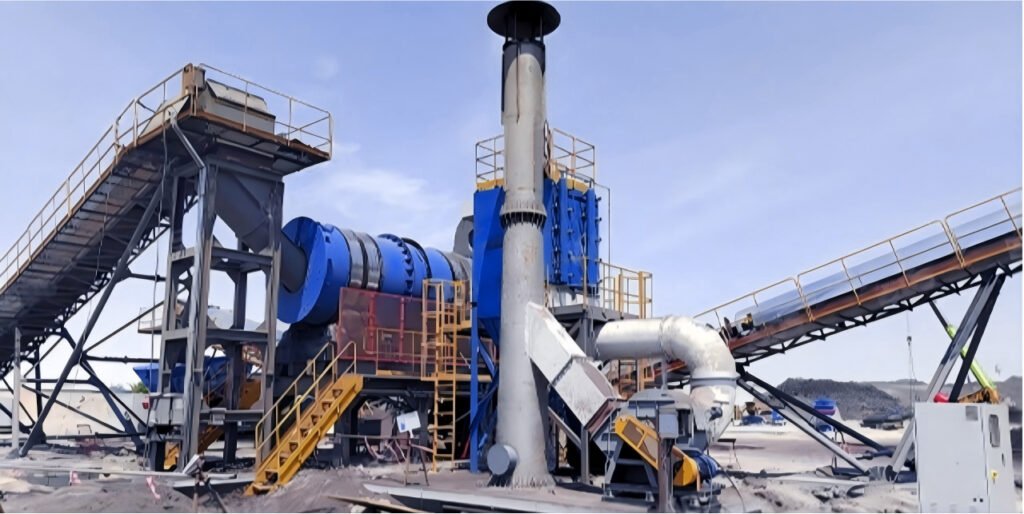
Against the backdrop of global carbon neutrality goals and rising raw material costs, slag processing has shifted from an optional environmental initiative to a core operational necessity.
Rising Steel Slag Production: Global Market Outlook
According to data from the International Energy Agency (IEA), the global steel industry accounts for approximately 20% of total industrial energy consumption. Global steel demand is projected to rise by 30% by 2050, driving a continued increase in global steel slag production.
Without large-scale steel slag recycling systems, the industry will face the dual pressure of soaring waste disposal costs and increasingly stringent environmental regulations.
Limitations of traditional slag disposal methods
For decades, landfilling and stockpiling have been the primary methods for disposing of slag, but the drawbacks of this approach have become increasingly apparent:
- Resource Waste: Large quantities of recyclable iron and valuable mineral components are sent directly to landfills.
- High Land Costs: Massive stockpiles occupy valuable industrial land, while land acquisition costs continue to rise.
- Environmental Risks: Heavy metal leaching contaminates soil and groundwater, while airborne dust degrades air quality.
- Policy Risks: An increasing number of countries are imposing landfill taxes and enforcing strict slag discharge standards, leading to rising disposal costs year over year.
Core benefits of steel slag recycling and utilization
Systematic slag recovery and utilization yield significant environmental, economic, and social benefits:
- Reduce the consumption of virgin iron ore and natural mineral resources
- Mitigate land and water pollution caused by the stockpiling of untreated slag
- Lower the overall carbon footprint of the iron, steel, and construction industries
- Foster new industrial chains and employment opportunities within the circular economy
Global Best Practices for the Utilization of Recycled Slag
Developed industrial economies have established mature systems for the recycling and utilization of slag:
- Japan: The utilization rate of steel slag exceeds 95%, with primary applications in cement production and concrete aggregates.
- Germany: Focuses on high-value-added applications, such as road construction and agricultural soil amendments.
- United States: Extensively utilizes steel slag for highway roadbase layers and as a flux in blast furnace ironmaking.
Step-by-step slag processing workflow for maximizing recovery rates
Modern steel slag processing employs a two-stage technical approach: initial hot-state pretreatment followed by mechanical finishing. The hot-state treatment aims to address volume stability issues and promote the growth of iron particles, while mechanical processing enables metal recovery and product grading.
Thermal Pre-treatment—The Cornerstone of Efficient and Compliant Slag Processing
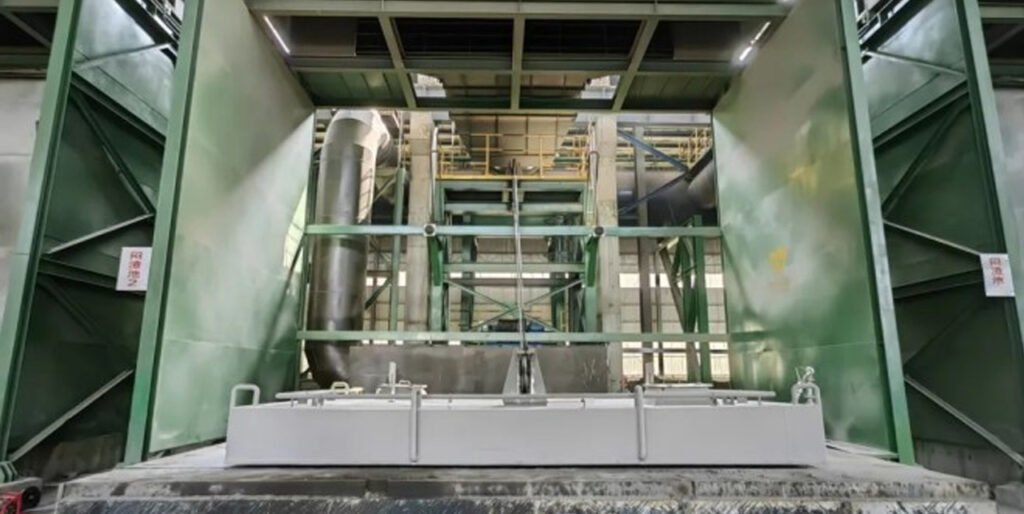
Heat treatment is performed on steel slag immediately after discharge, while it is still in a molten or high-temperature state, utilizing its residual heat to facilitate mineral phase transformation and the digestion of free calcium. This is the most widely used stabilization process in modern steel plants.
Mainstream heat treatment processes
Hot Stuffing Process
This is currently the most advanced and widely applied process. High-temperature molten slag is placed into a sealed slag pit and sprayed with a controlled amount of water; the residual heat generates steam, which accelerates the hydration reaction of free calcium oxide (f-CaO). This process digests over 90% of the free calcium oxide, fundamentally resolving volume stability issues, while simultaneously promoting the aggregation and growth of metallic iron particles, thereby increasing the recovery rate during subsequent magnetic separation by 10%–15%.
Hot Sprinkling Process
A traditional process where molten slag is poured onto the slag field in thin layers and sprayed with water for rapid cooling. It has high treatment efficiency, but the digestion effect of free calcium oxide is inferior to the hot stuffing process, and it is mostly used for low-demand road base slag.
Molten Slag Granulation
High-pressure water or air is used to granulate molten slag instantly. It is widely used for blast furnace slag, but has higher safety risks and technical difficulty for steelmaking slag, and is not yet widely used in industrial scale.
Primary & Secondary Crushing of Raw Steel Slag
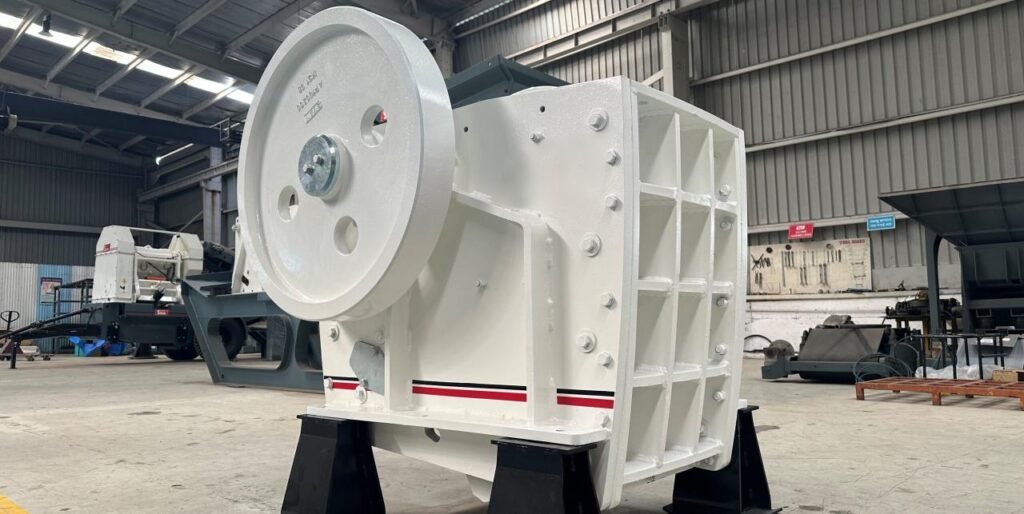
The purpose of crushing is to reduce pre-treated large slag lumps to a feed size suitable for grinding, while simultaneously achieving the initial liberation of some steel particles.
- Primary Crushing: Raw steel slag lumps (typically 300–500 mm in size) are fed into a jaw crusher via a vibrating feeder. This equipment utilizes the principle of compression crushing to reduce the material to a size of less than 60 mm; it was selected for its simple structure, high reliability, and exceptional suitability for handling materials with high hardness and abrasiveness.
- Screening and Secondary/Fine Crushing: The coarsely crushed material is conveyed to a circular vibrating screen for preliminary screening. Particles larger than 25 mm are fed into a cone crusher for fine crushing. The cone crusher employs the principle of inter-particle (lamination) crushing, producing cubical particles with uniform sizing, resulting in a final product with a particle size of less than 25 mm.
For slag-removal materials with high impurity content, a pre-sorting step can be added prior to crushing to remove non-slag impurities, thereby improving the efficiency of subsequent processing.
Grinding and particle liberation
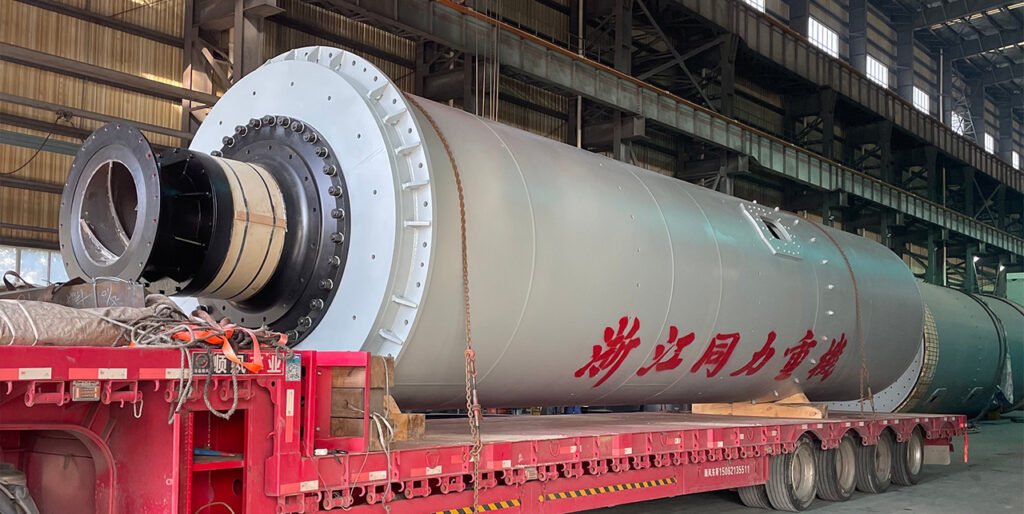
Grinding is a critical process for achieving the thorough liberation of metallic iron from the slag mineral matrix. The choice of grinding equipment directly affects metal recovery rates and the quality of the final product.
- Rod Mill: The preferred equipment for the coarse grinding of steel slag. The steel rod grinding media exert a selective grinding action, ensuring uniform product particle size and minimizing over-grinding; this makes it suitable for producing steel slag aggregates and sand products.
- Combined Grinding Process: If the production of powdered steel slag products is required, the following configuration is recommended:
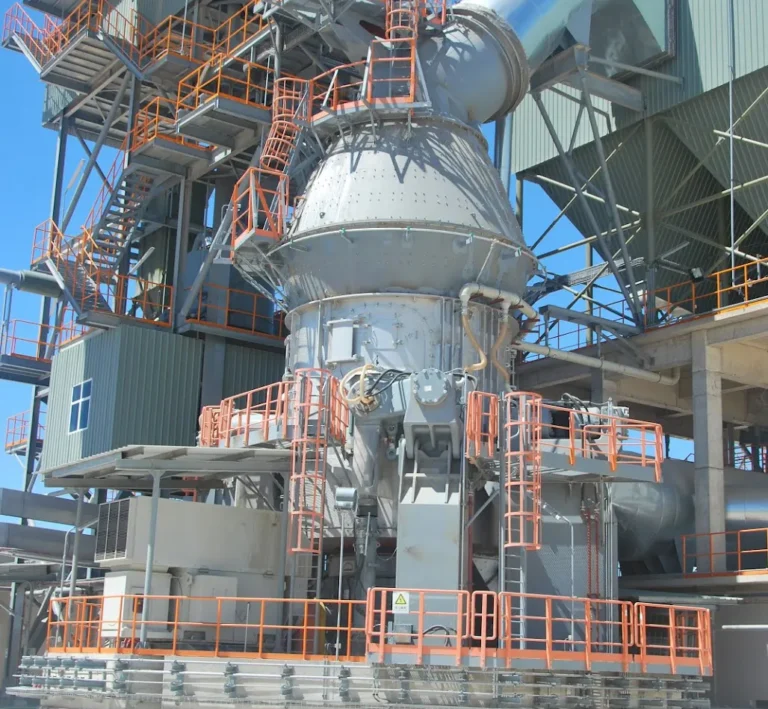
- Rod mill + Vertical roller mill: Suitable for the large-scale production of ultra-fine slag powder.
- Vertical roller mill + Ball mill: Suitable for producing cement-grade slag admixtures with strict fineness requirements.
Dust Control: All grinding points are equipped with pulse-jet bag dust collectors to control fugitive dust emissions. The collected fine slag powder can be recovered and utilized as a product, thereby preventing material loss.
Metal Separation—The Core of Slag Recovery
Separation is a key step in recovering valuable ferrous metals from slag. Two well-established technologies are widely used in industrial production:
Magnetic separation
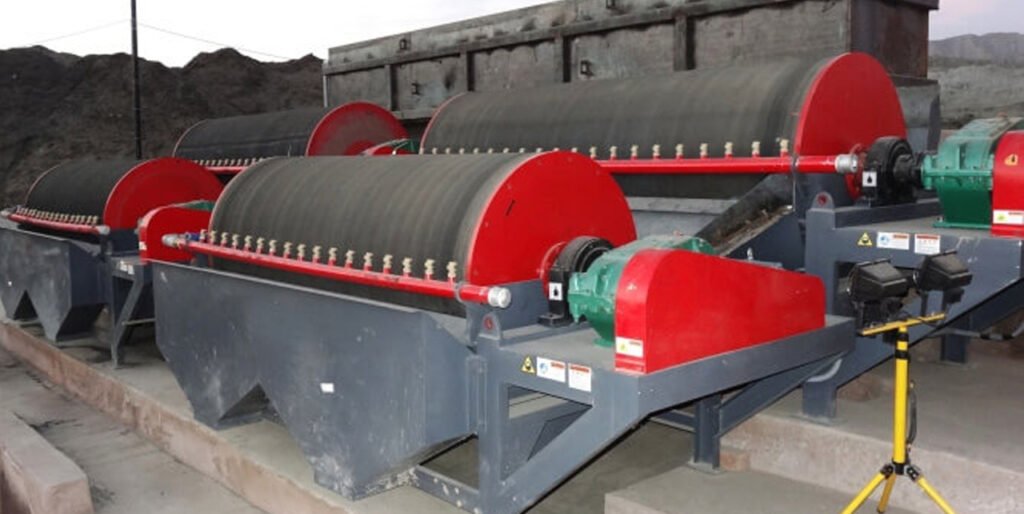
Steel particles and iron powder in ferrous slag are inherently magnetic. Magnetic separators with different magnetic field strengths are used to sort iron-bearing components according to particle size. This process produces a concentrated mixture of steel particles and iron powder, which can be directly returned to the slag metal smelting process as high-quality raw material. The remaining non-magnetic tailings enter the next stage of processing.
Gravity separation (shaking table)
For fine-grained slag with low-grade iron, shaking table gravity separation achieves high recovery rates of iron concentrate. It uses the density difference between metallic iron and slag minerals for sorting, with low operating cost and no chemical pollution. It is often used in combination with magnetic separation to improve overall iron recovery.
Particle Classification and Product Grading
After separation, the recovered metallic materials and non-metallic tailings are classified into different particle size fractions based on downstream application requirements.
Multi-deck vibrating screens and air classifiers are commonly used equipment that can separate products into four main grades:
- Coarse gradation (10–25 mm): Used for road base fill and heavy-duty engineering backfill
- Medium gradation (3–10 mm): Used as coarse aggregate for concrete and asphalt pavement
- Fine gradation (0.15–3 mm): Used as manufactured sand and fine aggregate
- Ultrafine gradation (<0.15 mm): Used as cement admixture and concrete mineral powder
Tailings Management: Boundary Utilization and Compliant Disposal
It should be clarified that, under current technical conditions, achieving 100% utilization of steel slag is not feasible. Even after metal recovery and classification processing, a portion of the residual slag remains that cannot be directly utilized and requires standardized management.
- Utilizable tailings: Tailings that pass volumetric stability tests and meet relevant standards may be used in construction, road building, and cement production (see subsequent sections for details).
- Hard-to-utilize tailings: Tailings with excessive impurity content, unstable composition, or those that fail stability tests must undergo solidification and stabilization treatment before being landfilled in accordance with local standards for industrial solid waste disposal. Direct open-air stockpiling without treatment is strictly prohibited.
Currently, the comprehensive utilization rate of steel slag in major industrialized nations reaches 80%–95%, whereas in most emerging markets, this figure remains between 30% and 50%. The safe disposal of residual slag continues to be a core challenge facing the industry.
Environmental Compliance in Slag Processing Operations
Environmental protection is a prerequisite for the long-term operation of slag treatment projects. Key control points include:
- Waste Residue: Non-reusable tailings undergo stabilization and solidification treatment to meet landfill standards.
- Wastewater: A closed-loop water circulation system is employed to achieve zero discharge of production wastewater.
- Waste Gas: Comprehensive dust removal systems are installed to ensure particulate matter emissions comply with local standards.
- Occupational Health: Employees are provided with protective equipment, and on-site environmental parameters are regularly monitored.
End-uses of recycled slag across various industries
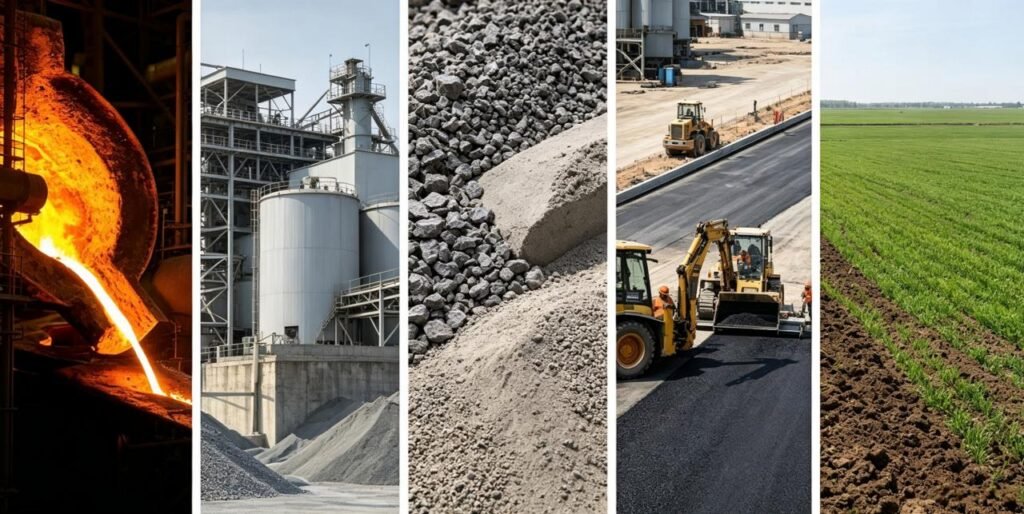
Recycled slag is a versatile secondary resource. Its metallic components can be returned to the smelting cycle, while its non-metallic components find widespread application in construction, transportation, and agriculture. All construction-related applications require the slag to undergo prior volumetric stability testing.
Smelting fluxes for iron and steel production
Recovered steel slag can be reused as a smelting flux in blast furnaces and steelmaking furnaces, replacing natural limestone. This practice improves slag fluidity and smelting efficiency, reduces flux consumption, recovers significant amounts of metallic iron into the production cycle, and lowers the comprehensive energy consumption per ton of steel. For recovered steel slag with high iron content, this represents the most direct and high-value utilization pathway.
Mineral admixtures for cement production
The mineral composition of steel slag is similar to that of Portland cement clinker, and it possesses certain cementitious activity. When ground into an ultra-fine powder for use as a mineral admixture, it not only enhances the early strength and long-term durability of cement but also reduces clinker consumption and production costs, thereby enabling the manufacture of low-carbon, near-zero-emission cement products. Only stabilized steel slag with a compliant free calcium oxide (f-CaO) content is suitable for this application.
Concrete aggregate
As natural sand and gravel resources become increasingly depleted and extraction restrictions tighten, recycled slag is emerging as an ideal substitute for natural aggregates. Compared to conventional concrete, steel slag aggregate concrete offers higher compressive strength as well as superior abrasion and impact resistance, while delivering significant economic and environmental benefits. Satisfactory volume stability is a mandatory requirement for slag concrete aggregates.
Road construction materials
Processed steel slag is an excellent road construction material. It can serve as roadbed fill to enhance load-bearing capacity and as aggregate for asphalt pavement to extend service life; it is also suitable for road shoulders and slope protection due to its good erosion resistance. Strict stability testing is required when it is used for the pavement surface course, whereas requirements are relatively less stringent when used for the pavement base course.
Agricultural Soil Amendments and Fertilizers
Steel slag contains calcium, silicon, magnesium, and other trace elements beneficial to crop growth. After processing, it can be used as a silicon fertilizer to enhance crop stress resistance, as a soil conditioner to improve the structure of acidic soils, and as a trace element supplement to promote root development.
How to Choose Suitable Steel Slag Processing Equipment
Selecting the right equipment is crucial for ensuring production efficiency, product quality, and return on investment. Equipment selection should be based on the characteristics of the raw slag, production capacity requirements, product positioning, and local environmental standards.
Reference configurations for core equipment based on scale:
- Small-scale production line (5–20 t/h): Jaw crusher + small cone crusher + rod mill + dry magnetic separator + vibrating screen
- Medium-scale production line (20–50 t/h): Jaw crusher + multi-cylinder cone crusher + rod mill + magnetic separation system + classification line
- Large-scale production line (over 50 t/h): Thermal pre-treatment system + two-stage crushing + combined grinding system + combined magnetic and gravity separation + comprehensive environmental protection system
Building a Profitable Steel Slag Recovery Business
With the global acceleration of the circular economy and increasingly stringent environmental regulations, steel slag recycling has emerged as a high-quality sector offering both environmental value and stable returns. A well-designed steel slag processing line can transform waste slag stockpiles into a source of sustained economic benefit.
With over four decades of expertise in ferrous metallurgical slag processing and heavy equipment manufacturing, we provide comprehensive, turnkey solutions—spanning process design for hot-stage pretreatment, equipment manufacturing, installation and commissioning, and after-sales service. We empower global clients to establish efficient, compliant, and high-yield steel slag recycling facilities.
If you are planning a steel slag recycling project, looking to upgrade an existing production line, or wish to learn more about sustainable steel slag processing solutions, please contact our engineering team to receive a customized proposal and a free quote.
In most countries, ordinary steel slag is classified as general industrial solid waste, not hazardous waste. However, slag containing excessive heavy metals or special additives requires testing and evaluation before disposal or recycling.
Blast furnace slag has lower iron content, more stable composition and higher pozzolanic activity, making it more suitable for cement and concrete. Steelmaking slag has higher iron content and greater recycling value, but its composition is more variable and requires more complex processing.
The iron recovery rate depends on the original iron content and processing technology. For ordinary converter slag, the metal iron recovery rate of a well-designed magnetic separation process can reach 80% or higher, and the combined magnetic-gravity process with thermal pretreatment can achieve even higher recovery.
Yes. Historical stockpiled removal slag can be recycled through sorting, crushing and separation processes. However, due to long-term weathering and possible impurity mixing, pre-treatment and composition testing are required before designing the processing flow, and natural aging can partially improve its volume stability.
Raw steel slag contains free calcium oxide (f-CaO) and free magnesium oxide (f-MgO), which hydrate slowly over time and produce significant volume expansion. This will cause concrete cracking, road surface uplift and structural damage. Steel slag must undergo thermal stabilization or aging treatment and pass the volume stability test before being used in construction.
The payback period depends on processing scale, local raw material costs and product selling prices. For medium-scale production lines in regions with high steel and aggregate prices, the investment payback period is usually 1–3 years. Projects with government environmental subsidies will have a shorter payback period.