






In the fields of high-temperature thermal engineering and cement production, the English terms "Furnace Cement" and "Cement Furnace" are frequently subject to conceptual confusion and misuse due to differences in word order. These two terms belong to entirely distinct technical systems: the former refers to specialized cementing materials designed to withstand the operating conditions of high-temperature furnaces and kilns, while the latter denotes the core thermal equipment utilized in the cement manufacturing process. Concurrently, however, a close technical synergy and industrial interdependency exist between the two within the context of industrial production. Addressing the conceptual confusion surrounding these two terms in the industrial sector, this paper systematically defines their core definitions and delineates their respective scopes. Drawing upon authoritative research findings from the two major technical domains—cement production thermal equipment and specialized refractory cementing materials—this study comprehensively elucidates the raw material composition, classification system, performance parameters, hydration mechanisms, and engineering applications of "Furnace Cement" (refractory furnace cement). Furthermore, it provides a thorough analysis of the structural characteristics, operating principles, process zones, and equipment types associated with the "Cement Furnace" (cement calcination kiln), as well as its industrial linkages with the production of blast furnace slag cement.
Definitions and Core Boundaries of the Terms "Furnace Cement" and "Cement Furnace"
Definition and Scope of Furnace Cement
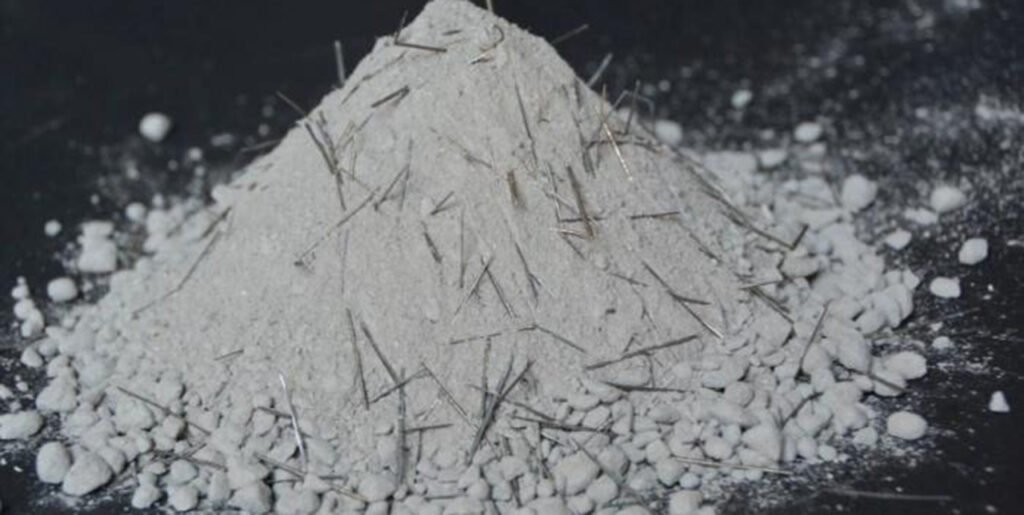
Furnace Cement—officially designated in Chinese standards as "refractory furnace cement" and also referred to as "refractory cementing material for kilns"—is a specialized class of hydraulic cementing materials designed specifically for high-temperature furnace and kiln environments, characterized by aluminates as their primary mineral phase. Possessing a refractoriness of no less than 1580°C, it is primarily utilized for applications involving the lining construction, joint sealing, and structural repair of high-temperature thermal equipment. Its defining characteristic is the ability to maintain structural strength, volume stability, and chemical stability within high-temperature environments ranging from 1300°C to 1800°C, rendering it an indispensable functional material for various types of industrial furnaces and kilns.
Based on mineral composition and application scenarios, Furnace Cement can be broadly categorized into general-purpose refractory furnace cement and specialized functional refractory furnace cement; among these, the aluminate-based system represents the most widely applied category globally.
Definition and Scope of Cement Furnaces
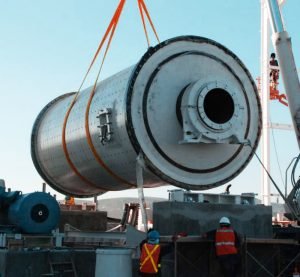
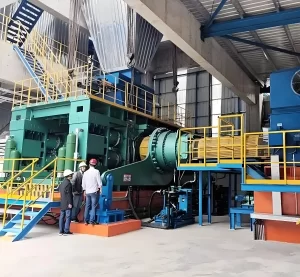
A cement furnace—formally termed a cement calcination kiln, or simply a "cement kiln"—is the core thermal equipment in the cement manufacturing process responsible for calcining homogenized raw cement meal into cement clinker; it functions as a continuous, high-temperature thermal reactor. The cement kiln serves as the fundamental cornerstone of cement production, determining the mineral composition, performance characteristics, and production efficiency of the cement clinker; concurrently, it constitutes the critical stage within the manufacturing process regarding energy consumption and carbon emissions.
Currently, the most widely adopted type of cement kiln in industrial applications is the rotary cement kiln, although other structural forms—such as vertical kilns—also exist. Among these, the rotary kiln is uniquely suited for large-scale, continuous cement production operations and stands as the central piece of equipment in modern "new dry process" cement production lines worldwide.
Distinguishing the Core Boundaries of Two Categories of Terminology
To clarify the essential differences between the two, a clear conceptual boundary is established through a comparison of core dimensions, as detailed in the table below.
| Comparison Dimension | Furnace Cement (Furnace Refractory Cement) | Cement Furnace (Cement Calcining Kiln) |
| Core Attributes | Special high-temperature cementitious material, belonging to industrial consumables | High-temperature thermal production equipment, belonging to industrial fixed assets |
| Core Functions | Bonding the inner lining of high-temperature furnaces and kilns, gap sealing, structural repair, providing structural stability under high-temperature working conditions | High-temperature calcination of cement raw meal into cement clinker, completing the mineral phase transformation and activity activation of the raw meal |
| Core Application Scenarios | Masonry, sealing, and maintenance of various industrial furnaces and kilns (cement kilns, blast furnaces, heating furnaces, etc.), refractory structure construction for high-temperature equipment | The clinker calcination stage in cement production lines, which is the core process for the production of various cements such as Portland cement and blast furnace slag cement |
| Core Performance Requirements | High refractoriness, high-temperature strength retention rate, volume stability, thermal shock resistance, chemical erosion resistance | High-temperature resistance, thermal efficiency, continuous operation stability, raw meal calcination uniformity, energy consumption control level |
| Industry Segment | Supporting segment for refractory materials in high-temperature thermal engineering | Core process segment in cement production |
Technical System of Furnace Cement (Refractory Furnace Cement)
Ingredient Composition and Production Process
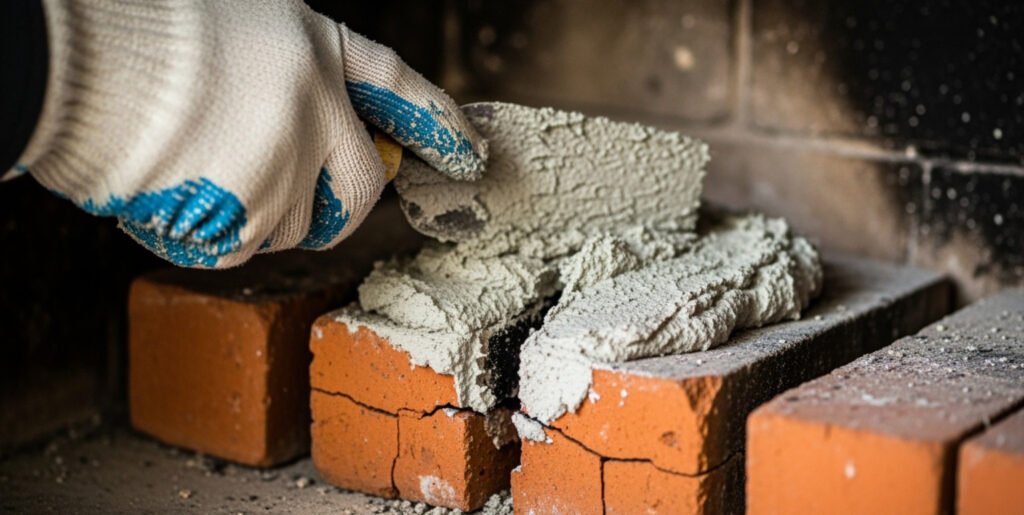
The primary raw materials for refractory furnace cement are bauxite (or industrial alumina) and limestone; certain specialized varieties incorporate additives such as magnesium oxide or barium oxide to fine-tune their performance characteristics. The core manufacturing process involves proportioning and crushing the raw materials according to a prescribed ratio, followed by high-temperature calcination at 1300–1500°C to produce a clinker characterized by calcium aluminates as its dominant mineral phase. This clinker is then ground to a specified fineness to yield the final refractory furnace cement product.
The principal mineral phases within refractory furnace cement include monocalcium aluminate (CA), dicalcium aluminate (CA₂), and dicalcium silicate (C₂S). Among these, monocalcium aluminate serves as the critical mineral phase determining the cement's hydration reactivity and early-stage strength, while the alumina content stands as the key parameter governing its refractoriness.
Classification and Key Performance Indicators
Based on alumina content and mineral composition, mainstream aluminate-based refractory cements for furnace applications can be classified into four categories; the core chemical compositions and performance parameters for each category are presented in the table.
| Category Code | Alumina Mass Fraction /% | Long-term Maximum Service Temperature /℃ | 3-Day Compressive Strength / MPa | Initial Setting Time /min | Final Setting Time /min | Core Application Scenarios |
| CA50 | 50-60 | 1350 | ≥30 | ≥45 | ≤360 | General industrial furnace masonry and refractory castable preparation |
| CA60 | 60-68 | 1550 | ≥40 | ≥45 | ≤360 | Medium-high temperature furnace lining and working conditions with high thermal shock requirements |
| CA70 | 68-75 | 1700 | ≥50 | ≥30 | ≤240 | High-temperature industrial furnaces and corundum-based refractory castable preparation |
| CA80 | 75-85 | 1800 | ≥60 | ≥30 | ≤240 | Ultra-high temperature conditions and special refractory precast parts production |
In addition to aluminate-based systems, refractory cements for furnaces also encompass specialized categories—such as phosphate-based, magnesia-based, and water-glass-based systems—each tailored to specific application scenarios, including acidic operating environments, conditions involving alkaline slag erosion, and rapid repair operations.
Hydration Mechanism and Performance Characteristics
The hydration process of refractory cement for furnaces proceeds as follows: upon contact with water, the core mineral phase—monocalcium aluminate—undergoes a hydration reaction to form hydrated calcium aluminate gel and calcium hydroxide. These hydration products interlock to create a dense, hardened structure, thereby imparting early-stage strength to the material. Under high-temperature operating conditions, the hydration products undergo dehydration and a ceramic phase transformation, forming a stable sintered structure that preserves the material's high-temperature strength and volume stability.
Its core performance characteristics are as follows:
- High-Temperature Stability: In environments exceeding 300°C, ordinary Portland cement undergoes a decline in strength; however, refractory furnace cement retains a strength retention rate of over 70% even at extreme temperatures ranging from 1300°C to 1800°C, exhibiting no significant structural cracking or spalling.
- Thermal Shock Resistance: Capable of withstanding multiple cycles of rapid heating and cooling without significant volumetric deformation or cracking, making it ideally suited for furnace and kiln equipment operating under intermittent conditions.
- Chemical Corrosion Resistance: Resists chemical corrosion and physical erosion caused by molten slag, high-temperature flue gases, and acidic or alkaline media, thereby extending the service life of the furnace lining.
- Hydration and Hardening Characteristics: Hydrates and hardens rapidly at ambient temperatures, exhibiting rapid early-stage strength development that meets the tight scheduling requirements of emergency furnace repair projects; furthermore, its concentrated heat of hydration enables it to harden effectively even in low-temperature environments.
- Bonding Performance: Demonstrates excellent bonding strength with refractory bricks, metal substrates, and refractory aggregates, forming a continuous, dense, and impermeable structure that effectively prevents the leakage of high-temperature flue gases and molten media.
Application Scenarios and Construction Requirements
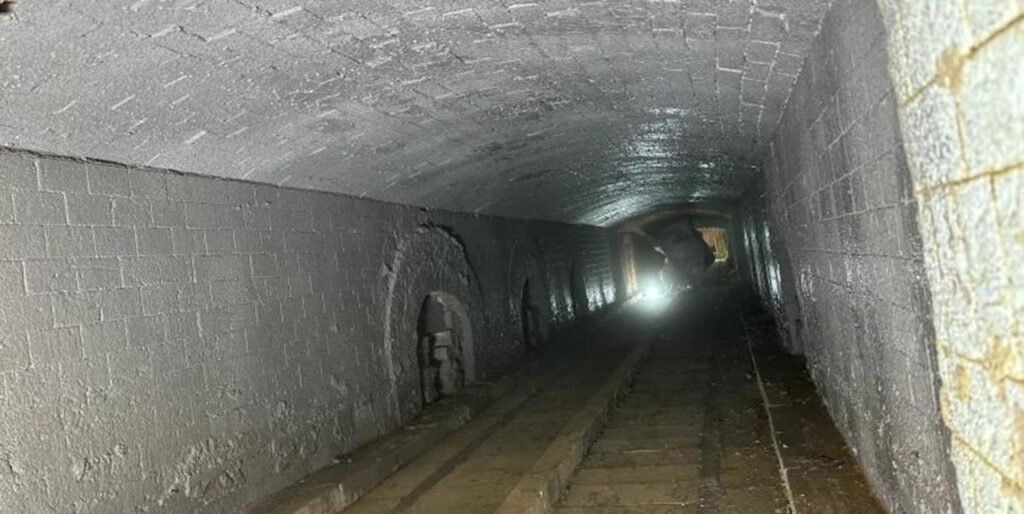
The core application scenarios for furnace refractory cement include:
- Industrial Furnace Masonry: Used for the laying of refractory bricks and the filling of joints in various high-temperature thermal equipment, including cement kilns, blast furnaces, converters, heating furnaces, lime kilns, and more.
- Formulation of Monolithic Refractories: Serves as the primary binder for refractory castables, ramming mixes, and gunning mixes; it constitutes a core component of monolithic refractory materials, typically accounting for 8% to 15% of the composition.
- Furnace Structure Repair: Used for repairing localized damage to the linings of high-temperature furnaces and kilns, enabling rapid restoration with minimal or no downtime.
- Production of Specialized Refractory Precasts: Used for the manufacturing of custom-shaped refractory components, such as precast refractory blocks, burner nozzles, and furnace doors.
Core Requirements for Construction and Use:
- Refractory cement intended for furnace applications must be mixed and used in conjunction with refractory aggregates and fines according to specified proportions; using it in isolation is prone to issues such as high-temperature cracking and strength degradation.
- Once mixed, the material must be installed within its initial setting time; it must not be re-mixed with additional water for subsequent use.
- Upon completion of installation, the structure must undergo a drying and curing process following a prescribed heating schedule to expel both free water and chemically bound water, thereby preventing structural spalling caused by rapid temperature increases.
- Strict precautions against moisture must be observed during storage; any material that has become caked or hardened may only be used after passing a comprehensive performance assessment.
Cement Furnace Technical System
Cement Furnace Core Positioning in Cement Production
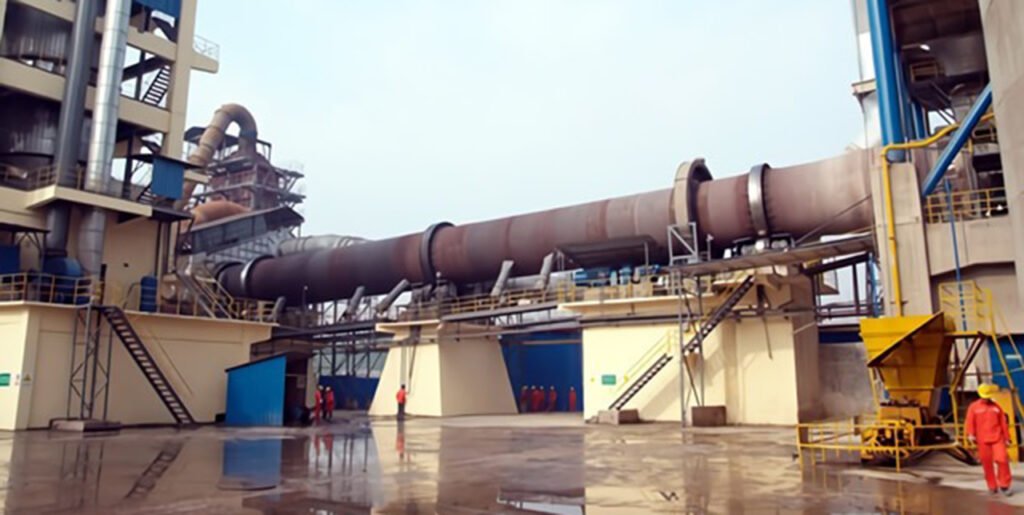
Cement production is a multi-stage, continuous process. The upstream workflow involves the mining, crushing, grinding, and homogenization of raw materials—such as limestone, clay, and shale—to produce a homogeneous raw meal. The cement kiln serves as the core equipment for converting this raw meal into clinker; through high-temperature calcination, the raw meal undergoes a series of physicochemical reactions to form cement clinker possessing hydration activity. As cement clinker constitutes the primary raw material for various cement products—including Portland cement and blast furnace slag cement—the operational status of the cement kiln directly determines the performance and quality of the final cement products.
Core Structural Characteristics
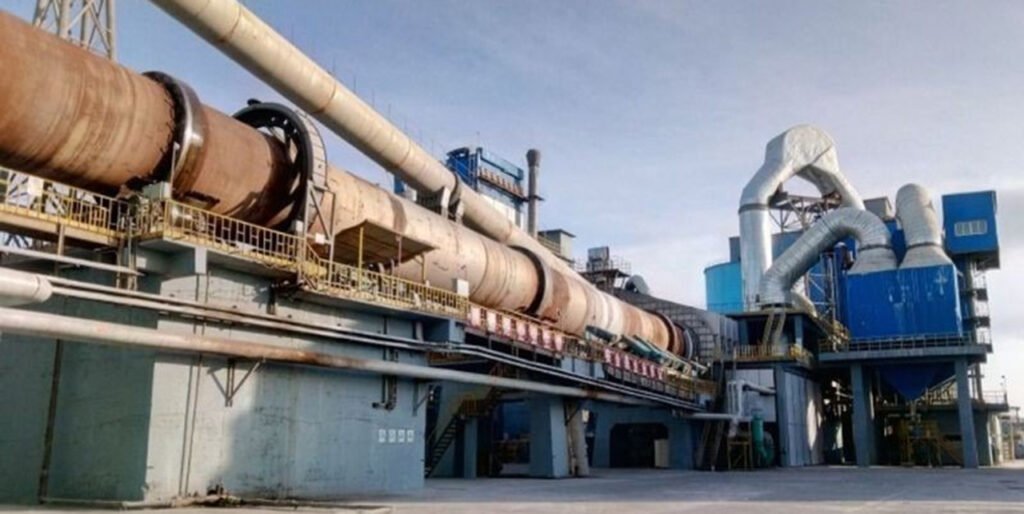
The rotary cement kiln—the most widely utilized type in industrial applications—possesses the following core structural characteristics:
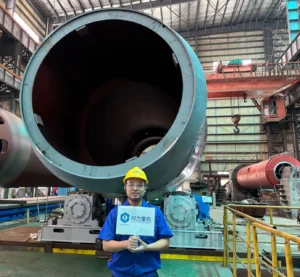
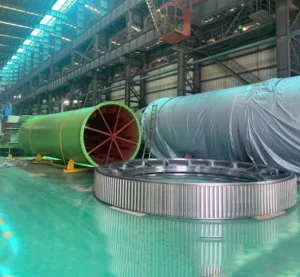
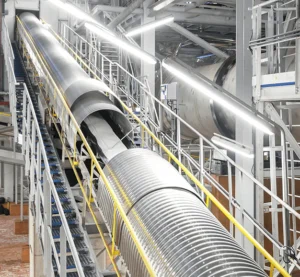
- Structural Form: A large, cylindrical steel structure positioned at a slight incline along its longitudinal axis, designed to rotate continuously at a low speed around this axis. The inner wall of the cylinder is lined with refractory materials to withstand the extreme temperatures generated during the calcination process. The equipment features a wide range of specifications; cylinder lengths can span from tens of meters to over a hundred meters, with diameters typically measuring several meters.
- Functional Zones: The upper end of the cylinder serves as the feed inlet, through which homogenized raw materials are introduced into the kiln. The lower end acts as the discharge outlet, where high-temperature hot air is introduced and the calcined clinker is subsequently discharged.
- Operating Principle: The slow rotation of the cylinder facilitates the gradual and uniform movement of raw materials from the feed inlet toward the discharge outlet. Simultaneously, the materials engage in thorough contact with high-temperature flue gases flowing in the opposite direction, thereby enabling continuous heat exchange and calcination reactions, and ensuring the uniformity and completeness of the raw material calcination.
Working Principles and Process Zoning
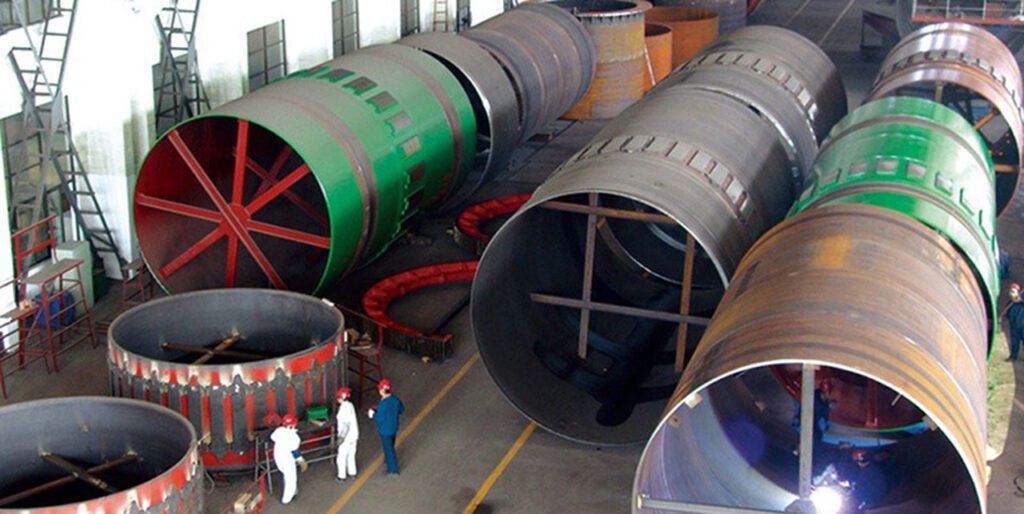
Based on temperature gradients and physicochemical reaction characteristics, the raw meal calcination process within a cement kiln is divided into four continuous process zones; collectively, these stages accomplish the transformation of raw meal into clinker, as detailed below:
- Drying and Preheating Zone:The temperature range in this zone extends from ambient temperature up to 400–600°C. Here, the raw meal comes into contact with high-temperature flue gases flowing in a counter-current direction from the combustion zone; this interaction serves to remove free moisture from the raw meal and complete the initial preheating process. During this stage, the raw meal undergoes preliminary physicochemical changes—specifically, a significant reduction in moisture content and a marked increase in reaction activity—thereby preparing it for the subsequent calcination process while simultaneously reducing energy consumption in downstream stages.
- Calcination and Decomposition Zone:With a temperature range of 600–900°C, this zone is where the core endothermic decomposition reactions of the raw meal take place. Specifically, the calcium carbonate within the raw meal decomposes into calcium oxide and carbon dioxide. This reaction constitutes the pivotal precursor step in the formation of cement clinker; the requisite heat is supplied by the combustion of fuel within the kiln, while the carbon dioxide generated by the reaction is expelled from the system along with the hot gas stream inside the kiln.
- Sintering Zone:The sintering zone serves as the core functional region of the cement kiln, operating within a temperature range of 1300–1500°C. In this zone, the calcium oxide reacts at high temperatures—via solid-state reactions—with the silica, alumina, and ferric oxide present in the raw meal to form the four primary mineral phases of cement clinker: tricalcium silicate, dicalcium silicate, tricalcium aluminate, and tetracalcium aluminoferrite. This mineral formation process involves a combination of partial component melting and solid-state reactions, ultimately endowing the clinker with its characteristic hard, granular structure and hydraulic reactivity.
- Cooling Zone:Upon completion of the sintering process, the high-temperature clinker enters the cooling zone, where it undergoes rapid cooling facilitated by air or other cooling media. This rapid cooling serves to stabilize the beneficial mineral structure within the clinker, thereby enhancing its reactivity during subsequent hydration reactions. Concurrently, this process enables the recovery of the substantial amount of waste heat carried by the clinker; this recovered heat can be recycled for use in preheating the raw meal or in other operational processes within the cement plant, thereby significantly improving the overall energy utilization efficiency of the facility.
Mainstream Types and Technical Characteristics
Based on their functional and structural characteristics, rotary kilns used in cement production can be classified into three main categories:
- Dedicated Calcining Rotary Kiln: Specifically designed to optimize the raw meal calcination and decomposition process, this kiln is equipped with advanced heat transfer mechanisms and control systems. Its primary function is to ensure the efficient and complete decomposition of calcium carbonate, making it ideally suited for large-scale new dry-process cement production lines.
- Modular Rotary Kiln: Characterized primarily by its exceptional flexibility in installation and operation, this kiln can be seamlessly integrated into existing cement production lines while simultaneously catering to the specific production requirements of small-scale cement plants.
- Dedicated Clinker Kiln: Focused on the production of high-quality clinker, this kiln allows for the precise regulation of the temperatures and reaction conditions required for clinker mineral formation. It ensures the stability of the clinker's mineral composition and guarantees compliance with quality standards, thereby meeting the specialized production demands of specialty cements.
Technical Linkages and Industrial Synergies Between Two Categories of Objects
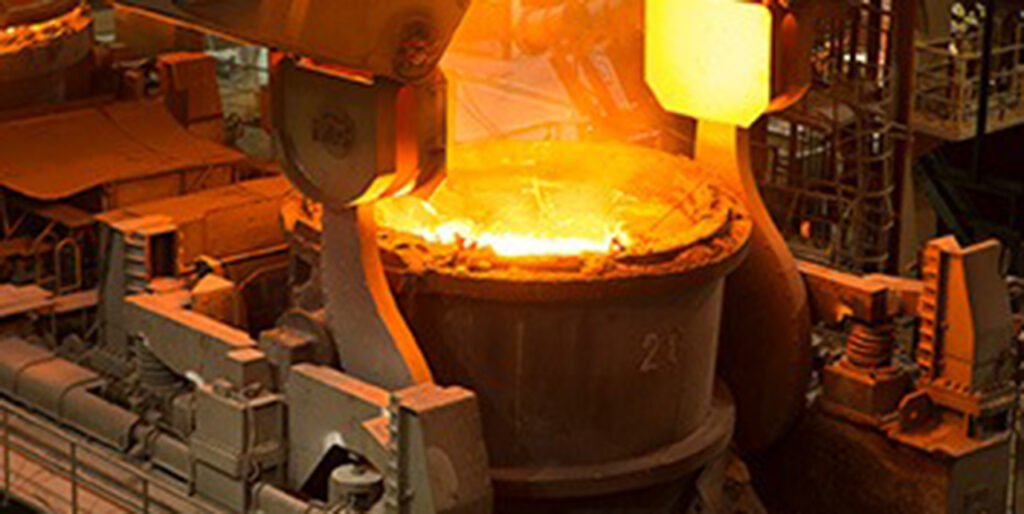
Although "Furnace Cement" and "Cement Furnaces" belong to distinct technical systems, they exhibit close technical interconnections and industrial synergies within the context of industrial production, specifically as follows:
- Material-Equipment Interdependence: Furnace Cement serves as the critical complementary material for Cement Furnaces. The masonry, sealing, and repair of various components within a cement kiln—including the shell lining, kiln door, burners, and flues—all require the use of Furnace Cement specifically adapted to the prevailing operating conditions. Given that operating temperatures within a cement kiln can exceed 1500°C, the refractory cement employed must meet exceptionally rigorous standards regarding refractoriness, thermal shock resistance, and resistance to clinker corrosion; consequently, the performance of the Furnace Cement directly dictates both the service life of the kiln lining and the duration of the kiln's continuous operating cycles.
- Upstream-Downstream Supply Chain Dynamics: The cement clinker produced by a Cement Furnace constitutes the core raw material for general-purpose Portland cement. Conversely, general-purpose Portland cement serves as an auxiliary activating component in the production process of certain specialized grades of Furnace Cement. Furthermore, the raw materials required for manufacturing Furnace Cement—such as bauxite and limestone—are highly congruent with the raw material system used in cement production, thereby enabling synergistic efficiencies within the raw material supply chain.
- Synergies in Low-Carbon Development: Both the Cement Furnace and Furnace Cement serve as pivotal vehicles for driving low-carbon development within the industrial sector. Cement Furnaces facilitate carbon emission reductions in cement production through the implementation of technologies such as slag substitution for clinker, waste heat recovery, and alternative fuel utilization. Meanwhile, Furnace Cement contributes indirectly to reducing energy consumption and carbon emissions in cement production by extending the service life of the kiln lining, thereby minimizing thermal energy losses from the furnace and reducing the frequency of maintenance interventions.
Industry Development Trends
- High-End Performance: Furnace Cement is evolving toward higher refractoriness, enhanced corrosion resistance, and extended service life, adapting to extreme operating conditions characterized by ultra-high temperatures and aggressive corrosive environments. Cement Furnaces are advancing toward greater thermal efficiency, lower energy consumption, and larger production scales; specifically, modern dry-process cement kilns continue to demonstrate reduced thermal consumption and consistently improved operational stability.
- Low-Carbon Resource Utilization: The market share of solid-waste-based cement products—such as blast furnace slag cement—continues to rise. Furthermore, the substitution rate of industrial solid wastes (including slag and fly ash) in cement production is steadily increasing, establishing this approach as a core technological pathway toward carbon neutrality within the cement industry. The production of Furnace Cement is also gradually incorporating industrial solid wastes as raw materials, thereby enabling the low-carbon manufacturing of refractory materials.
- Intelligent Control: Cement Furnaces are progressively being equipped with intelligent control systems, enabling the precise, real-time regulation of parameters such as kiln temperature, pressure, and airflow. This enhances the consistency of clinker quality while simultaneously reducing energy consumption and emissions. Similarly, the performance testing and installation processes for Furnace Cement are becoming increasingly intelligent, thereby improving both the construction quality and the service life of refractory structures.
Conclusion
This paper systematically defines the core concepts and boundaries of "Furnace Cement" and "Cement Furnace." These two entities belong to two entirely distinct technical systems—specialized cementing materials and high-temperature thermal equipment, respectively—yet they maintain close technical complementarity and industrial synergy.Furnace Cement, a specialized refractory cementing material designed specifically for high-temperature furnaces and kilns, is characterized by core properties such as high refractoriness, high-temperature stability, and erosion resistance. It serves as an indispensable functional material for various types of industrial thermal equipment; indeed, its performance directly determines the operational stability and service life of these high-temperature furnaces.The Cement Furnace, serving as the central thermal equipment in cement production, acts as the primary vessel for the transformation of raw meal into clinker. Its operational status directly dictates the performance and quality of the final cement product, while also representing a critical nexus for controlling energy consumption and carbon emissions within the cement industry. Furthermore, blast furnace slag cement—which utilizes clinker produced in Cement Furnaces as a core raw material—enables the high-value utilization of solid waste generated by the steel industry, thereby constituting a pivotal pathway toward the low-carbon development of the cement industry.Consequently, the technical upgrading and industrial synergy between these two entities hold profound significance for ensuring the stable operation of high-temperature thermal engineering systems, facilitating the low-carbon transition of the cement industry, and promoting the resource-efficient utilization of industrial solid waste.