






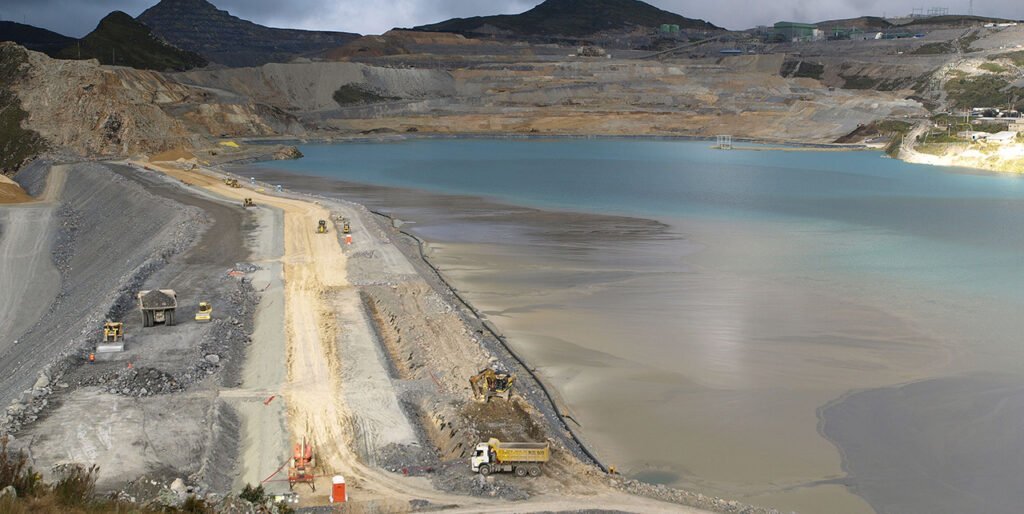
Tailings are a primary industrial solid waste byproduct generated during mineral extraction and beneficiation. Driven by global industrialization and the expansion of the new energy industry chain, the proportion of low-grade ore mining has risen annually, leading to a continuous increase in both annual tailings discharge and accumulated historical stockpiles. Long-term tailings storage poses safety and ecological risks—such as dam failures, heavy metal contamination of soil and water, acid mine drainage, and fugitive dust emissions—while simultaneously offering resource recovery potential through mineral extraction, use as construction material substitutes, application as ecological restoration fill, and production of high-end advanced materials. Drawing on public industry statistics from the mining and environmental engineering sectors, ICOLD accident records, and established domestic and international engineering technical data, this paper systematically outlines the physicochemical properties of tailings; compares the measured engineering parameters and applicability of four storage methods and four dam construction structures; objectively analyzes the causes and risk evolution patterns of major recorded global tailings accidents; details four practical pathways for tailings resource utilization; comprehensively categorizes the machinery and equipment required for the entire tailings process and the logic behind their selection; and concludes by discussing lifecycle management standards and current industry development trajectories.
Material Composition and Basic Properties of Tailings
Physical and chemical compositional makeup
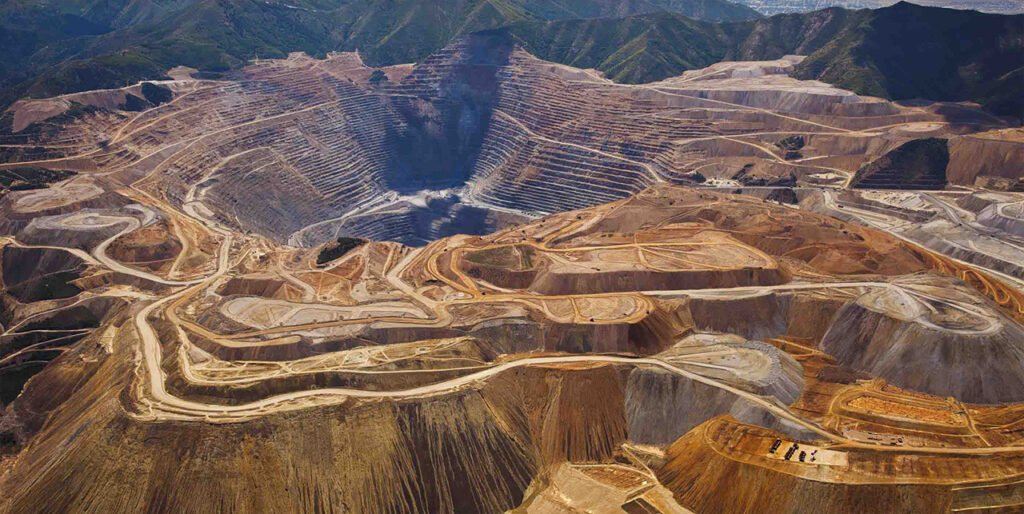
After being extracted via open-pit or underground mining, the ore is sent to the processing plant, where it undergoes a series of separation stages—such as crushing, grinding, classification, flotation, magnetic separation, and leaching—to extract the target metals or non-metallic minerals; the residual fine-grained waste discharged after this process constitutes tailings.
- Physical characteristics: The particle size distribution of tailings spans a wide range, extending from several millimeters for coarse tailings to the micrometer scale for ultrafine tailings. Tailings from conventional wet beneficiation exist as solid-liquid slurries characterized by high suspension stability and fluidity, whereas dry-stacked tailings form loose granular deposits with high porosity that are prone to dusting and liquefaction upon contact with water.
- Chemical composition: The structural framework consists primarily of inert silicate and carbonate minerals such as quartz, feldspar, mica, and calcite. Impurities fall into three categories: ① heavy metals (e.g., lead, cadmium, arsenic, mercury, copper, zinc, chromium); ② acidic polluting components (e.g., sulfide minerals like pyrite and pyrrhotite, which oxidize in the presence of water to produce sulfuric acid and release heavy metals); and ③ anthropogenic additives (e.g., flotation reagents, flocculants, extractants, and other chemical agents). Additionally, a small number of uranium and rare-earth tailings contain trace amounts of naturally occurring radioactive elements.
Two types of objective attributes: environmental hazard potential and resource recovery potential.
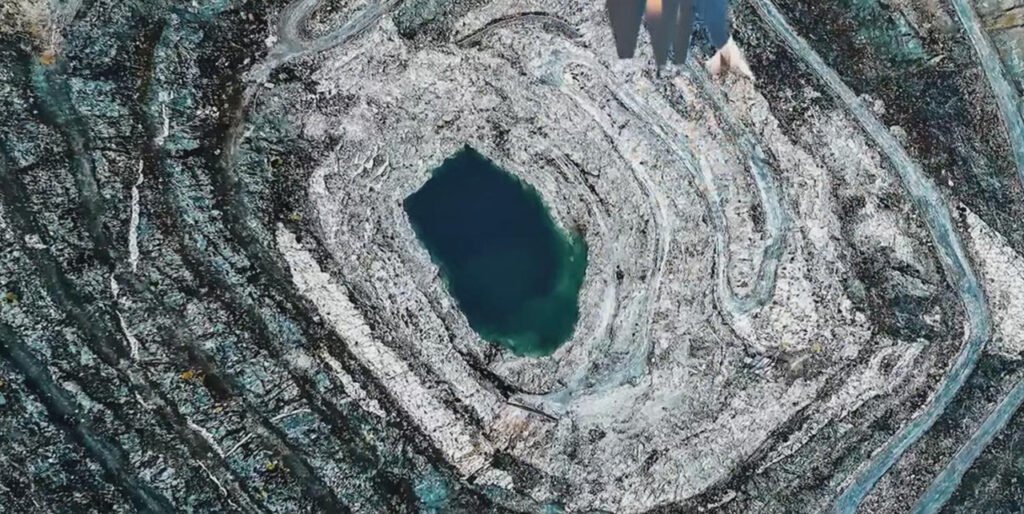
Long-term and sudden environmental hazards
- Long-term chronic pollution: The oxidation of sulfide minerals generates acid mine drainage (AMD)—widely recognized as the most difficult pollution issue to manage in the global mining industry—with acidic seepage persisting for decades or even centuries after a facility closes. Rainwater runoff washes over tailings piles, causing heavy-metal-laden leachate to infiltrate vertically into groundwater and flow laterally, contaminating soil and surface water. Additionally, during dry and windy weather, fine-grained tailings generate widespread dust, polluting the atmosphere and adversely affecting nearby communities and crop growth.
- Sudden dam-failure disasters: Wet tailings storage facilities rely on dams to contain massive volumes of slurry; dam slippage, seepage-induced failure, overtopping by floods, or seismic disturbances can trigger a collapse. The resulting flow of tailings slurry—characterized by high impact force and the transport of toxic substances—can rapidly devastate villages, waterways, and farmland, representing the most severe category of mining safety accidents.
Objective potential for resource recovery
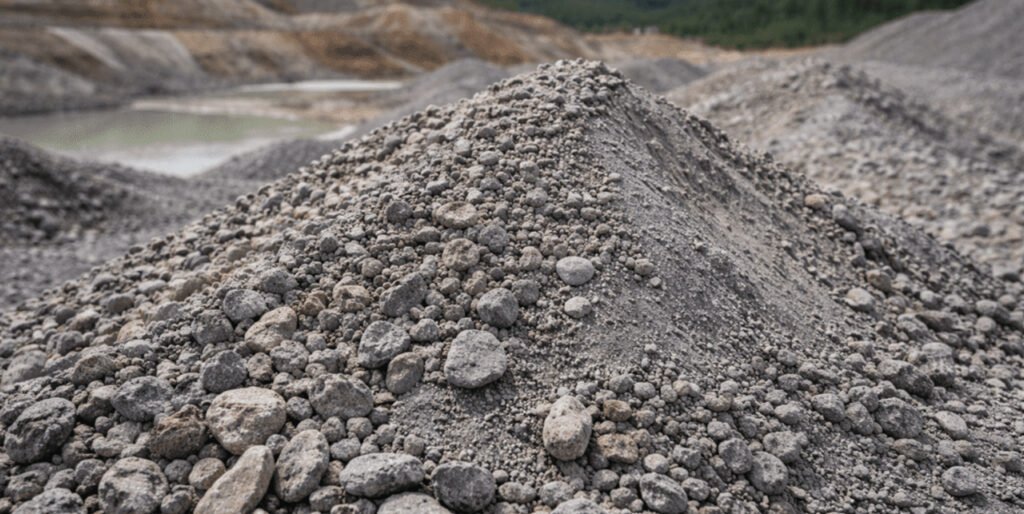
- Mineral processing recovery rates have a theoretical upper limit; for conventional metal mines, the recovery rate of valuable minerals generally ranges from 75% to 92%, leaving significant quantities of metals, rare earths, and rare-scattered elements in the tailings—materials that hold value for secondary processing.
- The mineral composition of tailings closely resembles that of quarried stone, river sand, and clay, allowing them to serve as large-scale substitutes for natural aggregates, cement raw materials, and brick-making feedstock, thereby alleviating pressure associated with the regulation of natural stone extraction.
- Tailings possess a stable granular structure, making them suitable as backfill material for underground workings and open-pit mines, which helps address issues such as geological subsidence and land idleness.
Explanation of actual data regarding the industry's current scale
- According to publicly available data from ICOLD, there are approximately 3,500 formally registered and regulated tailings dams worldwide; when including inactive facilities, closed sites, and legacy tailings piles with no clear owner, the total number of tailings storage facilities globally stands at around 18,000.
- Global annual tailings discharge exceeds 10 billion tonnes, with a cumulative historical stockpile of over 300 billion tonnes. During the era of extensive mining practices in the last century, approximately 180 million tonnes of tailings were discharged directly into rivers, lakes, and oceans annually; however, with the tightening of environmental regulations worldwide, such direct discharge has now been largely prohibited.
Tailings Storage Engineering System and Dam Structural Characteristics
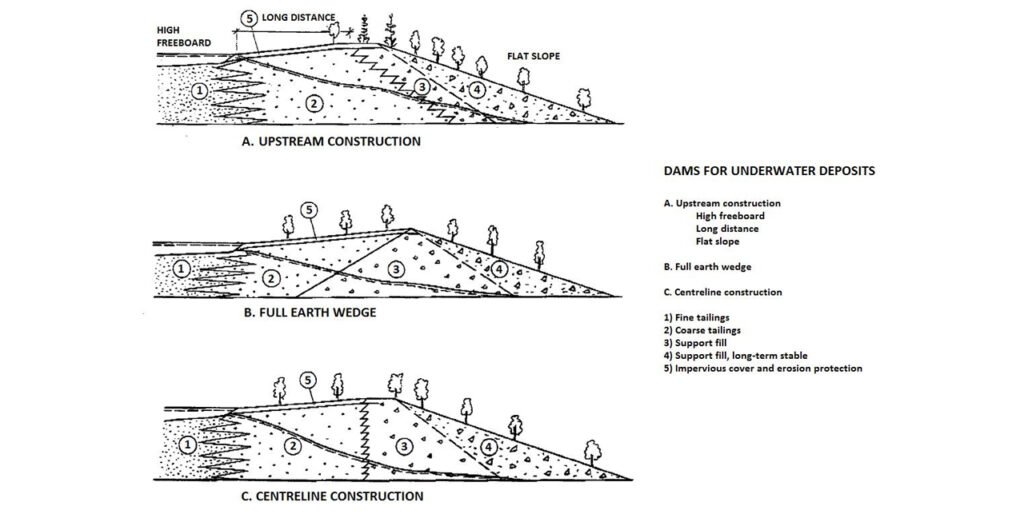
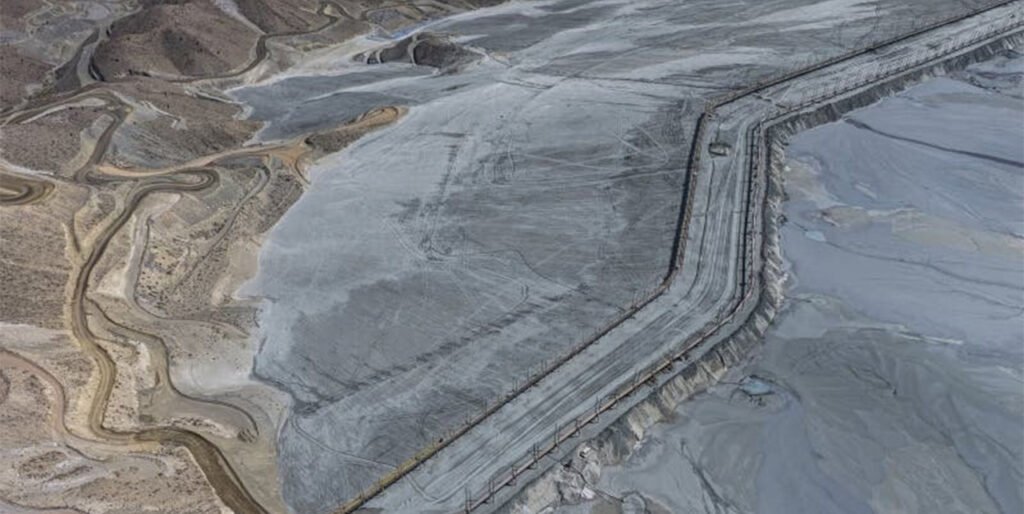
Comparison of Mainstream Storage Technologies and Parameters
Current compliant mine tailings disposal methods fall into four categories: wet tailings pond storage, paste stacking, filtered dry stacking, and underground or open-pit backfilling.
| Storage Process Type | Typical Solid-Liquid Mass Ratio | Material Flowability | Leachate Generation | Dam Construction Scale | Comprehensive Safety Level | Main Applicable Scenarios |
| Conventional Wet Storage | 1:1 ~ 2:1 | High flowability | High | Large | Relatively low | Large and medium-sized mines in low-seismic and low-rainfall areas |
| Paste Storage | ≥3:1 | No free flowability | Extremely low | Medium | Medium | Mines that combine surface stockpiling and underground backfilling |
| Filtered Dry Stacking | Approx. 5:1 | Solid, non-flowing | Almost none | Small | Relatively high | Mines with high environmental requirements and near residential areas |
| In-pit / Underground Backfilling | Adjusted according to process | Controllable | Low | No surface dam required | High | Underground mines with available goaf space |
- Wet stacking: The most mature technology with the lowest construction costs and the highest prevalence among older domestic mines; however, it suffers from a high phreatic line and a persistent risk of dam failure.
- Paste stacking: Relies on deep-cone thickeners for dewatering, with pipeline clogging being the most common operational challenge.
- Filtered dry stacking: Involves high capital and O&M costs for filtration equipment and presents difficulties in dewatering fine-grained tailings; slopes are prone to landslides in the rainy regions of southern China.
- Underground backfilling: Offers the highest level of safety but involves complex processes; primarily used in deep-mining operations.
Dam Structure Type and Engineering Characteristics
Dam construction for surface wet-method tailings ponds is categorized into four types: upstream, downstream, centerline, and single-stage (constructed in a single operation).
| Dam Construction Type | Core Structural Features | Suitable Site Conditions | Dam Failure Risk Level | Construction Cost Characteristics | Related Major Accident Cases |
| Downstream Method | Dam body is independent of the tailings deposit and is raised by extending outward layer by layer | High rainfall, high seismic intensity, large catchment area | Low | High material consumption, high construction cost | No records of large-scale catastrophic dam failures |
| Upstream Method | Relies on the deposited and consolidated tailings for load-bearing; dam crest advances toward the reservoir | Low rainfall, low seismic intensity areas | Extremely high | Uses tailings for dam construction; lowest cost | 2015 Brazil Samarco dam failure; 2019 Brazil Brumadinho dam failure |
| Centerline Method | Raised vertically along the central axis; can incorporate internal drainage structures | Medium rainfall and seismic intensity areas | Medium | Cost and safety are intermediate | Mostly local instability; no major disaster records |
| Single-stage Dam | Built to full height in one go; no subsequent raising | Small-scale tailings storage facilities | Low | One-time fixed investment | No major accident records |
- Upstream dam construction is widely used at older mines in developing countries due to its low cost; however, ICOLD statistics indicate that over 90% of major global tailings dam failures occur at upstream-type facilities.
- Downstream dams offer the highest level of safety but require vast quantities of external earth and rock fill, making them rarely used by large-scale mines; centerline dams represent a compromise solution and are the preferred choice for new, high-standard tailings storage facilities.
Fundamental differences between tailings dams and conventional water-retention dams
- Differences in functional positioning: Reservoirs are core assets for public welfare with stable, sufficient funding for operation and maintenance; tailings dams serve merely as repositories for solid waste and generate no direct economic benefit, leading enterprises to generally seek to cut maintenance costs.
- Differences in structural evolution: Reservoirs are built once to a permanent, fixed design; tailings dams are raised year by year alongside mineral processing operations, resulting in continuously changing geological conditions for the embankment and an operational lifespan spanning decades—factors that make them highly susceptible to design changes and management disconnects.
- Differences in loading media: The water in reservoirs has stable properties; conversely, tailings slurry varies in particle size and consolidation levels over time, making it highly prone to liquefaction, with failure mechanisms far more complex than those of reservoirs.
General Specifications for the Multi-dimensional Monitoring and O&M Industry
- Large-scale deformation monitoring via remote sensing, routine UAV inspections, and online monitoring of internal dam displacement, seepage pressure, pore water pressure, rainfall, and water levels;
- A four-level early warning mechanism is a mandatory safety standard for tailings ponds in my country;
- Long-term monitoring for closed ponds: monitoring in acidic seepage zones must span at least 50 years—or continue until water and soil parameters return to natural background levels—as a strict requirement for ecological remediation.
Evolution of Safety Risks and Accident Patterns
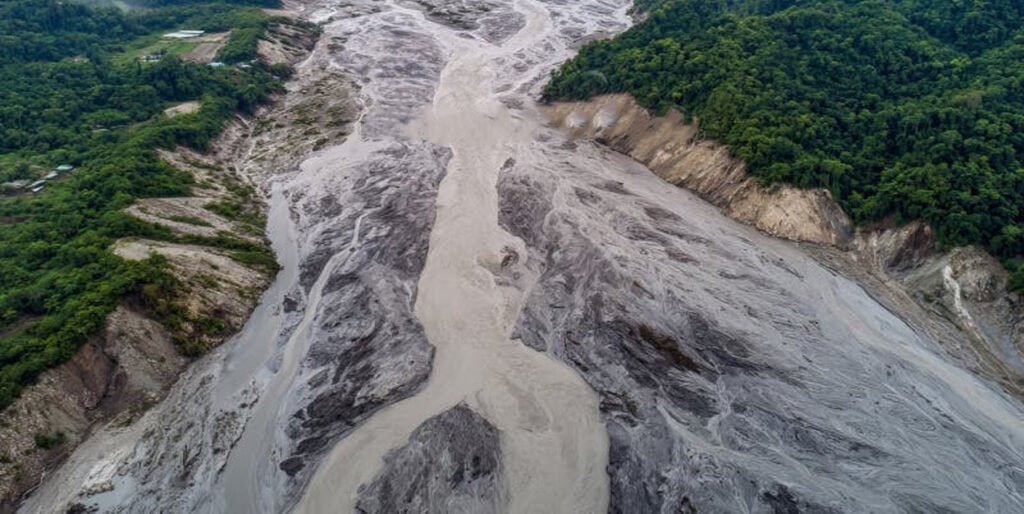
Objective evolutionary characteristics of the two types of risks
- Chronic pollution: insidious and prolonged, lacking sudden onset, with irreversible impacts.
- Dam failure risk: sudden occurrence with immense, instantaneous destructive power; primary triggers include dam overtopping due to extreme rainfall, seismic liquefaction, seepage and piping within the dam structure, unauthorized stockpiling exceeding reservoir capacity, and clogging of the drainage system.
Accident Statistics and Typical Cases
Industry statistics: ICOLD has recorded 67 major tailings-related disasters worldwide between 1950 and 2020, with a concentration of 33 incidents occurring between 1990 and 2009; these were driven by the rapid, extensive expansion of global mining operations and the widespread commissioning of upstream tailings storage facilities during that period.
Review of a real-life, representative accident:
- 2014 Mount Polley (Canada) tailings spill: 5 million cubic meters of heavy-metal-laden tailings polluted the river, causing long-term ecological damage to the watershed;
- 2015 Samarco (Brazil) dam collapse: 19 people died, and tailings contaminated 600 km of waterways, reaching the Atlantic Ocean;
- 2019 Brumadinho (Brazil) dam collapse: Over 270 people died; the root causes were the company's long-term concealment of hazards and negligence in operation and maintenance;
The direct discharge of tailings poses hazards: suspended solids suffocate aquatic life, and heavy metals bioaccumulate along the food chain. Consequently, most countries worldwide have enacted legislation completely banning the direct discharge of tailings into rivers and coastal waters.
Diverse Pathways for the Resource Utilization of Tailings
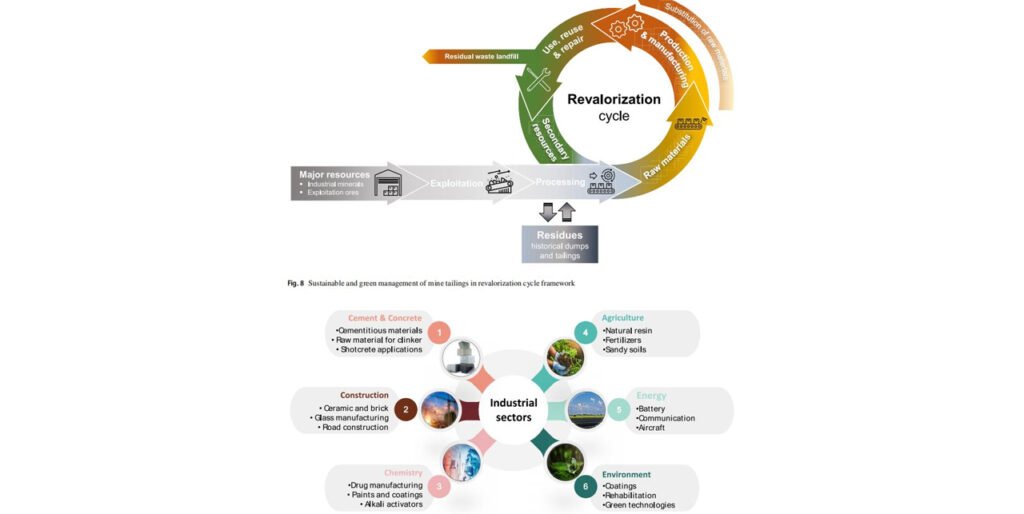
The mining industry has accumulated a massive volume of solid tailings waste over time; relying solely on storage management offers only a passive approach to mitigating safety and pollution risks, whereas resource-based utilization serves as a proactive strategy to eliminate stockpiles and unlock added value. Based on current levels of industrial implementation, technological maturity, and economic viability, tailings utilization can be categorized into four key sectors: large-scale bulk consumption, mineral component recovery, ecological restoration, and the production of high-value-added new materials. Each sector encompasses specific implementation pathways, with distinct requirements regarding particle size, mineral composition, and impurity levels; overall, the industry follows a strategic logic of prioritizing large-scale consumption while advancing toward high-value development.
Large-scale resource utilization of bulk materials: Large-scale application of construction aggregates.
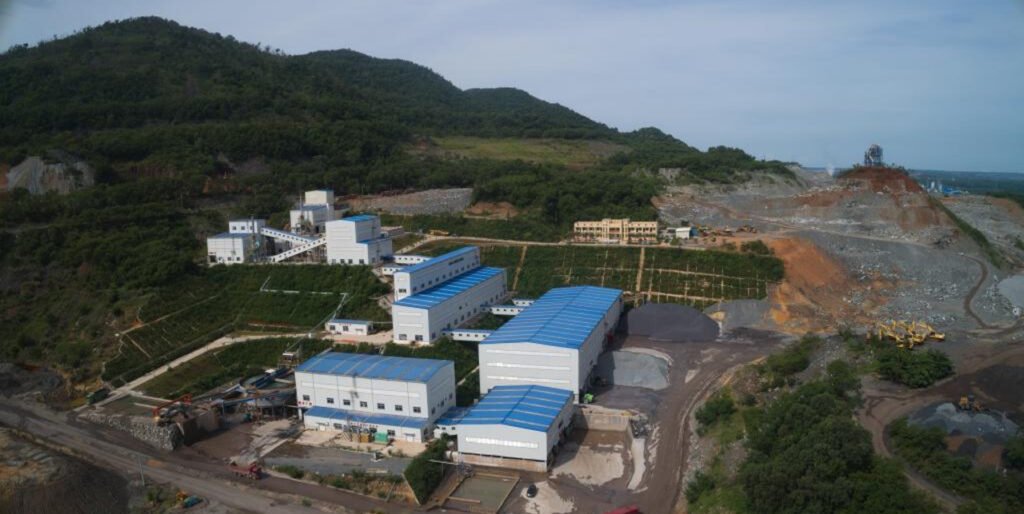
This approach is compatible with the vast majority of tailings types and offers the largest capacity for solid waste consumption per operation. Characterized by low barriers to industrialization and a mature, stable supply chain, it serves as the primary method for mines to process newly generated tailings and clear existing stockpiles. Applications are categorized into three areas: the production of sand and gravel aggregates, the blending of cement additives, and the manufacturing of wall and refractory materials.
Production of manufactured sand and stone aggregates
As regulations on natural sand and gravel extraction in the infrastructure sector tighten, the supply-demand gap for aggregates continues to widen; however, hard and chemically stable tailings and waste rock from surrounding rock—once crushed, screened, and shaped—can serve as complete substitutes for natural sand and gravel. Coarse-grained tailings and blocky waste rock are typically used for road subgrades and as coarse construction aggregates, while fine-grained tailings undergo intensive grinding and shaping to produce manufactured sand for use as fine concrete aggregate.
Compared to natural river sand, manufactured sand derived from tailings features a rougher surface texture that enhances internal interlocking strength within the concrete; furthermore, it is free of chloride ions, thereby eliminating the risk of rebar corrosion. During processing, screening equipment is used to strictly control the content of flaky or elongated particles, soil, and harmful substances. While soft tailings—characterized by low hardness and susceptibility to weathering—are unsuitable for high-strength construction aggregates, tailings rich in silica, basalt, or granite are ideal for producing aggregates for high-standard roads, bridges, and airport runways. Hard rock tailings with a low proportion of flaky particles can be processed into railway ballast capable of withstanding the long-term vibratory loads imposed by trains.
Application of Raw and Auxiliary Materials in the Cement Industry
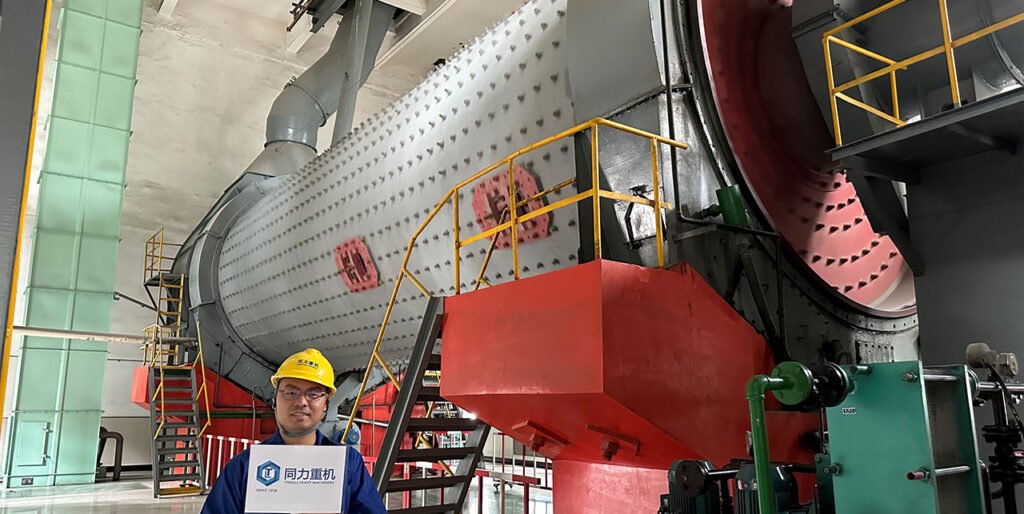
Tailings are utilized in cement production in three distinct ways, categorized by function: as raw material substitutes, active admixtures, and chemical correction materials.
- Clinker Firing Raw Materials: Shale and calcareous tailings serve as substitutes for clay and limestone in the basic mix for cement clinker; the mixing proportions must be dynamically adjusted based on the calcium, silicon, and aluminum content of the tailings.
- Active Admixtures: Tailings rich in glassy and amorphous structures are ground and blended into the finished cement to reduce clinker usage, optimize hydration performance, and lower production costs.
- Chemical Correction Raw Materials: Iron-rich tailings serve as iron-bearing correction materials, while silicon-iron composite tailings allow for the simultaneous adjustment of silicon and iron components in the clinker, stabilizing the physicochemical properties of the finished cement.
Processing of Wall Materials and Refractory Raw Materials
High-temperature sintering of conventional shale and coal-measure tailings can produce hollow bricks and permeable pavers, serving as a large-scale substitute for traditional clay bricks; meanwhile, gypsum-based tailings can be combined with fly ash and slag to press-form non-fired bricks, a process that eliminates the need for high-temperature calcination and results in lower energy consumption.
High-purity quartz tailings can be processed into siliceous refractory bricks—commonly used for lining metallurgical and glass-melting furnaces—while kaolinite and aluminous tailings can be used to manufacture refractory insulation blocks for the thermal insulation structures of high-temperature industrial equipment, provided that the content of harmful impurities such as sulfur and alkali metals is strictly controlled.
Re-processing for Valuable Components: Secondary Recovery and Utilization of Tailings
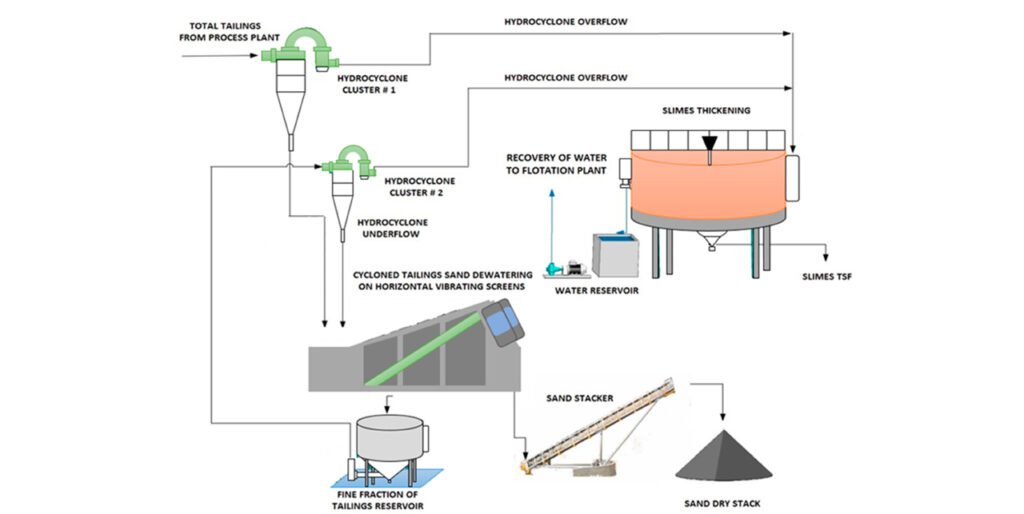
Due to limitations in early mineral processing technologies, significant quantities of metals and rare minerals remained in tailings. With the rising demand for rare earths and rare-dispersed metals driven by the new energy industry, the secondary processing of tailings has gradually evolved from small-scale trials into a normalized industrial practice. This approach requires no additional land use, and the residual material—after mineral extraction—can be channeled into building material production, thereby enabling an integrated, zero-waste process that combines mineral recovery with construction material manufacturing.
Traditional metal mineral recovery
Leveraging mature physical beneficiation processes—such as gravity separation, flotation, and conventional magnetic separation—residual non-ferrous metals (including iron, lead, zinc, and copper) are extracted from the tailings. For fine-grained iron tailings with weak magnetic properties, high-gradient magnetic separation equipment is employed to enhance separation efficiency and boost the recovery rate of iron concentrate, yielding a product suitable for direct feeding into the smelting process.
Extraction of Rare and Rare-Earth Minerals
Strategic minerals such as rare earths, scandium, and lithium are often associated with fine-grained tailings, making separation via conventional physical methods difficult. Current mainstream approaches employ mild chemical leaching combined with multi-field coupled, staged separation processes to achieve targeted extraction with minimal pollution. While the initial investment in equipment and reagents for this approach is relatively high—limiting large-scale deployment to areas producing high-value mineral tailings—it represents a key direction for the future high-value utilization of tailings.
Ecological Transformation and Utilization: Geological Stabilization and Land Reclamation
This utilization model prioritizes environmental remediation while also addressing tailings disposal; it is primarily applied to the closure and rehabilitation of mine sites and areas requiring geological hazard mitigation, encompassing three categories: underground mined-out area backfilling, open-pit mine backfilling and reclamation, and soil and water improvement.
Underground cemented backfill
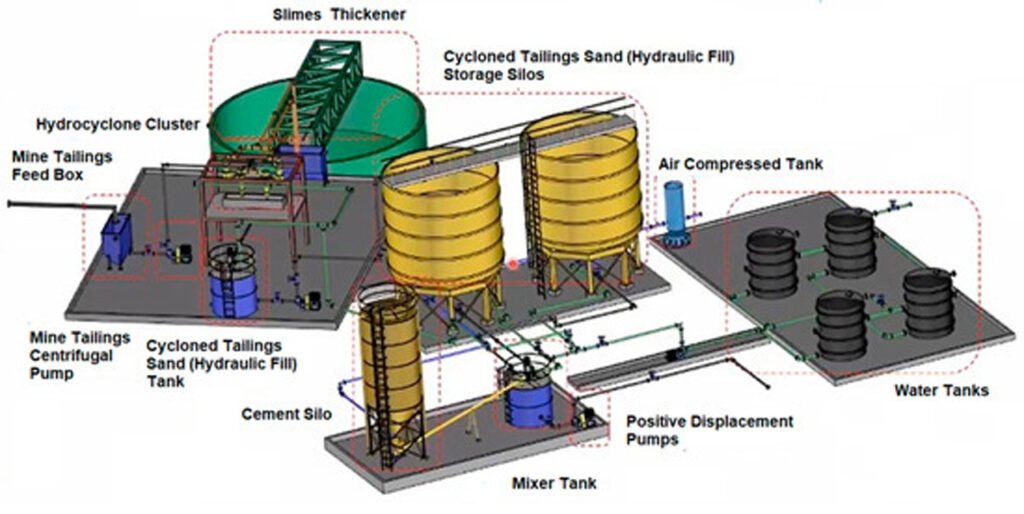
Backfill slurry is prepared by mixing tailings with a small amount of cementing material and transported via pump pressure to underground mined-out areas; once solidified, the resulting backfill body supports the surrounding rock, thereby preventing surface subsidence and strata collapse at the source. Underground backfilling requires no surface land and offers the highest level of safety; however, its drawbacks include the complex configuration of slurry preparation and pipeline transport systems, as well as the need for meticulous operation and maintenance.
Reclamation of open-pit sites for land creation
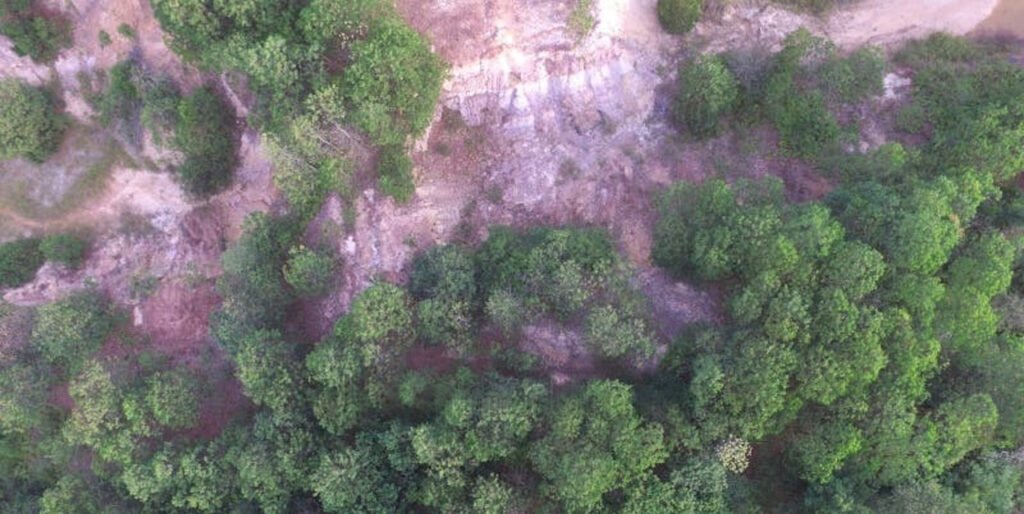
Abandoned open-pit mines and barren river flats resulting from mining operations can serve as sites for tailings disposal; once tailings filling is complete, a layer of arable soil is applied to the surface, transforming the land for agricultural or forestry use. The method of enclosing river flats with embankments for landfilling is widely applied in arid, low-rainfall regions, effectively revitalizing idle wasteland; meanwhile, acidic tailings are deposited within sealed mine pits to isolate them from air and rainwater, thereby inhibiting the continuous generation of acidic mine drainage.
Soil Amendment and Mineral Fertilizer Preparation
Inert tailings containing calcium, magnesium, potassium, and trace elements can be processed via ultrafine grinding and harmless modification into soil conditioners that loosen compacted soil and replenish mineral nutrients; however, tailings with excessive heavy metal content are strictly prohibited from direct use in farmland improvement and may only be utilized for stabilization during the ecological restoration of barren hills and saline-alkali land.
High-Value New Materials: Directions for Expansion through Precision Deep Processing
Building upon the foundation of bulk construction materials and metal recycling, tailings undergo purification and modification to produce new industrial materials and eco-friendly functional materials. These products offer significantly higher added value than traditional construction materials and are currently largely in the stage of industrial implementation; representative applications include environmental adsorption materials, microcrystalline foamed materials, and carbon-sequestering solidification materials.
Adsorption materials for heavy metals in wastewater
High-silica aluminosilicate tailings, when activated via calcination, develop a highly porous internal structure that serves as a low-cost adsorbent filler for treating mine leachate and industrial wastewater (specifically for heavy metal precipitation). Once saturated and spent, the material can be solidified and landfilled without generating secondary hazardous waste.
Glass-ceramic, foamed ceramic
After tailings are purified to remove impurities, they are blended with fluxing agents and melted at high temperatures to form glass-ceramics or foamed ceramics. These materials offer advantages such as light weight, corrosion resistance, and high strength, making them suitable for use as high-end decorative panels and thermal insulation building materials; however, the process demands strict standards regarding tailings purity and compositional uniformity.
Low-carbon, carbon-sequestering solidification materials
Carbon-sequestering backfill materials are produced by mixing tailings with alkaline activators; this process simultaneously sequesters carbon dioxide and stabilizes heavy metal ions, aligning with the development goals of low-carbon mining, and is widely applied in the in-situ solidification of tailings piles and backfilling operations.
Common Constraints and Fundamental Considerations for Resource Utilization
Regardless of the resource utilization pathway adopted, pollution prevention and control measures must be implemented throughout the entire processing chain: dust suppression systems must be installed during tailings crushing and transport to prevent the spread of airborne dust; wastewater from wet deep-processing must be collected and recycled; and residues remaining after the deep processing of heavy-metal-bearing or acidic tailings must undergo solidification and stabilization treatments to eliminate the risk of secondary soil and water pollution.
At the same time, resource utilization schemes should not be applied indiscriminately; instead, the most suitable utilization route must be selected by analyzing tailings particle size, chemical composition, and hazardous substance content, while also considering mine production capacity and the demands of surrounding industries. For massive stockpiles, priority should be given to high-volume consumption methods such as aggregate production or mine backfilling; for high-value tailings, priority should be given to mineral reprocessing; and in regions with strict environmental regulations, priority should be given to high-value, low-pollution routes such as the production of eco-friendly adsorption or carbon-sequestering materials.
The production of calcium carbonate fillers represents a key transitional pathway for the high-value utilization of tailings. Tailings residues rich in calcium hydroxide or calcium oxide—such as white mud, carbide slag, phosphogypsum, and alkali residue—can serve as raw materials for producing light calcium carbonate. Meanwhile, calcite veins, dolomite veins, and pure marble fragments found in mine waste rock can be screened and used as raw materials for heavy calcium carbonate production. Heavy calcium carbonate is widely used as a filler in industries such as plastics, rubber, glass, ceramics, and daily chemicals; the raw materials used must meet strict quality standards, specifically requiring high purity and low iron and sulfur content.
Machinery and equipment for the complete tailings processing workflow
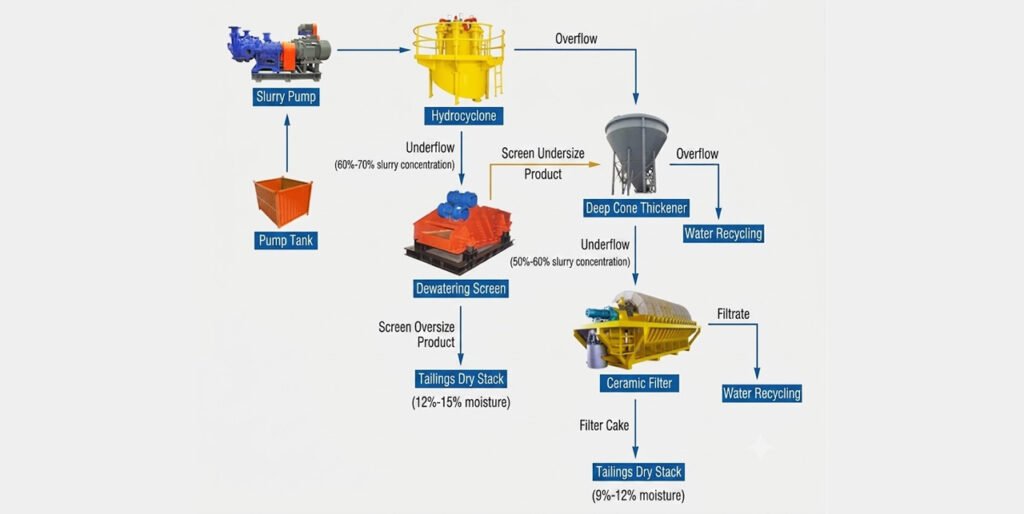
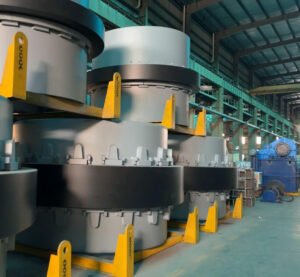
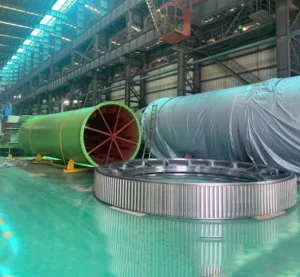
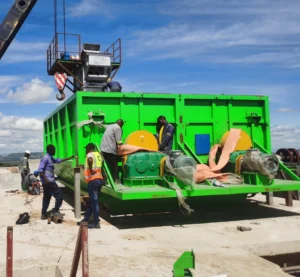
The journey of tailings—from their generation during mineral processing to final storage or resource utilization—relies on integrated processing equipment. This equipment can be categorized into five major types based on operational stages; each type is suited to specific processing scenarios, and the selection of equipment directly determines operational efficiency and costs.
Dewatering and concentration equipment
Dewatering and thickening serve as a critical preliminary stage linking mineral processing with subsequent disposal; the process comprises two phases: gravity thickening and deep dewatering.
Thickeners are the core equipment for gravity thickening, increasing slurry concentration by relying on the natural settling of solid particles; common types include center-drive, peripheral-drive, and deep-cone thickeners. Conventional thickeners are typically used for the pre-treatment of reclaimed water in wet tailings storage facilities, allowing the clarified supernatant to be directly reused. Deep-cone thickeners offer higher settling efficiency and can produce high-concentration paste materials, making them essential equipment for paste tailings processes. Thickening systems are usually equipped with flocculant dosing units to accelerate the aggregation and settling of fine particles, thereby enhancing processing efficiency.
Pressure filtration and filtration equipment handle deep dewatering tasks. Plate-and-frame and membrane filter presses operate across a wide pressure range and deliver excellent dewatering results; they are well-suited for highly sludgy, fine-grained tailings and serve as the primary equipment for producing filter cakes in dry-stacking processes. Ceramic vacuum filters, characterized by relatively low energy consumption, are predominantly used for dewatering coarser tailings.
Hydrocyclones utilize centrifugal force to achieve particle classification and preliminary dewatering; they separate coarse tailings for use in dam construction while directing fine particles to the subsequent thickening stage, and are frequently employed in conjunction with upstream dam construction methods.
Conveying and Stacking/Storage Equipment
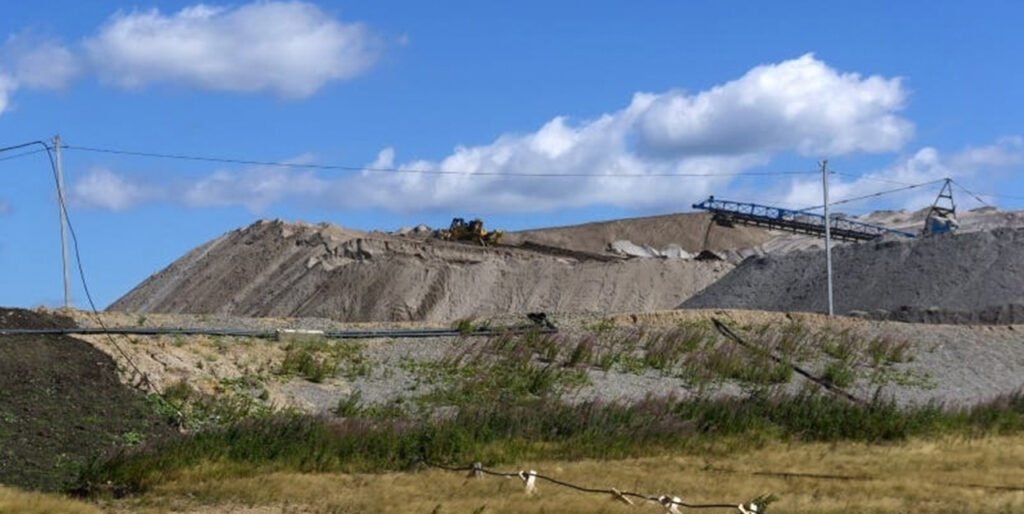
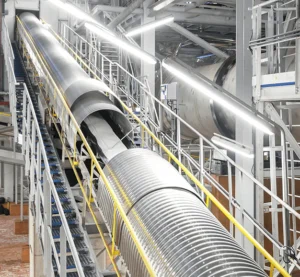
Slurry transport relies primarily on slurry pumps; featuring wear-resistant designs capable of withstanding erosion from high concentrations of solid particles, they handle the long-distance pipeline transport of wet mineral slurries. For high-viscosity paste materials, piston-type backfill pumps and screw pumps are employed to ensure stable transport of high-concentration plastic materials while minimizing the risk of pipeline blockages.
Regarding solid material transport, enclosed belt conveyors are used for the continuous transfer of dry tailings and filter cakes, with their sealed structures effectively suppressing dust emissions; meanwhile, highly flexible dump trucks are typically utilized for short-distance transfer and spreading operations within storage yards.
Stacking and shaping equipment includes bulldozers and road rollers, which handle the spreading and slope compaction of dry-stacked tailings—thereby enhancing the density and stability of the stack—and can also be used for site grading during the closure phase. Automated dam-building equipment enables in-situ drainage consolidation in moist environments, allowing for real-time control of the dam body's moisture content to facilitate stable formation.
Crushing, Screening, and Grinding Equipment
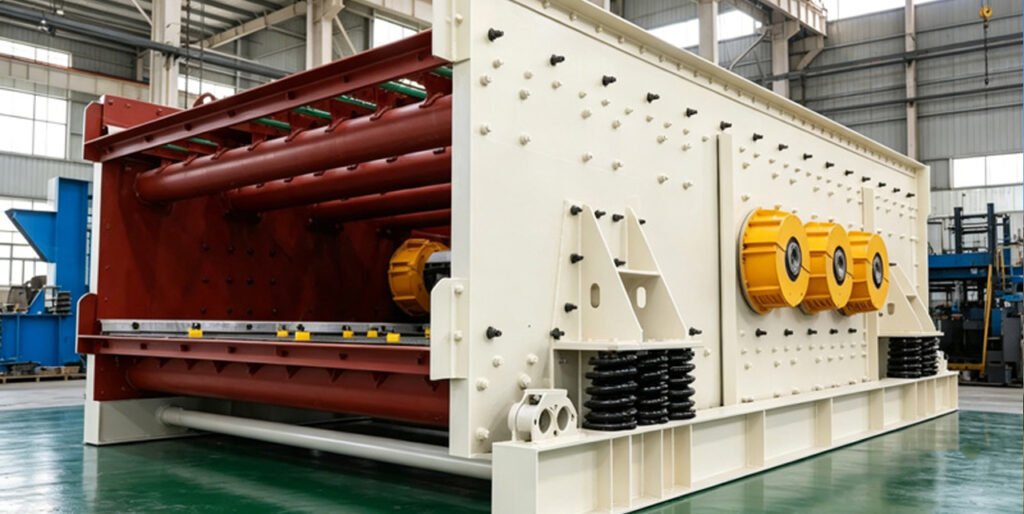
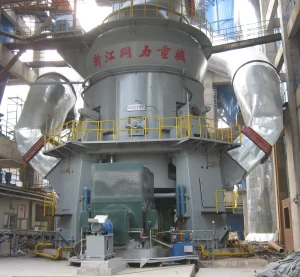
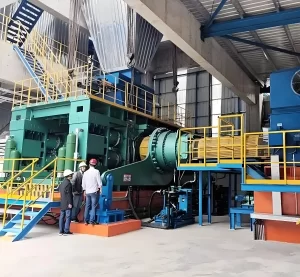
This type of equipment is primarily used for the processing of tailings into aggregates and for pre-treatment prior to tailings re-processing. Jaw crushers handle the primary crushing of large waste rock and coarse tailings, while cone crushers are employed for intermediate and fine crushing operations. Impact crushers optimize particle shape—producing uniform aggregates—and are specifically used to manufacture manufactured sand for concrete. Vibrating screens and trommel screens perform material classification; when paired with crushers to form a closed-circuit processing system, they ensure consistent aggregate sizing that meets specifications.
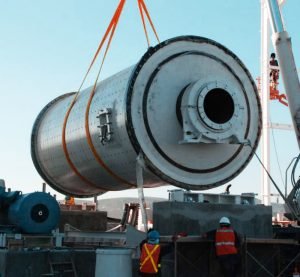
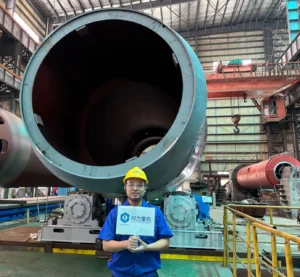
Ball mills and rod mills are utilized for the fine grinding stage prior to tailings re-processing, ensuring the full liberation of valuable minerals within the tailings to enhance subsequent recovery rates; grinding fineness can be flexibly adjusted according to specific mineral separation requirements.
Specialized equipment for underground backfilling
The cementing and mixing equipment comprises horizontal mixing tanks and vertical high-intensity mixers; these units blend tailings, cementing materials, and admixtures according to fixed ratios to produce a homogeneous backfill slurry. Activation mixing equipment is designed for use with new, low-carbon cementing materials, helping to optimize the solidified strength of the backfill mass.
The piping system is equipped with in-line sensors to monitor slurry concentration, flow rate, and pipeline pressure in real time; these sensors interface with variable-frequency pumps to automatically adjust operating conditions and predict potential pipeline blockages. Wear-resistant lined piping reduces frictional losses caused by the material, while some systems incorporate gravity potential energy recovery units that harness the elevation difference underground to recover kinetic energy, thereby lowering pumping energy consumption.
Auxiliary equipment for environmental protection and pollution control
Dust control equipment—including bag-type dust collectors and spray-based dust suppression units—is deployed in areas such as crushing workshops, transfer galleries, and the exposed dry zones of storage areas to suppress the spread of dust. Equipment for treating leachate and acidic water comprises neutralization and mixing units, biological oxidation treatment systems, and permeable reactive barriers, serving to neutralize acidity and precipitate heavy metals; in-situ microbial dosing equipment can be installed within tailings piles to provide long-term inhibition of acid generation resulting from sulfide mineral oxidation. Impermeable barrier construction rigs and geomembrane laying equipment are used to construct multi-layer anti-seepage systems, thereby blocking pathways for the lateral and downward migration of pollutants.
Full Lifecycle Management and Industry Development Direction
Core Principles of Control and Full-Lifecycle Requirements
There is no one-size-fits-all solution for tailings disposal; facility designs must be tailored to a range of factors, including site topography, climate, environmental conditions, regulatory requirements, and land constraints. The core principle prioritizes safety over cost, with management and control measures covering the entire lifecycle—from site selection and construction to operation, closure, and long-term stewardship—all in accordance with statutory standards for mines both domestically and internationally.
- Site Selection Phase: Residential areas are prohibited within dam-break inundation zones; the construction of new upstream-type tailings dams is strictly controlled; the installation of multi-layer impermeable lining systems is mandatory; and the direct discharge of tailings into natural water bodies is completely banned.
- Construction and Operation Phases: Third-party supervision is required throughout the construction process; online monitoring systems operate around the clock; and emergency control measures are routinely activated during flood seasons and extreme weather events.
- Closure Responsibilities: Enterprises bear primary responsibility for remediation, and the transfer of mining rights does not exempt them from obligations regarding the remediation of legacy tailings; the mandatory allocation of dedicated funds for ecological restoration is required, with these funds prioritized for tailings remediation during corporate bankruptcy liquidation, and any funding shortfalls covered by public finance.
- Acid Mine Drainage (AMD) Treatment System: A comprehensive approach comprising source-point covering to exclude oxygen, intermediate anti-seepage barriers, and end-of-pipe water treatment with recycling.
Global Industry Standards and Reduction Pathways
Authoritative international standards—such as the ICOLD guidelines on tailings safety and the UNEP regulations on mine solid waste management—serve as globally accepted reference standards; China implements the Safety Technical Regulations for Tailings Ponds and the Technical Specifications for Mine Ecological Restoration.
Pathways for implementing reductions:
- Long-term pathway (15+ years): Develop new technologies for in-situ leaching and waterless mineral processing to reduce tailings generation at the source.
- Medium-term pathway (5–10 years): Optimize mining and mineral processing techniques to improve mineral recovery rates and reduce the volume of newly generated tailings.
- Short-term pathway: Vigorously promote the resource utilization of tailings to rapidly consume existing tailings stockpiles.
Five key directions for R&D: precision geological exploration and modeling, intelligent and green mining, efficient and fine-grained mineral separation, low-pollution hydrometallurgical leaching, and the development of high-value new materials from tailings.
Long-term industry trends: the gradual phase-out of high-risk upstream-style wet tailings ponds; widespread adoption of dry stacking, paste stacking, and underground backfilling; a shift toward the "zero-waste mine" model; the standardization of remediation practices for legacy tailings; and the achievement of a balanced synergy between mineral development, ecological protection, and resource recycling.
Conclusion
Tailings are an inevitable byproduct of mining development, embodying a duality of environmental risk and resource value. Storage methods and dam structures determine the fundamental safety limits of these facilities, while the combination of human oversight failures and extreme weather events serves as the primary trigger for accidents. Resource utilization can effectively alleviate the pressure of solid waste accumulation and unlock the value of secondary minerals and construction materials. Integrated processing machinery provides the essential hardware for implementing various technologies, with the suitability of equipment selection directly impacting operational performance. Furthermore, long-term lifecycle regulation, lifelong accountability, and financial safety nets form the institutional foundation for the stable, long-term management of tailings.
Future development in the tailings sector will shift from passive storage and remediation toward proactive reduction at the source, and from crude, low-end utilization to refined, high-value development. Driven by technological innovation, equipment upgrades, and institutional improvements, the industry will continuously reduce disaster risks, maximize resource potential, and foster a sustainable balance between mineral development and environmental protection.