






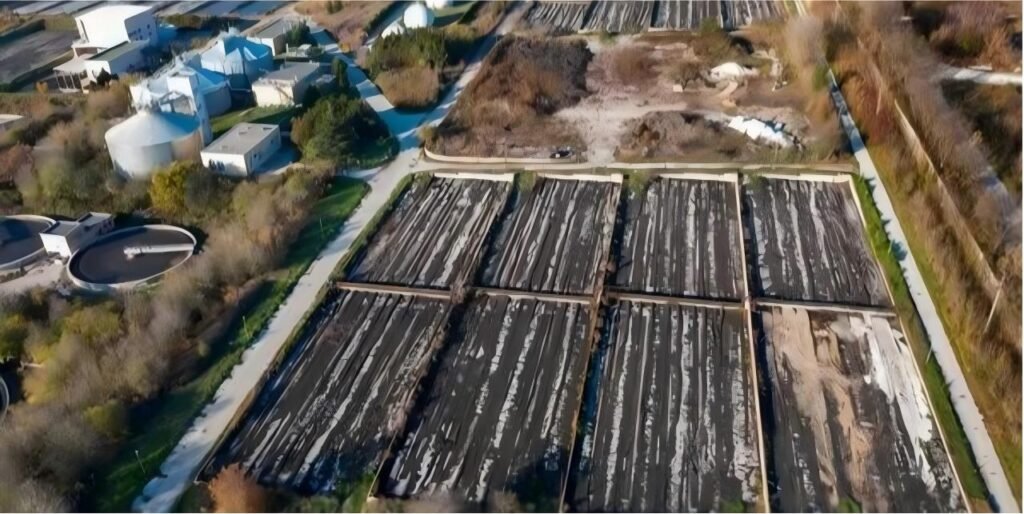
With the advancement of urbanization and the expansion of industrial production, global wastewater discharge continues to rise; consequently, wastewater treatment plants (WWTPs)—serving as core infrastructure for urban water environmental management—have become widespread globally. The wastewater purification process inevitably generates a semi-solid by-product known as sludge. Characterized by complex composition and high water content, sludge can cause secondary pollution if not managed properly. According to public data from China's National Development and Reform Commission, the country's urban wastewater treatment capacity exceeds 200 million tons per day; based on a water content of 80%, the annual sludge production surpasses 60 million tons, with projections indicating it will exceed 80 million tons by 2025. As treatment standards rise and capacities expand, sludge generation continues to climb, making sludge treatment and disposal a central issue in the wastewater treatment industry. This paper systematically outlines the generation mechanisms, physicochemical properties, and end-to-end treatment processes of WWTP sludge; it focuses on analyzing technical pathways for incineration and subsequent resource recovery via grinding, while also summarizing the comprehensive value of WWTPs and sludge treatment systems.
Basic Concepts of Wastewater Treatment Plants and Sewage Sludge
Overview of Wastewater Treatment Plants
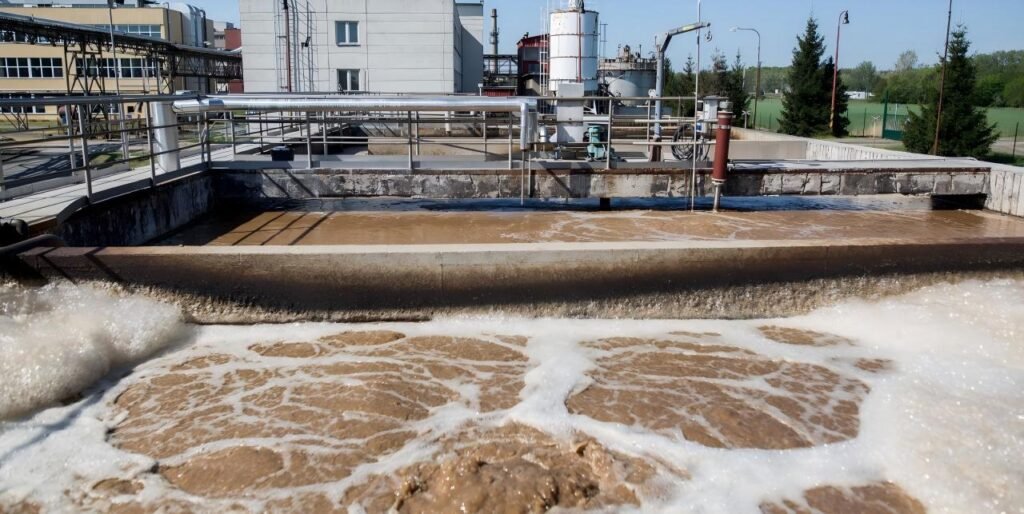
A wastewater treatment plant is a centralized facility designed to purify wastewater collected from residential, industrial, commercial, and agricultural sources. It employs a combination of physical, chemical, and biological processes to remove suspended solids, organic matter, nutrients, and pathogens; the treated effluent is then discharged into natural water bodies or undergoes advanced treatment for resource recovery and reuse.
The complete wastewater treatment process typically comprises four stages. The first stage is pretreatment: upon entering the plant via the collection network, wastewater passes through screens and grit chambers to remove large floating debris and grit, thereby protecting downstream equipment. The second stage is primary treatment, where wastewater enters a primary sedimentation tank; gravity settling removes the majority of suspended solids, typically eliminating 40% to 55% of the suspended solid pollutant load. The third stage is secondary treatment, which centers on biological processes; microorganisms degrade dissolved and colloidal organic matter through metabolic activity, serving as the core phase of purification. The fourth stage is tertiary treatment; some plants incorporate processes such as filtration, disinfection, and reverse osmosis to further remove nitrogen, phosphorus, heavy metals, and trace pollutants, thereby enhancing effluent quality. Sludge is generated throughout all these process stages.
Definition and Generation Process of Sludge
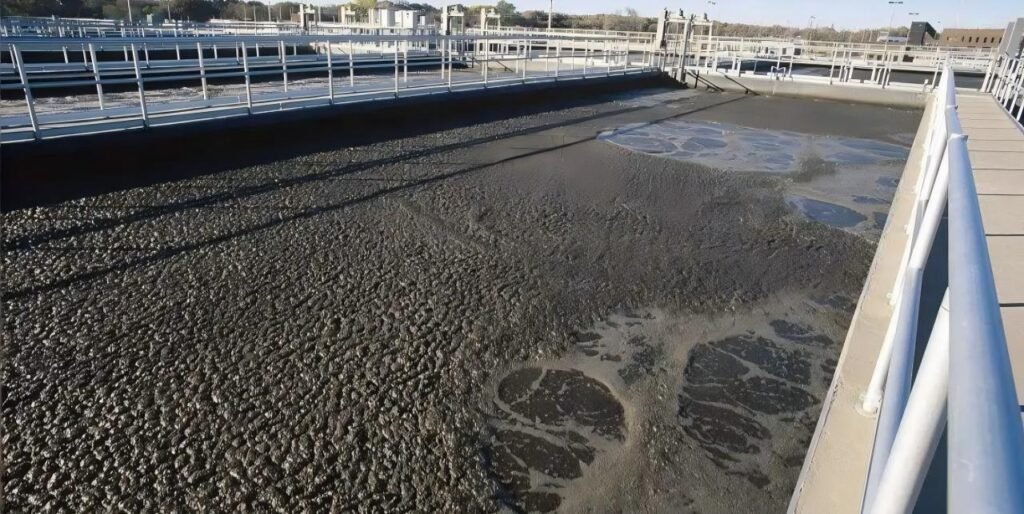
Sewage sludge is a semi-solid or solid concentrate separated during the wastewater purification process, composed of organic debris, microbial cells, inorganic particles, colloidal substances, and adsorbed pollutants. Sludge is not a homogeneous material; its composition and properties vary significantly depending on the wastewater source, treatment process, and operational parameters. Untreated sludge contains pathogens, heavy metals, and persistent organic pollutants; direct discharge can cause secondary pollution of soil, groundwater, and the atmosphere. Therefore, it requires volume reduction, stabilization, and harmless treatment before final disposal.
Sludge is generated throughout the entire wastewater treatment process, and the sludge produced by different units exhibits distinct characteristics:
- Pre-treatment stage: Screenings (floating debris captured by screens) and grit (settled in grit chambers) constitute the initial screening waste. Characterized by high inorganic content and significant pollution levels, this material is typically transported directly to landfills rather than entering the main sludge treatment process.
- Primary treatment stage: In the primary sedimentation tank, denser solid particles settle via gravity to form primary sludge. This sludge consists primarily of settleable organic matter—including food scraps, fibers, fecal solids, and inorganic debris—and has a water content of approximately 95%–97%.
- Secondary treatment stage: Microorganisms in the biological reaction tank degrade organic matter while continuously proliferating, forming activated sludge flocs. Upon entering the secondary sedimentation tank, the sludge flocs settle and separate; the majority is returned to the biological tank to maintain microbial concentration (known as return activated sludge), while the excess biomass beyond system requirements is continuously discharged as waste activated sludge (WAS). WAS has a water content of 99.2%–99.6% and consists mainly of microbial cells and extracellular polymeric substances; it is the primary focus of sludge treatment operations.
- Tertiary treatment stage: Processes such as chemical coagulation and advanced filtration generate chemical sludge, which is composed primarily of the hydrolysis products of added chemicals and removed trace pollutants.
Classification and Basic Characteristics of Sludge
Based on the generation stage and compositional characteristics, sludge from wastewater treatment plants can be classified into four main types; the specific differences are shown in the table below:
| Sludge Type | Generation Unit | Main Components | Typical Moisture Content | Core Characteristics |
| Primary Sedimentation Sludge | Primary Sedimentation Tank | Settleable organic matter, inorganic gravel, fiber debris | 95%~97% | Organic matter is easily degradable, good dewatering performance |
| Excess Activated Sludge | Secondary Sedimentation Tank | Microbial cells, extracellular polymeric substances, fine particle suspensions | 99.2%~99.6% | Fine particles, high bound water content, difficult to dewater |
| Humus Sludge | Biofilm Method Secondary Sedimentation Tank | Shed biofilm, microbial residues | About 97% | High organic matter content, better settling performance than activated sludge |
| Chemical Sludge | Advanced Treatment Unit | Coagulant hydrolysis products, adsorbed phosphorus and heavy metals | 95%~98% | High proportion of inorganic components, properties vary with the type of chemicals |
Sewage treatment plant sludge possesses four common fundamental characteristics:
- First, the water content is extremely high. Water typically accounts for over 95% of liquid sludge—and more than 99% of excess activated sludge—resulting in a massive volume and high costs for transportation and disposal. The water in sludge exists in four forms: free water, interstitial water, adsorbed water, and bound water; among these, bound water is trapped by microbial cells and extracellular polymeric substances, making it difficult to remove via mechanical methods.
- Second, the organic matter content is high. Volatile solids typically constitute 50% to 70% of the dry weight of municipal sludge, with proteins, polysaccharides, and lipids as the primary components. These organic substances are prone to decomposition and putrefaction at ambient temperatures, generating foul-smelling gases.
- Third, the composition is complex and poses environmental risks. Sludge contains pathogens such as bacteria, viruses, and parasite eggs; sludge mixed with industrial wastewater may also contain heavy metals and persistent organic pollutants, necessitating stabilization and harmless treatment.
- Fourth, it contains recoverable resources. The organic components and nutrients (such as nitrogen and phosphorus) in sludge offer potential for energy and resource recovery: anaerobic digestion can produce biogas, incineration allows for heat recovery, and inorganic ash residues can be utilized in the production of construction materials.
Conventional treatment processes for sewage treatment plant sludge
The overarching goals of sludge treatment are volume reduction, stabilization, harmlessness, and resource recovery. Based on technical characteristics, sludge treatment can be categorized into four main types: physical volume reduction, chemical treatment, biological stabilization, and thermal treatment; among these, incineration falls under the thermal treatment category, while chemical treatment spans multiple stages such as conditioning and stabilization. A complete sludge treatment chain typically comprises four core stages—thickening, conditioning, dewatering, and stabilization—with different processes suited to sludge of varying scales and properties.
Upstream physical volume reduction process
Sludge thickening
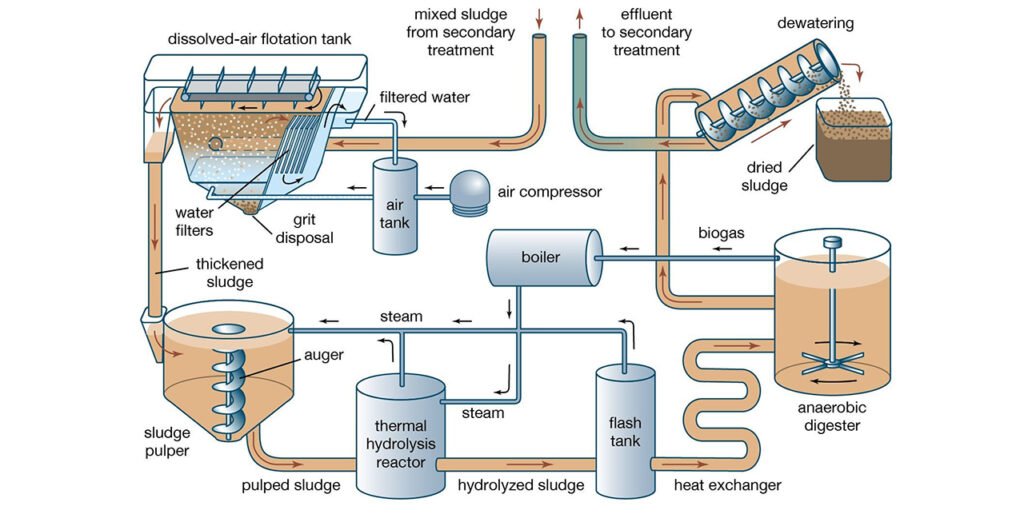
Thickening is the initial volume-reduction step in sludge treatment; it increases the solids content by removing free water, thereby reducing the load on subsequent treatment processes. Common thickening techniques include gravity thickening, dissolved air flotation (DAF) thickening, and centrifugal thickening. Gravity thickening relies on the natural settling of solid particles and is suitable for primary sludge. DAF thickening utilizes micro-bubbles that adhere to sludge particles, causing them to float, making it suitable for lower-density excess activated sludge. Centrifugal thickening employs centrifugal force to achieve solid-liquid separation, offering the advantages of a small footprint and high efficiency. Following thickening, the solids content of the sludge can typically be raised to a range of 2% to 5%.
Chemical conditioning of sludge
Sludge particles carry a negative surface charge, and their extracellular polymeric substances (EPS) are highly hydrophilic, resulting in poor direct dewatering performance. Chemical conditioning is the most common chemical treatment method; it involves the addition of iron salts, lime, or cationic polyacrylamide to neutralize particle charges, increase floc size, and release a portion of the bound water. Thermal conditioning is another approach; it utilizes heat to rupture microbial cells, releasing intracellular water and decomposing EPS, thereby functioning as a combined thermo-chemical treatment process.
Mechanical dewatering
The dewatering process further separates conditioned sludge into sludge cake and filtrate; primary equipment includes belt filter presses, plate-and-frame filter presses, and centrifuges. Belt filter presses remove water through the squeezing and shearing forces exerted by two tensioned filter belts, offering continuous operation and ease of maintenance. Plate-and-frame filter presses achieve deep dewatering via high-pressure compression between filter plates, yielding a sludge cake with a solids content exceeding 35%. Centrifuges utilize a centrifugal force field to accelerate solid sedimentation, offering high processing capacity and a compact footprint. Following mechanical dewatering, the sludge volume can be reduced to less than one-tenth of its original volume.
Sludge stabilization treatment
The purpose of stabilization processes is to degrade readily biodegradable organic matter and inactivate pathogens, thereby reducing the environmental risks and odor emissions associated with sludge; these processes primarily fall into two categories: biological stabilization and chemical stabilization.
Biological stabilization is exemplified by anaerobic digestion and aerobic digestion. Anaerobic digestion takes place in sealed reactors, where methanogens decompose organic matter into methane and carbon dioxide under oxygen-free conditions; the resulting biogas can be utilized for power generation or heating. This process achieves both sludge volume reduction and energy recovery, making it the prevailing stabilization technology for large and medium-sized wastewater treatment plants. Aerobic digestion occurs in open reaction tanks, where aeration enables aerobic microorganisms to oxidize and decompose organic matter. This process does not produce methane and involves relatively simple operational management, though it entails higher energy consumption and is typically employed by smaller treatment plants.
Chemical stabilization constitutes a significant branch of sludge treatment technology; it primarily relies on chemical reagents to achieve pathogen inactivation, modification of organic matter, and immobilization of heavy metals, encompassing the following technical approaches:
- Lime stabilization: Quicklime is added to raise the sludge pH above 11; the heat generated by the reaction simultaneously raises the sludge temperature, killing the vast majority of bacteria and inhibiting putrefaction, while also passivating certain heavy metal ions. This process is simple to operate and requires low investment costs; however, it increases the total mass of the sludge and achieves only short-term stabilization, making the sludge prone to renewed putrefaction if environmental conditions change.
- Thermo-alkaline hydrolysis: This method combines thermal and alkaline treatments, typically involving the addition of sodium hydroxide or lime at temperatures of 110–140°C to maintain the sludge pH above 10. The process thoroughly disrupts microbial cells and eliminates all pathogens while improving sludge dewatering performance; although treatment times are short, it is also classified as a short-term stabilization technology.
- Chemical oxidation treatment: Oxidizing agents such as ozone, hydrogen peroxide, or potassium permanganate—or processes like wet oxidation and advanced oxidation—are used to directly oxidize and decompose organic matter and toxic substances in the sludge. Simultaneously, these methods break down extracellular polymeric substances and cell walls, thereby enhancing sludge dewatering performance and anaerobic digestion efficiency. Such technologies are primarily used for the pretreatment of industrial or recalcitrant sludge, whereas in municipal sludge treatment, they are often employed in conjunction with other processes.
Comprehensive Comparison of Mainstream Processing Technologies
Different sludge treatment technologies differ significantly in terms of volume reduction, the degree of harmlessness, and economic viability; the applicable scenarios for each technology are shown in the table below:
| Treatment Technology | Volume Reduction Effect | Harmlessness Degree | Energy Output | Investment Cost | Applicable Scenarios |
| Anaerobic Digestion | Moderate | Partially Stabilized | Biogas Production | Moderate | Large and medium-sized municipal sludge with high organic content |
| Aerobic Fermentation | Moderate | Basically Stable | None | Low | Municipal sludge with accessible land utilization pathways |
| Rotary Kiln Incineration | High | Complete Harmlessness | Recoverable Waste Heat | High | Industrial sludge, toxic and hazardous sludge, land-scarce areas |
| Sanitary Landfill | None | Higher Risk | None | Low | Small water plants, areas with sufficient landfill resources |
Sludge incineration treatment process
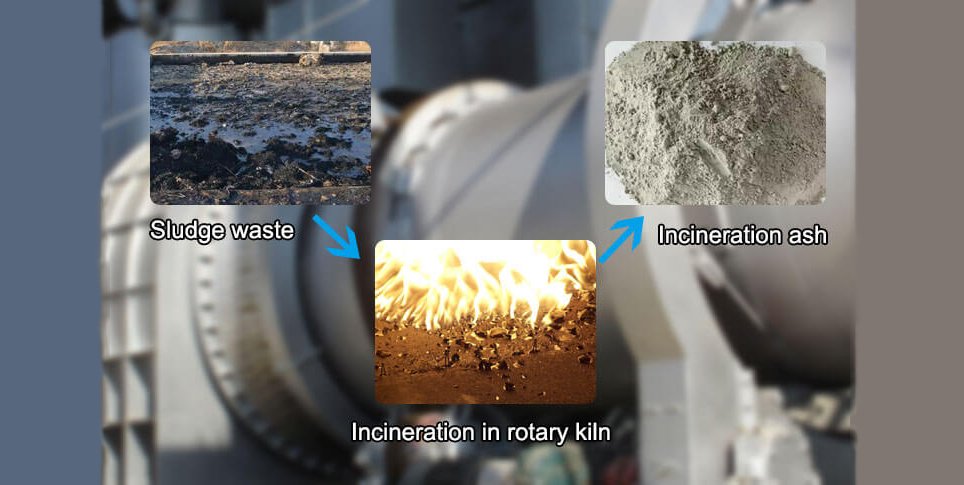
When sludge contains high levels of toxic or hazardous substances, or when land application options are restricted, incineration serves as a technical solution for achieving complete detoxification and maximum volume reduction. Sludge incineration involves the complete oxidation of organic components under high-temperature, aerobic conditions, yielding inert ash and flue gas as final products; compared to dewatered sludge cake, this process can achieve a volume reduction rate of over 90%. Currently, the most widely used incineration system is a two-stage combustion process combining a rotary kiln with a secondary combustion chamber.
Composition and Process Flow of the Process System
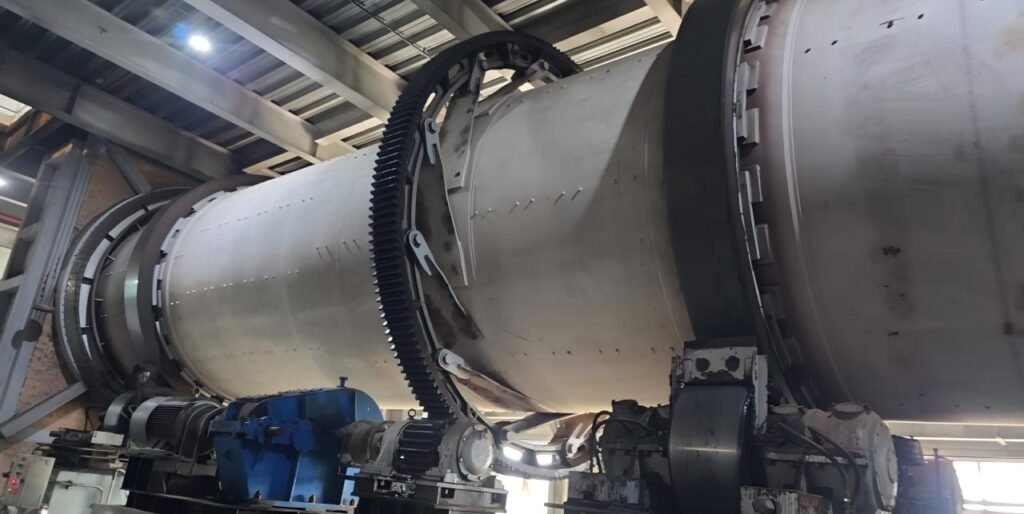
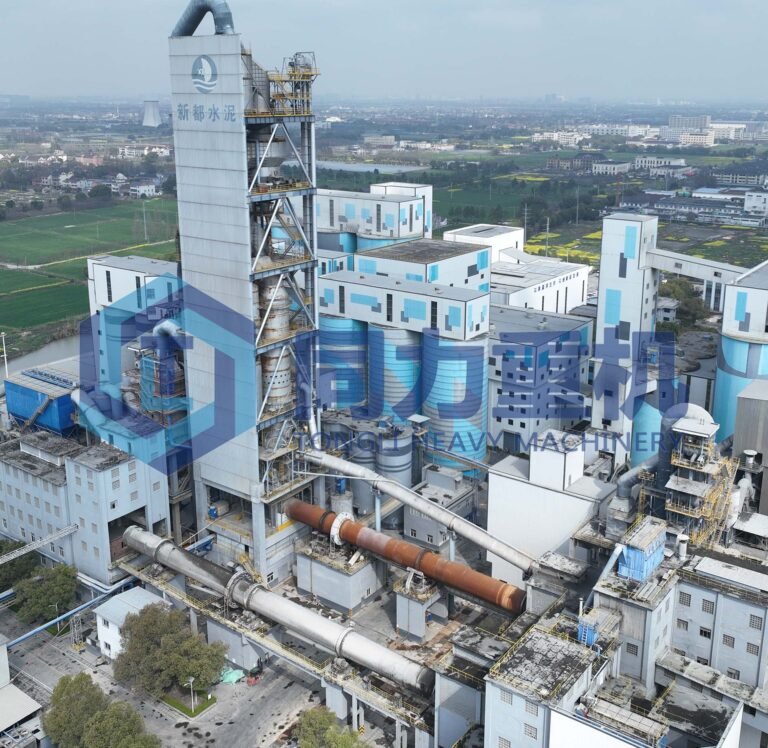
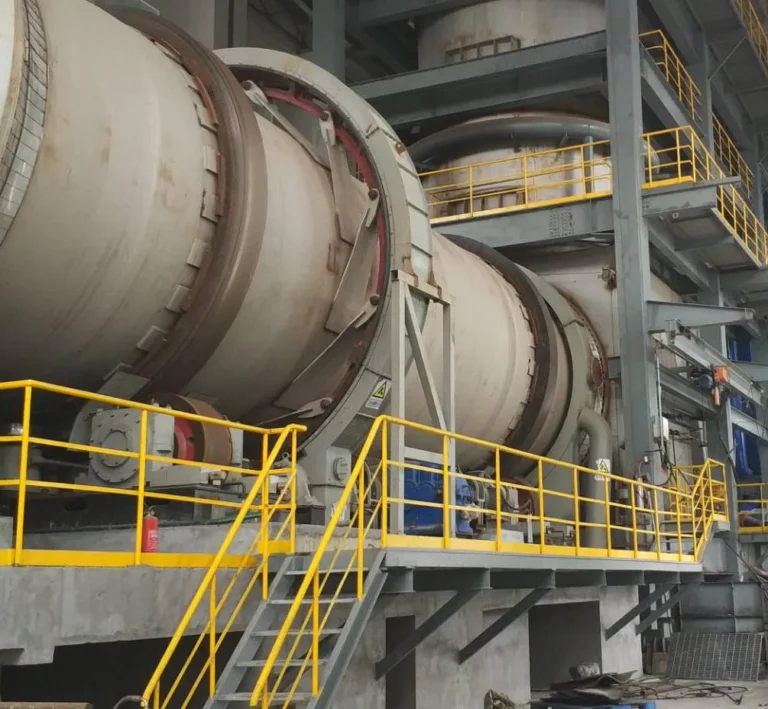
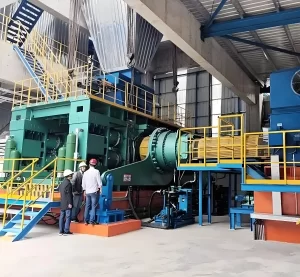
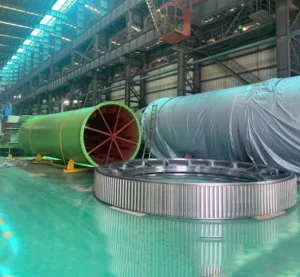
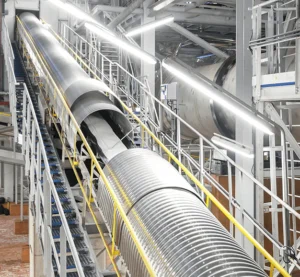
The rotary kiln incineration system consists of a pretreatment and feeding unit, the rotary kiln itself, a secondary combustion chamber, a waste heat recovery unit, and a flue gas purification unit. Dewatered sludge enters the rotary kiln via crushing and conveying equipment; the kiln is an inclined steel cylinder lined with refractory material that rotates slowly at a speed of 0.5 to 2 revolutions per minute during operation. Inside the kiln, the sludge tumbles and moves forward with the rotation of the cylinder, passing sequentially through the drying, pyrolysis, and combustion zones; the internal temperature is maintained between 850°C and 950°C, with a material residence time of approximately 30 to 90 minutes. During this process, the moisture in the sludge completely evaporates, volatile organic compounds are released and partially combusted, fixed carbon is gradually burned off, and inorganic components form ash residue that is discharged from the kiln outlet.
Functions and Operating Parameters of the Secondary Combustion Chamber
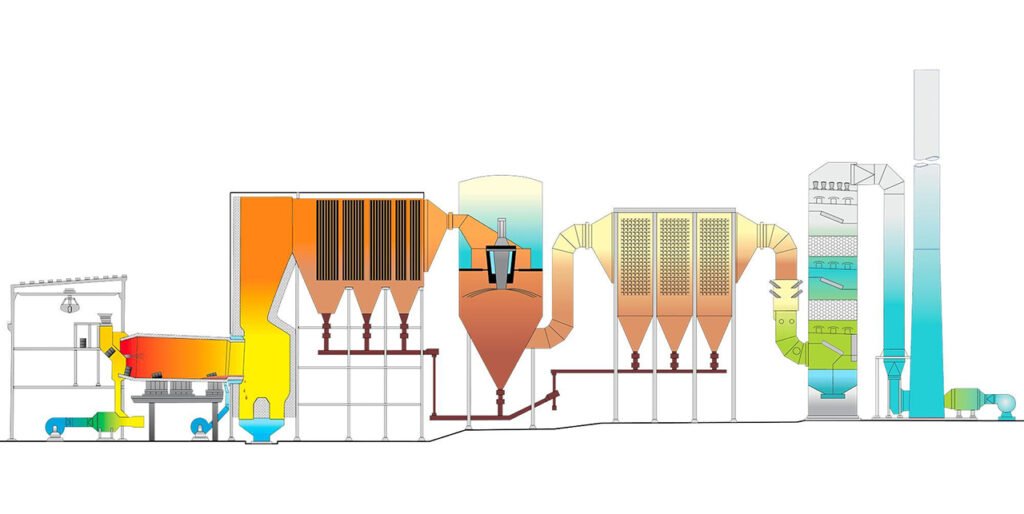
The high-temperature flue gas discharged from the rotary kiln contains incompletely combusted volatile organic compounds and particulate matter; direct discharge would cause atmospheric pollution, necessitating further treatment in a secondary combustion chamber. This chamber features a vertical design equipped with an auxiliary burner and a multi-stage swirling secondary air system; upon entry, the flue gas temperature rises above 1,100°C, with a high-temperature residence time of at least two seconds. This design adheres to the principles of temperature, time, and turbulence control required for incineration, achieving a decomposition rate of over 99.99% for persistent organic pollutants such as dioxins and furans.
Waste Heat Recovery and Flue Gas Purification
High-temperature flue gas generated during incineration first passes through a waste heat boiler to recover heat for sludge drying or facility heating; it then flows sequentially through a quenching tower, an acid removal tower, a baghouse filter, and a denitrification unit to remove acidic gases, particulate matter, and nitrogen oxides before final discharge in compliance with standards. Bottom ash and fly ash are collected separately; fly ash, being enriched with heavy metals, typically requires management as hazardous waste, whereas bottom ash can be utilized as a resource following stabilization treatment.
Grinding and Resource Utilization of Sewage Sludge Incineration Ash
When sewage sludge is processed via an incineration system comprising a rotary kiln and a secondary combustion chamber, two main types of solid residues are produced: incineration bottom ash discharged from the kiln tail, which accounts for 70%–80% of the total ash and serves as the primary feedstock for grinding and resource recovery due to its stable inorganic nature; and fly ash collected by the flue gas purification system, which accounts for 20%–30% of the total and is enriched with heavy metals and soluble salts. As-produced bottom ash has uneven particle sizes and low reactivity, limiting its direct application; however, grinding allows for particle size control and enhanced material reactivity, making it a necessary preparatory step for achieving high-value resource utilization.
Pretreatment of incineration ash and slag
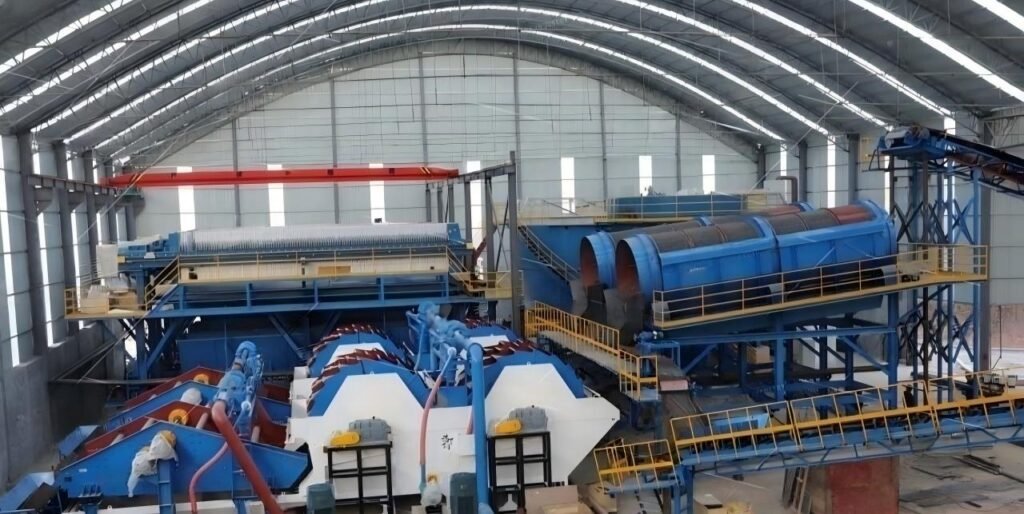
Pre-treatment of bottom ash prior to grinding
Multi-step pre-treatment of incineration bottom ash is required prior to grinding to ensure the stable operation of grinding equipment and the consistent quality of the finished product.
- Screening and Impurity Removal: Vibrating screens are used to remove refractory material fragments and large, unburnt debris mixed in during the incineration process; this step controls the feed particle size to under 50 mm and rejects exceptionally hard components.
- Magnetic Separation (Iron Removal): Suspended magnetic separators are employed to extract metal particles from the ash and slag, preventing hard metal components from entering the mill and damaging the grinding media and liners.
- Drying and Conditioning: Incineration bottom ash typically has a natural moisture content of 5%–15%; it must be dried using hot air to a moisture content below 2% to prevent material clogging or wall adhesion during grinding and to enhance grinding efficiency. In some production lines, materials such as slag or calcareous additives are blended in at this stage according to specific ratios to precisely adjust the activity indices of the final product.
Stabilization pretreatment of fly ash
Due to high concentrations of heavy metals and chloride salts, fly ash cannot be directly utilized as a resource and requires prior detoxification and stabilization treatment. Mainstream pretreatment technologies include:
- Water-washing and desalination: Removes 70%–90% of chlorides and sulfates from fly ash via water washing, thereby reducing soluble salt content and enhancing suitability for use in construction materials.
- Chemical stabilization: Involves adding chelating agents, phosphates, or sulfides to react with heavy metals and form insoluble compounds, or using cement, lime, or other cementing materials for solidification and encapsulation, thereby reducing the risk of heavy metal leaching to levels below regulatory limits.
- High-temperature melting: Melts fly ash at temperatures exceeding 1,200°C to form a vitreous (glass-like) substance upon cooling, thoroughly immobilizing heavy metals within the crystal lattice; while this method achieves the highest level.
Stabilized fly ash can be utilized in conjunction with bottom ash for the production of construction materials, further increasing the overall utilization rate of incineration by-products.
Core Processes and Equipment for WTTP Sludge Closed-Circuit Grinding
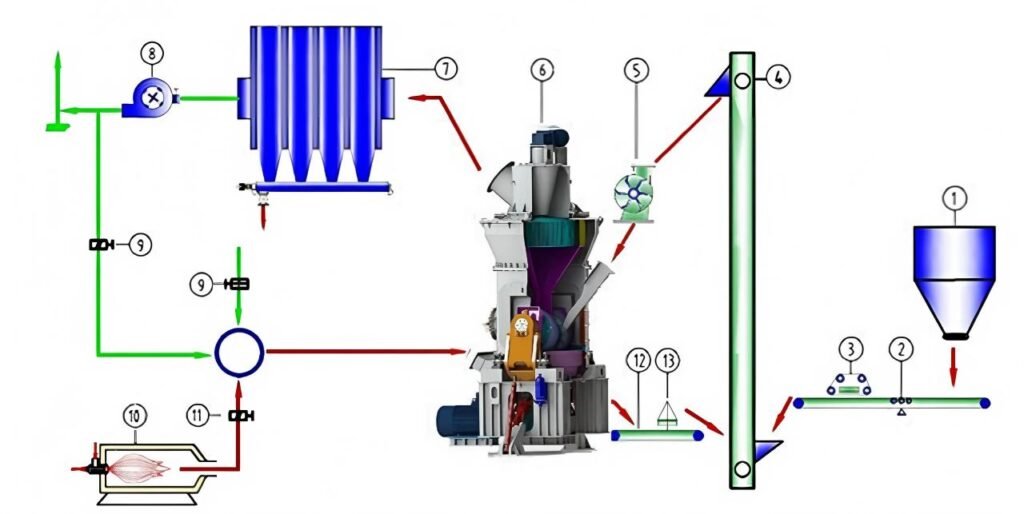
Industrial-scale production typically employs a closed-circuit grinding system; the complete process is as follows:
- The pre-treated ash/slag is fed into the main grinding unit via metering equipment and a sealed screw conveyor;
- Inside the mill, the material is pulverized through the combined mechanical actions of compression, shearing, and friction, while hot air is simultaneously introduced to dry out any remaining moisture; the mechanical forces during grinding disrupt the crystal lattice on the surface of the ash particles, thereby enhancing the material's pozzolanic activity;
- The ground material is carried by the airflow into a dynamic powder separator for particle size classification; fine powder meeting the required specifications is collected as the final product in a pulse dust collector, while coarse particles fall back into the grinding zone for further processing, creating a closed-loop circuit;
- The finished powder is transported to sealed silos for storage, with the entire process managed under enclosed conditions to prevent fugitive dust emissions.
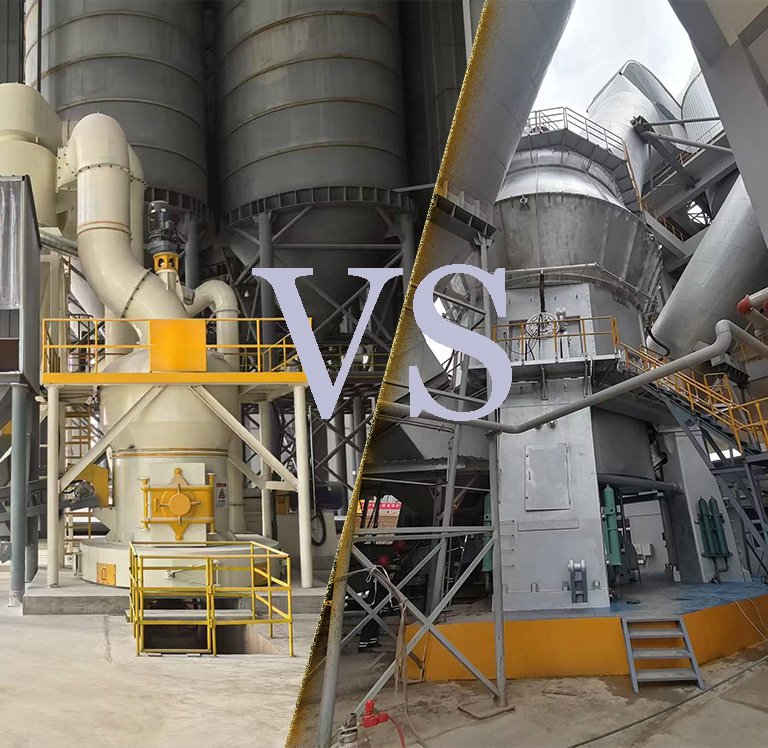
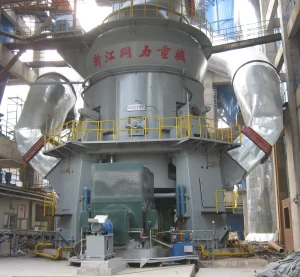
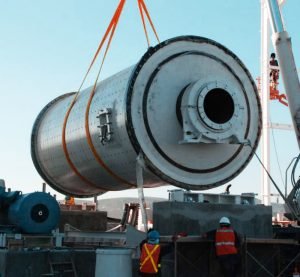
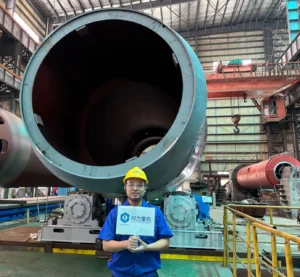
Vertical roller mills are currently the mainstream equipment for the large-scale grinding of sewage sludge incineration ash, while some small- and medium-sized production lines utilize ball mills; the parameter differences between these two types of equipment are as follows:
- Vertical Roller Mill: Integrates drying, grinding, and classifying functions into a single unit. It features a streamlined process flow, a compact footprint, and low energy consumption, making it the preferred choice for industrial-scale applications in China. Large-scale vertical roller mill systems can achieve an output exceeding 50 t/h per unit, with a specific grinding energy consumption of ≤23 kWh/t. Product fineness is consistently controlled—with a residue of ≤12% on a 0.045 mm square-mesh sieve—meeting the fineness standards for Class I fly ash; the 28-day activity index of the finished product typically ranges from 75% to 85%, satisfying requirements for use as a concrete admixture.
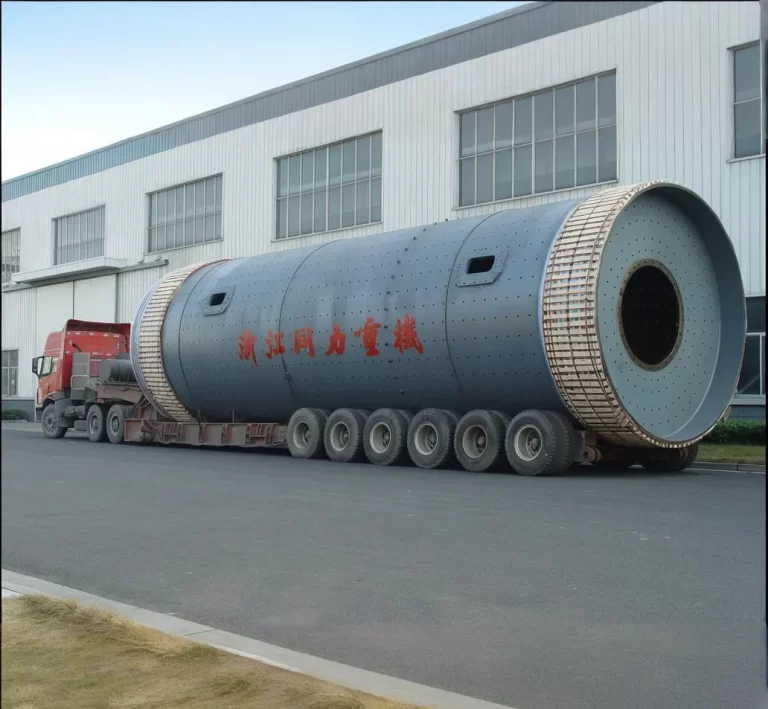
- Ball Mill: Achieves material grinding through the impact and attrition of steel balls within a rotating cylinder. It produces material with uniform particle size and offers high operational stability; however, its energy consumption per unit of product is higher than that of vertical roller mills. It is primarily used in small- to medium-sized processing lines and is typically paired with a powder classifier to form a closed-circuit grinding system.
Resource Utilization of Pulverized Sludge Ash
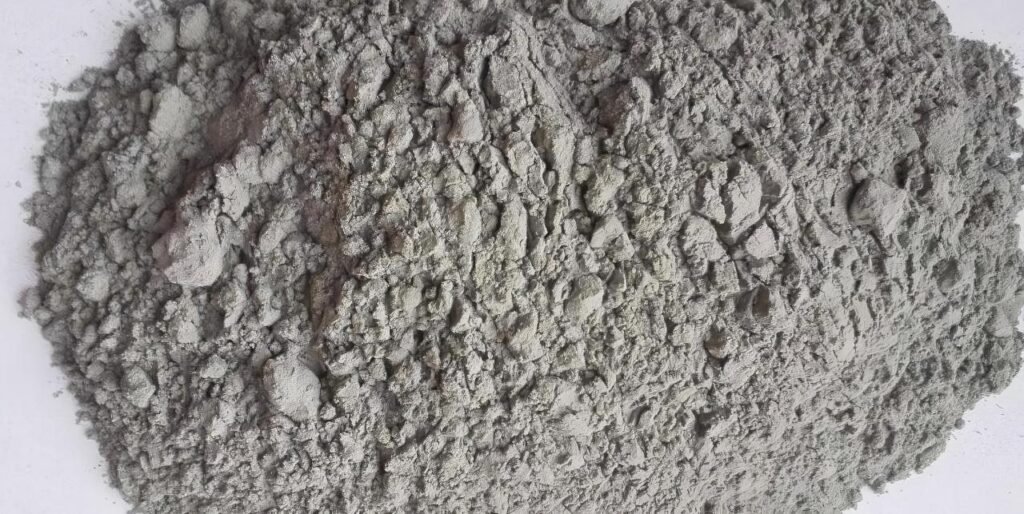
Pulverized sewage sludge incineration ash exhibits increased specific surface area and enhanced reactivity, enabling its resource utilization across various sectors. China's National Development and Reform Commission has explicitly called for promoting the use of this ash in building materials and other resource recovery applications, specifically by incorporating its inorganic components into the production of cement, concrete, bricks, and roadbed materials. All such applications must comply with relevant environmental standards, with strict controls on heavy metal leaching concentrations.
Concrete admixtures and cement blending materials
This represents the primary and most mature application for ground sludge ash. Possessing pozzolanic activity, the ground incineration ash can replace a portion of cement clinker or fly ash in concrete production; typical replacement rates range from 10% to 30% without significantly compromising mechanical properties, while simultaneously improving workability and long-term durability. In cement manufacturing, the ground ash can be incorporated as a supplementary material with cement clinker, thereby reducing the consumption of natural raw materials and lowering carbon emissions. During application, the addition of calcium-based additives enables the simultaneous stabilization of phosphorus and heavy metals, enhancing the environmental safety of the product.
Autoclaved Aerated Concrete and Wall Materials
Ground sludge ash provides reactive silica and alumina components, serving as a partial substitute for fly ash or quartz sand in the production of new wall materials such as autoclaved aerated concrete (AAC) blocks and autoclaved bricks. According to Shanghai local standard DB31/T 1630-2025, sludge incineration ash can be used to manufacture AAC blocks with dry density grades of B05–B07 and strength grades of A2.5–A5.0, provided the ash meets the following requirements: silicon dioxide content of at least 40%, sulfur trioxide content of no more than 3%, and chloride ion content of no more than 0.06%. Under the high-temperature and high-pressure conditions of autoclaving, the reactive components in the ash react with calcareous materials to form calcium silicate hydrate, which provides structural strength to the products; the typical dosage ranges from 10% to 20%.
Preparation of lightweight ceramsite
Finely ground incineration ash can be combined with clay, shale, or other solid wastes to produce lightweight ceramsite through pelletization and high-temperature calcination. During calcination, organic matter burns off while inorganic components melt and expand, creating a porous, lightweight structure; the resulting product serves as lightweight aggregate for thermal-insulating concrete, water treatment filter media, and landscaping substrates. This technology has been codified into a group standard and represents a significant emerging pathway for the high-value utilization of sewage sludge ash.
Pre-processing steps for phosphorus resource recovery
Municipal sewage sludge incineration ash typically contains 5%–8% phosphorus (calculated as P₂O₅), making it a significant secondary phosphorus resource. Grinding increases the specific surface area of the ash particles, ensuring thorough contact between the leaching agent and phosphates during subsequent acid or alkaline leaching; this can boost the phosphorus leaching rate by over 10% and serves as a standard pretreatment step in wet-process phosphorus extraction. The extracted crude phosphoric acid can be purified and subsequently processed into raw materials for phosphate fertilizers or phosphate ester chemical products.
Engineering Fill and Subgrade Improvement
The finely ground sludge ash can be mixed with excavation soil and gravel in proportion to prepare engineering improvement soil, which can be used for municipal road subgrade and site backfilling. The filling effect of fine powder can improve the density and load-bearing capacity of the mixture, while reducing the material cost of the backfill project. Yokohama, Japan and other places have used finely ground incineration ash for backfilling in municipal projects on a large scale to achieve full consumption of sludge incineration ash.
Acidic Soil Amelioration
Finely ground sludge ash that has undergone rigorous testing and meets standards for heavy metal leaching can serve as an alkaline amendment for acidic soils; it replenishes essential nutrients—such as calcium, silicon, and magnesium—and enhances the soil's capacity to retain water and nutrients. Its fine particle size facilitates uniform mixing with soil particles, resulting in superior amendment efficacy compared to coarse ash. Such applications must strictly comply with environmental quality standards for agricultural soil to ensure rigorous control of environmental risks.
The primary utilization pathways and technical specifications for sewage sludge incineration ash are shown in the table below:
| Utilization Pathway | Core Principle | Typical Addition Ratio | Main Control Indicators |
| Cement Admixture & Concrete Mixing Material | Exert pozzolanic activity, replace part of clinker | 10%~30% | Heavy metal leaching concentration, Loss on ignition, Activity index |
| Autoclaved Aerated Concrete Blocks | Provide silicon-aluminum components, participate in autoclaved hydration reaction | 10%~20% | Block strength, Dry density, Radioactivity level |
| Lightweight Ceramsite Preparation | High-temperature calcination expansion to form porous aggregate | 20%~40% | Particle strength, Water absorption rate, Heavy metal leaching |
| Phosphorus Resource Recovery | Acid-base leaching + chemical precipitation to purify phosphate | — | Phosphorus recovery rate, Product heavy metal content |
| Engineering Improved Soil Backfill | Improve soil gradation, enhance compactness and bearing capacity | About 10% | Compaction degree, Bearing capacity, Leaching toxicity |
| Acidic Soil Improvement | Supplement medium and trace elements, adjust soil pH | Small amount application | Heavy metal leaching value, Pathogenic microorganism indicators |
Comprehensive Benefits of Wastewater Treatment Plants and Sludge Treatment
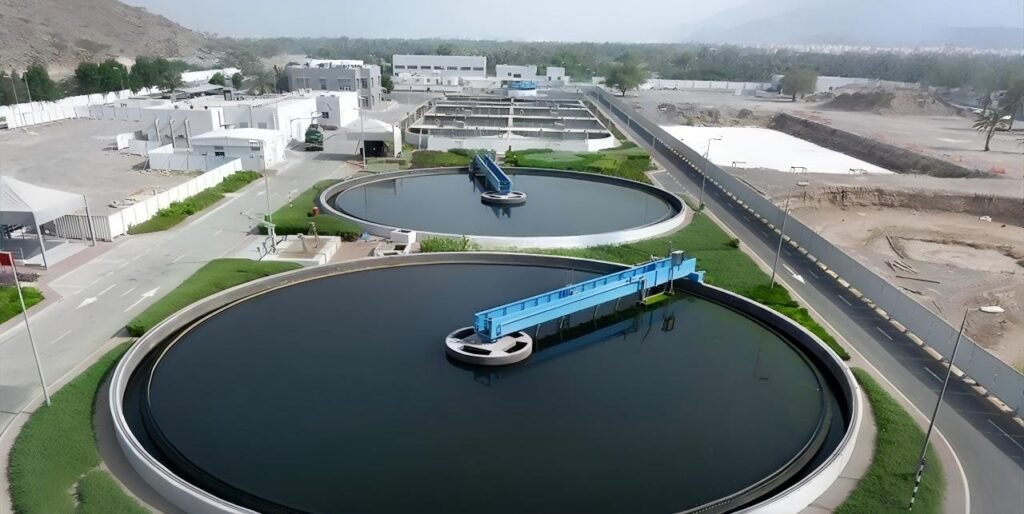
Benefits of ecological and environmental protection
Wastewater treatment plants directly protect the ecological functions of receiving water bodies by reducing the pollutant load entering rivers. Untreated sewage contains high concentrations of organic matter and nutrients; when discharged into natural waters, it depletes dissolved oxygen, causes foul odors and eutrophication, and leads to the death of aquatic organisms and ecosystem degradation. Properly operated secondary wastewater treatment plants can remove over 85% of biochemical oxygen demand (BOD) and suspended solids; facilities equipped with nitrogen and phosphorus removal processes can further reduce nutrient loads, effectively curbing excessive algal proliferation and maintaining the ecological health of rivers, lakes, and coastal waters.
Standardized sludge treatment prevents the migration of pollutants into soil and groundwater. Indiscriminate dumping or rudimentary landfilling of sludge allows organic matter to decompose, generating foul odors and leachate, while pathogens and heavy metals leach into the environment via rainwater, thereby expanding the scope of pollution. Through processes such as stabilization and incineration, organic matter in the sludge is degraded or mineralized, pathogens are completely inactivated, and heavy metals are immobilized, thereby minimizing environmental risks.
Role in safeguarding public health
Domestic sewage contains large quantities of pathogenic microorganisms derived from human excreta, including bacteria, viruses, and parasite eggs. Sewage treatment removes pathogens through multiple barriers—such as sedimentation, biodegradation, and disinfection—thereby cutting off transmission routes for waterborne diseases. The widespread adoption of urban sewage treatment systems is directly linked to a decline in the incidence of enteric infectious diseases like cholera, typhoid, and dysentery, making it a fundamental component of urban public health infrastructure.
Sludge treatment processes further eliminate the risk of pathogens spreading into the environment. The high-temperature environment of anaerobic digestion, the high-pH conditions of lime stabilization, and the high-temperature oxidation involved in incineration can all effectively destroy pathogenic microorganisms, thereby preventing occupational exposure and community health risks during sludge disposal.
Low-Carbon Development and Sustainable Value
Modern wastewater treatment plants have evolved from mere pollution control facilities into nodes for resource recovery and recycling, a transformation driven by advancements in sludge treatment technologies. Regarding energy, biogas generated through sludge anaerobic digestion can be used for power generation or as a substitute for fossil fuels in heating, while waste heat from incineration can be utilized for sludge drying and facility heating, thereby reducing the plant's operational energy consumption and carbon emissions; some facilities also incorporate renewable energy sources, such as solar power, to further decrease reliance on external energy. In terms of material recovery, nitrogen and phosphorus from sludge can be reclaimed for use in fertilizers, and incineration ash can serve as a substitute for raw materials in construction, reducing the demand for the extraction of natural mineral resources. Regarding water resources, effluent subjected to advanced treatment can be used for industrial cooling, municipal landscaping, and agricultural irrigation, helping to alleviate urban water scarcity.
This circular economy model not only mitigates the environmental burden of sludge disposal but also generates quantifiable economic benefits, enhancing the sustainability of the wastewater treatment industry. As technologies evolve and standards rise, wastewater treatment plants will play an increasingly central role in urban resource recycling systems.
Conclusion
Sewage sludge is an inevitable by-product of the wastewater purification process, generated across the entire treatment chain—from preliminary to advanced stages—with significant variations in composition, moisture content, and treatment complexity depending on the stage of origin. Sludge management follows a technical pathway emphasizing volume reduction, stabilization, harmlessness, and resource recovery; initial processing achieves volume reduction through thickening, chemical conditioning, and dewatering, while anaerobic digestion facilitates organic matter stabilization and energy recovery. Meanwhile, incineration using a rotary kiln paired with a secondary combustion chamber enables maximum volume reduction and complete neutralization of harmful substances.
Bottom ash resulting from incineration is not merely a final waste product; following pretreatment steps such as screening, magnetic separation, and drying, it undergoes closed-circuit grinding—using equipment like vertical roller mills—to produce a fine powder with pozzolanic activity. This finely ground sludge incineration ash can be utilized in various applications, including as a cement admixture, in wall material production, for phosphorus recovery, and in engineering backfill and soil improvement, thereby establishing a complete material recycling loop.
From a holistic perspective, wastewater treatment and sludge disposal constitute an integrated system for urban water environmental protection, playing an irreplaceable role in maintaining aquatic ecosystems, preventing disease transmission, and promoting resource recycling. As global water quality standards become increasingly stringent and urban wastewater discharge volumes rise, sludge production will inevitably increase; consequently, the development of sludge treatment technologies characterized by high efficiency, low carbon emissions, and high resource recovery rates represents a crucial direction for the future of the wastewater treatment industry.